
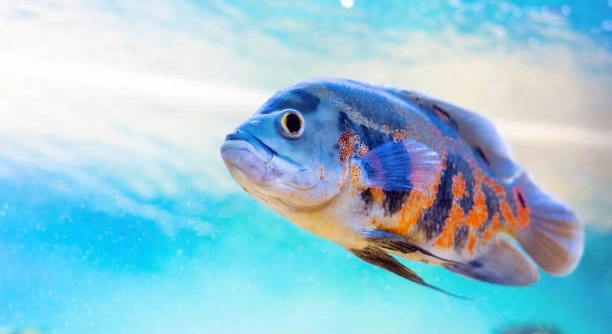
Oscar fish are known for their curious and active behavior, often exploring their environment. If you’ve noticed your Oscar fish biting the air tube, you’re likely wondering what might be causing this unusual action.
Oscars biting the air tube is typically a sign of curiosity or a territorial response. They may be attracted to the movement or vibrations of the tube, mistaking it for food or a threat. This behavior is common in fish that are highly active.
Understanding why your Oscar fish is engaging in this behavior can help improve its environment. Adjustments to its habitat may reduce this action and enhance its overall well-being.
What Makes Oscars So Curious?
Oscar fish are naturally inquisitive creatures. Their behavior can sometimes seem strange, especially when they interact with objects like air tubes. This curiosity is one of the key traits that make Oscars unique. Their active nature drives them to explore their surroundings, and they will often bite at things that move or produce vibrations. The air tube might be mistaken for something important, like food or an intruder. This is an instinctual behavior for them, as they are constantly scanning their environment for potential threats or opportunities.
This behavior is not typically a sign of distress, but rather an expression of their curious personality. Oscar fish can be territorial and territorial behaviors can sometimes cause them to interact aggressively with certain objects, including the air tube. They might also exhibit this action during times when they feel their space is being invaded, even if there is no immediate threat.
Understanding why your Oscar fish bites the air tube helps to create a more comfortable and engaging habitat for them. It’s part of their normal behavior, but it can be reduced by improving the tank environment.
How Tank Setup Affects Oscar Behavior
A few changes to your Oscar’s tank setup might help limit this behavior. Reducing clutter or adding more hiding spots can create a more secure environment. Oscars need space to feel safe, and if they feel cramped, they might resort to biting at things in an attempt to establish control over their territory.
Creating an environment where your Oscar feels at ease may help ease some of their curiosity-driven actions. Providing them with hiding spaces or new things to explore will keep them mentally stimulated, reducing the likelihood of unwanted interactions with the air tube.
Should You Be Concerned?
Oscar fish biting the air tube isn’t usually a cause for alarm, but there are certain circumstances where it might indicate something more serious. For example, if your fish is biting the tube excessively, it could be a sign of stress, boredom, or an uncomfortable tank environment. It is important to regularly check water quality and ensure that the tank is large enough for your Oscar to thrive. Overcrowding or a lack of proper filtration can cause discomfort, which may lead to unusual behaviors like air tube biting.
In addition, Oscars are known for their strong personalities, and sometimes, they just want to assert their dominance over their surroundings. A well-maintained tank with appropriate space and stimulation can greatly reduce these behaviors, allowing your Oscar fish to feel secure and comfortable. If the behavior persists despite improving their environment, consulting an aquarium expert or veterinarian might be helpful.
Signs Your Oscar Fish May Be Bored
Oscar fish are very active and need constant stimulation to stay engaged. If they’re left in a dull environment, they might resort to biting things like the air tube. It’s a sign they may not have enough to do, so they turn to whatever captures their attention.
Boredom in Oscar fish can lead to behaviors like excessive swimming, nibbling at tank decorations, or biting at air tubes. When Oscars don’t have enough stimulation, they may start looking for entertainment in their surroundings, leading them to interact with objects in the tank. This can also cause stress, which might worsen other behaviors. To combat boredom, provide your Oscar with new objects to explore, like plants, toys, or aquarium decorations. Ensuring they have plenty of space to swim around will also help keep them active and happy.
Adding other fish to the tank can also provide social interaction, but be cautious to choose species that can coexist peacefully with Oscars. Too much commotion can stress them out, so finding the right balance is key to avoiding unwanted behaviors.
How to Provide More Stimulation for Your Oscar
If you suspect boredom is causing your Oscar’s behavior, there are several ways to spice things up. First, increase the tank’s size if possible. More space allows them to swim freely, which reduces stress and prevents frustration. You can also add aquatic plants, hiding spots, and decorations that encourage exploration. These elements not only make the tank more visually appealing but also provide mental stimulation for your Oscar.
Additionally, a varied feeding routine can keep your Oscar engaged. Offering different types of food or hiding their food in places they have to search for can make meal times more exciting. Changing the layout of the tank occasionally can also keep them curious, as they will have to explore the new setup. Just be sure to monitor the water quality regularly, especially when introducing new elements to the tank, to avoid causing any harm to your fish.
Tank Size and Space for Oscar Fish
The size of your tank plays a major role in the behavior of your Oscar fish. If the tank is too small, your Oscar may feel cramped and start biting at objects, like the air tube, out of frustration. Providing ample swimming space is essential for reducing this behavior.
A minimum of a 75-gallon tank is recommended for one Oscar fish. The larger the tank, the more room they have to swim, which can prevent boredom and reduce aggressive actions. Make sure the tank is not overcrowded with other fish or decorations, as this can contribute to stress and increased curiosity-driven behaviors.
Water Quality and Its Impact on Behavior
Water quality is crucial for your Oscar’s health and behavior. Poor water conditions can lead to stress, which might cause them to act out, such as biting at the air tube. Regular water changes and proper filtration are necessary to keep your Oscar comfortable.
Keeping the water temperature consistent, with a range between 75-82°F, and maintaining proper pH levels can help reduce any negative behavior. Oscars are sensitive to water changes, and drastic fluctuations can make them anxious or agitated. Ensure that the water is well-filtered, as debris and waste buildup can worsen their stress and impact their activity level.
Do Oscars Bite Out of Aggression?
Oscar fish can be territorial and aggressive, especially during breeding seasons or when they feel their space is threatened. If they bite at objects like air tubes, it could be a sign they’re marking their territory. It’s natural for Oscars to act assertively in such situations.
FAQ
Why does my Oscar fish bite the air tube?
Oscar fish often bite the air tube out of curiosity or boredom. As highly active and inquisitive fish, they explore their surroundings by interacting with whatever catches their attention. If there’s not much else to engage them, they may latch onto objects like the air tube. It can also be a territorial display, as Oscars sometimes react aggressively to what they perceive as a threat or intruder. In some cases, biting the tube may just be a part of their natural behavior as they adjust to their environment.
Can I stop my Oscar from biting the air tube?
Yes, you can reduce this behavior by providing a more stimulating environment. Make sure your Oscar has plenty of space to swim and explore. Adding decorations, plants, or hiding spots can keep them occupied. A larger tank will also give them the freedom to move around and reduce stress. You can also try changing the layout of the tank or adding new elements to spark their curiosity in other directions.
Does biting the air tube mean my Oscar is stressed?
It can indicate stress, especially if your Oscar is repeatedly biting the air tube or acting aggressively. Stress in fish often results from poor water quality, lack of space, or an unsuitable tank setup. Check the water conditions, ensure proper filtration, and avoid overcrowding. Adding new elements to the tank can also help relieve stress by giving your Oscar something else to focus on.
How can I keep my Oscar entertained?
To keep your Oscar entertained, add items to the tank that encourage exploration. Aquarium plants, rocks, and caves provide a sense of security and new areas to explore. You can also try rotating toys or decorations in the tank to keep things fresh. Feeding your Oscar different types of food or hiding food in various locations can also make meal times more engaging.
Can Oscars live with other fish?
Yes, Oscars can live with other fish, but they are territorial and may not get along with certain species. Avoid adding smaller, more delicate fish, as Oscars can be aggressive and may eat or harm them. Good tank mates include larger, hardy species that can handle the Oscar’s active and sometimes aggressive behavior. Always monitor interactions closely to ensure all fish are safe.
What size tank do I need for an Oscar fish?
Oscar fish require a large tank, with a minimum size of 75 gallons for one fish. A bigger tank gives your Oscar the space it needs to swim and explore, reducing stress and aggression. Make sure to factor in the size of your Oscar as it grows, as these fish can reach up to 12-14 inches in length.
How often should I clean my Oscar’s tank?
Cleaning your Oscar’s tank regularly is essential to maintaining good water quality. Perform partial water changes (about 25-30%) every week, and clean the substrate and decorations as needed. Check the filter regularly and replace it when necessary to ensure it is working efficiently. Over time, buildup of waste and debris can lead to poor water quality, which affects your Oscar’s health.
Is it normal for my Oscar to swim upside down?
If your Oscar swims upside down, it could indicate a health problem, such as swim bladder disease or other internal issues. Swim bladder problems often occur when a fish eats too much or too quickly, causing digestive issues. If your Oscar is consistently swimming upside down or struggling to maintain its position in the water, consult an aquarium vet for further diagnosis and treatment.
Why is my Oscar’s color fading?
Color fading in Oscar fish can happen due to several factors. Poor water quality, stress, or illness can cause Oscars to lose their vibrant colors. Make sure to maintain proper tank conditions, including water temperature, pH levels, and filtration. Stress from other tankmates or a lack of stimulation can also lead to color changes. Providing a stable and healthy environment will help your Oscar’s colors return to normal.
How can I prevent my Oscar from getting sick?
The best way to keep your Oscar healthy is by maintaining clean water and a stable tank environment. Regular water changes, proper filtration, and monitoring water parameters are key. Make sure your Oscar’s diet is varied and provides all the necessary nutrients. Avoid overcrowding the tank and ensure it has enough space to move freely. Watch for signs of illness, like changes in behavior or appearance, and act quickly if you notice anything unusual.
Final Thoughts
Oscar fish are intelligent and active creatures that require both physical and mental stimulation to thrive. If your Oscar is biting the air tube, it’s likely due to boredom or curiosity. Oscars are naturally curious and tend to interact with whatever catches their attention. While this behavior may seem harmless at first, it could be a sign that your fish is not getting enough mental stimulation or space. Providing them with a stimulating environment can help prevent this behavior and promote overall health.
To ensure your Oscar remains healthy and content, focus on creating an engaging environment. A larger tank, with plenty of space for swimming, will help reduce stress and offer your Oscar the freedom to explore. Adding decorations, plants, or other objects that encourage exploration can also help. Changing the tank’s layout or introducing new elements periodically can keep things fresh and prevent boredom. Additionally, varying your Oscar’s diet or hiding food around the tank can turn feeding time into a fun activity.
Lastly, keep a close eye on the water quality in your Oscar’s tank. Poor water conditions can lead to stress, making your Oscar more likely to bite objects like the air tube. Regular water changes, proper filtration, and monitoring water parameters are essential for maintaining a healthy tank environment. With the right setup and attention to care, your Oscar will have a fulfilling and happy life.

Hello,
If you enjoy the content that we create, please consider saying a "Thank You!" by leaving a tip.
Every little bit helps us continue crafting quality advice that supports the health, happiness, and well-being of pets around the world, for pets of all shapes, sizes, and species.
We really appreciate the kindness and support that you show us!