
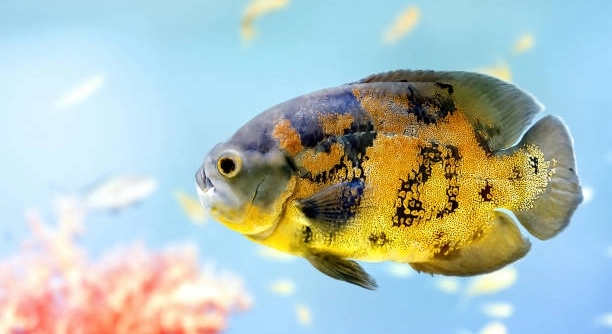
Oscar fish are known for their aggression and dominance, but when they start ruling the tank, it can be a sign of something more. Understanding how to recognize when your Oscar is taking charge can help you maintain a balanced tank.
When your Oscar fish begins showing signs of dominance, it often results in territorial behavior, aggression towards other tankmates, and changes in swimming patterns. These signs can impact the harmony of your aquarium, affecting the well-being of other fish.
Understanding these signs early will help you prevent any potential issues in your tank. By recognizing the behavior, you can manage your aquarium more effectively and ensure a peaceful environment for all inhabitants.
Oscar Fish Becoming Territorial
When your Oscar starts taking control of the tank, it’s usually a sign of territorial behavior. These fish are naturally aggressive and often claim specific areas as their own. This can lead to them chasing or even attacking other fish that get too close. They’re not afraid to show their dominance, especially when they feel their space is being invaded. Over time, their behavior might become more intense, and it could disturb the balance in your aquarium. Recognizing these signs early is key to keeping your tank environment safe for all its residents.
Territorial Oscar fish may begin to act aggressively towards tankmates that venture too close to their chosen area. This behavior can become more pronounced if other fish invade their space.
If your Oscar starts to act aggressively toward other fish, it’s crucial to take action. The best way to address territorial behavior is to adjust the tank’s layout. By adding plants, rocks, or decorations, you can provide hiding spots that allow other fish to feel safer. Additionally, ensuring that the tank is large enough for all inhabitants can help reduce tensions. In some cases, you may need to separate aggressive Oscars from more peaceful fish to prevent harm. However, keep in mind that Oscar fish, even in larger tanks, can still act territorial. Monitoring their behavior consistently is important for maintaining peace in your aquarium.
Increased Aggression in the Tank
Oscars are known for their aggressive tendencies, but when this aggression increases, it’s usually a sign they are asserting dominance over their environment. This can lead to more frequent fights with other tankmates.
As the aggression escalates, Oscars might start to target specific fish, biting and chasing them until they’re out of the picture. In some cases, Oscars may even target fish that are much larger than them, showing their willingness to fight for control. This can disrupt the harmony of the tank and may even lead to injury or death for other fish. If you notice this aggression, it’s important to take steps to reduce stressors in the tank. Adding more space, hiding places, and adjusting the tank’s layout can help create a more balanced environment. Additionally, you may need to consider relocating the Oscar to another tank if their aggression becomes too much for the other fish. Taking immediate action will prevent further damage and restore peace within the tank.
Disruptive Behavior Toward Tankmates
When your Oscar starts showing aggression, it may directly target other fish in the tank. This can disrupt the peaceful environment, with the Oscar chasing, biting, or even killing smaller tankmates. The stress it causes can harm the overall health of the aquarium.
Oscars tend to go after weaker fish, often focusing on the slower swimmers or those that are smaller in size. This aggression can cause a significant imbalance, especially if you have peaceful or timid fish in the tank. Keeping an eye on their interactions can help you identify early signs of aggression before things get out of hand. It’s important to observe whether the Oscar is bullying its tankmates or just asserting its dominance. In cases where the aggression is too severe, you may need to make changes, such as adding more hiding places or separating the Oscar from other fish.
While aggressive Oscars may settle down after a while, ongoing disruptions may require adjustments to the tank. Rearranging decorations, adding larger fish, or even moving the Oscar to a new tank can help. Sometimes, aggression is simply a part of the Oscar’s nature, and the only solution is to manage their environment to reduce stress for all involved.
Eating Patterns Changing
Oscars are known for being big eaters, but when they start refusing food or eating more than usual, it could be a sign of stress or dominance. Changes in eating habits often reflect an underlying issue.
Oscars might eat excessively if they feel they need to assert control or are compensating for other stressors. On the other hand, a lack of appetite could signal that something’s wrong with their environment, such as water quality or tankmates. If your Oscar is eating too much, it might become overweight, leading to further health problems. Alternatively, if it refuses food, it could be a sign that the fish is stressed or uncomfortable. If the latter is the case, it’s important to assess the tank’s conditions, ensuring that water quality is optimal and that other fish aren’t stressing out the Oscar.
If you notice these changes in eating patterns, it’s essential to address them quickly. You may need to separate the Oscar from overly aggressive tankmates, clean the tank to improve water quality, or adjust feeding times. Recognizing and acting on these signs can prevent more serious health issues down the road.
Aggressive Swimming Patterns
When an Oscar starts to dominate the tank, you’ll often notice changes in its swimming patterns. These fish may swim aggressively, patrolling the tank more than usual to mark their territory and show dominance.
If your Oscar begins to swim in a fast, erratic, or constant circle, it could be an indication of stress or territorial behavior. The Oscar might pace back and forth, especially around specific areas of the tank, showing signs of asserting control. This kind of behavior often comes with a heightened sense of aggression and can result in attacks on other fish. If this continues, it may be necessary to modify the tank layout to allow other fish to escape the Oscar’s constant patrol.
Consider adding plants, rocks, or hiding spots to disrupt this repetitive pattern and give the Oscar less space to claim as its own.
Changes in Behavior at Feeding Time
Oscars can show dominance during feeding times as well. If your Oscar starts to become more aggressive or territorial while eating, it might indicate it’s trying to establish control over its food supply.
This can lead to the Oscar pushing other fish away, even if they’ve been in the tank for a long time. To prevent this, try feeding your Oscar separately or at a time when other fish are less active. Providing separate feeding zones or adding barriers can also help keep peace during mealtime. Keeping feeding times consistent is also key to minimizing aggression.
Increased Hiding or Hiding Objects
An Oscar that starts hiding more than usual might be showing signs of stress. This behavior could be linked to a feeling of insecurity or to dominant tankmates that make the Oscar feel threatened.
Increased hiding can also be a response to too much activity in the tank. Oscars are solitary by nature and might seek refuge from overly active or aggressive tankmates. Adding more hiding spots or giving the Oscar a place to retreat can reduce this stress. However, excessive hiding may also signal that the Oscar is unhappy with the tank environment. You should check for signs of water quality issues, overcrowding, or incompatible fish that could be causing discomfort.
FAQ
What is the best tank size for an Oscar fish?
An Oscar needs a large tank to thrive, typically a minimum of 55 gallons for a single fish. If you plan to keep more than one Oscar or have other fish in the tank, a 75-gallon or larger tank is ideal. Oscars are large and active fish, so they need space to swim and establish their territory. A smaller tank can lead to stress, aggressive behavior, and poor health. Larger tanks also help maintain water quality, as Oscars produce a lot of waste. You should also include hiding spots and decorations to give them places to retreat if needed. The more space you can provide, the better the overall environment for your Oscar.
Do Oscars need tank mates?
No, Oscars do not necessarily need tank mates. In fact, they can be quite territorial and aggressive toward other fish. While some people do successfully house Oscars with other species, it’s essential to choose tank mates carefully. Larger, more aggressive fish like Jack Dempseys or Plecos are better suited to share a tank with an Oscar, but smaller or peaceful fish will likely become targets. If you plan to keep other fish with your Oscar, ensure they are fast swimmers and can handle the Oscar’s aggression. Keep in mind that even with compatible tank mates, Oscars can still display dominant behaviors.
How can I prevent my Oscar from becoming too aggressive?
To prevent excessive aggression in your Oscar, it’s essential to provide an environment that minimizes stress. A larger tank is one of the first steps to take, as crowding can lead to territorial disputes. Adding hiding spots, plants, or rocks can also give your Oscar a place to retreat, which reduces stress and aggressive behavior. Additionally, it’s important to avoid keeping overly small or timid fish in the tank. Avoid making sudden changes to the tank environment, as this can trigger territorial aggression. Regular water changes and keeping the water quality optimal also play a crucial role in keeping your Oscar calm.
Why is my Oscar not eating?
If your Oscar isn’t eating, it could be due to several factors. Stress is one of the most common causes of a lack of appetite. Changes in the tank environment, such as water quality issues or aggressive tank mates, can stress your Oscar and lead to a loss of appetite. Illness is another possible cause, so check for signs of disease like abnormal swimming or discoloration. Additionally, some Oscars can become picky eaters, especially if they’ve been given a certain type of food for an extended period. Try offering different types of food, such as live or frozen fish, to entice them to eat. If the behavior continues, consider consulting a vet or aquarium expert.
Can I keep multiple Oscars in the same tank?
Yes, you can keep multiple Oscars in the same tank, but it requires careful planning. Since Oscars are territorial and can be aggressive, they need enough space to avoid constant fighting. For two Oscars, a 100-gallon tank is the minimum. However, even with sufficient space, aggression is still a risk. You may need to divide the tank using a barrier if the Oscars start fighting. Additionally, when housing multiple Oscars, it’s important to keep an eye on their behavior and remove any aggressive individuals if necessary. Sometimes, separating them into different tanks may be the best solution if aggression becomes too severe.
How do I know if my Oscar is sick?
If your Oscar starts showing signs of abnormal behavior, it could be sick. Some common signs of illness include swimming erratically, changes in color (such as fading or dark spots), loss of appetite, and visible injuries like sores or lesions. Look for signs of distress, such as rapid gill movement or staying in one area of the tank. If your Oscar is frequently hiding, this may also indicate that it is unwell. Monitoring water quality is essential, as poor water conditions can cause or worsen health problems. If you notice any of these symptoms, it’s best to isolate the fish and consult an expert to determine the issue and treatment.
Can I feed my Oscar a varied diet?
Yes, feeding your Oscar a varied diet is beneficial. Oscars are omnivores, meaning they can eat both plant-based and animal-based foods. A balanced diet typically includes high-quality pellets designed for carnivorous fish, but you can supplement it with live or frozen foods like shrimp, worms, and small fish. You can also occasionally offer vegetables such as spinach or peas. A varied diet ensures that your Oscar gets all the nutrients it needs for optimal health and growth. However, be mindful of overfeeding, as this can lead to obesity and water quality problems.
How often should I clean the Oscar tank?
The frequency of tank cleaning depends on the size of the tank and the number of fish, but in general, Oscar tanks require regular maintenance. You should perform partial water changes of 25% to 30% every two weeks to maintain water quality. Oscars produce a lot of waste, so it’s crucial to monitor ammonia, nitrite, and nitrate levels regularly. You should also clean the substrate, decorations, and filter regularly to ensure efficient filtration. Keep in mind that the larger the tank and the more fish you have, the more frequent the maintenance will need to be. Keeping the tank clean will help reduce the likelihood of waterborne diseases and stress in your Oscar.
What kind of decorations are best for an Oscar tank?
For an Oscar tank, it’s essential to include sturdy decorations that won’t get easily damaged by the fish’s activity. Oscars tend to dig and move things around, so decorations should be securely placed. Large rocks, caves, and driftwood are excellent options. These provide hiding places and break up the tank’s layout, making it easier for your Oscar to claim its territory without feeling threatened. Plants, both real and artificial, can also add beauty to the tank, but ensure they are securely anchored to prevent them from being uprooted. Avoid using delicate or small items that might get damaged.
Why is my Oscar swimming upside down or on its side?
If your Oscar is swimming upside down or on its side, it may be suffering from a swim bladder issue. The swim bladder is an organ that helps fish maintain buoyancy, and when it becomes infected or damaged, it can cause abnormal swimming behavior. Other possible causes include constipation, stress, or an injury. If the behavior persists, try feeding your Oscar peas (a natural remedy for constipation), or consider adjusting the water temperature and quality. In some cases, swim bladder issues resolve on their own, but if the symptoms continue, you may need to seek advice from an aquarium expert or vet.
Final Thoughts
Oscar fish are fascinating creatures that can make a bold addition to any aquarium. They are known for their size, beauty, and sometimes unpredictable behavior. However, when your Oscar starts to dominate the tank, it can cause problems for the overall harmony of your aquarium. Understanding the signs of dominance and aggression can help you address these issues early, ensuring that your Oscar remains a healthy and well-adjusted part of your aquatic environment.
Keeping an Oscar happy requires more than just feeding it and maintaining good water quality. You need to provide a tank large enough to accommodate its size and give it enough space to establish its territory without affecting the other fish. If your Oscar begins to display signs of aggression, it’s important to take action. This may involve rearranging the tank layout to create more hiding spots, adjusting the water conditions, or, in some cases, separating the aggressive Oscar from other fish. While Oscars are naturally territorial, their environment plays a big role in how they behave, so creating a calm, balanced habitat is key to reducing stress and aggression.
By paying attention to your Oscar’s behavior and responding to its needs, you can keep your aquarium a peaceful and thriving environment. Every fish, including Oscars, has its own personality, so what works for one may not work for another. Regular monitoring, providing enough space, and making adjustments when necessary will help your Oscar live a longer, healthier life. Ultimately, understanding and managing your Oscar’s dominance behavior ensures that it remains an enjoyable and captivating part of your tank.

Hello,
If you enjoy the content that we create, please consider saying a "Thank You!" by leaving a tip.
Every little bit helps us continue crafting quality advice that supports the health, happiness, and well-being of pets around the world, for pets of all shapes, sizes, and species.
We really appreciate the kindness and support that you show us!