
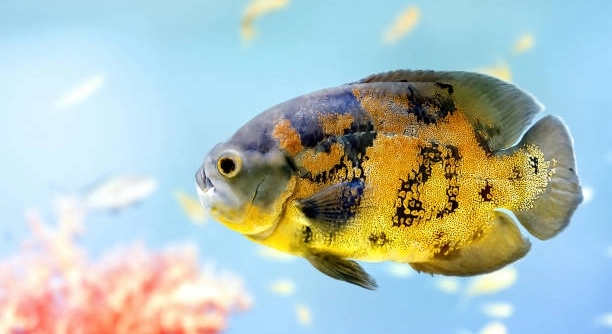
Oscar fish are known for their vibrant personalities and active behaviors. If you’re a fish owner, you might have noticed some strange actions from your Oscar. They can be fascinating to observe, but are these actions a sign of jealousy?
Oscar fish can display territorial behavior, which might be mistaken for jealousy. This territorial nature often leads to aggression, particularly when another fish enters their space. However, this is more about competition than emotional jealousy.
Understanding their behavior will help you maintain harmony in your aquarium and ensure the well-being of your fish. There are simple ways to manage aggression and create a peaceful environment.
Understanding Oscar Fish Behavior
Oscar fish are known for being quite active and engaging in behaviors that can sometimes seem puzzling. They are territorial, and in the wild, they compete with other fish for space and resources. When kept in aquariums, these instincts are often triggered, leading to aggressive behaviors. This aggression may sometimes appear as jealousy, especially when another fish enters their territory or when a new fish is introduced. Oscars can even become possessive of their owners, showing interest in them as though guarding them from other animals or even from their own reflection in the tank.
What might seem like jealousy is usually a response to the environment or the perceived threat of competition. Oscars thrive in their own space, and when that space is threatened, their behavior can escalate quickly.
Being aware of these natural tendencies can help you better manage your Oscar’s environment. By observing and adjusting their tank conditions, you can reduce stress and prevent unnecessary conflicts with other fish.
How Oscar Fish Show Aggression
Oscar fish often display aggression towards others through chasing, nipping, or flaring up when they feel their space is invaded. This can be especially true if there are changes in the tank environment, such as new tankmates or even decorations. They may act defensively, trying to establish dominance in the area. This territorial behavior is deeply ingrained and is a survival mechanism.
This is not limited to interactions with other fish; Oscars can also react to perceived threats in their environment. They may become agitated or show aggressive postures toward their own reflection.
To avoid unnecessary aggression, ensure the tank is spacious and that there are enough hiding spots for all fish. If introducing new fish, consider doing so carefully and gradually to allow the Oscar time to adjust. Creating a stable, predictable environment is key to keeping your Oscar peaceful.
Oscar Fish and Tank Territory
Oscar fish are known to establish a clear territory in their tank. This is where they feel most comfortable and secure. If another fish enters this space, they may become agitated. It’s not about jealousy, but about defending their area from perceived intruders.
This territorial behavior can cause the Oscar to act aggressively towards any new tankmates. If the new fish tries to enter the Oscar’s space, the Oscar may chase them away or even nip at them. If this continues, it can stress out both the Oscar and the new fish, potentially leading to injuries.
To minimize this aggression, it’s helpful to rearrange the decorations in the tank occasionally. This disrupts the Oscar’s established territory, reducing the chances of them getting overly defensive when new fish are introduced. A larger tank also provides more space for each fish to claim their own area, which can significantly reduce territorial conflicts.
Managing Aggression in Oscar Fish
Oscar fish can become aggressive if they feel threatened or challenged. This aggression may seem like jealousy when, in reality, it’s their natural instinct to protect themselves or their space. Observing their behavior carefully can help identify triggers.
One way to manage this aggression is to monitor their interactions closely. If you notice your Oscar becoming particularly hostile toward another fish, it’s important to take action before things escalate. Remove the aggressor temporarily to allow the other fish to settle in, or consider adding more hiding spots. A tank with plenty of plants, rocks, and caves gives the Oscar space to retreat when they feel threatened, reducing stress and conflict.
Ensuring the tank has balanced fish populations and that all the fish are compatible is another key factor in maintaining a peaceful environment. If there’s too much competition for food or space, the aggression may intensify.
Oscars and Their Social Interactions
Oscar fish can be quite social but tend to form strong bonds with certain fish or even their owners. While this may seem like jealousy, it’s usually just an attachment to a specific individual or their surroundings. These bonds can sometimes lead to possessive behavior.
When Oscars bond with other fish, they may protect their chosen companion from other tankmates. They may also show affection toward their owners, swimming near the glass or following their movements. This connection can sometimes be mistaken for jealousy when, in fact, it’s just a sign of attachment.
Managing Multiple Oscars in One Tank
Keeping multiple Oscars in the same tank requires careful consideration. These fish are territorial, and introducing more than one can lead to intense competition. Having enough space and hiding spots is essential to prevent constant battles over territory.
In larger tanks, Oscars can coexist peacefully if their territory is properly managed. Keep in mind that even in bigger aquariums, Oscars can still be aggressive towards each other. It’s important to monitor them and be prepared to separate them if needed.
Environmental Stress and Behavior
Oscars are sensitive to changes in their environment. Even small adjustments, such as a change in water temperature or the addition of new decorations, can trigger aggressive behavior. Stress can make them more territorial and even cause them to act out towards other fish or their owners.
Ensuring that the water quality is optimal, the tank is properly maintained, and there are no sudden disturbances can help minimize this stress. By maintaining a stable environment, you can help reduce the chances of your Oscar becoming agitated or showing signs of aggression.
FAQ
Can Oscar fish recognize their owners?
Oscar fish are intelligent and can recognize their owners over time. They may associate you with food or positive experiences, such as feeding or cleaning their tank. This recognition is not based on emotional attachment like a dog, but rather on familiarity. They can even learn to respond to your presence by swimming towards you or following your movements. However, this behavior is more about routine than affection.
Do Oscars get along with other fish?
Oscar fish can be aggressive and territorial, especially in smaller tanks. They often do not tolerate smaller or more passive fish, as they may view them as competition or a threat. However, with careful tank management and enough space, Oscars can coexist with other larger, similarly-sized fish that can hold their own. It’s important to research each species to ensure compatibility before adding new fish.
How can I reduce aggression in Oscar fish?
Reducing aggression in Oscar fish involves creating a stable environment. This includes ensuring they have enough space, hiding spots, and a proper tank setup. If you notice frequent aggression, try rearranging the tank decorations to disrupt their territory, which can help reduce defensive behavior. Additionally, avoid overcrowding, as this increases stress and triggers aggression. Regular water changes and consistent feeding routines can also contribute to a calmer Oscar.
Do Oscar fish experience jealousy?
Oscar fish do not experience jealousy in the same way humans do. What can seem like jealousy is often territorial aggression or stress. They may act aggressively if another fish enters their perceived space or if they feel their food supply is threatened. This behavior is more about instinct and survival rather than a true emotional reaction like jealousy.
Can Oscars live with other Oscars?
Oscar fish can live together, but it’s not always ideal due to their territorial nature. If there’s not enough space or hiding spots, Oscars will compete for territory, which can lead to serious aggression. However, in a large tank (ideally over 75 gallons), multiple Oscars may coexist more peacefully. Always keep a close eye on their interactions and be prepared to separate them if necessary.
What size tank do Oscars need?
Oscar fish grow quite large and require a spacious tank to thrive. A single Oscar should have at least a 55-gallon tank, though 75 gallons or more is preferable. If you plan to keep multiple Oscars or other large fish, you’ll need a much larger tank. Providing enough space helps reduce stress, prevents territorial disputes, and promotes overall health.
Why does my Oscar fish chase other fish?
Oscar fish chase other fish primarily due to territorial instincts. They are trying to protect their space or food supply. Oscars are naturally aggressive when they feel their territory is being threatened, which often leads to chasing or nipping at other fish. If you notice excessive chasing, ensure your tank is large enough, and consider adding more hiding spots to reduce tension.
How can I tell if my Oscar is stressed?
Stressed Oscars can exhibit several signs, such as swimming erratically, hiding excessively, or scratching against objects. They may also refuse to eat or show a lack of interest in their surroundings. A stressed Oscar can also display changes in appearance, such as dull coloring or clamped fins. Stress often results from poor water quality, overcrowding, or sudden changes in the tank. Keeping the tank clean and maintaining a stable environment can reduce stress.
Do Oscar fish need a filter?
Yes, Oscar fish need a strong filter. They produce a lot of waste, which can quickly pollute the water if not properly filtered. A high-quality filter helps maintain water quality and oxygen levels, ensuring a healthy environment for your Oscar. Regular water changes and filter maintenance are essential for keeping your tank clean and your fish healthy.
Can Oscars live with plants?
While Oscar fish can live with plants, they are known to uproot or destroy them. Oscars often dig around the substrate in search of food or to make their territory more comfortable. If you want to keep plants in the tank, choose hardy species like Java Fern or Anubias that can withstand some disturbance. It’s also helpful to plant them in sturdy pots or secure them to rocks or driftwood to prevent them from being uprooted.
How often should I feed my Oscar fish?
Oscar fish should be fed 2 to 3 times a day, with a varied diet that includes pellets, frozen food, and live food like worms or small fish. It’s important not to overfeed them, as this can lead to obesity and water quality issues. Offer small portions that can be consumed within a few minutes. Regular feeding schedules will help your Oscar maintain a healthy weight and prevent aggression due to hunger.
Why is my Oscar swimming at the top of the tank?
If your Oscar is consistently swimming at the top of the tank, it could be a sign of stress, poor water quality, or a lack of oxygen. Oscars tend to stay near the surface if the oxygen level is low or if they’re struggling to find a comfortable spot in the tank. Check the water parameters, perform a water change, and ensure your filter is working efficiently. If the problem persists, consider adding an air pump to improve oxygen circulation.
Are Oscars easy to take care of?
Oscar fish are relatively easy to take care of if their basic needs are met. They require a large tank, clean water, and a stable environment. However, they can be more demanding than smaller fish due to their size, appetite, and aggression. Regular maintenance, including water changes and monitoring tank conditions, is necessary to keep them healthy and reduce aggressive behavior.
What do Oscar fish like to eat?
Oscar fish are carnivorous and enjoy a varied diet that includes pellets, freeze-dried food, and live or frozen food such as worms, shrimp, or small fish. A balanced diet is essential for their health, and offering a mix of different foods ensures they get the nutrients they need. Avoid overfeeding and remove uneaten food to maintain water quality.
Final Thoughts
Oscar fish are unique creatures, known for their strong personalities and territorial nature. While they may not feel jealousy the way humans do, their behavior can sometimes seem like it. They are highly territorial, and when their space or resources are threatened, they can act aggressively toward other fish or even their owners. Understanding these behaviors is key to keeping them in a peaceful aquarium. It’s not about emotional jealousy but more about protecting their environment. If you observe an Oscar behaving aggressively, it’s often a natural response to what they perceive as a threat.
To manage your Oscar’s behavior, it’s important to provide them with enough space. A larger tank, ideally 75 gallons or more, gives them room to establish their territory without constantly clashing with other fish. If you’re keeping multiple Oscars or other fish, it’s essential to monitor their interactions. Adding plenty of hiding spots and decorations can reduce territorial disputes by giving each fish a place to retreat. Maintaining a calm and predictable environment can also help lower stress levels, reducing the chances of aggressive or possessive behavior. Regular maintenance, like water changes and filter upkeep, will help ensure the tank is always in good condition.
In the end, keeping an Oscar fish requires some understanding of their natural instincts and behaviors. They are not malicious or jealous, but they are creatures of habit who thrive in a stable environment where they feel secure. With the right tank setup, food, and care, Oscars can make fascinating and rewarding pets. Whether you’re a first-time Oscar owner or experienced in fishkeeping, paying attention to their needs and behavior will help create a more harmonious aquarium. When their basic needs are met, Oscars can be a joy to observe as they navigate their tank with curiosity and confidence.

Hello,
If you enjoy the content that we create, please consider saying a "Thank You!" by leaving a tip.
Every little bit helps us continue crafting quality advice that supports the health, happiness, and well-being of pets around the world, for pets of all shapes, sizes, and species.
We really appreciate the kindness and support that you show us!