
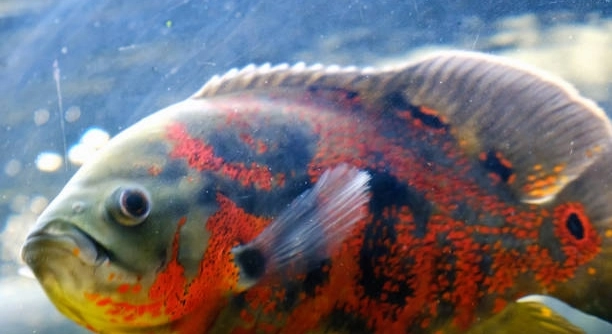
Oscar fish are known for their strong personalities and unique behavior. Introducing new tank mates can sometimes be a challenge, as Oscars can be territorial and aggressive. Understanding how they react can help you create a more harmonious tank environment.
Oscar fish often display territorial and sometimes aggressive behavior when introduced to new tank mates. They may become defensive or assert dominance. However, over time, they can adjust and even coexist with the right species, given proper care and monitoring.
By knowing how Oscars respond to new tank mates, you can make informed decisions. This article explores how to manage these reactions and maintain a peaceful aquarium. Keep reading to discover helpful tips for success.
Oscars and Their Territorial Nature
Oscar fish are naturally territorial creatures, which means they may not welcome newcomers in their space. When introducing new tank mates, it’s common for Oscars to react aggressively, as they often feel the need to defend their area. They have strong instincts to protect their territory, and it’s part of their nature to challenge or chase away any perceived intruders. This behavior can lead to stress for both the Oscar and its new tank mates if not managed carefully.
If you’re adding another fish to your tank, make sure to monitor them closely at first. Often, Oscars will puff up, flare their fins, or even bite to assert their dominance. This behavior typically dies down once the Oscar gets used to the new tank mate and realizes that the other fish isn’t a threat. However, in some cases, it might take longer for the Oscar to accept the new fish, especially if they are larger or more dominant themselves.
To help ease the process, you can rearrange the tank decorations before introducing the new fish. This tactic disrupts the Oscar’s sense of ownership and can reduce aggressive behavior. It’s essential to ensure the new fish is compatible with the Oscar’s temperament. This will increase the chances of a smoother transition and a more peaceful coexistence in the long run.
Oscars and Size Difference
Size matters when it comes to Oscars sharing a tank with other fish.
Oscars tend to do better with tank mates that are similar in size. Smaller fish are at a higher risk of being bullied or eaten. Oscars are known for their large mouths and will attempt to swallow smaller fish if given the chance. This risk increases when the Oscar feels threatened or hungry.
To reduce the likelihood of conflict, select tank mates that are not only the same size but also strong swimmers. Some fish can withstand the Oscar’s aggression and will defend themselves if necessary. Avoid choosing species that are timid or slow-moving. These types of fish may end up being easy targets for an Oscar’s aggressive behavior. Additionally, make sure the new fish are fast enough to escape if the Oscar starts chasing them. If you can’t find appropriate matches, consider keeping your Oscar alone in the tank to avoid these issues altogether.
Oscars and Their Aggressive Tendencies
Oscar fish can be very aggressive, especially when they feel their territory is being invaded. When introducing new tank mates, it’s important to understand that Oscars may view them as competition. Their aggression can range from chasing to outright fighting, which can lead to stress for both fish.
The aggression usually stems from the Oscar’s desire to maintain control over its environment. In many cases, the new tank mate might not be able to defend itself against such behavior. The best way to address this is by ensuring the tank has enough hiding spaces for the new fish. Providing plants, rocks, or decorations where they can retreat will help reduce stress and give them a chance to stay out of the Oscar’s way.
If the Oscar is especially territorial, it might be necessary to monitor the tank closely over the first few weeks. Some fish may adapt to this new environment with time, while others might continue to be stressed by the Oscar’s presence. If aggressive behavior continues, separating the Oscar from the new tank mate might be the best option for their safety.
Oscar Fish and Water Conditions
Water conditions are key when introducing new fish to an Oscar’s tank.
Oscars thrive in warm, slightly acidic water. Maintaining the right water temperature and pH level can help keep the Oscar calm and reduce its stress when new fish are introduced. The right conditions will also ensure the health of both the Oscar and its tank mates.
Oscars are sensitive to fluctuations in water conditions, so maintaining stability is crucial. You should check the water parameters regularly, especially during the initial introduction of new fish. Make sure that the tank has proper filtration to handle the waste produced by an Oscar, as they are large fish that generate a lot of it. Adding a new tank mate can increase the bio-load, so it’s important to monitor water quality closely.
Adjusting water temperature and pH levels gradually can help ease the Oscar’s transition to the new tank mate. A sudden change can cause unnecessary stress, which can lead to more aggressive behavior. Keeping the tank stable will benefit all of the fish, encouraging a more peaceful environment for everyone involved.
Oscars and Feeding Behavior
Feeding time can trigger aggression in Oscars. They are known to be eager eaters, and when hungry, they can become more territorial and defensive of their food. Introducing a new fish during feeding time can escalate aggression.
To prevent this, try feeding the Oscar before adding any new tank mates. This reduces the chances of food-related aggression. Ensure the new fish is well-fed before introducing them, so they aren’t tempted to compete for food. The Oscar will be less likely to view the new tank mate as competition if it’s already satisfied.
When feeding multiple fish together, make sure to distribute food evenly. Offering food in different areas of the tank can help avoid conflicts. This strategy can also reduce the chances of the Oscar lashing out at other fish.
Compatible Tank Mates for Oscars
Not all fish are suitable tank mates for Oscars.
When choosing companions, it’s important to select fish that can handle the Oscar’s aggression. Larger, more resilient species, such as larger catfish or cichlids, are often good choices. Avoid small, slow-moving fish, as they are likely to become targets.
To increase the chances of success, it’s also wise to add tank mates of similar temperaments. The Oscar is unlikely to tolerate peaceful fish, as they may seem weak or easy to intimidate. The right companions will be able to stand their ground without creating constant conflict.
Tank Size and Space Requirements
Tank size plays a crucial role in how Oscars interact with new tank mates.
Oscars require a large tank, typically at least 75 gallons, to thrive. A smaller tank will only increase territorial behavior. More space allows the Oscar and its companions to establish their own areas within the tank. This can reduce aggression.
A large tank also provides room for hiding spots, which are essential when dealing with the Oscar’s territorial nature. The more hiding spaces available, the less likely the Oscar will feel the need to defend its entire tank. A well-planned tank layout can help manage the Oscar’s aggressive tendencies.
FAQ
How long does it take for an Oscar to adjust to new tank mates?
It can take anywhere from a few days to a few weeks for an Oscar to adjust to new tank mates. The time needed depends on the Oscar’s personality, the new fish, and the tank setup. Some Oscars are naturally more aggressive and will take longer to calm down, while others might adapt quickly. In general, patience is key during this process. Monitor the tank closely during the first few days and be ready to intervene if necessary.
Can Oscars live with other cichlids?
Yes, Oscars can live with other cichlids, but this depends on the species. Some cichlids have similar temperaments and can handle the Oscar’s aggression. For example, other larger cichlids like the jaguar cichlid or midas cichlid may be compatible. However, smaller or more peaceful cichlids might be bullied or even attacked. It’s important to ensure that both fish are similar in size and strength to avoid constant fighting.
What should I do if my Oscar is constantly attacking its tank mates?
If your Oscar is consistently attacking its tank mates, the first step is to check the tank size. A cramped tank can increase aggression. Consider upgrading to a larger tank if necessary. Adding more hiding spots for the fish can also help reduce stress and provide safe zones for the other fish. If the behavior continues, separating the Oscar and the new tank mate temporarily may help. Another option is to add more tank mates, which could help spread the Oscar’s aggression and reduce focus on a single fish.
Are there any signs that my Oscar is stressed?
Yes, there are several signs to look out for when your Oscar is stressed. A stressed Oscar may swim erratically, hide more than usual, or refuse to eat. They may also display changes in color, becoming darker or more faded. If you notice these behaviors, it could indicate stress caused by a change in tank mates, water conditions, or other environmental factors. Addressing the source of stress promptly can help your Oscar feel more comfortable again.
Can I keep a single Oscar in a tank with other species long-term?
Yes, you can keep a single Oscar with other species, but it requires careful planning. The Oscar’s size, aggression, and territorial nature should all be taken into account. Large, aggressive fish that can hold their own are often the best companions. However, the Oscar will need a large tank with plenty of space to reduce the risk of conflict. It’s important to regularly monitor the tank to ensure all fish are getting along and that no one is being bullied or stressed.
How do I introduce a new fish to my Oscar’s tank?
Introducing a new fish to an Oscar’s tank should be done slowly and carefully. First, ensure that the new fish is compatible with your Oscar in terms of size and temperament. It’s also a good idea to rearrange the tank’s decorations before adding the new fish. This disrupts the Oscar’s sense of ownership and can reduce territorial aggression. When you introduce the new fish, keep a close eye on their interactions for the first few days. Be prepared to separate them if necessary.
What tank mates should I avoid with Oscars?
Avoid adding small or peaceful fish to an Oscar’s tank. Oscars are large and aggressive, and smaller fish are at risk of being eaten or harassed. Fish like tetras, guppies, or small catfish are not suitable due to their size and temperament. Slow-moving fish with no defensive abilities should also be avoided. Stick to larger fish with similar temperaments, such as large cichlids, plecos, or fast-moving catfish, to minimize the risk of conflict.
Do Oscars get along with bottom dwellers?
Yes, Oscars can often get along with bottom dwellers, such as plecos or larger catfish, as long as the bottom dweller is large enough to avoid being bullied. Bottom dwellers can help clean up leftover food in the tank, which can be beneficial for overall tank health. However, the Oscar might still try to assert dominance, so it’s important to ensure that the bottom dwellers have enough space to avoid constant stress. Providing plenty of hiding spaces for the bottom dwellers can also help.
Can Oscars live with plants in the tank?
While Oscars can live with plants, they are known to be destructive, especially when they are adjusting to a new environment or tank mate. Oscars often dig around the substrate, which can uproot or damage plants. If you want to keep plants in your Oscar’s tank, it’s best to choose hardy species that can withstand the Oscar’s activity. Plastic plants or plants placed in secure pots are also an option if you want to avoid dealing with plant damage. Real plants can add beauty to the tank, but they may require extra care.
What is the best water temperature for Oscars with tank mates?
The ideal water temperature for Oscars is between 75°F and 80°F (24°C to 27°C). Keeping the water temperature stable within this range will help keep the Oscar comfortable and reduce aggression. When adding new tank mates, maintaining a consistent temperature is important for all fish, as sudden fluctuations can cause stress and increase the likelihood of aggression. It’s also essential to monitor the water temperature regularly with a reliable thermometer to ensure the Oscar and its tank mates stay healthy and stress-free.
Can I add fish after the Oscar has already established its territory?
It can be challenging to add fish after an Oscar has already established its territory. Oscars are territorial and often become more aggressive as they settle into their environment. If you do decide to add new fish, it’s crucial to ensure that the new fish are strong enough to handle the Oscar’s behavior. Providing plenty of hiding spots and having a large tank will help. It’s also a good idea to add the new fish during a time when the Oscar is less focused on defending its space, such as after feeding.
Final Thoughts
When introducing new tank mates to your Oscar fish, it’s important to remember that they are territorial and can be aggressive. Their reactions will depend on factors like the size and temperament of the new fish, as well as the tank setup. Some Oscars may adjust quickly, while others can take longer or may not accept new fish at all. It’s crucial to be patient and allow time for your Oscar to get used to the new tank mate. However, if aggression continues, it may be necessary to separate the Oscar from the other fish for their safety.
Creating a peaceful environment for your Oscar and its new tank mates requires careful planning. Choosing compatible tank mates, maintaining a proper tank size, and ensuring water conditions are stable will go a long way in reducing stress and aggression. Providing hiding spots and places for the new fish to retreat can also help them feel secure. With enough space and a well-thought-out setup, Oscars can cohabitate with other species, though the success of this will depend on both the Oscar’s personality and the tank mates’ ability to handle the Oscar’s behavior.
Ultimately, every Oscar is different, and their reactions to new tank mates will vary. Some may be more tolerant, while others may remain territorial throughout their lives. Understanding your Oscar’s behavior and giving it time to adjust is key to ensuring a smooth transition. If aggression remains high, you might need to reassess the tank setup or consider keeping your Oscar in a tank by itself. With the right care and attention, Oscars can coexist with other fish, but it requires a bit of effort and observation.

Hello,
If you enjoy the content that we create, please consider saying a "Thank You!" by leaving a tip.
Every little bit helps us continue crafting quality advice that supports the health, happiness, and well-being of pets around the world, for pets of all shapes, sizes, and species.
We really appreciate the kindness and support that you show us!