
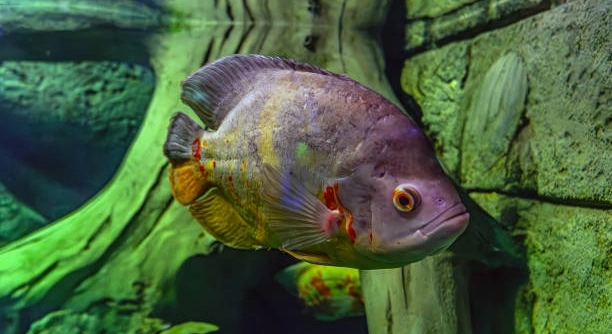
Oscar fish are known for their unique personalities, and sometimes their behavior can seem unpredictable. If your Oscar fish is acting clingy today, there could be several reasons behind it that may be worth exploring.
Oscar fish often become clingy due to changes in their environment or stress. Factors such as water temperature fluctuations, changes in water quality, or disruptions in their routine can cause them to seek more attention from their owners.
Understanding these behaviors will help you address your fish’s needs and ensure they feel secure and comfortable in their environment.
Possible Causes of Clingy Behavior in Oscar Fish
Oscar fish are naturally territorial and curious, but they can also become more clingy when something changes in their environment. One common reason is stress. Stress in fish can come from various sources, such as changes in water temperature, water quality, or tank setup. Even small changes, like moving decorations or altering the lighting, can cause them to feel unsettled. These changes often lead the fish to seek comfort, which may involve following you around the tank or sticking to one spot.
Another factor that could cause clinginess is a change in diet. If your Oscar fish is not eating well, it may feel more vulnerable and seek additional attention. Poor water conditions, such as high ammonia or nitrite levels, can also create an unhealthy environment, making your fish feel uncomfortable and needy.
When your Oscar is acting clingy, it’s important to check the basics. Ensure your water parameters are stable, the temperature is appropriate, and the filtration system is working properly. Regular water changes can also help keep the tank clean and stress-free.
How Stress Affects Your Oscar Fish
Stress affects Oscar fish in various ways, including changes in behavior. When stressed, your Oscar might become more aggressive or overly clingy. They may swim erratically or hide more than usual. These behaviors are signs of discomfort.
Keeping your fish in a peaceful and stable environment will help reduce stress. It’s also essential to monitor their diet to ensure they’re receiving proper nutrition. Stressed fish tend to show their distress in subtle ways, like decreased activity or altered swimming patterns. Maintaining a balanced environment is key to keeping them healthy and happy.
Solutions for Managing Clingy Behavior
Managing clingy behavior in Oscar fish starts with understanding the root cause. If it’s due to stress from changes in the environment, try to minimize disruptions. Replacing or moving tank decorations too often can confuse and stress your fish. Make sure the temperature and lighting remain consistent, as sudden shifts in these can lead to discomfort.
Water quality is another major factor. Test for ammonia, nitrites, and nitrates regularly, as poor water quality can lead to illness or stress. Regular water changes, along with proper filtration, will keep the tank in optimal condition. Oscar fish also thrive with a balanced diet that includes both protein and vegetable matter. Overfeeding or offering unbalanced food can affect their overall health.
By ensuring these factors are in check, you will help your Oscar feel secure, reducing clingy behavior and promoting a happier, healthier fish.
Changes in Water Quality
Oscar fish are very sensitive to changes in water quality. A spike in ammonia or nitrites can cause them stress, leading to clingy behavior. Poor water quality can also weaken their immune system, making them more susceptible to diseases.
To prevent poor water quality from affecting your Oscar, ensure your tank is properly filtered. Test the water regularly for ammonia, nitrites, and nitrates. Keeping the water clean and clear will help reduce stress, allowing your fish to feel more secure. Avoid overfeeding, as uneaten food can lead to water contamination.
Regular water changes of 20-30% will help maintain water quality and remove harmful toxins. Using a good filtration system will keep your tank in optimal condition, reducing the chances of stress-related behavior. Ensure your filtration system matches the size of your tank to maintain an ideal environment.
Tank Temperature and Stability
Oscar fish are sensitive to temperature fluctuations. If the tank temperature varies too much, it can cause stress and lead to clingy behavior. Keeping the water at a steady, appropriate temperature is crucial for their well-being.
Ensure the water temperature stays between 74°F and 81°F. Sudden drops or increases in temperature can stress your Oscar, making it seek comfort. A reliable aquarium heater with a thermostat can help maintain a stable temperature.
Adding a thermometer to the tank is also a good idea. This way, you can quickly spot any changes and adjust the temperature if necessary. Stability is key for your Oscar to feel secure and thrive in its environment.
Tank Size and Space
A small tank can lead to overcrowding, causing your Oscar to feel confined and stressed. Oscars need plenty of space to swim freely. If your tank is too small, your fish may become clingy as it seeks comfort and security.
Providing a spacious tank, at least 75 gallons for a single Oscar, gives them room to explore. More space will reduce territorial behavior and stress, promoting healthier behavior. If you have multiple fish, be sure the tank size is large enough for everyone to coexist peacefully.
Aggression and Territory Issues
Oscar fish can be territorial, especially if they feel crowded. This can lead to them acting clingy and protective of their space. Adding more hiding spots and decorations can reduce territorial aggression.
Providing plenty of space and hiding places for your Oscar will give it options to retreat and feel safe. Also, monitor their behavior to ensure no bullying or fighting occurs. By reducing territorial issues, your Oscar will feel more relaxed, less stressed, and less likely to act clingy.
Diet and Feeding Routine
Feeding habits can impact your Oscar’s behavior. If it feels hungry or isn’t receiving enough nutrients, it may seek more attention from you. Ensure a balanced diet with high-quality pellets, live food, and occasional vegetables.
Stick to a consistent feeding schedule to avoid overfeeding or underfeeding, which can affect their health. Oscars are more likely to be clingy when they are either hungry or overfed. By feeding them regularly and ensuring nutritional balance, you can promote a stable and healthy environment.
FAQ
Why is my Oscar fish swimming in circles?
Oscar fish may swim in circles if they’re stressed, bored, or confined in a tank that’s too small. A lack of space can make them anxious, leading to repetitive swimming behavior. Another reason could be poor water quality, which can cause discomfort. Ensure your tank is large enough (at least 75 gallons) and that the water is clean and well-filtered. Adding more decorations or hiding spots can also help reduce stress and provide your fish with a more stimulating environment.
Is my Oscar fish sick if it’s acting clingy?
Clingy behavior can be a sign of stress rather than illness. However, it’s important to monitor your Oscar’s overall health. If it’s also showing other signs, such as loss of appetite, abnormal swimming patterns, or discoloration, it might be sick. Check the water parameters, as poor water quality is often the cause of stress. If the behavior persists or worsens, consider consulting an aquarium specialist to rule out any health issues.
How do I reduce stress in my Oscar fish?
To reduce stress in your Oscar fish, make sure the water quality is optimal by regularly checking ammonia, nitrite, and nitrate levels. Keep the water temperature between 74°F and 81°F, and ensure it’s stable. Avoid drastic changes in the tank, such as rearranging decorations or overfeeding. Offering a varied diet and maintaining a peaceful tank environment will also help your Oscar feel secure and calm.
Can Oscar fish become attached to their owners?
Oscar fish can form bonds with their owners, though it’s more of a recognition rather than attachment. They often associate their owners with food or routine interactions, and some may follow their owners around the tank. While they don’t show affection in the same way pets like dogs or cats do, they may recognize you and become more interactive.
Why is my Oscar fish hiding all the time?
Hiding can be a sign of stress, illness, or discomfort. If your Oscar is hiding frequently, check the water quality, temperature, and tank conditions. Ensure the environment is peaceful and that there are enough hiding spots to give your fish a sense of security. If hiding is accompanied by other symptoms like lethargy, loss of appetite, or abnormal behavior, it could indicate illness, and you should consult an aquarium professional.
Do Oscar fish get lonely?
Oscar fish are solitary by nature and don’t generally get lonely like social animals do. However, they can sometimes feel stressed if their tank is too small or if there is constant disruption in their environment. Providing a proper-sized tank, stable water conditions, and hiding spots will help them feel more secure. They may also be more likely to engage with other fish if they are of a similar size and temperament.
Can I keep multiple Oscar fish together?
It is possible to keep multiple Oscars together, but they are territorial creatures. If you choose to keep more than one, ensure the tank is large enough to accommodate them (at least 75 gallons per Oscar). Monitor their behavior for signs of aggression. Some Oscars might get along fine, while others may constantly fight. It’s also important to maintain water quality and give them plenty of hiding spots to reduce conflicts.
What are the best tank mates for an Oscar fish?
The best tank mates for an Oscar fish are other large, non-aggressive fish. Suitable companions include larger cichlids, plecos, and certain catfish. Avoid smaller fish, as Oscars may try to eat them. It’s essential that all tank mates can tolerate similar water conditions and temperatures to avoid stress or health issues.
How often should I feed my Oscar fish?
Oscar fish should be fed once or twice a day. It’s important to provide a varied diet, including high-quality pellets, live food like worms or shrimp, and occasional vegetables. Overfeeding can lead to poor water quality and health issues, so be sure to feed in moderation. Remove any uneaten food after a few minutes to keep the tank clean.
How can I tell if my Oscar fish is happy?
A happy Oscar will display active and curious behavior, such as swimming around the tank, following you, or exploring its environment. Healthy Oscars are usually responsive to their owners and show interest when food is offered. They will also exhibit normal swimming patterns and interact with tank decorations. Keep an eye on their health, as a lack of movement, loss of appetite, or abnormal swimming could indicate stress or illness.
Why is my Oscar fish constantly at the surface of the water?
If your Oscar is spending a lot of time at the surface, it could be a sign of water quality issues, particularly low oxygen levels or high ammonia. Check the filtration system and ensure it is properly maintaining the tank. If the issue persists, test the water and perform a water change. Some Oscars also swim at the surface when they are hungry, so make sure you’re feeding them enough.
Is it normal for my Oscar fish to be aggressive?
Oscar fish are known for their aggression, especially as they mature. They are territorial and may become aggressive towards other fish, especially if their space is invaded. However, aggressive behavior can also stem from stress, improper tank conditions, or competition for food. Keep the tank well-maintained and avoid overcrowding to minimize aggression. Providing enough hiding spots will also give other fish a chance to retreat if needed.
Final Thoughts
Oscar fish are fascinating creatures, but their behavior can sometimes leave us puzzled. If your Oscar is acting clingy, it’s important to first assess its environment. Stress is a common factor in many behavior changes, including clinginess. Small tanks, poor water quality, or a lack of hiding spots can all contribute to your fish feeling uneasy. By addressing these issues, you can help your Oscar feel more secure and less stressed. Regular maintenance and a proper-sized tank are key to ensuring your Oscar is happy and healthy.
Another factor to consider is the Oscar’s temperament. Oscars are known for being territorial and aggressive, especially as they grow older. Sometimes, clinginess is a result of the fish feeling the need to assert control over its space. While they may not get “lonely” in the same way other pets do, they can seek attention or proximity from their owners due to feeling insecure. Understanding their natural behavior and providing a balanced environment can go a long way in reducing clingy behavior.
Lastly, always remember that every Oscar is different. Some may be more interactive or curious, while others might prefer to keep to themselves. The key is to observe their behavior and make any necessary adjustments to their tank or care routine. Whether it’s adjusting the tank size, improving water quality, or simply offering more interaction, taking these steps will help you better understand your Oscar. With the right care and attention, your Oscar will thrive and exhibit more natural behavior.

Hello,
If you enjoy the content that we create, please consider saying a "Thank You!" by leaving a tip.
Every little bit helps us continue crafting quality advice that supports the health, happiness, and well-being of pets around the world, for pets of all shapes, sizes, and species.
We really appreciate the kindness and support that you show us!