
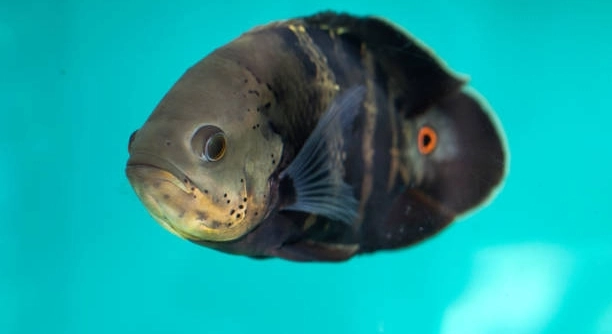
Oscars can sometimes display skittish behavior, especially in unfamiliar settings. Understanding what triggers their anxiety can help you manage their stress. These small, beautiful fish thrive when they feel safe and secure in their environment.
Several factors influence how Oscars react to their surroundings. Offering them consistent water quality, appropriate tank size, and adequate hiding spaces can significantly reduce their anxiety. Providing them with proper care and attention ensures they feel calm and more at ease.
With a few adjustments to their environment, you can help your Oscars feel more relaxed. This simple guide will walk you through seven strategies that can calm them down.
1. Create a Calm Environment
Oscars are known for their sensitive nature, and their environment plays a key role in calming them. A peaceful setting can make a big difference in how they behave. This includes ensuring proper lighting, avoiding loud noises, and minimizing sudden movements. Keeping their space free from disturbances helps reduce stress and gives them the sense of security they need. They’ll feel more at ease in a setting that mimics their natural habitat.
Water quality is equally important. Oscars thrive in clean, well-maintained tanks with stable water temperatures. Regular water changes and proper filtration can prevent harmful toxins from building up. These steps help ensure that your Oscars feel comfortable and safe, reducing the chances of skittish behavior.
Adding a few plants or decorations also makes a huge difference. Providing them with places to hide, like caves or driftwood, will help your Oscars feel more secure. A tank that offers plenty of hiding spots reduces stress, helping them settle in comfortably.
2. Maintain Stable Water Conditions
Oscars are sensitive to fluctuations in water conditions, which can cause anxiety. Maintaining stable water parameters is crucial for their well-being. Temperature, pH, and hardness all need to stay within the recommended ranges. Consistency is key. Any sudden changes in these conditions can stress out your Oscars and cause them to act skittish.
To ensure stable water conditions, regularly check the water with a test kit. This will help you track key parameters and make adjustments as needed. Use a reliable thermometer to keep the temperature within the ideal range, usually between 74°F and 81°F (23°C to 27°C). Also, consider using a heater to regulate temperature fluctuations that might occur in your home.
When Oscars experience a sudden change in water conditions, it can lead to stress, loss of appetite, and skittish movements. Avoid overfeeding, as uneaten food can decay, further impacting water quality. By maintaining a clean, stable environment, you support their health and reduce anxiety.
3. Avoid Overcrowding the Tank
Overcrowding is one of the easiest ways to make Oscars feel uneasy. When too many fish share a tank, it increases competition for space, food, and hiding spots. This leads to stress and even aggression. Oscars need room to swim comfortably and establish their own territory.
To prevent overcrowding, always check the recommended tank size for your Oscars. A tank that’s too small doesn’t give them enough space to roam, making them feel confined. Oscars require at least a 55-gallon tank, and the more space, the better. A larger tank promotes calm behavior and ensures they have enough room to feel safe.
In addition to space, having fewer fish in the tank can improve the overall environment. Less competition means your Oscars will have more access to food and resources. A calm environment helps keep them from feeling skittish and promotes their natural behavior.
4. Provide Adequate Hiding Spots
Adding plenty of hiding spots in your Oscars’ tank is essential for keeping them calm. Oscars often feel the need to retreat when they’re feeling stressed. Hiding spots like caves, plants, and driftwood help them feel secure. When they have a place to hide, they can escape from any perceived threats.
Providing these hiding spots also gives them the chance to explore and create a sense of territory. Oscars feel more comfortable when they can control their environment. By offering them places to retreat to, you reduce their anxiety and make the tank feel like a safer space.
Ensure the hiding spots are large enough for your Oscars to swim in and out freely. If the spots are too small or restrictive, they might feel trapped, increasing their stress. The goal is to give them options without overloading the tank with decorations. This balance promotes a calmer, more stable environment for your Oscars.
5. Maintain Consistent Feeding Times
Consistency in feeding helps Oscars feel secure. They thrive on routine, so feeding them at the same time every day can reduce anxiety. Oscars are more likely to relax when they know when to expect food. A predictable schedule can prevent stress and improve their overall health.
Feeding your Oscars too often can lead to excess food in the tank, which can degrade water quality. Stick to the recommended feeding schedule to avoid overfeeding. Also, only provide as much food as they can consume in a few minutes to keep the tank clean and prevent uneaten food from affecting water conditions.
6. Avoid Sudden Movements Near the Tank
Oscars are easily startled by sudden movements. Quick or unexpected actions near their tank can cause stress, making them skittish. They may dart around or hide in response to feeling threatened. To prevent this, avoid making sudden movements when approaching their tank.
This is especially important during feeding time or cleaning. Moving slowly and calmly helps your Oscars feel at ease. The less they feel disturbed by external factors, the more comfortable and less skittish they’ll become over time. A relaxed environment will encourage natural behaviors and promote their well-being.
7. Ensure Proper Tankmates
Choosing compatible tankmates is crucial to reducing Oscar stress. Oscars can be territorial and aggressive, so selecting peaceful fish with similar size and temperament can help prevent unnecessary tension. Avoid placing smaller fish with Oscars, as they may become targets for aggression.
When choosing tankmates, always consider the size and behavior of other fish. Tankmates that are too small or too fast may irritate Oscars, leading to stress and possible aggression. Additionally, Oscars should be housed with fish that won’t compete for space, food, or territory.
FAQ
What are common signs that my Oscar is stressed?
A stressed Oscar will display several behavioral changes. They may swim erratically, hide frequently, or stop eating. You might also notice them rubbing against objects in the tank or appearing more aggressive than usual. These behaviors are indicators that something in their environment is causing stress.
Pay attention to any unusual movements or changes in appetite. If your Oscar is hiding more than usual or seems to be swimming in circles, it’s essential to check water parameters and consider any changes in the tank that might be affecting them.
Can Oscars be kept with other fish?
Yes, Oscars can be kept with other fish, but they need compatible tankmates. Ideally, they should share their tank with fish of similar size and temperament. Smaller fish or those that are too fast may become targets for aggression.
When choosing tankmates for Oscars, ensure they are large enough to handle the Oscars’ territorial nature. Avoid mixing Oscars with overly timid fish, as the stress from aggression or competition can harm both species. Fish like large cichlids or peaceful catfish often make good companions.
How often should I feed my Oscar?
Oscars should be fed once or twice a day, depending on their size and age. Adult Oscars typically need one meal per day, while younger Oscars may require two smaller feedings. Always monitor how much they eat to prevent overfeeding.
A good rule is to offer as much food as they can consume in 2-3 minutes. Any leftover food can degrade water quality and harm the fish. Stick to high-quality pellets or a balanced mix of live and frozen foods to meet their nutritional needs.
How can I keep my Oscar from getting sick?
Maintaining a clean tank, stable water parameters, and a balanced diet are the best ways to keep your Oscar healthy. Regular water changes, appropriate filtration, and avoiding overcrowding are key to preventing illness.
Also, be sure to quarantine any new fish before introducing them into the tank. This prevents the spread of diseases that could harm your Oscar. Keep an eye on your fish for any signs of illness, like cloudy eyes or faded coloration, and address issues promptly.
Why does my Oscar sometimes act aggressively?
Aggression in Oscars can be caused by territorial disputes, stress, or even hunger. Oscars are naturally territorial fish, and they may become aggressive towards other tankmates or objects in the tank. Providing ample space and hiding spots can help reduce this behavior.
Stressors like poor water quality, overcrowding, or incompatible tankmates can trigger aggression. Keep the environment calm and provide consistent routines to minimize this behavior. If aggression persists, consider rearranging the tank layout to give the Oscars more space to claim their territory.
Is it safe to keep an Oscar with plants in the tank?
While Oscars are not known for being plant-friendly, they can coexist with certain plants if the environment is suitable. Oscars may uproot or eat plants, so choose hardy species like Anubias or Java Fern that can withstand some disruption.
Providing a mix of live and artificial plants can give your Oscar the option to explore without damaging too many plants. Keep in mind that adding too many plants might restrict swimming space, so balance the number of plants with the tank’s available space.
How do I know if my Oscar is happy?
A happy Oscar will display natural behaviors like swimming actively, exploring its environment, and eating regularly. They should exhibit a healthy appetite and respond to their surroundings with curiosity rather than fear.
Also, a healthy Oscar should have vibrant coloration. Dull or faded colors may indicate stress or health issues. Pay attention to their interaction with other tankmates and their comfort in their environment. A content Oscar will seem relaxed and engaged in its tank.
What temperature should I keep my Oscar’s tank at?
Oscars thrive in temperatures between 74°F and 81°F (23°C to 27°C). Keeping the water temperature within this range helps them remain active and healthy. Use a reliable aquarium heater to regulate the temperature, especially if you live in an area where the temperature fluctuates.
Be sure to monitor the temperature regularly with a thermometer. Extreme temperatures, whether too hot or too cold, can stress your Oscar and make them more susceptible to disease. A stable, warm environment is crucial for their well-being.
How do I clean my Oscar’s tank properly?
Cleaning your Oscar’s tank is essential for maintaining a healthy environment. Regularly check the water parameters and perform weekly water changes of about 25-30%. Use a gravel vacuum to remove debris from the substrate and ensure proper filtration.
Avoid cleaning all parts of the tank at once, as it can disturb the ecosystem. Clean the filter every 4-6 weeks, and wipe down the glass with a non-toxic algae scraper. Routine maintenance ensures that the water stays clean and your Oscar remains healthy.
Can Oscars be kept in smaller tanks?
While Oscars can technically live in smaller tanks, they need a lot of space to thrive. A 55-gallon tank is the minimum size recommended for one Oscar. For every additional Oscar, the tank size should increase by 20 gallons.
Small tanks limit their swimming space and can lead to stress and aggression. They also make it harder to maintain stable water parameters. A larger tank will not only keep your Oscar happy but will also improve the overall water quality and reduce the likelihood of skittish behavior.
Final Thoughts
Taking care of an Oscar fish requires attention to their needs and environment. These fish are known for their intelligence and unique personalities, but they also have specific care requirements. From water quality to tankmates, Oscars thrive when their environment is stable and predictable. Keeping their tank clean, maintaining appropriate water temperature, and feeding them properly will help them remain healthy and less skittish.
Understanding your Oscar’s behavior and recognizing signs of stress is crucial. Oscars are sensitive to changes in their surroundings, and sudden shifts in water parameters, diet, or tankmates can cause anxiety. Providing them with a routine and ensuring they feel safe in their space will help reduce aggressive or nervous behavior. Additionally, choosing the right tankmates and avoiding overcrowding can create a more peaceful environment for your Oscar, allowing them to grow and develop naturally.
By creating a well-balanced and secure habitat, you can ensure your Oscar’s health and happiness. While they may be skittish at times, with the right care, Oscars can live long and fulfilling lives. A calm, structured environment will encourage your Oscar to relax and display their full potential as a captivating and engaging fish. Whether you’re a first-time Oscar owner or a seasoned fishkeeper, understanding their specific needs is key to providing the best care possible.

Hello,
If you enjoy the content that we create, please consider saying a "Thank You!" by leaving a tip.
Every little bit helps us continue crafting quality advice that supports the health, happiness, and well-being of pets around the world, for pets of all shapes, sizes, and species.
We really appreciate the kindness and support that you show us!