
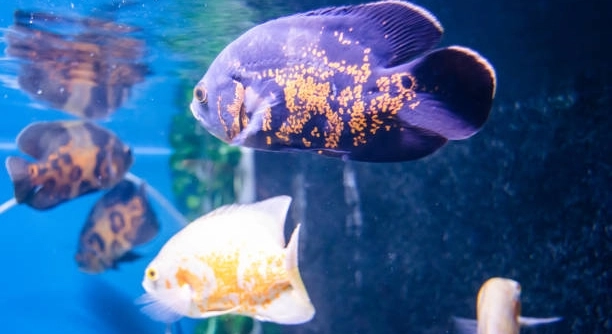
Oscar fish are known for their vibrant colors and strong personalities, making them a favorite among aquarium enthusiasts. However, as they age, they can show signs of getting older. Understanding these signs can help you care for your fish better.
Oscar fish typically show various signs as they age, including changes in color, behavior, and overall health. These signs can help you understand how your fish is coping with the effects of aging and whether adjustments in care are needed.
Monitoring your Oscar fish’s behavior and health is essential for ensuring they live a happy life. Knowing when they start showing signs of aging can help you adapt their care accordingly.
1. Dull or Faded Colors
As your Oscar fish ages, you might notice a change in its color. Young Oscars are bright and vivid, but older fish tend to lose some of that vibrancy. The deep, intense hues may fade, and some spots may look dull or even discolored. This is completely normal, as the pigments in their skin may not be as strong over time.
However, if the fading seems sudden or extreme, it might be an indication of an underlying issue, such as stress, illness, or poor water conditions. Older fish often become less resilient to changes in their environment, which can lead to color changes. Additionally, Oscars naturally lose their shine with age, but it shouldn’t happen too quickly.
If your Oscar’s colors have dulled but it’s otherwise active and eating well, it’s likely just a sign of aging. However, if your fish is sluggish or not eating, it may be time to check its tank conditions or consider a visit to a vet.
2. Slower Movement and Less Activity
Older Oscars tend to be less active than younger ones. As they age, they may spend more time resting at the bottom of the tank or swimming slowly around their territory. While this behavior might look worrying, it is usually a result of natural aging.
This shift in activity can be due to several factors. As they get older, their metabolism slows down, and they may have less energy. They might also develop joint stiffness or other age-related health issues that affect movement. It’s important to monitor their tank environment and ensure that the water is clean and properly maintained, as poor conditions can exacerbate sluggish behavior.
Despite this reduced activity, older Oscars still need mental stimulation and space to roam. You can encourage movement by adding hiding spots or plants that make the tank feel more interactive. Just remember, aging fish will move at a slower pace, and that’s perfectly normal.
3. Reduced Appetite
As your Oscar fish ages, you might notice a decrease in its appetite. Older Oscars can become pickier with food or simply eat less overall. This is a common sign of aging, and it’s often nothing to worry about.
However, if your Oscar is consistently refusing food, it could be a sign of illness or stress. Changes in appetite can be linked to water quality, so make sure to maintain proper filtration and water parameters. You may also want to try offering different types of food, as older fish sometimes prefer softer or more flavorful options.
It’s important to keep an eye on how much your fish is eating. If the loss of appetite continues for more than a few days, it’s a good idea to check the water and any potential health issues. Healthy Oscars should still eat regularly, even if it’s less than before.
4. Cloudy Eyes
Cloudy eyes are another sign that your Oscar is getting older. Over time, the lenses in their eyes can become cloudy, leading to a dull appearance. This can happen gradually, but it’s more noticeable as your Oscar ages.
In addition to being a natural aging process, cloudy eyes might indicate a potential health issue. It could be a sign of poor water conditions or an infection. If the cloudiness is severe or if your fish seems to be having trouble seeing, it’s important to check for possible underlying causes. Regular water changes and keeping the tank clean can help reduce the likelihood of eye issues.
While a small amount of cloudiness can be normal, sudden changes in vision should be addressed immediately. Keeping your fish’s tank environment stable and watching for other health signs will help them stay healthy as they age.
5. Lumps or Bumps on the Body
As Oscars get older, they may develop lumps or bumps on their body. These growths can appear in various forms and are often harmless, but they might indicate something more serious, like tumors or cysts. It’s important to keep an eye on any changes.
If the lumps or bumps are soft, they may be harmless fatty deposits. However, if they are hard or grow rapidly, it’s worth consulting a vet. Older fish are more susceptible to health issues, so any unusual growths should not be ignored. A professional opinion can help determine whether they are concerning.
Watching for other signs of distress, such as changes in behavior or appetite, will help in evaluating the situation. Many older fish will develop these growths, but taking prompt action can help ensure they’re not signs of serious health problems.
6. Breathing Changes
As your Oscar ages, it might start breathing more heavily or rapidly. This could be a sign of aging, but it could also be a sign of respiratory issues like gill damage or infection. Observing how your fish breathes is important for catching potential problems early.
Heavy breathing can also be caused by poor water quality or insufficient filtration. Regular water changes and maintaining proper oxygen levels can help prevent this issue. If the breathing remains abnormal, it’s wise to check the water parameters and consider a vet’s advice.
FAQ
How long do Oscar fish live?
Oscar fish typically live between 10 to 15 years in captivity, though some may live longer with the right care. Their lifespan can be influenced by factors such as water quality, diet, tank size, and genetics. Ensuring a clean tank, regular water changes, and a balanced diet can help maximize their lifespan.
What is the best diet for an older Oscar fish?
As your Oscar fish ages, it may become less active, requiring fewer calories. It’s best to feed them high-quality pellets, supplemented with live or frozen food like bloodworms, brine shrimp, or earthworms. Softening their food may also help, as older fish sometimes struggle with harder pellets. Make sure to feed them in moderation to avoid overfeeding, which can lead to health issues.
Is it normal for my Oscar fish to lose its appetite?
Yes, it’s normal for Oscar fish to eat less as they get older. However, a sudden or drastic loss of appetite might indicate an underlying health problem. Stress, poor water conditions, or even a change in diet can all affect their appetite. If the loss of appetite persists, it’s worth checking the tank’s water quality and observing any other signs of illness.
How can I improve the water quality for an aging Oscar fish?
Maintaining good water quality is especially important for older Oscar fish. You should change 25% to 30% of the water every week to keep it clean and free from toxins. Regularly check for ammonia, nitrites, and nitrates in the water, as high levels can stress your fish. Additionally, make sure the filtration system is running efficiently to keep the water oxygenated and clear.
What are the common signs of stress in older Oscar fish?
Stress in older Oscar fish can manifest in several ways. You may notice reduced activity, a change in coloration, or unusual swimming patterns. Stress can also cause your fish to hide more often or stop eating. Poor water conditions, aggressive tank mates, or sudden changes in the environment can all contribute to stress. It’s important to maintain a stable and comfortable tank environment to keep your Oscar calm.
Should I remove sick fish from my tank if my Oscar shows signs of illness?
Yes, if you notice that your Oscar or any other tank mate is showing signs of illness, it’s a good idea to quarantine the sick fish in a separate tank. This will prevent the spread of any potential disease to other fish. Always monitor your fish closely and take note of any changes in behavior, as older Oscars can be more susceptible to illnesses.
How do I know if my Oscar fish is in pain?
Oscar fish, like most fish, are good at hiding pain, but there are some signs you can watch for. If your Oscar is swimming erratically, rubbing its body against tank decorations, or staying near the surface, it might be in discomfort. Decreased appetite, lethargy, or abnormal behavior are also signs that your fish could be experiencing pain. In such cases, consulting with a vet who specializes in fish is recommended.
Can Oscar fish become aggressive as they age?
Oscar fish are known for their territorial and aggressive behavior, and this can sometimes become more noticeable as they age. They may become more protective of their space and less tolerant of other tank mates. If you have other fish in the tank, it’s important to ensure that they are compatible and that there’s enough space to minimize stress and aggression.
Is it possible for an older Oscar fish to stop eating entirely?
While older Oscar fish may eat less, they should not stop eating completely. If your fish stops eating for an extended period, it could be a sign of illness, stress, or water quality issues. Be sure to check the water and the tank environment. If the problem persists, consulting a veterinarian is recommended to rule out any serious health issues.
What temperature should I keep the water at for an older Oscar fish?
Oscar fish thrive in water temperatures between 75°F and 80°F (24°C to 27°C). Keeping the water temperature within this range is especially important for older Oscars, as they can become more sensitive to fluctuations in temperature. A consistent temperature helps them maintain healthy metabolic function, which is vital as they age.
How do I help my Oscar fish with cloudy eyes?
Cloudy eyes can be a sign of aging, but they may also indicate an infection or poor water quality. To help your Oscar, ensure that the water in its tank is clean and that the filtration system is working properly. You can also use aquarium salt or an antibiotic if an infection is suspected. If the cloudiness persists, consider consulting with a fish vet for a more accurate diagnosis and treatment.
Can I keep an Oscar fish with other fish as it gets older?
As your Oscar ages, it may become more aggressive, making it harder to keep with other fish. However, some tank mates can still coexist peacefully, like large, non-aggressive species. It’s important to monitor interactions and ensure that all fish in the tank have enough space to avoid territorial disputes. If aggression becomes an issue, you may need to separate your Oscar from other fish.
What size tank does my Oscar need as it ages?
As Oscars grow, they require larger tanks to stay healthy. An adult Oscar fish typically needs a tank of at least 75 gallons, but a larger tank is preferable, especially as they age. A spacious tank will provide more room to swim and reduce stress, which is important for their overall well-being. Make sure the tank has a strong filtration system to handle the waste produced by a large fish.
How often should I clean my tank for an older Oscar fish?
For older Oscar fish, regular maintenance is essential. Clean the tank by doing partial water changes (25-30%) every week to maintain water quality. It’s also important to clean the substrate, filter, and decorations to prevent the build-up of harmful bacteria or waste. Keeping the tank clean can help prevent health issues and reduce stress for your fish.
Final Thoughts
Caring for an aging Oscar fish requires understanding how their needs change over time. As your fish gets older, you’ll notice physical and behavioral changes, some of which may be expected, while others may require attention. Reduced activity, a dulling of colors, and slower movement are all normal signs of aging. However, it’s important to remain vigilant about other signs, such as changes in appetite or breathing, as these could indicate underlying health issues. Regularly observing your Oscar will help you notice any changes early, which can prevent potential problems from becoming more serious.
Maintaining a clean and stable environment is crucial as your Oscar ages. Older fish are more sensitive to poor water conditions, so frequent water changes and proper filtration are essential. Ensuring the water temperature is consistent and monitoring the tank’s pH levels can also make a significant difference in your fish’s overall health. Providing a healthy and balanced diet, along with offering soft, easy-to-eat food, can support your Oscar’s aging body. Keeping an eye on their eating habits will help you detect any issues with digestion or appetite, which are common as they get older.
While caring for an older Oscar fish can present new challenges, it can also be a rewarding experience. By staying on top of their needs and making adjustments as they age, you can ensure they continue to live comfortably and happily in your tank. Regular checkups, maintaining proper water conditions, and offering a suitable diet will all contribute to a better quality of life for your Oscar. With the right care, your Oscar can continue to be a vibrant and engaging companion for many years to come.

Hello,
If you enjoy the content that we create, please consider saying a "Thank You!" by leaving a tip.
Every little bit helps us continue crafting quality advice that supports the health, happiness, and well-being of pets around the world, for pets of all shapes, sizes, and species.
We really appreciate the kindness and support that you show us!