
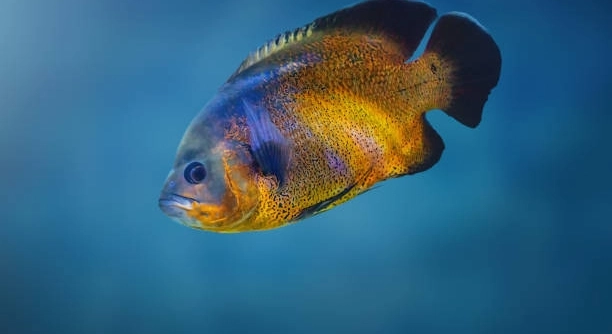
Oscar fish, also known as Astronotus ocellatus, are fascinating creatures often kept as pets in aquariums. Understanding their behaviors can be intriguing, especially when it comes to their sleep patterns. Do you wonder if these fish follow regular sleep cycles?
Oscar fish do not have typical sleep patterns like mammals. They exhibit periods of rest but do not enter a deep sleep state. Their activity tends to slow down during the night, and they may rest in a quiet, still position, though they remain alert.
Their behavior at night is influenced by various environmental factors. Understanding their rest cycles will help ensure a healthier and more comfortable environment for your Oscar fish.
How Do Oscar Fish Rest?
Oscar fish typically rest at night, but their rest is not the same as sleep for mammals. While they don’t enter a deep sleep state, they do slow down and become less active. At night, they usually find a quiet spot in the tank where they remain still, conserving energy. These fish are still alert to movement or any disturbances, even during these rest periods. Their resting behavior is often a natural part of their biological cycle, helping them recharge for the next day. In captivity, ensuring a calm environment will help them rest better.
Their behavior at night often includes floating or resting near the bottom of the tank. They might occasionally adjust their position but usually stay in one area. Keeping the tank peaceful and avoiding sudden changes in lighting or noise will help them maintain their natural rhythms.
Oscar fish may appear sleepy but remain partially aware of their surroundings. They rest for periods but do not enter a deep sleep like humans or some other animals. Their “sleep” is often lighter, more alert, and adaptive to their environment. Over time, you may notice specific patterns that match their natural circadian rhythms. This lighter sleep pattern is not a problem but a feature of how they function. Understanding how your Oscar fish rest can help create the best environment for them in your home aquarium. Their need for quiet time is essential to their well-being, so try to keep distractions to a minimum, especially at night.
The Impact of Lighting on Their Sleep Patterns
Lighting plays an essential role in regulating Oscar fish’s rest periods. They naturally adjust to day and night cycles based on light. Overexposure to artificial light or sudden changes can disrupt their resting habits.
Oscars rely on natural light to understand the time of day. In captivity, light should be controlled to mimic natural day-night cycles. This regularity helps them feel secure and promotes healthy resting behaviors. If lights stay on too long, it can confuse them and prevent adequate rest, affecting their overall health.
The Role of Tank Environment in Oscar Fish Resting
The environment where your Oscar fish live plays a major role in their ability to rest. They prefer a calm, quiet setting to feel secure enough to relax. Tank size, decorations, and water quality all contribute to their comfort and their ability to rest effectively.
A well-maintained tank, with plenty of space for the Oscar to move around, is crucial for its overall health. If the tank is overcrowded or lacks hiding spots, the fish might become stressed and unable to rest properly. Stress can lead to erratic behavior and a compromised immune system. It’s important to ensure the water quality is stable, as dirty water can also affect their resting periods. Regular water changes and appropriate filtration will help keep your Oscar fish happy and healthy, giving them the best chance to rest when needed.
Tank decorations are another key element. Oscar fish enjoy having places to hide or settle, so adding some rocks, plants, or caves will give them safe spots where they can rest. This will not only help with their sleep-like behavior but also reduce stress levels in the tank. A peaceful, well-maintained tank will help your Oscar feel more secure, allowing them to rest and regain energy for the next day. In the wild, they would have natural shelters to retreat to, so providing a similar environment in captivity is important for their well-being.
Feeding Schedules and Their Impact on Rest
When and how often you feed your Oscar fish can affect its resting patterns. Overfeeding or feeding them too frequently can disrupt their rest cycle, leading to inactivity during the day or even digestive problems. Having a consistent feeding schedule is essential for maintaining a healthy routine.
Oscars are opportunistic feeders, which means they tend to eat whenever food is available. If you feed them too much or too often, they might stay active longer than necessary, which can interrupt their rest periods. This could also lead to obesity and other health problems, making it harder for them to sleep properly. A good rule of thumb is to feed your Oscar fish twice a day and only give them as much food as they can consume in about five minutes. This will ensure they get the nutrients they need without overfeeding them.
Creating a consistent feeding schedule is equally important. Try to feed your Oscar fish at the same times each day to help them establish a routine. This helps regulate their metabolism and sleep cycle. Additionally, avoid feeding them late in the evening, as it could keep them active during their natural rest time. By managing their feeding habits, you’re supporting both their physical and mental well-being, promoting a healthy, restful state.
Oscar Fish and Tank Lighting Cycles
Lighting is one of the most important factors influencing the rest cycle of Oscar fish. They rely on natural light patterns to understand day and night. Maintaining a consistent light schedule helps them feel secure and establish a healthy rest pattern.
Oscars are used to the rhythms of dawn and dusk. In captivity, it’s crucial to mimic this natural cycle with a set lighting schedule. A 12-hour light and dark cycle is ideal for most aquarium fish, including Oscars. You should avoid leaving lights on continuously or using bright, harsh lights for long periods. Sudden changes in lighting can disrupt their biological clock, preventing them from getting adequate rest.
Using a timer for your aquarium lights can help regulate the lighting cycles. This ensures that your Oscar fish have a clear sense of day and night. It also helps reduce the stress caused by erratic lighting. If you want to create a natural ambiance, you can also use soft, dim lighting during the night to simulate moonlight. This will encourage your fish to rest peacefully and maintain their natural rhythms, improving their overall health and behavior. Proper lighting gives your Oscar fish the comfort and stability they need for a good rest cycle.
Signs of Stress Affecting Rest
Stress in Oscar fish can affect their ability to rest properly. Signs like erratic swimming, loss of appetite, or hiding for long periods can indicate that your fish is feeling stressed. These behaviors may disrupt their natural rest cycle, making it harder for them to relax.
Stress can be caused by a number of factors such as overcrowding, sudden changes in water temperature, or an inappropriate tank setup. Keeping the water clean, ensuring the tank is properly sized, and avoiding aggressive tank mates will help reduce stress. When your Oscar is stressed, its rest cycle becomes erratic, making it harder for them to relax and recharge.
The Importance of Water Quality for Rest
Water quality is essential for Oscar fish’s overall well-being and their ability to rest. Poor water quality can lead to stress, which in turn disrupts their rest patterns. Regular water testing and maintenance can prevent this from happening.
Maintaining stable water parameters is key to ensuring your Oscar fish has a healthy environment to sleep and rest. Make sure the pH, ammonia, nitrites, and nitrates levels are within the acceptable range. Regular water changes and proper filtration will ensure a clean and safe environment, promoting better sleep.
Tank Size and Resting Behavior
A properly sized tank is crucial for Oscar fish to feel comfortable and rest. A cramped space can lead to stress, impacting their sleep-like behavior. Aim for a tank that provides enough space for them to swim and rest peacefully.
FAQ
Do Oscar fish sleep in the same way humans do?
Oscar fish do not sleep in the same way humans do. They do rest, but their sleep is light and intermittent. Unlike mammals, they don’t enter a deep sleep stage. Instead, they slow down during the night and become less active, but they remain alert to their surroundings. This type of resting helps them conserve energy while still being aware of any potential threats or disturbances in their environment. Their rest cycles are often determined by the light and dark periods in their tank, much like the natural day-night cycle in the wild.
How can I tell if my Oscar fish is resting or sick?
It can be tricky to tell whether your Oscar is simply resting or showing signs of illness. Resting Oscars tend to stay in one spot or hover near the bottom of the tank without much movement. If your Oscar is showing signs like loss of appetite, staying at the bottom of the tank for extended periods, or showing abnormal swimming behavior, it might indicate a health issue. Other signs of illness could include bloating, discoloration, or irregular breathing patterns. Always monitor their activity levels and behaviors to distinguish between normal resting and illness.
Why is my Oscar fish always hiding?
If your Oscar is spending too much time hiding, it could be a sign of stress or discomfort in its environment. Oscars may hide when they feel threatened, either by aggressive tank mates, changes in water conditions, or too much noise. It could also be a result of overcrowding, insufficient hiding spots, or poor water quality. Try to assess the conditions of the tank. Adding more hiding spots or rearranging decorations may give your Oscar a sense of security. If the behavior continues, ensure that water parameters are correct and check for any potential illnesses or stress factors.
Do Oscar fish need a dark period to sleep?
Yes, Oscar fish benefit from having a dark period for rest. Like most fish, they follow a natural circadian rhythm that involves periods of light and darkness. Maintaining a consistent light cycle, with about 12 hours of light and 12 hours of darkness, helps regulate their rest periods. Overexposure to light can disrupt their biological clock, making it harder for them to rest properly. It’s important to mimic the natural light conditions as much as possible, so using a timer for the aquarium lights can help provide a steady day-night cycle.
How often should I feed my Oscar fish to avoid disrupting their rest?
Oscar fish should be fed twice a day, with portions small enough for them to finish in about five minutes. Overfeeding or feeding too late in the evening can interfere with their resting periods. If you feed them too much, they might stay active longer to digest their food, which can disrupt their natural resting cycle. It’s best to feed them during daylight hours, with a routine feeding schedule that aligns with their natural behaviors. A regular feeding time helps establish a routine that can support their circadian rhythm and allow them to rest properly.
Can a noisy environment affect my Oscar fish’s rest?
Yes, Oscar fish are sensitive to their environment, and a noisy or chaotic tank can affect their ability to rest. Sudden noises or disturbances in the room can cause stress, which can lead to disrupted sleep patterns. Oscar fish tend to be more alert when they sense movement or sound in their environment. To create a more restful environment, avoid making loud noises around the tank, and keep the tank in a quiet location. If there are other pets or people causing disturbances, consider moving the tank to a calmer spot to help your fish feel more secure.
Should I be concerned if my Oscar fish stays at the bottom of the tank all the time?
If your Oscar is consistently staying at the bottom of the tank, it could be a sign of stress, illness, or poor water quality. Oscars do sometimes rest at the bottom, but if they do so for extended periods or refuse to move, it could indicate a problem. Check the water parameters to make sure the pH, temperature, and ammonia levels are all within safe ranges. If the environment is healthy and the fish is still inactive, it might be worth observing for signs of illness, such as lethargy, loss of appetite, or abnormal behavior. If the situation doesn’t improve, consider consulting a vet or an aquarium expert.
What should I do if my Oscar fish is overly aggressive and not resting?
Aggression in Oscar fish can prevent them from getting proper rest. Oscars are known for their territorial behavior, and if they feel threatened or crowded, they may act out aggressively, preventing relaxation. To reduce aggression, consider the tank size and the number of other fish in the tank. Oscars do best when they have enough space to establish their own territory. If aggression is an issue, try rearranging tank decorations or providing more hiding spots. In some cases, keeping Oscars alone in their own tank might be the best option for their well-being.
Does water temperature affect how much my Oscar rests?
Water temperature plays a key role in your Oscar fish’s activity levels. If the water is too cold, Oscars will become sluggish, and if it’s too warm, they may become stressed and more active than usual. The ideal temperature for Oscars is between 74°F and 81°F (23°C to 27°C). If the water temperature fluctuates outside of this range, it can cause stress and disrupt their rest cycles. Using a reliable aquarium heater and thermometer will help maintain stable water conditions, ensuring your Oscar fish can rest comfortably.
Can lighting affect my Oscar fish’s sleep patterns?
Yes, lighting can have a significant impact on your Oscar fish’s rest patterns. Oscars, like other fish, rely on natural light cues to regulate their sleep-wake cycles. If they are exposed to constant light or sudden changes in lighting, it can disrupt their biological rhythms. To ensure your Oscar gets enough rest, keep the lighting in the tank on a consistent schedule, with around 12 hours of light and 12 hours of darkness. Using a timer for your tank lights can help create a natural day-night cycle and improve your Oscar’s sleep quality.
Final Thoughts
Oscar fish are unique in how they rest compared to mammals. While they don’t sleep like humans or other animals, they do have periods of rest. Understanding their behavior and needs helps provide the right environment for them. Oscars require a balance of calm, consistency, and proper care to thrive. Their ability to rest properly is influenced by factors like tank size, water quality, and lighting, as well as their diet and interactions with other tank mates. A peaceful environment with a consistent light cycle helps them maintain their natural rest pattern, which is essential for their health.
Taking the time to monitor and adjust the conditions in the tank can make a big difference in how well your Oscar fish rest. Stress, overcrowding, and poor water quality can interfere with their ability to relax, so it’s important to keep their living space clean and spacious. Adding hiding spots and ensuring they are not disturbed by loud noises or aggressive tank mates will help them feel secure and allow them to rest. Regular water changes, stable water temperature, and a good feeding routine also support their well-being and restful behaviors. Being aware of these factors can lead to a healthier and more comfortable life for your Oscar fish.
In the end, knowing how Oscar fish rest and understanding their natural rhythms can help you create a better living environment for them. While they don’t sleep the same way we do, they still need periods of quiet and relaxation to stay healthy. With the right care and attention, you can ensure your Oscar has the best chance to rest and feel secure in their home. By following a consistent routine and keeping their tank conditions optimal, your Oscar will be able to rest peacefully and lead a happy, healthy life.

Hello,
If you enjoy the content that we create, please consider saying a "Thank You!" by leaving a tip.
Every little bit helps us continue crafting quality advice that supports the health, happiness, and well-being of pets around the world, for pets of all shapes, sizes, and species.
We really appreciate the kindness and support that you show us!