
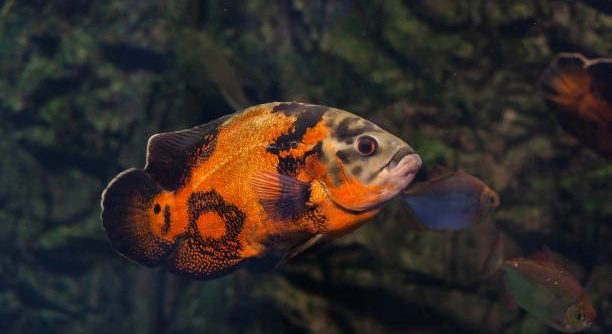
Oscar fish are known for their active and curious nature. However, when they act fearful or stressed, it can be concerning for their owners. Understanding the root causes of this behavior is important for their well-being.
Oscar fish may exhibit fearful behavior due to a variety of factors, including changes in their environment, tank mates, water quality, or health issues. Stressors like sudden movements, loud noises, or poor water conditions can also trigger this reaction.
Identifying these triggers is key to resolving the issue. Taking action to ensure a calm, healthy environment will help restore your Oscar fish’s confidence.
Changes in the Environment
One of the most common reasons Oscar fish act fearful is a sudden change in their environment. This can include moving to a new tank, rearranging tank decorations, or even adding new equipment. Fish thrive on consistency, and any disruption in their surroundings can make them feel unsafe. It’s also important to note that drastic changes in lighting or water temperature can contribute to stress.
When adjusting the setup, it’s best to do so gradually. Fish need time to acclimate to any changes, and sudden shifts can overwhelm them. Always monitor their behavior during these transitions to ensure they are not under too much stress.
Oscars are also sensitive to the presence of other creatures in their environment. If new fish or tank mates are introduced suddenly, it can cause fear or territorial behavior. Introducing new fish slowly and keeping the tank well-maintained will help reduce the fear factor.
Water Quality Matters
Water quality plays a significant role in your Oscar’s behavior. Poor water conditions can cause stress, leading to fearful reactions. It’s essential to regularly test your tank’s water for ammonia, nitrites, and nitrates. High levels of these can irritate your fish, making them feel uneasy.
Maintaining a stable water temperature between 74-81°F and ensuring proper filtration is key. Clean water contributes to healthier, less stressed fish. Keeping the pH levels in check and performing regular water changes will help maintain a safe environment for your Oscar to feel secure.
By ensuring water quality is optimal, you create a stable, comfortable space for your fish to thrive. Regular tank maintenance will help prevent issues that may make your Oscar fish act fearful.
Stress from Tank Mates
Oscar fish can become fearful when they feel threatened by other fish in the tank. Aggressive tank mates or larger fish that invade their space can cause stress. Oscars are territorial and may act defensively if they feel their territory is being challenged.
It’s important to carefully choose tank mates for your Oscar. Some species, like smaller fish or those that are overly active, may provoke a fearful reaction. Also, overcrowding can add to the stress, as Oscars need space to swim comfortably. Always ensure there is enough room and that tank mates are compatible with your Oscar’s temperament.
Monitoring the interactions between your Oscar and other tank mates will help identify any signs of stress. If aggression or fear is noticed, consider rearranging the tank or separating incompatible fish to give your Oscar a break from the stressors.
Sudden Movements or Loud Noises
Oscars are sensitive to sudden movements and loud noises. Quick movements around the tank, especially near feeding time, can startle them. Similarly, loud noises from outside the tank can cause them to feel unsafe.
If you have a busy household or a noisy environment, your Oscar may become easily frightened. Try to maintain a calm environment around the tank. Avoid tapping on the glass or making sudden movements that could disrupt the peace. Reducing the noise levels in the room can also help them feel more secure.
Creating a quiet, calm atmosphere will encourage your Oscar to relax and swim more confidently. In some cases, simply lowering the noise around their environment can reduce the stress and fearful behavior.
Illness or Injury
Oscar fish may act fearful if they are feeling unwell or are injured. Health problems such as parasites, infections, or internal issues can cause them to behave unusually. They may hide or swim erratically when in pain or discomfort.
It’s essential to watch for signs of illness, like discoloration, swelling, or abnormal swimming patterns. If you notice these symptoms, it’s best to isolate the fish and treat them as soon as possible. Ensuring your Oscar is healthy will help reduce any fear caused by physical distress.
Taking care of your Oscar’s health is key to preventing fear-based behavior. Regularly checking for injuries and signs of illness will keep your fish happy and secure.
Overcrowding in the Tank
Overcrowding can lead to a stressful environment for your Oscar fish. When there’s not enough space, it can make them feel trapped, increasing their fear and anxiety. Oscars need plenty of room to swim freely.
If you have too many fish in the tank, it can cause territorial disputes and limit your Oscar’s ability to feel safe. This leads to stress and, in turn, fearful behavior. Ensuring there is enough space for each fish can help reduce aggression and anxiety.
Keeping a well-balanced number of fish will make the tank a peaceful environment, allowing your Oscar to thrive without feeling overwhelmed.
Tank Maintenance
Poor tank maintenance can also be a factor in fearful behavior. If the water is murky, unclean, or the filtration system is not working properly, your Oscar may feel uncomfortable. Maintaining a clean tank is essential for reducing stress.
Regular cleaning and water changes will keep the tank healthy. Check your filters regularly and ensure that the water is properly oxygenated. Dirty water can contribute to poor health and cause fear. Keeping the tank environment clean is a simple but effective way to reduce stress.
FAQ
Why is my Oscar fish hiding?
Hiding is often a sign of stress or discomfort. Your Oscar may be trying to avoid perceived threats, such as other tank mates, loud noises, or sudden movements. It can also indicate that the fish is feeling unwell or stressed by poor water quality. Ensure your tank conditions are stable, and check for any signs of illness. If you notice that hiding continues for a long period, consider reducing stressors like overcrowding or aggressive tank mates.
How can I reduce stress for my Oscar fish?
To reduce stress, make sure the tank is in a quiet and calm area. Keep the water quality at optimal levels by regularly checking temperature, pH, ammonia, nitrites, and nitrates. Avoid making sudden movements around the tank and reduce noise, as Oscars can be startled easily. Also, make sure your tank isn’t overcrowded and that your Oscar has plenty of space. Providing hiding spots or decorations can also help your Oscar feel more secure.
What is the ideal tank size for an Oscar fish?
Oscar fish grow large and require ample space to swim. A single Oscar needs at least a 55-gallon tank, but bigger is always better. As they grow, they need more room. If you plan on having more than one, consider going up to 75 or 100 gallons. Providing enough space will help your Oscar feel secure and reduce stress from overcrowding.
Can Oscars get along with other fish?
Oscars are territorial and may not always get along with other fish, especially if they are introduced suddenly. They can be aggressive, particularly if they feel their space is being invaded. If you decide to add tank mates, choose species that are similar in size and temperament. Avoid small or slow-moving fish, as they may become targets for aggression. Always monitor interactions carefully and be prepared to separate them if necessary.
Why does my Oscar fish have cloudy eyes?
Cloudy eyes in Oscar fish can be a sign of an infection or poor water quality. It may be caused by bacterial or fungal infections, or even physical damage. Check the water parameters to ensure they are within the proper range and perform water changes if necessary. If the cloudy eyes persist, it’s best to isolate your Oscar and consult with a veterinarian for proper treatment.
How often should I feed my Oscar fish?
Oscar fish are carnivores and typically require feeding once or twice a day. It’s important not to overfeed, as this can lead to water quality issues. Offer them high-quality pellets, frozen foods, or live foods like shrimp and small fish. Adjust the feeding frequency based on their size and activity level. Remove any uneaten food after a few minutes to prevent it from decomposing in the tank.
Why is my Oscar fish swimming upside down?
If your Oscar is swimming upside down, it could be a sign of a swim bladder disorder, which affects the fish’s buoyancy. This condition may occur due to injury, constipation, or poor water quality. Ensure that the water parameters are correct and consider offering foods that promote digestion. If the issue persists, a trip to a vet who specializes in fish may be necessary for proper diagnosis and treatment.
Can I keep an Oscar fish with other species in a community tank?
Oscars are not always ideal for community tanks due to their aggressive nature. They can be territorial and may not get along with smaller or slower-moving fish. However, if you choose tank mates carefully—such as other large, hardy fish—you may be able to create a peaceful environment. Always monitor their behavior and be prepared to separate fish if necessary.
How do I know if my Oscar is healthy?
A healthy Oscar will have clear eyes, smooth skin, and vibrant colors. They should swim actively, eat well, and have a strong appetite. If your Oscar becomes lethargic, refuses to eat, or displays abnormal swimming behavior, it may be a sign of illness. Check the water quality and look for any external signs like discoloration or lesions. Early detection of health issues will help you address them quickly.
What are common signs of illness in Oscars?
Common signs of illness in Oscar fish include abnormal swimming patterns, lack of appetite, faded colors, swollen body, or visible wounds. You may also notice rapid gill movement, rubbing against objects, or cloudy eyes. If any of these symptoms appear, it’s important to investigate the water quality and isolate the affected fish to prevent spreading potential infections.
How long do Oscar fish live?
Oscar fish typically live between 10 to 15 years when provided with proper care. Their lifespan can vary depending on water quality, tank conditions, and overall health. Regular maintenance, good diet, and a stress-free environment will contribute to a longer, healthier life for your Oscar.
Final Thoughts
Understanding why your Oscar fish is acting fearful is crucial to ensuring its well-being. Fearful behavior can stem from various factors such as stress, poor water quality, overcrowding, or incompatible tank mates. By observing your fish closely and addressing these concerns, you can help create a more comfortable environment for it. This will reduce stress and allow your Oscar to live a healthier, happier life.
Taking steps like adjusting the tank size, ensuring proper water conditions, and reducing noise and sudden movements can make a big difference. Oscars need a stable and calm environment to feel secure. Regularly monitoring their health, behavior, and tank conditions can help you spot any issues before they become serious. This proactive approach will also prevent unnecessary stress and fear that may arise from an unstable environment.
In the end, an Oscar’s fear is often a signal that something in its environment isn’t right. Addressing potential problems early on will ensure your fish thrives for many years. Whether it’s adjusting tank mates, improving water quality, or providing a more peaceful habitat, making these changes can greatly improve your Oscar’s quality of life. By taking good care of them, your Oscar can overcome fear and grow into a happy, vibrant fish.

Hello,
If you enjoy the content that we create, please consider saying a "Thank You!" by leaving a tip.
Every little bit helps us continue crafting quality advice that supports the health, happiness, and well-being of pets around the world, for pets of all shapes, sizes, and species.
We really appreciate the kindness and support that you show us!