
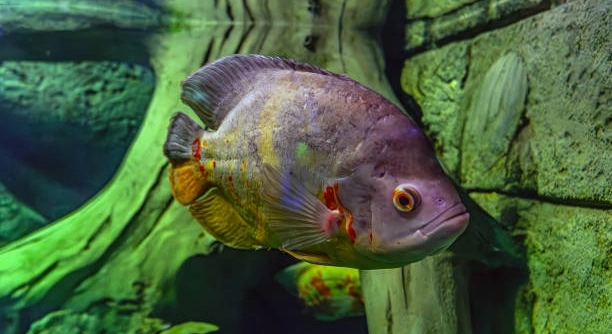
Oscar fish are known for their resilient nature, but even the strongest immune systems can show signs of weakness. Observing their health closely is essential for maintaining their well-being and preventing further complications.
Weak immune systems in Oscar fish are typically indicated by abnormal behavior, such as lethargy, loss of appetite, discoloration, or visible lesions. These signs often point to underlying health issues, such as infections or improper water conditions.
Identifying these warning signs early can help you take action and improve your Oscar’s health. Understanding these signs ensures their long-term well-being and a healthier environment.
1. Unusual Swimming Patterns and Behavior
Oscars are typically active and curious, but a weak immune system can cause noticeable behavior changes. If your Oscar is spending too much time at the bottom of the tank or swimming erratically, it might be a sign of illness. Other signs include clamped fins or an unwillingness to interact with its surroundings. When these behaviors persist, it’s important to investigate the underlying cause. A weak immune system makes your Oscar more susceptible to infections and diseases, leading to abnormal behavior.
Behavioral changes can also be a result of stress, which further weakens the immune system. Poor water quality, overcrowding, or sudden temperature fluctuations can all contribute to stress. Keeping the environment stable and clean is key to supporting your Oscar’s health. Regular water testing and monitoring will help keep harmful bacteria or parasites in check, ensuring a stronger immune system.
Ignoring these signs could lead to more serious health issues. Acting quickly by adjusting their environment can improve your Oscar’s behavior and overall health.
2. Loss of Appetite and Weight
A lack of appetite is often a red flag when it comes to Oscars. It could indicate that your fish is struggling with an infection or is too weak to eat.
Loss of appetite directly affects your Oscar’s health, as it leads to weight loss and overall weakness. Oscars are generally known to have a hearty appetite, so any significant change in feeding behavior is worth paying attention to. Without proper nutrition, their immune system will continue to deteriorate.
3. Discoloration or Faded Color
Oscars are known for their vibrant colors, but a weak immune system can cause their colors to fade. If you notice your Oscar losing its usual brightness or developing pale patches, it’s a clear indicator of stress or illness.
Faded color could be a result of poor water conditions or an underlying infection. It can also signal a nutrient deficiency, which weakens the fish’s immune system. If you observe discoloration alongside other signs like lethargy or abnormal swimming patterns, it’s important to address the issue immediately. Healthy water conditions and a balanced diet are essential for maintaining their color and overall health.
In some cases, faded color might also be linked to stress or an unbalanced tank environment. Ensuring that your Oscar has enough space, a proper filtration system, and appropriate tank mates can significantly improve their appearance and health. Keeping a stable, stress-free environment is key to a vibrant Oscar.
4. Visible Lesions or Sores
Visible sores or lesions on an Oscar’s body are concerning signs of infection or a weakened immune system. These wounds might appear as bumps, ulcers, or open sores that can be caused by bacteria, parasites, or poor water quality.
If your Oscar develops visible lesions, it is crucial to monitor water quality immediately. Low oxygen levels, high ammonia, or nitrates in the water can lead to stress and lower the fish’s immune defenses. Infected lesions may also spread, so it’s important to isolate the fish if necessary and seek advice on treating the infection.
Proper tank maintenance and frequent water changes will help reduce the risk of infection. Additionally, keeping the Oscar’s diet nutritious and balanced can boost its immune system, reducing the likelihood of developing sores in the future. Taking quick action at the first signs of lesions is crucial for preventing further complications.
5. Cloudy or Bulging Eyes
Cloudy or bulging eyes can be a sign that an Oscar’s immune system is compromised. If your fish’s eyes appear swollen or cloudy, it could indicate an infection or injury. These issues often affect the fish’s vision, leading to difficulty navigating the tank.
Infections such as Popeye disease can cause eye bulging and often occur when the immune system is weakened. Poor water conditions or bacterial infections may be the root cause. If left untreated, it can lead to more severe damage, affecting your Oscar’s overall health.
Maintaining water quality is crucial in preventing these conditions. Regular water changes, proper filtration, and keeping the tank clean will reduce the risk of eye-related issues. If you notice any changes, isolating your Oscar for treatment will help prevent further complications.
6. Labored Breathing
Oscars with weakened immune systems may exhibit signs of labored breathing. If your fish is gasping at the surface or breathing rapidly, it’s a clear sign of stress or illness.
Labored breathing can be caused by poor water oxygenation, infections, or parasites that affect the gills. Monitoring water temperature and ensuring good filtration are key to maintaining healthy breathing patterns. When the immune system is compromised, the Oscar may struggle to process oxygen properly, leading to noticeable breathing issues.
7. Unexplained Weight Loss
Unexplained weight loss is another warning sign of a weak immune system. If your Oscar is noticeably thinner despite eating, this could indicate a health issue like internal parasites or bacterial infection.
FAQ
What are the common causes of a weakened immune system in Oscars?
A weakened immune system in Oscars is often caused by poor water conditions, stress, or poor nutrition. High ammonia or nitrate levels, incorrect pH, and fluctuating water temperatures can compromise the immune system. Stress from overcrowding, aggressive tankmates, or sudden changes in the tank environment can also weaken their defenses. Additionally, poor diet or a lack of essential nutrients, like vitamins and minerals, can leave Oscars more vulnerable to diseases.
How can I improve the water quality for my Oscar?
To improve the water quality for your Oscar, start by maintaining a regular water change schedule. Change 25-30% of the water every week to remove waste and toxins. Use a reliable filtration system to keep the water clean and ensure it’s properly aerated. Test the water regularly for ammonia, nitrate, nitrite, and pH levels, making adjustments as needed. A stable temperature between 74-81°F (23-27°C) is ideal for Oscars. Avoid overfeeding, as leftover food can pollute the water.
What is the best diet to boost my Oscar’s immune system?
A balanced diet is crucial for a healthy immune system. Oscars are carnivorous, so they need a diet rich in protein. High-quality pellets, live or frozen food like worms, shrimp, and fish, and occasional vegetable matter will help provide essential nutrients. Vitamin and mineral supplements can be beneficial, especially if your Oscar is recovering from an illness. Feed them in moderation, as overfeeding can lead to water quality issues, which will further stress the immune system.
How can I prevent stress in my Oscar fish?
Stress can weaken your Oscar’s immune system, so it’s important to minimize it. Ensure your tank is large enough for your Oscar to move comfortably—at least 55 gallons for a single fish. Provide plenty of hiding spots using decorations or plants to give them a sense of security. Avoid sudden changes in water temperature and water quality. Additionally, choose tankmates that are compatible with Oscars, as aggression from other fish can lead to chronic stress.
How can I recognize signs of infection in my Oscar?
Signs of infection in an Oscar include abnormal swimming behavior, lesions, cloudy eyes, or rapid breathing. If your Oscar is not eating, loses weight, or shows changes in coloration, it could be dealing with an infection. Fungus, bacteria, and parasites are common culprits, and prompt treatment is crucial to prevent further damage. Isolating the infected fish in a quarantine tank and seeking advice from an aquarium professional or vet is often necessary.
Can Oscars get internal parasites, and how do I treat them?
Yes, Oscars can get internal parasites, which can lead to weight loss, bloating, or a lack of appetite. Common internal parasites include roundworms and flagellates. Treatment typically involves using medications designed to treat internal parasites, available at pet stores or online. It’s important to follow the directions carefully and maintain good water quality to help your Oscar recover.
Is it necessary to quarantine new Oscar fish before adding them to the main tank?
Yes, quarantining new Oscar fish is recommended to prevent introducing diseases or parasites to your main tank. A separate quarantine tank allows you to monitor the new fish for any signs of illness before introducing them to your healthy tank. This can help prevent potential outbreaks and ensure your other fish remain healthy.
How can I tell if my Oscar’s fins are damaged?
Damaged fins often appear torn, ragged, or have visible holes. Oscars may also display signs of fin rot, where the fins appear frayed or discolored. Finned damage can be caused by aggression from other fish, poor water conditions, or infections. Providing plenty of hiding spaces and monitoring tankmates can reduce the risk of fin damage.
What should I do if my Oscar refuses to eat?
If your Oscar refuses to eat, it could be a sign of stress, illness, or poor water quality. First, check the water parameters and make necessary adjustments. If the water is fine, consider potential stressors such as tankmates or sudden changes. If refusal to eat continues for more than a few days, check for signs of illness like abnormal behavior or lesions, and consult a vet or aquarium expert.
Can I treat my Oscar with home remedies?
While there are some home remedies for minor issues, such as salt baths for external parasites, it’s important to be cautious. Home remedies are not always effective and could worsen the problem if not used properly. It’s often safer and more effective to use medications designed for fish diseases, following the instructions carefully. In cases of serious illness or persistent symptoms, seeking professional help is recommended.
Final Thoughts
Taking care of an Oscar requires attention to their health and environment. Their immune systems can be sensitive to changes in water quality, stress, and diet, making it essential to monitor their tank regularly. Regular water changes, a balanced diet, and proper tank maintenance can help keep your Oscar healthy and reduce the risk of infections or illnesses. By understanding the warning signs of a weakened immune system, you can take steps early to address any health concerns before they become serious.
Ensuring your Oscar has a stress-free environment is just as important as maintaining good water quality. Oscars are sensitive to their surroundings and can easily become stressed if their tank is overcrowded or if they’re kept with incompatible tankmates. Providing ample space and hiding spots will help them feel secure and reduce stress. Stress weakens their immune system and can make them more vulnerable to infections, so it’s crucial to keep their environment calm and stable. Taking proactive steps to prevent stress will improve their well-being and longevity.
Lastly, keeping a close eye on your Oscar’s behavior is key to detecting potential health issues. If you notice changes in their eating habits, appearance, or swimming patterns, it’s important to act quickly. Whether it’s consulting a vet or adjusting their environment, early intervention can make a significant difference in their recovery. By staying vigilant and taking care of their needs, you can ensure your Oscar thrives in a healthy and supportive environment.

Hello,
If you enjoy the content that we create, please consider saying a "Thank You!" by leaving a tip.
Every little bit helps us continue crafting quality advice that supports the health, happiness, and well-being of pets around the world, for pets of all shapes, sizes, and species.
We really appreciate the kindness and support that you show us!