
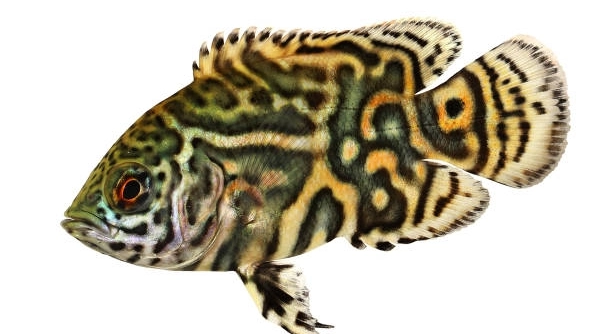
Oscar fish are known for their large size and active nature. As a result, providing them with ample space is crucial for their well-being. Many fish owners wonder whether these fish can feel confined in smaller environments.
Oscar fish are territorial and require enough space to thrive. Inadequate tank size can lead to stress and behavioral issues, such as aggression or lethargy. Ensuring proper tank size is essential for their overall health and comfort.
Understanding the significance of tank size will help improve your Oscar fish’s quality of life. Creating a proper environment is key to their happiness and longevity.
Tank Size and the Well-being of Oscar Fish
Oscar fish are large and active creatures that require a spacious environment to thrive. In smaller tanks, they can feel stressed and may exhibit unwanted behaviors like aggression or swimming in circles. Overcrowding in the tank can also limit their movement, which negatively impacts their health. A general rule of thumb for Oscar fish is at least a 55-gallon tank for a single fish. Larger tanks are preferable if you have more than one. With proper tank size, Oscar fish are able to express their natural behaviors and maintain their mental and physical health.
An overcrowded tank can contribute to poor water quality and stress. A large tank provides more room to move, reduces territorial disputes, and helps maintain cleaner water, which in turn supports the fish’s immune system.
When choosing a tank for Oscar fish, consider both the size of the fish and its behavior. A larger environment ensures that they are not confined and can swim freely. Regular water changes are also essential for keeping the tank clean and safe.
Behavior Changes in Confined Oscar Fish
In smaller spaces, Oscar fish can become highly territorial and aggressive. This aggression often leads to fighting, which can cause injuries. Their behavior also becomes more lethargic as they feel limited in movement.
A lack of space triggers anxiety and stress in these fish. This stress can lead to illnesses, as their immune system weakens over time. Furthermore, the confined space doesn’t allow them to establish a natural territory, leading to constant stress responses. These behavioral changes can make it difficult for the fish to live healthily.
The absence of an appropriate environment makes Oscar fish feel unsettled, and their response can be both mental and physical. They might stop eating, become ill, or even act out in destructive ways. Providing them with the right amount of space is crucial for their well-being. A spacious tank allows them to maintain their natural behaviors and live comfortably.
Space Requirements for Oscar Fish
Oscar fish need ample space to move around freely. A 55-gallon tank is the minimum recommended size for one Oscar fish. Providing more space promotes their health and reduces stress. Larger tanks give them room to swim, explore, and establish territories, ensuring they remain active and happy.
With sufficient space, Oscar fish are less likely to feel confined and stressed. This reduces the risk of aggression and territorial behavior. A larger tank also helps maintain a more stable environment, as water quality is easier to manage in a bigger space. Oscars that are kept in cramped environments may display signs of distress and poor health, making it crucial to provide them with adequate space.
Without enough room, Oscars will begin to exhibit stress, including swimming in circles or hiding in corners. They may also become aggressive toward other fish or even towards their owners. The space in the tank is directly tied to their well-being. A properly sized tank helps them live longer, healthier lives.
Tank Maintenance for Oscar Fish
Maintaining the right environment for Oscar fish goes beyond providing the right tank size. Consistent water changes and a proper filtration system are crucial to maintaining water quality. Dirty water can contribute to diseases and stress.
Oscar fish are messy eaters, and uneaten food and waste accumulate quickly. Proper filtration helps keep the water clean and oxygenated, while regular water changes help reduce harmful toxins. Make sure to monitor water temperature, pH levels, and ammonia content regularly. A stable environment is essential for preventing illness in Oscar fish.
Regular cleaning also helps keep the tank visually appealing and free from algae buildup. Avoid overfeeding, as leftover food decays quickly, leading to poor water quality. Providing the right filtration and cleaning routine ensures your Oscar fish have a healthy and comfortable living environment.
Oscar Fish and Tank Mates
Oscar fish can be territorial, especially in smaller spaces. It’s important to choose tank mates carefully to avoid conflict. Larger, more robust fish can sometimes cohabit with Oscars. However, avoid small or timid fish, as they may be harassed.
Compatibility depends on the temperament of your Oscar. Some Oscars may tolerate certain tank mates, while others will display aggression. It’s essential to ensure the tank is large enough to provide each fish with its own space to reduce territorial disputes. A larger tank with ample hiding spots and decorations can provide a more peaceful environment.
Despite their size, some Oscars can coexist with fish that have similar size and personality traits. Be mindful of tank conditions and monitor any signs of aggression closely. Oscars are often best kept alone, but with careful planning, you can try adding suitable tank mates.
Stress and Health Risks in Small Tanks
Oscar fish that are confined to smaller tanks are at higher risk for stress-related health issues. This stress can weaken their immune system, making them more susceptible to disease. It is important to manage tank conditions to minimize stress.
Inadequate space limits the fish’s movement, causing them to feel threatened. These conditions lead to a variety of problems, including poor appetite, lethargy, and skin damage. The stress from being confined can also result in abnormal behaviors, such as excessive hiding or aggression. Keeping Oscars in a cramped tank may also lead to shorter lifespans.
Creating a more comfortable, spacious environment is essential for their well-being. Regular tank maintenance, proper filtration, and consistent water changes help keep Oscars in optimal health.
Feeding Oscar Fish
Oscar fish are carnivorous and have a big appetite. Their diet should consist of high-quality pellets, frozen or live foods like shrimp, and occasional vegetables. Offering variety ensures they get the necessary nutrients.
Feeding Oscars in a spacious tank encourages natural foraging behavior. This helps them stay active and engaged, improving their overall health. Overfeeding should be avoided, as it can lead to poor water quality and health problems. Monitoring food intake ensures their diet is balanced and maintains good tank conditions.
FAQ
Can Oscar fish live in a 30-gallon tank?
Oscar fish need a minimum of 55 gallons for one fish. A 30-gallon tank is too small for an Oscar, even as a juvenile. They grow quickly and require more space to swim freely. In a smaller tank, they can become stressed, which leads to aggression and health problems. If you have limited space, consider a smaller species of fish, or plan for an upgrade as your Oscar grows.
How big should an Oscar fish tank be for two fish?
If you plan to house two Oscar fish, you’ll need at least a 75-gallon tank. Oscars are territorial, so more space helps prevent fights. A larger tank also allows for better filtration and cleaner water, crucial for keeping both fish healthy. The tank should have plenty of hiding spots to reduce stress and give each fish its own space when needed.
What type of filtration is best for Oscar fish?
Oscar fish produce a lot of waste, so you need a strong filtration system. Canister filters or large internal filters are the best options, as they can handle the high waste load and keep the water clean. The filter should turn over the tank’s water volume at least four times per hour to maintain good water quality. Regular cleaning and maintenance of the filter are essential to avoid clogging and to keep the tank healthy.
How often should I change the water in an Oscar fish tank?
For an Oscar fish tank, you should change 25-30% of the water every 1-2 weeks. In smaller tanks or tanks with more fish, more frequent water changes may be necessary. Regular water changes help remove toxins, maintain proper pH levels, and reduce the buildup of organic waste. Make sure to test the water parameters regularly to ensure they are within the acceptable range for Oscars.
Can I keep other fish with my Oscar fish?
Oscar fish can be kept with other fish if the tank is large enough. Choose tank mates that are similar in size and temperament. Avoid small or slow-moving fish, as Oscars are known to be aggressive and may view them as food. Good tank mates for Oscars include other large fish like angelfish, plecos, or large catfish. It’s important to monitor their interactions and ensure the tank is spacious enough to reduce territorial disputes.
How can I tell if my Oscar fish is stressed?
Signs of stress in Oscar fish include changes in behavior, like swimming aimlessly or hiding more than usual. Stress can also cause loss of appetite, color fading, or erratic swimming. If you notice these symptoms, check the water quality, temperature, and tank size. Stress is often linked to poor tank conditions or overcrowding. If the stress persists, your Oscar may become more prone to disease.
What should I feed my Oscar fish?
Oscar fish are carnivorous and thrive on a varied diet. Offer them high-quality pellets as the base of their diet. You can also feed them live or frozen foods like shrimp, worms, and small fish. Occasionally, you can add some vegetables, such as peas or spinach, for added nutrition. Avoid overfeeding, as this can cause poor water quality and obesity in your fish.
Do Oscar fish need a heater?
Yes, Oscar fish require a heater to maintain a stable water temperature between 74°F and 81°F. They are tropical fish and cannot tolerate cold water for long periods. A consistent temperature is essential for their immune system and overall health. Ensure the heater is powerful enough for the tank size and that the water temperature remains stable.
How long do Oscar fish live?
Oscar fish can live for 10-15 years with proper care. Their lifespan depends on water quality, tank size, and diet. Ensuring a clean, spacious environment and feeding them a nutritious diet helps maximize their lifespan. Oscars that are stressed or kept in poor conditions may have shorter lifespans.
Can Oscar fish be kept in a tank with plants?
Oscar fish can be kept in tanks with plants, but they are known to be rough on them. Oscars enjoy rearranging their tank and may uproot or damage delicate plants. Hardier, robust plants like Anubias or Java Fern may be more suitable for Oscar tanks. Make sure the plants are well-secured and can withstand the fish’s activity.
Why is my Oscar fish swimming in circles?
If your Oscar is swimming in circles, it could be a sign of stress or poor water quality. In small tanks, Oscars may swim aimlessly due to the lack of space. This behavior can also indicate a neurological issue or a sign of disease. Check the water parameters and ensure your fish is in a proper-sized tank to alleviate stress.
How do I know if my Oscar fish is sick?
Sick Oscar fish often exhibit changes in behavior or appearance. Common signs of illness include loss of appetite, unusual swimming patterns, faded colors, and visible lesions or bloating. If you notice any of these symptoms, check the water quality first. Poor water conditions are often a contributing factor to illness. If symptoms persist, consider consulting a vet who specializes in fish.
Can I feed Oscar fish goldfish?
Goldfish should not be fed to Oscars. While Oscars are carnivorous and will eat live fish, goldfish are not ideal due to their low nutritional value. Goldfish can also carry parasites and diseases that could harm your Oscar. Stick to high-quality pellets, frozen foods, and other appropriate fish to ensure your Oscar remains healthy.
Final Thoughts
Oscar fish are impressive and fascinating creatures that require careful consideration when it comes to their living conditions. They are not suited for small tanks, and their territorial nature means that providing a spacious environment is essential for their well-being. A minimum of 55 gallons is recommended for one Oscar, with a larger tank if you plan to keep multiple fish. This helps reduce stress and aggression, promoting a healthier environment for them. Ensuring proper filtration, regular water changes, and consistent tank maintenance are also critical factors in maintaining a healthy habitat.
Oscar fish are relatively hardy, but their health can be easily compromised by poor water quality or insufficient space. Stress can lead to a weakened immune system, making them more susceptible to diseases. By providing a proper tank setup with the right water parameters and enough space, Oscars can thrive and live for many years. Proper diet is also an important factor. A varied diet, including high-quality pellets and live or frozen foods, ensures that your Oscar gets the necessary nutrients to grow and stay healthy. Overfeeding should be avoided to prevent water contamination and obesity.
Understanding the needs of Oscar fish and preparing their environment accordingly is key to keeping them happy and healthy. While Oscars can be a bit more demanding than other fish, their intelligence and unique personalities make them a rewarding species to care for. With the right care, these fish can become a fascinating addition to any aquarium, providing years of enjoyment. If you’re ready to invest time and effort into their care, Oscars can bring a lot of life to your tank. Their beauty and character make them an ideal choice for anyone willing to meet their needs.

Hello,
If you enjoy the content that we create, please consider saying a "Thank You!" by leaving a tip.
Every little bit helps us continue crafting quality advice that supports the health, happiness, and well-being of pets around the world, for pets of all shapes, sizes, and species.
We really appreciate the kindness and support that you show us!