
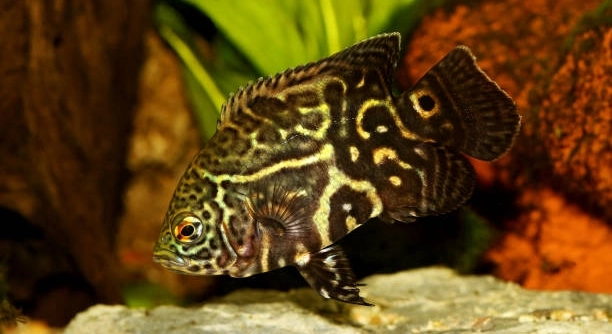
Oscar fish are known for their vibrant personalities and distinct behaviors. If you’ve noticed your Oscar fish shaking its head, you may be wondering what this means for its health and well-being. This article will explore the reasons behind this behavior.
The head-shaking behavior in Oscar fish can be attributed to several factors, including stress, illness, or poor water conditions. It is important to carefully monitor your fish for additional symptoms that may indicate a more serious issue requiring attention.
Understanding the root causes of this behavior is essential for maintaining your Oscar’s health. By identifying any potential issues early, you can help ensure your fish lives a long and happy life.
Stress in Oscar Fish
Oscar fish are sensitive creatures and can react to stress in various ways, including head-shaking. Factors like sudden changes in the tank environment, overcrowding, or even loud noises can trigger stress in your fish. Stress affects their overall health and can weaken their immune system, making them more susceptible to diseases. If your Oscar fish is experiencing stress, it may also show signs like hiding, decreased appetite, or excessive swimming. To prevent stress, it’s essential to maintain a stable and quiet environment with proper tank conditions. Make sure the tank size is appropriate for your fish’s needs, and avoid placing other aggressive fish nearby. Keep the water clean and at the right temperature, and don’t overpopulate the tank.
Stress-induced head-shaking can be temporary or a sign of a bigger issue. If the stressor is addressed, the behavior should stop. However, it’s crucial to observe your fish closely to make sure other symptoms don’t develop.
Stress is one of the most common reasons behind head-shaking in Oscar fish. Identifying and addressing stressors can help prevent further complications and restore your fish’s health. Reducing stress is key to maintaining a stable and healthy tank for your Oscar.
Illness and Head-Shaking
Oscar fish shaking their heads can also be a sign of illness. Diseases like head and lateral line erosion, parasites, or bacterial infections can cause discomfort and abnormal behavior. Infections may result in visible lesions, color changes, or swollen areas on the fish’s body. Parasites can lead to irritation that causes head-shaking as the fish tries to relieve discomfort.
Head shaking can also occur when an Oscar fish has poor eyesight or is affected by a neurological condition. If you suspect an illness, take action by isolating the affected fish and treating it with appropriate medication. Regularly checking water quality and providing a balanced diet can prevent such issues.
Poor Water Quality
Oscar fish are highly sensitive to changes in water quality, and poor water conditions can lead to behaviors like head-shaking. High levels of ammonia, nitrites, or low oxygen can stress out the fish. Keeping the water clean and regularly performing water changes is essential.
Test the water regularly to ensure levels are safe. High ammonia or nitrite levels can cause irritation to your Oscar, leading to abnormal behaviors like head-shaking. Use a good filtration system to maintain clean water. Make sure to clean the filter often to avoid buildup that could pollute the tank. Always monitor the water temperature and pH levels to make sure they’re within the acceptable range for your Oscar fish.
A poor filtration system can quickly turn your tank into an unhealthy environment. If you notice head-shaking and the water quality is off, immediate action is required. Perform a water change, check your filter, and test the water parameters. Keeping the water clean is one of the easiest and most effective ways to improve your fish’s health and reduce stress.
Tank Size and Space
Tank size plays a critical role in your Oscar fish’s health. A tank that’s too small can limit their movement, causing stress and unusual behaviors like head-shaking. Oscars are large fish that need ample space to swim comfortably. A cramped tank will lead to a decline in their overall health.
Ensure your Oscar has enough space to grow and move freely. A minimum of 75 gallons is recommended for one adult Oscar fish. This will give your fish enough room to swim and explore, which helps in reducing stress. If you keep multiple Oscars or other fish, make sure the tank is large enough to accommodate them without overcrowding.
Overcrowding not only limits movement but can also lead to aggression and territorial disputes. These factors can worsen the head-shaking issue. Providing a spacious and well-planned tank will keep your Oscar healthy, active, and less likely to develop stress-induced behaviors.
Overfeeding and Feeding Schedule
Overfeeding can lead to a variety of problems for Oscar fish, including head-shaking. When Oscars consume more food than they can properly digest, it can cause digestive stress. Overfeeding also worsens water quality, which can contribute to unhealthy tank conditions.
Stick to a feeding schedule that ensures your Oscar receives the right amount of food. Feed your fish once or twice a day, offering small portions they can eat within a few minutes. Excess food left in the tank can decay, affecting water quality. Monitor your fish’s weight to avoid overfeeding.
Regularly check for leftover food after feeding and remove it to maintain good water conditions. Keep in mind that Oscars tend to be messy eaters, so feeding them too much can quickly worsen water quality. Avoid overfeeding to keep your Oscar healthy and minimize any related behaviors, like head-shaking.
Tank Mates and Aggression
Oscar fish are known to be territorial and aggressive, particularly toward other fish of similar size. Aggression can lead to stress and head-shaking, as your fish tries to defend itself or feel comfortable in a crowded tank. It’s important to choose tank mates carefully.
Keep aggressive species separate to prevent fights. Some Oscars may do well with larger, non-aggressive tank mates, but others might prefer solitude. Observe how your Oscar behaves with other fish and be ready to separate them if needed. Fish that feel threatened or bullied may begin shaking their heads.
Water Temperature
Oscar fish are native to warmer waters and need a consistent, warm environment. Temperatures below their ideal range can lead to stress, causing symptoms like head-shaking. Too cold or fluctuating temperatures can weaken their immune system, leaving them vulnerable to disease.
FAQ
Why is my Oscar fish shaking its head?
Oscar fish shake their heads for various reasons, with stress, illness, or poor water quality being the most common causes. When under stress, Oscars might exhibit behaviors like head-shaking, especially if they’re overcrowded, their environment changes suddenly, or if they feel threatened by tank mates. Illnesses such as parasites or bacterial infections can also trigger this behavior. Additionally, poor water conditions can irritate the fish, causing it to shake its head in an attempt to relieve discomfort.
Can overfeeding cause my Oscar fish to shake its head?
Yes, overfeeding can cause head-shaking. Overfeeding leads to digestive issues and poor water quality, both of which can stress your Oscar. If too much food is consumed and not eaten in time, it decays in the tank, making the water unhealthy and causing your fish to behave abnormally, including shaking its head. Stick to proper feeding amounts to avoid these problems.
What are the signs of illness in an Oscar fish?
Signs of illness in an Oscar fish include lethargy, loss of appetite, discoloration, lesions or sores on the body, clamped fins, and erratic swimming behavior. If your fish is shaking its head along with any of these symptoms, it might indicate an infection or another underlying health issue. Always monitor your fish closely and seek treatment if you suspect illness.
How can I reduce stress for my Oscar fish?
To reduce stress for your Oscar, provide a stable and peaceful environment. Ensure the water conditions are ideal—regularly testing for ammonia, nitrites, and pH balance. Avoid sudden changes in the tank, such as drastic temperature fluctuations or moving things around too much. Also, make sure the tank is large enough, and avoid overcrowding or adding overly aggressive tank mates.
What should I do if my Oscar fish keeps shaking its head?
If your Oscar keeps shaking its head, first check the water quality. High levels of ammonia, nitrites, or low oxygen can cause irritation and stress, leading to abnormal behavior. Next, observe if your Oscar is showing signs of illness. If you find any, isolate the fish and consider using appropriate treatments. If no illness is visible, ensure the tank is not overcrowded and is in a quiet area to reduce stress.
How often should I change the water in my Oscar’s tank?
You should change about 20-30% of the water every 1-2 weeks. Oscars produce a lot of waste, and regular water changes help maintain water quality and prevent the buildup of harmful toxins. In heavily populated tanks or if you have an Oscar that is particularly messy, more frequent changes may be necessary to keep the water clean and clear.
Can I put other fish in the same tank as my Oscar?
While it’s possible to keep other fish with your Oscar, it depends on the species. Oscars can be aggressive, especially toward smaller or slower-moving fish. Larger, more robust fish are often better tank mates. It’s crucial to ensure that the other fish won’t stress out the Oscar or be bullied. Monitor interactions closely to avoid aggression and ensure that all fish have enough space to thrive.
What water temperature is best for Oscar fish?
Oscar fish prefer warm water, with an ideal temperature range of 74-81°F (23-27°C). Temperatures outside this range can cause stress and make your fish more susceptible to illness. Make sure to use a reliable aquarium heater to maintain consistent water temperature, as temperature fluctuations can significantly affect their health and behavior.
What size tank does my Oscar need?
Oscar fish need a lot of space to swim and grow. A minimum tank size of 75 gallons is recommended for a single adult Oscar. If you plan to keep more than one Oscar or other large fish, you’ll need an even larger tank. A tank that’s too small can cause stress and contribute to abnormal behaviors like head-shaking.
How can I tell if my Oscar fish is stressed?
Signs of stress in an Oscar include erratic swimming, head-shaking, hiding, loss of appetite, or unusual aggression toward other fish. Stress can be caused by poor water quality, overcrowding, changes in the tank environment, or incompatible tank mates. If you notice these signs, work on improving the conditions of the tank and consider isolating any problem fish.
Can poor filtration cause my Oscar to shake its head?
Yes, poor filtration can cause your Oscar to shake its head. If the water is not being properly filtered, harmful substances like ammonia, nitrites, or waste can build up, leading to stress and health issues for your fish. A good filtration system is essential to maintain clean water and prevent unnecessary head-shaking and other symptoms. Make sure the filter is large enough for the tank size and is regularly cleaned to avoid clogging.
Final Thoughts
If your Oscar fish is shaking its head, it’s important to observe its overall behavior and environment carefully. Head-shaking can be a sign of stress, illness, or poor water conditions. Stress is often caused by factors like overcrowding, aggressive tank mates, or sudden changes in the tank environment. It’s important to identify and address these stressors as soon as possible to prevent the situation from worsening. Make sure your Oscar has enough space to swim freely and that the water quality is maintained at optimal levels. Regular water testing and cleanings are essential in keeping the environment healthy.
Illness can also be a factor when your Oscar fish is shaking its head. If other signs of illness are present, such as loss of appetite, abnormal swimming patterns, or discoloration, it’s a clear indication that something might be wrong. In such cases, it’s best to isolate the fish and treat it with the appropriate medications. However, even if no illness is apparent, regular health checks are still important. Monitoring your Oscar’s behavior and promptly addressing any changes can help prevent more serious issues from developing. Proper feeding and a consistent feeding schedule can help maintain your fish’s health and avoid digestive stress.
Ultimately, the key to solving the problem of head-shaking lies in creating a stable and healthy environment for your Oscar fish. Regular maintenance of the tank, ensuring it’s large enough, and providing a balanced diet are some of the most important factors in reducing stress. If you suspect illness, be proactive in treating it, and always pay attention to changes in water quality. By keeping the environment clean, avoiding overcrowding, and managing stress, you can help your Oscar live a long, healthy life with minimal disruptions to its behavior.

Hello,
If you enjoy the content that we create, please consider saying a "Thank You!" by leaving a tip.
Every little bit helps us continue crafting quality advice that supports the health, happiness, and well-being of pets around the world, for pets of all shapes, sizes, and species.
We really appreciate the kindness and support that you show us!