
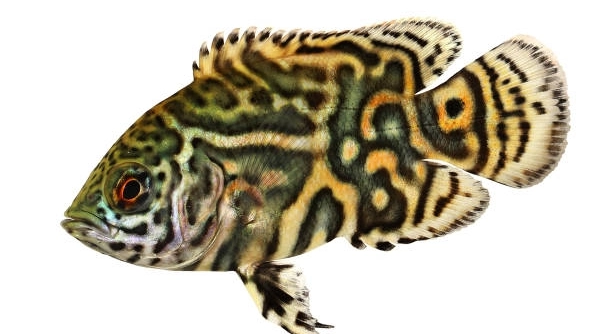
Oscar fish are known for their vibrant colors and playful behavior. However, when it comes to adjusting to light, it can sometimes be a challenge. This article will offer tips on how to help your Oscar fish adapt.
The key to helping Oscar fish adjust to light is gradually introducing them to different lighting conditions. Sudden changes can stress them, affecting their health and behavior. Consistency and a slow transition are essential to ensure a comfortable environment.
By following a few simple steps, you can make the transition smoother and more manageable. This guide will help you create the ideal lighting conditions for your Oscar fish’s comfort and well-being.
Start with Low Lighting Intensity
Oscar fish are naturally used to environments with low light levels, similar to those found in murky rivers and lakes. When introducing them to artificial lighting, it’s important to start with a dim light. This gradual adjustment helps prevent stress and allows the fish to acclimate to the new conditions. If you use bright lights right away, your Oscar fish might become nervous, hiding in corners or showing signs of discomfort. Slowly increasing the intensity over time will help them feel more at ease and adjust without sudden disruptions to their habitat.
This transition is important for maintaining the fish’s mental and physical health. A steady approach ensures they remain calm and active, avoiding unnecessary stress.
Remember, the environment you provide plays a major role in your fish’s well-being. Patience in adjusting the lighting intensity is key to ensuring a positive experience for your Oscar fish. It’s worth the extra time spent to see them thrive.
Use a Timer for Consistency
Consistency in light cycles is essential for the health of your Oscar fish.
Having a reliable timer for the lights ensures they get a set amount of light each day, helping them adjust to a regular pattern. A timer allows you to control the length of day and night, which is essential for their sleep-wake cycles. Aim for 10-12 hours of light per day to mimic their natural habitat and provide a healthy balance.
Provide Hiding Spots
Oscar fish can get easily stressed by too much light, especially when they’re not used to it. Providing plenty of hiding spots helps them feel secure. Rocks, plants, or even small caves can offer shelter when they need a break from the light. A tank with multiple hiding spots makes the transition smoother for your fish, as they can retreat to darker spaces if they feel overwhelmed.
This setup allows your fish to gradually get used to the new light levels at their own pace. If they feel threatened or overly exposed, they’ll have the option to seek comfort in their hiding places. It’s all about creating a balanced environment that gives them control over their surroundings.
Adding these elements to your aquarium won’t just help with light adjustment but will also improve the overall living conditions for your Oscar fish. They’ll appreciate having places to feel secure, and it will make the lighting adjustments much easier for them to handle.
Adjust Light Position
The position of your tank light can significantly affect how your Oscar fish adjust to the new lighting. If your light is too close to the surface, it will shine directly into the tank, making the water too bright. By positioning the light higher up or at a different angle, you can diffuse the light, creating softer, more comfortable lighting for your fish.
You can experiment with different light placements to find what works best. Make sure the light doesn’t create harsh shadows or uneven areas that could make your Oscar fish feel anxious. A balanced light distribution helps them adapt more easily and ensures that the entire tank feels like a comfortable space.
By adjusting the light’s position, you can avoid the risk of overwhelming your fish with too much direct light. This small change can make a big difference in how they respond to their new environment. Keep in mind that the goal is to reduce stress, allowing your fish to adjust gradually to their new lighting conditions.
Experiment with Color Temperature
The color temperature of the light you use can also impact how your Oscar fish adjust. Lights with a cool, blue tone are often more soothing, while warm, yellow lights may be too intense. Experimenting with different types of bulbs can help you find the best match for your fish’s comfort.
Oscar fish prefer lower, more subdued lighting. By adjusting the color temperature, you can reduce stress and create a calmer atmosphere. Finding the right balance between light intensity and color can make the difference between a stressed-out fish and a happy one.
Keep the Lighting Stable
Oscar fish thrive in stable environments. Sudden changes in lighting can cause stress and disrupt their natural rhythm. Keeping the lighting consistent, in both intensity and timing, helps your fish adjust to their surroundings. This also supports their biological clock and overall well-being.
When their environment remains predictable, Oscar fish feel safer. Stability allows them to acclimate better to their new tank. It also helps them stay active and healthy. Avoiding sudden light changes is one of the easiest ways to create a comfortable setting for them.
Adjust for Tank Size
The size of your tank plays a role in how your Oscar fish experience light. A larger tank will require stronger lighting to reach every corner, while smaller tanks need less. Ensure your light is adequate for your tank size but not too intense, as too much light can overwhelm the fish.
FAQ
How long does it take for Oscar fish to adjust to new light?
The time it takes for Oscar fish to adjust to new light depends on how quickly the changes are made. If you gradually increase the light intensity and duration, they may start adjusting within a few days to a week. However, sudden changes can stress them out, leading to longer adjustment periods. It’s important to be patient and give them time to settle in at their own pace.
Can Oscar fish handle bright light?
Oscar fish can tolerate some light, but bright lighting can be overwhelming for them. In their natural habitat, they live in murky waters, where light is diffused and not overly intense. Bright lights can stress them, especially if they aren’t accustomed to it. It’s best to keep the lighting moderate and gradually introduce brighter conditions if necessary.
What is the best light cycle for Oscar fish?
Oscar fish require a consistent light cycle to thrive. Aim for about 10-12 hours of light each day, which mimics their natural environment. Providing this regular cycle helps regulate their circadian rhythm, which is important for their health. Ensure they also have a period of darkness to rest and sleep.
Should I use natural sunlight for Oscar fish?
While natural sunlight can be beneficial in small amounts, it’s not always the best option for Oscar fish. Too much direct sunlight can cause the water to overheat and lead to algae growth. It’s better to use artificial lighting to control the light intensity and avoid these issues.
Can Oscar fish live with a blue light?
Blue light is often used in aquariums for its calming effect on fish. For Oscar fish, blue light can be a good option, as it provides a softer lighting environment, which they find less stressful. However, it’s still important to avoid keeping the light too bright. A cool blue tone is ideal for providing a calm atmosphere.
What should I do if my Oscar fish hides too much due to light?
If your Oscar fish is hiding more than usual, it could be due to the light being too bright or sudden changes in the lighting environment. To help, try dimming the light or adding more hiding spots in the tank, such as plants or rocks. Gradually adjusting the light intensity and duration will also help them feel more comfortable.
How do I know if my Oscar fish is stressed from light?
Stressed Oscar fish may show signs such as excessive hiding, erratic swimming, or refusing to eat. They might also display darker or lighter coloration, which is a sign of discomfort. If you notice these behaviors, try adjusting the light to a more appropriate level and allow your fish to acclimate slowly.
Is it okay to leave the lights on all the time for Oscar fish?
Leaving the lights on all the time is not recommended for Oscar fish. Just like all animals, they need a period of darkness to rest. Constant light can lead to stress and health issues, as it disrupts their natural sleep patterns. Stick to a 10-12 hour light cycle for the best results.
Can I use LED lights for my Oscar fish tank?
LED lights are a good option for Oscar fish tanks. They offer adjustable brightness levels and are energy-efficient. However, make sure the LED lights you choose are not too bright for your fish. Many LED lights allow you to adjust the color temperature, so you can choose a tone that’s comfortable for your Oscar fish.
How can I reduce algae growth caused by aquarium lighting?
Algae growth can be triggered by excessive light. To reduce this, avoid leaving the lights on for too long each day, and make sure the light is not too intense. You can also use a timer to regulate the light cycle, which will help keep the algae under control. Regular water changes and keeping the tank clean will also help reduce algae.
Can Oscar fish live in a tank without light?
While Oscar fish can survive in a tank without light, it’s not ideal for their overall health. Light helps regulate their biological processes, such as their feeding and sleeping cycles. It’s important to provide some light, even if it’s dim, to keep them active and maintain a healthy environment.
What color light is best for Oscar fish?
The best color light for Oscar fish is typically a neutral or cool blue tone. This helps create a soothing environment without being too harsh. Avoid warm, yellow lights, as they can be too intense and stressful for them. A well-balanced light will support their natural behavior and well-being.
How do I prevent light from stressing my Oscar fish?
To prevent stress from light, start with low-intensity lighting and gradually increase the brightness. Make sure to provide hiding spots so your fish can retreat if needed. Stick to a consistent light cycle and avoid sudden changes to ensure your Oscar fish remain comfortable in their environment.
Final Thoughts
Helping your Oscar fish adjust to light is a gradual process that requires patience and attention. Start with low-intensity lighting and slowly increase the brightness over time. This will prevent sudden stress and help your fish get used to the new lighting conditions. Gradual changes are key to making the adjustment easier for them. You should also keep the light cycle consistent to maintain a healthy environment. Providing about 10-12 hours of light per day, along with a period of darkness, will help regulate their natural sleep-wake patterns. Remember, consistency is crucial for their overall well-being.
In addition to controlling light intensity, it’s important to provide hiding spots in your tank. Oscar fish can get stressed when exposed to too much light, so having places where they can retreat will help them feel secure. Rocks, plants, and caves are simple additions that make the tank more comfortable for them. These hiding spots also give your fish control over how much light they’re exposed to, allowing them to adjust at their own pace. A well-planned tank setup will make a big difference in their ability to adapt to lighting changes.
Ultimately, your Oscar fish’s comfort and health depend on the environment you create for them. By following these simple tips, you can make their transition to new lighting conditions as smooth as possible. With proper care and gradual adjustments, your Oscar fish will adapt and thrive in their tank. Whether it’s adjusting the light cycle, experimenting with different light colors, or ensuring a stable environment, each step helps create a peaceful and healthy home for your fish. With time and attention, they’ll adjust to the light, staying active and happy in their aquarium.

Hello,
If you enjoy the content that we create, please consider saying a "Thank You!" by leaving a tip.
Every little bit helps us continue crafting quality advice that supports the health, happiness, and well-being of pets around the world, for pets of all shapes, sizes, and species.
We really appreciate the kindness and support that you show us!