
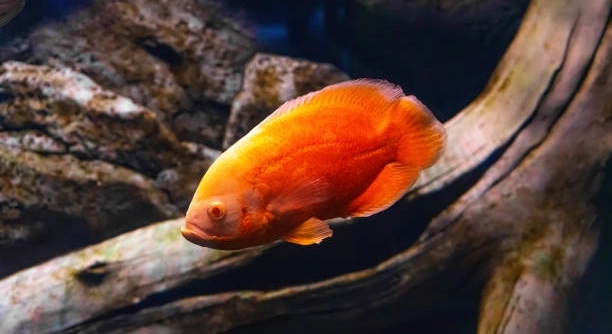
Oscar fish are fascinating creatures that communicate with each other through a variety of motions. Their behavior provides insights into their social interactions, emotions, and territorial boundaries, making it interesting to observe how they use movement to communicate.
Oscar fish communicate through various motions such as body postures, fin movements, and rapid shifts in their swimming patterns. These gestures can indicate aggression, fear, or attraction, helping them express their feelings to other fish in their environment.
Understanding these subtle yet impactful movements can help you better interpret your Oscar fish’s behavior and ensure a harmonious tank environment.
Oscar Fish Body Language: Understanding Movements
Oscar fish communicate largely through body language, with various motions conveying different messages. Their posture can reveal how they’re feeling. When relaxed, they float around calmly, but when agitated or threatened, they will flare their fins and puff their bodies. If an Oscar fish feels territorial, it might swim aggressively toward other fish, asserting dominance. These movements help them define their space and show off their strength. The way they position their fins can also signal aggression or submission depending on their relationship with tank mates.
In addition to body posture, their swimming patterns can speak volumes. Fast, erratic swimming often indicates stress or fear, while slow, deliberate movements may show contentment or curiosity.
Oscar fish also use their tails to express emotion. A quick flick of the tail can mean irritation, while a slow, steady movement might indicate calmness. These subtle cues give us clues into their moods and how they’re interacting with their environment.
The Role of Fin Movements
The fins of an Oscar fish play an essential part in communication. They use them to establish dominance, show submission, or indicate aggression.
Oscar fish have two pairs of fins—the pectoral and pelvic fins—that they move to communicate with each other. A spreading of the pectoral fins can be a sign of aggression, often seen when they’re feeling threatened or asserting their space. In contrast, if the fins are relaxed and close to the body, it could mean that the fish feels safe and at ease.
Oscar fish may also flare their gill covers as a sign of intimidation or dominance. This makes them appear larger and more intimidating to rivals or potential threats.
Understanding these fin movements helps us interpret their behavior more clearly and ensures we can keep them comfortable and safe in their tank environment. Proper observation of these movements can also help prevent unnecessary conflicts between tank mates.
Aggressive Behavior in Oscar Fish
Aggression in Oscar fish is often displayed through rapid movements and intense body posturing. If they feel threatened or are establishing dominance, they may swim aggressively towards other fish, charge at objects, or even attack. This behavior is most common in males and can be triggered by territorial disputes.
Oscar fish may also engage in tail slapping or fin spreading during aggressive encounters. These actions are meant to intimidate other fish and show that they are not to be challenged. While these motions can seem harsh, they are natural in an Oscar’s social structure.
Additionally, aggressive Oscar fish may chase their tank mates, cornering them or preventing them from accessing hiding spots. This territoriality is important to understand so you can prevent injuries in a community tank. Providing plenty of space and hiding places helps reduce conflict, ensuring a smoother environment for everyone involved.
Calm Movements and Signs of Comfort
When an Oscar fish feels safe, it displays calm, slow swimming patterns. Their movements are deliberate and controlled, signaling contentment. They tend to explore their surroundings at a steady pace, indicating they’re comfortable and relaxed in their habitat.
A calm Oscar fish may rest near the tank’s bottom, sometimes hovering in one spot. They may also swim along the glass or interact with tank decorations in a slow and peaceful manner. This lack of erratic movement shows they’re not stressed or threatened. If your Oscar is acting this way, it’s a sign it’s adapting well to its environment.
When Oscars are calm, they may also exhibit gentle fin movements and slight tail sways. These motions communicate peace and a lack of concern. Such behavior is reassuring and indicates that your Oscar is happy and healthy.
How Oscar Fish Use Their Mouths
Oscar fish use their mouths not only for feeding but also to communicate. A wide-open mouth can signal aggression or frustration, especially if they are facing a potential threat. In more relaxed moments, their mouth movements are subtle and slow.
When an Oscar fish opens its mouth, it may show its teeth in a display of intimidation. This is often a warning to other fish or animals in the tank to back off. If they’re feeding, however, their mouth movements will be more focused and less aggressive. Understanding these differences can help you interpret their actions.
Territorial Behavior and Space
Oscar fish are highly territorial. They will often claim a part of the tank as their own, especially when breeding. This territory is fiercely protected, and any intrusion may result in aggressive displays.
Territorial Oscars will chase other fish away from their chosen space. They can become particularly hostile during mating seasons, as they are more protective. To reduce conflicts, make sure the tank is spacious enough and provide hiding spots where all fish can find comfort. A well-arranged tank can prevent many territorial disputes.
FAQ
How can I tell if my Oscar fish is stressed?
Stress in Oscar fish is often shown through erratic swimming patterns, such as swimming rapidly from one side of the tank to another or darting in and out of hiding spots. If your Oscar appears skittish or frequently hides behind decorations, it’s a sign that something in the environment might be unsettling. They may also display loss of appetite or start rubbing against tank objects. Monitoring water quality, ensuring no tank mates are causing harm, and maintaining a proper diet can help reduce stress in your fish.
What are the signs of aggression in Oscar fish?
Aggressive Oscar fish will display certain behaviors, such as rapid fin flaring, swimming in a straight line towards another fish, or chasing other fish around the tank. They may also puff their bodies up to appear larger and more threatening. If aggression is ongoing, you may see physical damage like torn fins or scales. If aggression persists, separating the fish into different tanks or providing more space might be necessary to avoid injury.
Do Oscar fish communicate with each other?
Yes, Oscar fish communicate primarily through body language, including fin movements and swimming patterns. They use body postures like puffing up or spreading their fins to signal aggression or dominance. On the other hand, relaxed movements or slow swimming indicate calmness. These behaviors help them establish boundaries and form relationships with other tank mates.
Why do Oscar fish swim in circles?
Oscar fish may swim in circles when they are bored or stressed. This repetitive behavior can indicate that they don’t have enough stimulation or space in the tank. Providing more hiding spots, plants, and objects to explore can help reduce this behavior. It’s also important to check water conditions, as poor water quality can contribute to this repetitive motion.
Can Oscar fish live with other fish?
Oscar fish can live with other fish, but they are known for being territorial and aggressive, especially during breeding seasons. It’s best to house them with large, hardy fish that can tolerate their behavior. Avoid small or slow-moving fish, as Oscars might see them as easy targets. Keeping a balanced community of similarly sized fish can lead to a more peaceful environment.
How do I know if my Oscar is happy?
A happy Oscar fish will display calm and relaxed movements, swimming leisurely through the tank and exploring the space without fear or aggression. It will also eat regularly and show interest in its surroundings. Healthy Oscars often exhibit bright coloration and clean fins. If the fish is staying active, interacting with tank mates, and not showing signs of stress or aggression, it’s a good indication that it’s happy.
Do Oscars need a lot of space?
Yes, Oscar fish need plenty of space to thrive. They can grow large, often reaching 12 to 14 inches, and require a tank that’s at least 75 gallons to accommodate their size and territorial nature. A larger tank also helps reduce aggressive behavior and provides them with room to swim comfortably. Keeping them in a cramped tank can lead to stress and aggression.
How can I tell if my Oscar fish is sick?
Signs of illness in an Oscar fish include abnormal swimming, such as floating at the top or bottom of the tank, changes in eating habits, or visible physical symptoms like discoloration, lesions, or clamped fins. If you notice these signs, check the water parameters immediately, as poor water quality is a common cause of illness. If the fish doesn’t improve after adjusting its environment, it might be necessary to consult a vet or aquatic specialist.
What kind of diet do Oscar fish need?
Oscar fish are carnivorous, so their diet should consist primarily of high-protein foods such as pellets, live or frozen fish, and shrimp. Offering a variety of food sources can help maintain their health. Avoid feeding them too much live prey, as this can lead to behavioral issues. Regular feeding with high-quality food is essential for growth and vitality.
Are Oscars good pets for beginners?
Oscar fish are not recommended for beginners due to their specific care needs and aggressive nature. They require a large tank, proper water maintenance, and understanding of their social behaviors. If you’re new to fishkeeping, you might want to start with less aggressive species that are easier to manage before getting an Oscar. However, if you’re willing to put in the time and effort, Oscars can make fascinating and rewarding pets.
Do Oscar fish get lonely?
Oscar fish are solitary creatures and may not necessarily get lonely, but they do need a stimulating environment. While they don’t require constant companionship, they can benefit from having a tank mate, provided the other fish are large enough to avoid being seen as prey. If they are the only fish in the tank, make sure the environment is enriched with plants, hiding spots, and toys to keep them entertained.
How can I prevent aggression in my Oscar fish tank?
To prevent aggression, make sure your Oscar fish have enough space and a properly arranged tank. Avoid overcrowding and give your Oscar a territory to claim. Providing plenty of hiding spots with rocks, plants, or decorations can help reduce territorial disputes. You can also keep the tank at a lower temperature to keep their aggression in check, as Oscars tend to be more aggressive in warmer waters. Regularly monitoring the water quality and introducing tank mates cautiously will also help reduce aggression.
Final Thoughts
Oscar fish are fascinating creatures with unique behaviors that make them stand out in any aquarium. They use a variety of body movements, fin gestures, and even their mouths to communicate with other fish and express their emotions. Understanding these behaviors can help you keep them happy and healthy in your tank. By observing their swimming patterns, body language, and interactions with other fish, you can gain insight into how they are feeling and whether they are stressed, happy, or aggressive. This awareness will help you provide the best care for your Oscar fish.
When it comes to keeping Oscar fish, it’s important to provide them with an environment that meets their needs. Oscars require ample space, as they are territorial fish that can grow quite large. A tank of at least 75 gallons is recommended to ensure they have enough room to swim and establish their territory. Additionally, keeping the water quality in check is essential for their well-being. Regular water changes, proper filtration, and maintaining the right temperature will help prevent health problems and minimize stress. When cared for properly, Oscar fish can live for many years and become a captivating centerpiece in your aquarium.
Finally, while Oscar fish can be aggressive at times, they are also capable of forming unique relationships with their tank mates, as long as those fish are large enough to defend themselves. It’s essential to choose compatible tank mates to avoid conflicts, as Oscars can be territorial and protective of their space. In conclusion, if you understand their communication style and the care they need, Oscar fish can make great pets. They bring beauty, character, and a sense of life to any aquarium, making them worth the effort for fish keepers willing to learn about their behavior.

Hello,
If you enjoy the content that we create, please consider saying a "Thank You!" by leaving a tip.
Every little bit helps us continue crafting quality advice that supports the health, happiness, and well-being of pets around the world, for pets of all shapes, sizes, and species.
We really appreciate the kindness and support that you show us!