
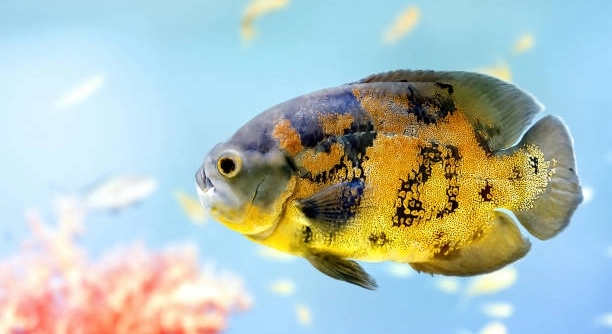
Oscar fish can become stressed after a tank change, leaving owners worried about their well-being. It’s important to understand how to help them feel more comfortable and regain their calm after this disruption.
To calm Oscars after a tank change, ensure proper water temperature, filtration, and hiding spaces. Keeping the tank environment stable will help them feel secure. Gradually acclimate them to the new tank to reduce stress and shock.
Maintaining a peaceful environment for your Oscar is essential for their health. This guide will help you create a stress-free transition for them and promote their well-being.
Keep the Water Temperature Stable
Oscars are very sensitive to changes in water temperature. If the water shifts too drastically, it can stress them out, making it harder for them to adjust. The ideal temperature for Oscar fish is between 74°F and 81°F (23°C to 27°C). Use a reliable heater to maintain a steady temperature, especially after changing the tank water. Always check the water temperature before introducing your Oscar back into the tank.
After a tank change, use a thermometer to verify that the water is within the proper range. If it’s too hot or cold, your Oscar might refuse to eat or become lethargic. Gradually adjust the temperature if needed, so it stays consistent and doesn’t cause additional stress.
To help your Oscar feel more comfortable, maintain a regular water temperature that mimics their natural environment. Stable conditions are key for their health, especially after any disruption like a tank change. Avoid rapid changes in temperature as much as possible.
Provide Hiding Spaces
Oscars need places to hide when they feel stressed or threatened. After a tank change, they might feel disoriented and seek refuge. Adding decorations such as caves, plants, or rocks can provide a safe spot for them to relax. A few hiding places will make them feel secure, allowing them to adjust faster.
Offering a few different hiding spots also gives your Oscar a sense of control. When the tank is changed, fish may feel exposed or vulnerable. Having a choice of spots to retreat to can make a big difference in their recovery.
Monitor Water Quality
Water quality is crucial for keeping Oscars calm after a tank change. Test the water regularly for ammonia, nitrite, and nitrate levels. High levels of these substances can harm your fish and increase stress. Use a good-quality water conditioner to keep the water safe.
The filtration system should be running efficiently after a tank change. Make sure it’s capable of maintaining clean, healthy water. If necessary, perform partial water changes to remove waste and balance the tank’s chemistry. Poor water quality can make Oscars anxious and hinder their recovery process. Clean, stable water is essential for their well-being.
Ammonia spikes are especially harmful to Oscars and can cause severe stress or illness. It’s essential to ensure the tank is well-filtered and the water is consistently clean after a change. You should also avoid overfeeding, as excess food can degrade water quality. Keeping a stable environment will help your Oscar feel more comfortable and recover faster.
Reduce Tank Lighting
Bright lighting can make Oscars feel uneasy after a tank change. Too much light can increase stress levels, making it harder for them to adjust. Consider using softer lighting, especially in the first few days after a tank change. Dimming the lights allows them to settle down in a calm environment.
Oscars are naturally accustomed to a variety of light conditions in the wild. They may prefer a darker environment during the adjustment period. Consider turning off the tank lights entirely at night, allowing them to feel secure. Limiting light exposure gives them the opportunity to regain their confidence and helps reduce stress.
It’s also helpful to provide a natural day-night cycle. Turn the lights off during the night and on during the day to mimic their natural environment. A stable light pattern can help your Oscar fish feel less stressed and get back to a routine that makes them feel comfortable and secure.
Avoid Overfeeding
After a tank change, your Oscar might be less active and could lose its appetite. Overfeeding can harm water quality, which adds stress to the fish. Stick to a regular feeding schedule and avoid offering too much food, especially during the first few days after a tank change.
Feed your Oscar small amounts of food at a time, and only once or twice a day. This helps keep the water clean and prevents uneaten food from decaying. Overfeeding not only worsens water quality but also disrupts your Oscar’s eating habits while they’re adjusting to the new tank environment.
Keep Tank Decorations Stable
Make sure the tank’s decorations and layout remain stable after a change. If you rearrange or introduce new items suddenly, your Oscar may feel confused or threatened. Keeping familiar surroundings helps reduce stress, allowing them to regain a sense of security more quickly.
Oscars are territorial and appreciate a stable environment. Sudden changes in decoration or the placement of objects can lead to confusion and unnecessary stress. It’s best to rearrange the tank only if absolutely necessary. Keeping things familiar will help them adjust to their new surroundings more easily.
Provide a Quiet Environment
Oscars are sensitive to loud noises and sudden movements. After a tank change, reduce any disturbances in the area. Try to keep the room calm and quiet so your Oscar can feel safe. Avoid tapping on the glass or making loud noises near the tank.
FAQ
How long will it take for my Oscar to adjust after a tank change?
The time it takes for your Oscar to adjust depends on the level of change in the environment. Generally, it can take anywhere from a few days to a week for them to feel comfortable again. Oscars are resilient, but they do need time to acclimate. During this period, monitor their behavior closely and make sure the water conditions remain stable. If they are not showing signs of improvement after a week, it may be worth checking for other issues like water quality or temperature.
Should I remove my Oscar from the tank after a change?
It’s not necessary to remove your Oscar from the tank after a water change unless the water quality is extremely poor or you need to treat the water with medications. Removing them could cause additional stress. It’s better to maintain a calm environment and make sure the conditions are optimal for them. If you do remove your Oscar for any reason, ensure that they are returned to the tank as quickly as possible to minimize stress.
What should I do if my Oscar refuses to eat after the tank change?
If your Oscar is not eating after a tank change, it could be due to stress, water quality, or the new environment. Make sure the water temperature and quality are optimal, and that there are no sharp fluctuations in the tank. You can also try offering different types of food to tempt your Oscar, such as live food or their favorite treats. However, it’s important not to overfeed, as it can quickly spoil the water and add to their stress. If they continue to refuse food for more than a few days, you may want to consult a vet.
Can I speed up my Oscar’s recovery after a tank change?
While you can’t rush the recovery process, you can help by keeping the tank environment stable. Make sure the water quality is excellent, the temperature is consistent, and there are hiding spots for your Oscar to retreat to. Reducing noise and movement around the tank can also help lower stress levels. Be patient, as every fish is different, and some Oscars may take longer than others to adjust to a new environment.
Is it normal for my Oscar to hide after a tank change?
Yes, it is normal for Oscars to seek hiding spots after a tank change. They may feel threatened or disoriented by the change in their environment. Providing plenty of hiding spots with decorations like caves or plants can help them feel secure. Over time, they will become more comfortable and venture out as they adjust to the new tank setup. Be patient and avoid disturbing them while they are in hiding.
What should I do if my Oscar is showing signs of stress?
Signs of stress in Oscars can include rapid breathing, staying at the surface, hiding more than usual, or becoming aggressive. If you notice these signs, check the water conditions immediately, as poor water quality is often the cause. Ensure that the temperature, pH, and ammonia levels are within safe ranges. If everything checks out, give your Oscar time to acclimate to the changes. Reduce noise and activity around the tank to help them feel secure.
How often should I change the water after a tank change?
After a large tank change, it’s important to monitor the water quality closely for the next week or so. Perform small partial water changes every few days to help stabilize the tank. A regular water change schedule should be maintained, with 25-30% changes every two weeks or so, depending on the size of the tank and number of fish. However, avoid overchanging the water, as it can destabilize the environment and stress your Oscar.
Can tankmates affect my Oscar’s recovery after a change?
Yes, tankmates can have an impact on your Oscar’s recovery after a tank change. Aggressive tankmates may cause additional stress, which can delay their adjustment. If your Oscar seems particularly stressed by the presence of other fish, it might be worth temporarily separating them or moving more peaceful species into the tank. Keep an eye on interactions and make sure no fish are bullying or stressing your Oscar further.
How can I prevent my Oscar from getting stressed in the future?
To prevent stress in the future, aim to keep the tank environment as stable as possible. This means maintaining consistent water temperature, pH levels, and water quality. Avoid rearranging the tank too often and keep the lighting consistent. Make sure there are plenty of hiding spots available and avoid sudden changes in the tank. Regular tank maintenance, such as cleaning the filter and testing the water, can also help maintain a stress-free environment for your Oscar.
Can stress cause long-term health issues for my Oscar?
Chronic stress can lead to a weakened immune system in Oscars, making them more vulnerable to diseases and infections. Prolonged stress can also cause loss of appetite, poor growth, and a decrease in overall health. To prevent this, ensure that your Oscar’s tank conditions are always stable and avoid anything that might disturb them frequently. Providing a calm, secure environment will reduce the chances of long-term health issues.
Final Thoughts
After a tank change, it’s normal for your Oscar to experience some stress. They are sensitive creatures, and even small changes in their environment can cause them to feel uneasy. However, with the right approach, you can help them adjust and recover quickly. By keeping the water conditions stable, providing hiding spots, and offering a calm environment, you can reduce their stress levels and help them feel more comfortable. The key is patience—your Oscar needs time to get used to their new surroundings.
Maintaining a stable environment is essential for the long-term well-being of your Oscar. Always check the water temperature, quality, and filtration system after a tank change. Keep the tank clean and make sure that the fish have plenty of places to hide and feel secure. Additionally, avoid overfeeding, as it can lead to poor water quality, which will only add to your fish’s stress. By keeping these factors in mind, you’ll help your Oscar stay healthy and happy.
In the end, each Oscar fish is unique, and some may take more time to adjust than others. If your Oscar continues to show signs of stress or illness after a tank change, it may be worth consulting a vet. Regular monitoring and a careful approach to their environment will help prevent future issues. With proper care and attention, your Oscar will eventually return to its usual self, swimming freely and confidently in its tank.

Hello,
If you enjoy the content that we create, please consider saying a "Thank You!" by leaving a tip.
Every little bit helps us continue crafting quality advice that supports the health, happiness, and well-being of pets around the world, for pets of all shapes, sizes, and species.
We really appreciate the kindness and support that you show us!