
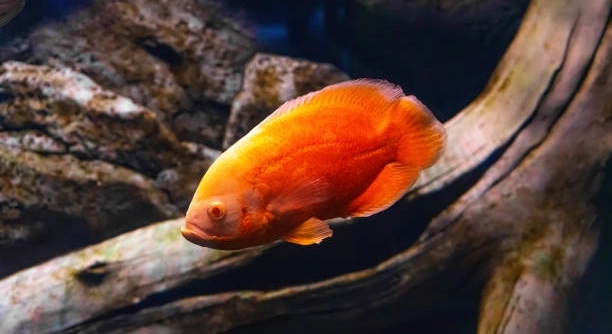
Oscar fish are known for their vibrant colors and strong personalities, but their environment plays a crucial role in their health. One factor that can affect your fish’s well-being is the lighting in their tank.
Too much light can create an unhealthy environment for your Oscar fish, leading to stress, algae growth, and even disrupted sleep patterns. It is important to adjust the lighting to prevent these issues and maintain a comfortable habitat for your fish.
Understanding the signs of too much light can help you create a better environment for your fish. By managing the tank’s brightness, you can improve their overall health and happiness.
Excessive Algae Growth
When the tank is too bright, algae can quickly take over, coating surfaces and creating an unsightly mess. Algae thrive in bright light, and over time, this can impact the water quality. It not only looks unpleasant but also reduces the oxygen levels in the tank, making it harder for your fish to breathe. The constant growth of algae also competes with plants for nutrients, further disturbing the balance in your fish’s environment.
It’s essential to monitor your light settings to avoid this problem. Algae blooms are more likely to occur if the tank is exposed to excessive light for long periods. Keeping the light on for a limited amount of time during the day can help prevent this from happening.
Try reducing the duration of lighting or opting for dimmer options. You may also want to clean your tank more regularly to reduce any algae buildup. This will help restore a healthy balance for your fish.
Stress and Behavioral Changes
If your Oscar fish are exposed to constant bright light, they may experience stress, which leads to noticeable behavioral changes. They may swim erratically, stay hidden, or show signs of aggression.
Stress can weaken your fish’s immune system, making them more susceptible to illness. In some cases, they may even stop eating. It’s important to consider how light exposure is affecting their comfort and mental state.
A less intense lighting setup can help reduce stress and allow your Oscar fish to thrive. Even subtle adjustments can make a significant difference in their behavior. Keeping the light cycle more in tune with natural conditions can give your fish a healthier and happier environment.
Poor Water Quality
Excessive light can also lead to poor water quality in your tank. Bright lighting encourages algae to grow, which increases the amount of waste in the water. This waste can build up and lead to cloudy, murky water. Over time, this compromises the water’s clarity and overall health, making it harder to maintain a clean environment for your fish.
To avoid this, keep an eye on the condition of the water. Regular water changes and a proper filtration system are crucial to maintaining water quality. Be mindful of how long the light stays on, as it directly impacts the water’s cleanliness. Less intense light can help reduce the chances of algae overgrowth and the negative effects on water clarity.
Taking these simple steps ensures your fish live in a cleaner, healthier environment. By balancing light exposure and maintaining regular cleaning routines, you help preserve the quality of the water and the well-being of your Oscar fish.
Sleep Disruption
Oscars need a proper day and night cycle to thrive. If the tank is too bright, your fish might have trouble resting. Bright light can disrupt their natural sleep patterns, causing them to stay active at night and rest less during the day. This imbalance can result in long-term stress and a weakened immune system.
Consider dimming the light or using a timer to simulate a natural day-night cycle. By ensuring the light dims at night, you give your Oscar fish the chance to rest properly, promoting their overall health and reducing stress.
Sleep is essential for your fish’s well-being. Without it, their behavior may become erratic, and their immune system could weaken, leaving them more vulnerable to diseases. Adjusting the lighting will help create a more suitable environment for their natural habits and health.
Overheating Tank
Too much light can raise the temperature of the tank, especially if you have a strong light source. Oscar fish prefer a stable temperature, typically between 74°F and 81°F. If the tank gets too warm, it can cause stress and even health problems for your fish.
To avoid overheating, use a thermometer to monitor the tank’s temperature. You may want to reduce the light duration or switch to a cooler light source. Adding a fan or adjusting the tank’s position to avoid direct sunlight can also help maintain a stable temperature.
Keeping the tank at the right temperature is vital for your Oscar’s comfort and health. A cooler, stable environment will help your fish stay active and healthy.
Disrupted Feeding Habits
Oscar fish thrive on a regular feeding schedule, and excessive light can interfere with that. If the tank is too bright, your fish might not eat properly or may feel stressed and refuse food. Over time, this affects their growth and overall health.
A more natural light cycle can help regulate their feeding patterns. By reducing unnecessary light exposure, you give your fish a chance to eat in a calm environment. Try adjusting the lighting to match their natural activity periods to encourage healthy feeding habits.
Algae Buildup on Decorations
Bright light causes algae to grow not only in the water but also on decorations and tank surfaces. These algae can create a slimy layer that covers rocks, plants, and other objects in the tank. Over time, this build-up becomes difficult to clean and affects the tank’s appearance.
To reduce algae growth, limit the light exposure by adjusting the timing and intensity. Regular cleaning of decorations can also help. If algae are still a problem, consider adding algae-eating fish or plants to help balance the ecosystem and keep the tank looking clean.
FAQ
How much light is too much for an Oscar fish tank?
Oscar fish generally need around 8-10 hours of light each day. Exposing them to too much light can lead to stress, algae growth, and other issues. You should aim for a light schedule that mimics natural conditions, such as having the light on for 10-12 hours during the day and off during the night. Adjusting the intensity of the light can also help avoid excess brightness, which can disrupt your fish’s behavior and overall health.
Can Oscar fish live in dim light?
Oscar fish can live in dimmer lighting as long as they receive the appropriate amount of light during the day. While they don’t need bright lighting to thrive, they do require a clear day-night cycle to support their natural habits. Dim light can help reduce stress and promote healthy behaviors, but it is important not to keep the tank too dark, as this could negatively affect their sleep cycle and overall well-being.
What type of light is best for an Oscar fish tank?
A soft, natural light is generally the best option for an Oscar fish tank. LED lights are a good choice because they provide a consistent light level and are energy-efficient. You should avoid using very bright, harsh lighting as it can cause stress and trigger algae growth. A low-to-moderate light setup with a timer is ideal for maintaining a healthy environment for your fish.
How can I tell if my Oscar fish are stressed due to lighting?
Oscar fish may show signs of stress from too much light, such as swimming erratically, hiding constantly, or being more aggressive. They might also stop eating or act lethargic. If you notice these behaviors, consider adjusting the lighting in your tank. Reducing the intensity or duration of light exposure can help reduce stress and improve their overall comfort.
What should I do if my Oscar fish tank has algae buildup?
If you notice algae buildup in your Oscar fish tank, it’s important to address the lighting and water quality. First, reduce the amount of time the lights are on each day. Regular tank maintenance, such as cleaning decorations, plants, and surfaces, is also crucial. You may want to consider adding algae-eating fish, like plecos, to help manage the growth. If algae remains a persistent issue, you might need to check the tank’s filtration system or adjust the water’s nutrient levels.
Is it okay to leave the lights on all day for my Oscar fish?
Leaving the lights on all day is not recommended for your Oscar fish. Constant exposure to light can disrupt their natural rhythms and lead to stress. A regular light schedule is important for their health, ensuring they have time to rest and sleep properly. Consider using a timer to regulate the lighting schedule, mimicking natural day and night cycles.
Can too much light harm my Oscar fish’s health?
Yes, excessive light can harm your Oscar fish’s health. It can cause stress, disrupt sleep, lead to poor water quality, and promote harmful algae growth. Keeping the lighting at moderate levels and providing a regular light cycle helps prevent these issues. It also supports a healthier environment for your fish, reducing the risk of diseases and discomfort.
How do I maintain the right light for my Oscar fish?
To maintain the right light for your Oscar fish, set a regular light schedule of around 8-10 hours a day. Ensure the tank is not exposed to excessive light, and consider using low-intensity lighting options like LEDs. Make adjustments to the light as necessary based on the behavior of your fish, and regularly monitor water quality to prevent algae buildup.
Do Oscar fish need UV light?
Oscar fish do not specifically need UV light, as their health can be maintained under normal aquarium lighting. UV light is typically used for plants and certain types of fish, but Oscar fish can thrive under standard aquarium lights as long as they follow a regular light schedule. If you do choose to use UV lighting, ensure it’s used sparingly to avoid negative effects like algae overgrowth or stress.
What are the best conditions for Oscar fish lighting?
The best lighting conditions for Oscar fish involve a balanced day-night cycle with moderate light exposure. Use a timer to ensure the light is on for about 8-10 hours each day, and turn it off at night. LED lights with adjustable intensity are often the most suitable. Keep the lighting indirect and avoid direct sunlight hitting the tank, as this can cause overheating and promote algae growth.
How do I reduce algae growth in my Oscar fish tank?
To reduce algae growth, limit the amount of light exposure your tank receives. Use a timer to keep the light on for only 8-10 hours a day. Additionally, reduce the number of nutrients in the water by maintaining proper filtration and avoiding overfeeding your fish. Regular cleaning of the tank and decorations will help keep algae at bay. If algae are still an issue, consider adding algae-eating fish or plants to help control the growth.
Final Thoughts
Maintaining a proper lighting setup for your Oscar fish is essential for their well-being. Too much light can lead to stress, disrupted sleep patterns, and increased algae growth. On the other hand, dim or inadequate lighting can also negatively affect their behavior and health. It’s important to strike a balance that supports both the natural rhythms of your fish and the overall health of the tank.
By adjusting the intensity and duration of the light, you can create a more comfortable and stable environment for your Oscar fish. Keep the light on for about 8-10 hours each day, mimicking the natural cycle. Regular water changes and a proper filtration system will help manage the water quality, preventing algae buildup and keeping the tank clean. Paying attention to these details will help reduce the chances of water problems and ensure that your fish stay healthy and active.
In the end, understanding the lighting needs of your Oscar fish can make a big difference in their health and behavior. It’s a simple yet crucial step in creating an ideal habitat for them. A little attention to the light can go a long way in preventing stress, promoting good sleep, and maintaining a clean, vibrant tank for your Oscar to thrive in.

Hello,
If you enjoy the content that we create, please consider saying a "Thank You!" by leaving a tip.
Every little bit helps us continue crafting quality advice that supports the health, happiness, and well-being of pets around the world, for pets of all shapes, sizes, and species.
We really appreciate the kindness and support that you show us!