
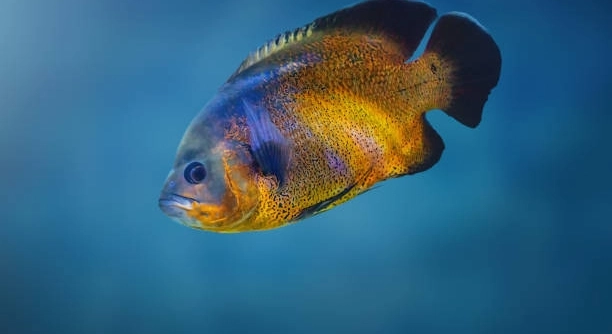
Oscar fish are known for their vibrant personalities, but when they’re struggling to adjust to their environment, it can be worrying. Identifying signs of stress early on is crucial for maintaining their health and well-being.
Poor water quality, lack of stimulation, and improper tank conditions are the main causes of an Oscar fish’s failure to adjust. Monitoring water temperature, maintaining a clean environment, and providing adequate space for swimming can significantly improve their adjustment process.
Knowing these indicators will help you address any issues early, ensuring your Oscar fish thrives in its new home.
Poor Water Quality
Oscar fish thrive in clean water, so maintaining high water quality is essential. They are sensitive to pollutants, ammonia, and nitrites, which can cause stress or even illness. Regular water changes, ideally every week, help keep the water fresh and prevent harmful substances from building up. Use a reliable filtration system to ensure that the water remains free of debris and toxins. Also, test the water regularly for pH levels, temperature, and ammonia content. Keeping these levels stable will ensure that your Oscar fish feels comfortable and secure in its environment.
If the water quality is poor, the fish may show signs of discomfort such as lethargy, lack of appetite, or unusual behavior.
Oscars need stable water conditions to maintain good health. Any sudden changes in water quality can affect their immune system, making them more prone to diseases. Clean water promotes better coloration, higher energy levels, and a more active disposition. Investing in a quality filtration system and monitoring water quality closely will benefit your Oscar fish in the long run.
Inadequate Tank Size
The size of the tank is a crucial factor for your Oscar fish’s well-being.
An Oscar fish needs at least a 55-gallon tank, but the larger the tank, the better. These fish are territorial and can grow quite large, reaching up to 12-14 inches in length. If the tank is too small, they may feel stressed or cramped, which can lead to poor health and aggression.
In a cramped tank, Oscars may become more aggressive, which could lead to territorial disputes or even harm. A bigger tank gives them more space to swim, which is essential for their physical and mental health. Adding hiding spots and decorations can also create a sense of security for the fish.
Poor Tank Maintenance
Oscars need a clean environment to stay healthy.
Neglecting tank maintenance can quickly lead to deteriorating water conditions. Over time, waste, uneaten food, and debris build up, affecting the water quality. Cleaning the tank regularly helps prevent these issues. Water changes should be done every week, and the filter needs regular cleaning. Keeping the tank free of excess waste ensures your Oscar fish remain active and healthy.
Even with proper filtration, tanks still require maintenance. Leftover food and waste accumulate, causing a spike in toxins, which can stress your fish. You should also clean decorations and remove any algae buildup, as this can affect the water chemistry and make it harder to maintain ideal conditions.
Stress from Tank Mates
Oscar fish can be sensitive to other tank mates.
They may become stressed if placed with aggressive or overly active fish. Oscars are territorial and prefer their own space. If other fish invade this space, your Oscar fish may become agitated, which can lead to health issues. It’s important to choose tank mates that are calm and compatible.
Incompatible tank mates can cause constant stress, leading to a weakened immune system. If this is left unchecked, the Oscar fish might become ill or more aggressive, further disrupting the tank’s balance. Larger fish or peaceful bottom dwellers may be suitable companions, but always monitor interactions.
Improper Diet
Oscar fish require a balanced diet for proper health.
Feeding your Oscar too much processed food or not offering enough variety can lead to malnutrition. A diet high in protein and low in fats is essential for them. Include live or frozen foods such as shrimp, worms, and small fish to provide nutrients and mimic their natural diet.
Avoid overfeeding, as it can lead to obesity and water quality issues. Give your Oscar a varied diet, but ensure the portions are appropriate for its size and age. Proper nutrition supports a strong immune system, healthy growth, and vibrant coloration.
Illness or Disease
Oscars are prone to various diseases that can affect their well-being.
If your Oscar fish is not adjusting well, it could be suffering from an underlying illness. Look out for signs like lethargy, faded colors, abnormal swimming patterns, or visible sores. These can point to common infections such as ich or fin rot.
Quick intervention is crucial to prevent diseases from worsening. A quarantine tank can help isolate the affected fish and prevent spreading illness. It’s important to identify the type of disease early and administer the correct treatment, whether it be antibiotics, anti-parasitic treatments, or other specialized medications.
Unstable Water Temperature
Temperature plays a significant role in the health of your Oscar.
Oscars are sensitive to fluctuating temperatures. They require a stable environment with a consistent water temperature between 75°F and 82°F. If the water temperature fluctuates too much, it can cause stress and make your Oscar more susceptible to illness. A reliable aquarium heater is essential to maintain the right conditions.
FAQ
What is the ideal tank size for an Oscar fish?
Oscar fish need a minimum of a 55-gallon tank, but bigger is always better. As they grow, they can reach up to 14 inches in length, requiring ample swimming space. A larger tank allows them to move freely and reduces stress, improving their overall health. Remember, Oscars are territorial, so providing enough space is essential to avoid aggression toward other fish. The bigger the tank, the better their quality of life.
Can I keep multiple Oscar fish together?
While it is possible to keep more than one Oscar in a tank, it’s not always the best choice. Oscars are known to be territorial, especially as they grow older. If you do decide to keep multiple Oscars, ensure that the tank is large enough to give each one enough space. You should also monitor them closely, as they may become aggressive toward one another. Consider placing them in separate areas of the tank using decorations or dividers to reduce territorial disputes.
What should I feed my Oscar fish?
Oscar fish are carnivorous and thrive on a diet rich in protein. Offer them a variety of live, frozen, or freeze-dried foods like shrimp, worms, and small fish. You can also feed them high-quality pellets and flakes designed specifically for carnivorous fish. A varied diet ensures they receive all the necessary nutrients for healthy growth and vibrant coloration. Avoid overfeeding, as it can lead to obesity and deteriorate water quality. Feed them once or twice a day, offering only what they can consume in a few minutes.
How often should I clean the tank?
Maintaining a clean tank is crucial for the health of your Oscar fish. Perform partial water changes of about 25-30% every week to keep the water quality stable. Additionally, clean the filter every few weeks and remove any debris, uneaten food, and waste. It’s important to keep the tank free from harmful toxins like ammonia, nitrites, and nitrates. You should also scrub decorations and clean the substrate regularly to prevent the buildup of algae or waste. Keeping the tank clean will reduce the risk of disease and stress for your Oscar fish.
How can I tell if my Oscar is sick?
If your Oscar fish isn’t adjusting well, it could be a sign of illness. Look for changes in behavior, such as lethargy, loss of appetite, or unusual swimming patterns. Physical signs like faded coloration, torn fins, lesions, or white spots on the skin can indicate diseases like ich, fin rot, or fungal infections. If you notice these symptoms, it’s important to act quickly by isolating the affected fish in a quarantine tank and seeking treatment. Early intervention can prevent the spread of disease and increase the chances of recovery.
Can Oscars live with other fish?
Oscars can live with other fish, but it requires careful selection of tank mates. They are aggressive and may attack smaller or slower-moving fish. Best tank mates include large, peaceful fish like plecos, catfish, or large cichlids that can tolerate Oscar’s territorial behavior. Avoid keeping them with smaller fish, as Oscars may see them as food. Keep in mind that each Oscar has its own temperament, and some may be more aggressive than others. Regular monitoring is key to ensuring compatibility between your Oscar and other fish.
What should I do if my Oscar is acting aggressively?
If your Oscar is acting aggressively, it could be a sign of stress or territorial behavior. Ensure that the tank is large enough for the Oscar to have its own space. Adding decorations or plants to create hiding spots can help reduce stress and give your fish a sense of security. If the aggression is directed at other fish, consider separating them to prevent harm. You should also check the water quality, as poor conditions can increase aggression. If the behavior continues, observe whether it’s related to a particular tank mate or environmental factor.
Why is my Oscar not eating?
A lack of appetite in an Oscar fish can be a sign of stress, illness, or poor water quality. If your Oscar isn’t eating, first check the water parameters, including temperature, pH, and ammonia levels. Poor water quality can cause fish to lose their appetite. Stress from other tank mates, an overcrowded tank, or changes in the environment can also result in a loss of appetite. If the water is fine and the stressor is identified, consider adding live food to entice your Oscar to eat. If the problem persists, consult with an aquarium professional.
How do I know if my Oscar fish is stressed?
Oscar fish show signs of stress in various ways. Common signs include excessive hiding, erratic swimming, loss of appetite, and darkened coloration. Stress can be caused by factors like poor water quality, overcrowding, sudden temperature changes, or incompatible tank mates. If your Oscar is exhibiting signs of stress, examine the tank conditions to identify any issues. Make sure the water temperature and pH are stable and that the tank size is appropriate. Reducing any environmental stressors will help your Oscar feel more comfortable and adjust better to its surroundings.
Can I use tap water for my Oscar fish?
You can use tap water for your Oscar fish, but it’s essential to treat it first. Tap water often contains chlorine, chloramine, or heavy metals that can harm fish. Use a water conditioner to remove these harmful substances before adding it to the tank. It’s also important to test the tap water for pH, hardness, and ammonia levels to ensure they are suitable for Oscars. If the water is too hard or too soft, you may need to adjust it with specific water conditioners to match the requirements of your Oscar fish.
Why is my Oscar fish swimming sideways or upside down?
If your Oscar is swimming sideways or upside down, it could be a sign of a swim bladder disorder. This condition affects the fish’s buoyancy and can cause it to swim abnormally. Swim bladder issues are often caused by overfeeding, poor water quality, or injury. To help treat the condition, reduce the amount of food given to the fish and avoid feeding it high-fat foods. You can also perform water changes to improve the water quality and alleviate any stress. If the problem persists, consult with an aquarium professional for further treatment options.
Final Thoughts
Taking care of an Oscar fish requires attention to detail and a commitment to maintaining the right environment. These fish are known for their intelligence and personality, but they can also be quite sensitive to changes in their habitat. By understanding their needs and providing proper care, you can ensure that your Oscar thrives. Regular tank maintenance, such as water changes and keeping the temperature stable, is essential. A well-maintained tank is key to preventing stress and illness, allowing your Oscar to remain healthy and active.
Feeding your Oscar a balanced diet is another important factor in its well-being. Offering a variety of foods, including live or frozen options, will provide the necessary nutrients for growth and vitality. Avoid overfeeding, as this can lead to health problems and poor water quality. Always monitor your fish’s behavior and physical condition to catch any signs of illness early. Timely intervention can often make the difference between a quick recovery and a more serious problem.
In addition to proper diet and tank maintenance, creating a suitable tank environment is crucial. Oscars are territorial and may exhibit aggressive behavior, so providing enough space is vital. Keep the tank large enough to avoid overcrowding, and consider using decorations and plants to create hiding spots. These elements can help reduce stress and offer a sense of security. With the right care, your Oscar can be a vibrant and engaging pet, offering years of enjoyment.

Hello,
If you enjoy the content that we create, please consider saying a "Thank You!" by leaving a tip.
Every little bit helps us continue crafting quality advice that supports the health, happiness, and well-being of pets around the world, for pets of all shapes, sizes, and species.
We really appreciate the kindness and support that you show us!