
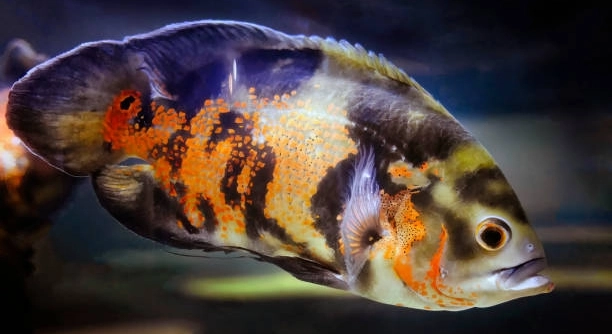
Oscar fish are fascinating creatures that often display intriguing behaviors. As the day winds down and lights go off, their actions become even more unique. If you’re curious about what happens after dark, keep reading.
Oscar fish exhibit distinct behaviors after lights out, such as increased activity, interactions with their environment, and sometimes even a change in their feeding habits. These fish often become more active, moving around their tanks in search of food or shelter.
Understanding these behaviors will help you better care for your Oscar fish and create a more enjoyable environment for them. You’ll soon discover how their nighttime actions can provide insights into their well-being.
Increased Activity After Lights Out
When the lights go off, Oscar fish often show more activity. They are not as relaxed as they appear during the day. Instead of resting, they swim around the tank more frequently. This increased movement could be a sign that they are more comfortable in their environment, or simply that they are active hunters.
Their activity can sometimes become erratic, as they chase invisible prey or explore corners of the tank. If your Oscar fish is pacing or darting around, it’s simply their way of staying active and alert. They may be looking for food, even when it’s not time for a meal.
It’s important to consider their environment during these nighttime activities. Ensure the tank is well-structured, with hiding spots where they can retreat if they feel stressed. The behavior could also be influenced by external factors such as tank size, water temperature, or even the presence of other fish in the aquarium. Keeping the environment stable will likely help manage their nighttime restlessness.
Change in Feeding Habits
Oscar fish often change their feeding habits after lights go off. They may become more aggressive and eager to hunt at night.
This change in behavior stems from their natural instincts. Oscar fish are opportunistic feeders, and in the wild, they would hunt in lower light conditions. In a home aquarium, this means they might show more interest in food after dark, searching the tank for anything they can catch. This change can also indicate that they are still hungry or are trying to satisfy their natural hunting instincts. To accommodate this behavior, you can adjust their feeding schedule and offer food after lights out to mimic their natural feeding pattern.
Increased Aggression at Night
Oscar fish can show signs of increased aggression when the lights are off. This could be due to a variety of reasons, including territorial instincts or environmental changes.
They may swim aggressively toward other tank mates or become more defensive of their space. The shift in behavior may also be connected to the fact that they feel more secure in darkness, which reduces their fear of predators. It’s important to monitor their interactions with other fish to prevent bullying or injury.
To manage their aggression, consider providing more hiding places in the tank or rearranging the décor. Giving them spaces to retreat to can help reduce stress and allow them to feel more in control of their environment.
Changes in Social Behavior
Oscar fish can also exhibit altered social behavior after dark. They may become more reclusive or interact differently with other fish.
As nocturnal creatures, Oscar fish often prefer solitude in the dark hours, so they may retreat into a corner or hide among plants. However, when they do interact with other fish, it can be more aggressive or curious. These behaviors are typically linked to their natural instincts to protect themselves during the nighttime. Understanding these shifts can help you determine how to best manage their social needs.
If there are multiple Oscars in the tank, expect some changes in their interaction patterns. They may establish a hierarchy at night that is more intense than during the day. Observing these shifts will help you provide a more suitable living environment for all your fish.
Changes in Feeding Time Behavior
Oscar fish may seem hungrier after lights out. Their feeding behavior can shift, and they may actively search for food at night. This instinct is tied to their natural hunting patterns.
Feeding them after dark can help mimic their behavior in the wild. It’s not uncommon for them to show increased enthusiasm for food in lower light conditions. In some cases, they may even forage around the tank, searching for scraps. This is simply part of their nocturnal activity and can be managed with proper feeding schedules.
Impact of Tank Lighting on Behavior
The lighting in the tank plays a crucial role in influencing Oscar fish behavior. Inadequate or overly bright lighting may cause stress.
Oscar fish prefer lower light settings during nighttime. Excessive lighting can make them feel exposed and increase restlessness. This can also lead to more aggressive or anxious behavior as they try to avoid being visible. To create a more comfortable atmosphere, consider adjusting the tank’s lighting to a dimmer level during night hours. This small change can help maintain a calm environment, reducing stress for your fish.
Exploration of Tank Environment
After lights go out, Oscar fish will often explore their surroundings more thoroughly. They may move objects, investigate plants, or hide in new spots.
This exploration is driven by their natural curiosity. Oscars are intelligent fish and enjoy interacting with their environment, especially in low light. If the tank is properly arranged with hiding spots, they will feel more secure and engage with the surroundings more comfortably. Consider adding caves or plants to encourage exploration. This helps keep them mentally stimulated and content.
FAQ
Why do Oscar fish become more active at night?
Oscar fish are naturally more active at night due to their nocturnal instincts. In the wild, they would hunt and explore during lower light conditions, which helps them avoid predators and stay alert. The darkness in your tank likely mimics these natural surroundings, leading them to engage in more movement. They are constantly looking for food or shelter, even in the dark, which causes them to become more active when the lights go out.
How can I reduce aggression in Oscar fish after dark?
Aggression in Oscar fish at night can be reduced by providing a well-structured tank with plenty of hiding spots. This allows them to feel secure, especially if there are other fish around. Rearranging tank decorations or adding new plants can also provide a fresh environment that might distract them from being territorial. Also, ensure that their nighttime feeding schedule is managed to prevent hunger-driven aggression.
What can I do if my Oscar fish is constantly chasing other fish after lights out?
If your Oscar fish is chasing other fish, it’s likely due to territorial behavior. To minimize this, consider adding more hiding spaces or creating visual barriers in the tank. This can reduce stress by allowing fish to retreat when they feel threatened. Also, make sure the tank is large enough for all the fish to establish their space and not compete for resources. If the chasing continues, you might need to reconsider tank mates or separate aggressive fish.
Do Oscar fish need darkness to feel comfortable at night?
Yes, Oscar fish generally prefer low light conditions at night. While they can tolerate some lighting, too much brightness can make them feel exposed and stressed. It’s helpful to keep the tank dim or have a nightlight with low intensity. This will encourage them to act naturally, reducing anxiety and allowing them to rest comfortably.
Is it normal for my Oscar fish to be more aggressive after lights go off?
It is normal for Oscar fish to display more aggression at night. This behavior can be attributed to their heightened alertness during the dark hours. In their natural habitat, they may need to defend their territory or food sources against other creatures. However, managing their environment can reduce aggression by providing safe hiding spots and ensuring they aren’t hungry.
How often should I feed my Oscar fish at night?
Feeding your Oscar fish at night can be beneficial since they tend to be more active and eager to eat after dark. Aim to feed them once or twice a day, depending on their age and size. It’s important not to overfeed, as this can lead to water quality issues. Offer them a small amount of food after the lights go off, ensuring it’s consumed within a few minutes.
Why does my Oscar fish seem to be more curious after dark?
Oscar fish are naturally curious creatures, and their inquisitiveness can be heightened at night. The darkness might give them a sense of security, prompting them to explore their environment more. This can include investigating plants, moving decorations, or checking out new objects in the tank. Allowing them space to explore and adding objects for stimulation can keep them mentally engaged and reduce boredom.
Can my Oscar fish get stressed if the lights are too bright?
Yes, bright lights can stress your Oscar fish. In the wild, they experience a more gradual transition from light to dark, which helps them stay calm. In a tank, bright lights can make them feel vulnerable, which might lead to erratic behavior or aggression. To reduce stress, consider adjusting the tank lighting to be softer or use a dimmer light at night. This helps create a more natural environment for your Oscar fish.
Should I turn off the lights completely for Oscar fish at night?
Turning off the lights completely at night is a good practice for most fish, including Oscars. Complete darkness mimics their natural environment, allowing them to rest and feel safe. However, if your tank is in a room with lots of light, a very dim nightlight can provide a gentle transition. Ensure the lighting isn’t too harsh, as this could disrupt their sleep or lead to stress.
What other signs should I look for to determine if my Oscar fish is stressed at night?
In addition to aggression or erratic swimming, other signs of stress include heavy breathing, hiding more than usual, or refusing to eat. Stress can also manifest as color changes, where the Oscar’s colors may dull or become darker. Keeping an eye on these signs, especially after lights out, can help you take action to improve their environment and reduce stress.

Hello,
If you enjoy the content that we create, please consider saying a "Thank You!" by leaving a tip.
Every little bit helps us continue crafting quality advice that supports the health, happiness, and well-being of pets around the world, for pets of all shapes, sizes, and species.
We really appreciate the kindness and support that you show us!