
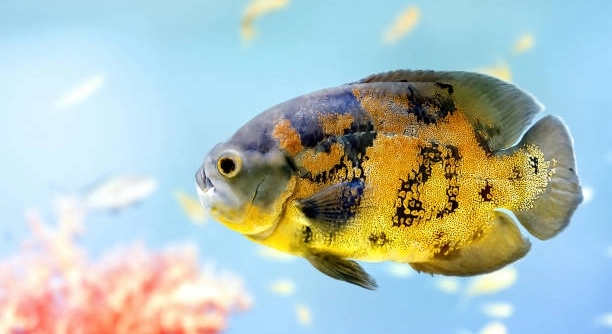
Oscar fish are known for their vibrant colors and unique behavior, making them a popular choice for aquarium enthusiasts. However, when they start floating strangely, it can be concerning for owners. This article explores what might be causing this behavior.
Oscar fish may float in unusual positions due to a variety of factors, including swim bladder issues, water quality, or stress. These conditions can disrupt their buoyancy and cause them to float erratically or remain at the surface.
Understanding the root cause behind your Oscar fish’s behavior can help you address the issue quickly. By identifying the specific problem, you can restore your fish’s health and comfort in its environment.
Common Causes of Oscar Fish Floating Weirdly
Oscar fish are sensitive creatures that can be affected by various factors, leading to abnormal floating behavior. One of the most common issues is swim bladder disease. This condition impacts their ability to control buoyancy, causing them to float erratically. Poor water quality is another frequent cause. When ammonia or nitrite levels rise in the tank, it can stress your fish, leading to unusual swimming patterns. Stress from sudden changes in environment or tank mates can also disrupt their natural behavior. Overfeeding or a poor diet may contribute to swim bladder problems, especially if the fish are consuming excessive amounts of food. Lastly, physical injury or disease can lead to abnormal buoyancy. These factors can disrupt the normal balance of the fish and affect their movement.
Environmental stressors like water temperature fluctuations can make Oscar fish act out of the ordinary. Ensuring consistent water conditions is essential for maintaining their health. Keeping the tank clean and monitoring water parameters regularly can go a long way in preventing issues that affect buoyancy.
By eliminating or managing these common causes, you can significantly improve your Oscar fish’s behavior. Ensuring a balanced and healthy tank is key to avoiding stress and other health issues. Regular monitoring and proper care will help your fish swim freely again.
How Water Quality Affects Buoyancy
Water quality plays a major role in maintaining the health of your Oscar fish. When water parameters are out of balance, it can lead to stress, which might cause unusual floating or swimming patterns.
Maintaining clean water with proper levels of pH, ammonia, and nitrates is crucial for the well-being of your fish. Poor water quality leads to toxins building up, affecting their organs and overall ability to regulate their buoyancy. Testing the water regularly and performing water changes is the best way to ensure a safe environment. A filtration system will help keep the water clean, but even with a filter, regular maintenance is still necessary.
Swim Bladder Problems
Swim bladder issues are one of the most common reasons for Oscar fish floating in strange ways. This organ helps fish control their buoyancy. When it’s damaged or infected, your fish may struggle to stay upright or sink to the bottom.
Swim bladder disease often results from overfeeding or eating foods that are too large. Foods like dried pellets can expand in their stomach, causing pressure on the swim bladder. It can also be linked to bacterial or parasitic infections. The condition may be temporary if caught early, but long-term problems might require medication or adjustments to their diet.
To prevent swim bladder issues, feed your Oscar smaller, properly-sized portions. Live or frozen food is a good choice as it mimics their natural diet. If you suspect swim bladder disease, try fasting your fish for a couple of days to help it recover. Be sure to remove any uneaten food from the tank to keep the water clean.
Stress and Environmental Factors
Oscar fish can become stressed due to sudden changes in their environment, which may lead to abnormal floating behavior. This includes fluctuations in water temperature or poor tank conditions.
Stress can also result from tank mates that are too aggressive or overcrowded conditions. Oscars are territorial, and when they feel threatened, they may display unusual swimming patterns or float in odd positions. Providing a calm and stable environment with suitable tank mates can help reduce stress. Avoid sudden changes to the tank’s temperature or environment, as this can make your Oscar fish more prone to buoyancy issues.
Regularly check for stress triggers in the tank and address them promptly. A peaceful tank with suitable hiding spots can go a long way in reducing anxiety in your Oscar fish. Keep in mind that these fish prefer consistent conditions for optimal health.
Overfeeding and Diet Issues
Overfeeding your Oscar fish can cause swim bladder problems, leading to odd floating behavior. When they eat too much, food can press against the swim bladder, affecting their buoyancy.
Oscar fish are opportunistic eaters, but they should be given the right amount of food to avoid digestive issues. Overfeeding can lead to obesity, which further impacts their ability to swim properly. Stick to feeding small portions a few times a day and remove any leftover food from the tank.
Physical Injuries and Diseases
Physical injuries like bruising or damage to the swim bladder can cause abnormal floating. Oscars can sometimes hurt themselves when darting around the tank or during aggressive interactions with tank mates.
Injuries may not always be visible, but they can impact your fish’s buoyancy. If you suspect an injury, carefully monitor your fish and ensure there are no sharp objects in the tank. If there’s a visible wound or swelling, quarantine your fish and treat the injury as needed.
FAQ
Why is my Oscar fish floating at the top of the tank?
Oscar fish may float at the top of the tank due to swim bladder problems, which can affect their ability to regulate buoyancy. This condition can be caused by overfeeding, poor water quality, or even physical injury. Make sure you’re not feeding them too much, and check the water parameters to ensure everything is in balance. If the problem persists, you may need to consult a vet for a proper diagnosis.
Can stress cause my Oscar fish to float weirdly?
Yes, stress can lead to abnormal floating or swimming patterns. Oscars are sensitive to changes in their environment, such as fluctuations in water temperature or the introduction of aggressive tank mates. Stress can disrupt their ability to swim normally, so maintaining a stable tank environment is crucial. Avoid sudden temperature changes and ensure that the tank has plenty of hiding spots for your Oscar to feel safe.
How can I tell if my Oscar fish has swim bladder disease?
Swim bladder disease is often indicated by your Oscar floating strangely or having difficulty swimming properly. They might float to the surface or sink to the bottom and struggle to stay upright. Look for signs like a distended belly or abnormal posture. If you notice these behaviors, try fasting your fish for a few days to see if it helps. If the condition persists, you may need to treat it with medication or adjust their diet.
Can poor water quality cause my Oscar fish to float weirdly?
Yes, poor water quality can lead to health issues, including abnormal floating. High ammonia, nitrites, or nitrates can stress your fish and disrupt their buoyancy. Regular water changes and testing water parameters are essential for keeping your Oscar healthy. Ensure that your tank’s filtration system is working properly and that water is clean and free of harmful chemicals.
Should I change my Oscar fish’s diet if it’s floating strangely?
Yes, adjusting your Oscar’s diet might help if the fish is floating strangely. Overfeeding or feeding improper foods can cause digestive issues, including swim bladder problems. Feed them smaller, more frequent portions, and avoid feeding them foods that could expand in their stomach, such as dried pellets. Offering a balanced diet with a variety of live or frozen food can also help improve their digestive health.
How do I treat swim bladder disease in my Oscar fish?
Swim bladder disease can often be treated by fasting your fish for a few days to give their digestive system a break. If the issue is caused by constipation, fasting may help relieve the pressure. You can also try feeding them high-fiber foods, such as cooked peas, which can help clear up any digestive blockages. If the problem persists, medication might be required, and it’s a good idea to consult with an aquarium vet.
What temperature should my Oscar fish tank be?
Oscar fish thrive in warm water, typically between 74-81°F (23-27°C). Maintaining a consistent water temperature is essential for their overall health. Fluctuations in temperature can stress the fish and affect their buoyancy. Invest in a reliable aquarium heater and thermometer to keep the water at a stable and appropriate temperature.
Can tank mates affect my Oscar fish’s behavior?
Yes, aggressive or territorial tank mates can stress your Oscar fish, leading to abnormal floating or erratic swimming patterns. Oscars can be territorial, so it’s important to choose tank mates carefully. Opt for peaceful, similar-sized fish, and avoid overcrowding the tank. Providing hiding spots can also reduce stress and help your Oscar feel secure.
How can I tell if my Oscar fish is overfed?
Overfeeding can cause digestive problems, leading to strange floating behavior. If your Oscar’s belly looks swollen or distended, it may be eating too much. Stick to a feeding schedule and offer only the amount of food your fish can consume in a few minutes. Remove any uneaten food to prevent water contamination. Regularly monitor their body condition and adjust portions as needed.
Is it normal for my Oscar fish to float on its side?
Floating on its side is not normal and could indicate a health problem, such as swim bladder disease or internal injury. It can also be a sign of severe stress or infection. Monitor the tank environment closely and ensure there are no factors contributing to the fish’s discomfort. If this behavior continues, consider consulting an aquarium vet for proper treatment.
Should I quarantine my Oscar fish if it’s floating weirdly?
If your Oscar is displaying abnormal floating behavior, quarantining it might be a good idea to prevent the spread of potential diseases. This is especially important if you suspect an infection or if there are other fish showing similar symptoms. Quarantine tanks allow you to treat the problem without risking other fish in the main tank.
Can physical injuries cause Oscar fish to float in unusual ways?
Yes, physical injuries can affect the swim bladder or other organs, causing your Oscar to float strangely. If you notice cuts, bruises, or swelling, it may be a sign of injury. Check the tank for sharp objects or other hazards that could have caused the injury. If the injury seems serious, isolate the fish and treat it accordingly.
Final Thoughts
Dealing with an Oscar fish that is floating strangely can be concerning, but it’s important to approach the situation with patience and understanding. There are several potential causes, from swim bladder issues to water quality problems, and sometimes, the solution can be as simple as adjusting their diet or providing a more stable environment. Being aware of the factors that could be affecting your fish’s behavior will help you address the issue effectively. Whether it’s overfeeding, stress, or a potential illness, each problem can usually be managed with the right care and attention.
Proper water maintenance and a balanced diet are key to keeping your Oscar fish healthy. By regularly checking water parameters and providing an appropriate environment, you can prevent many of the issues that lead to abnormal floating behavior. Additionally, being mindful of how much and what type of food you offer can make a big difference. Smaller, more frequent feedings are better for your Oscar than overfeeding or offering food that can expand in their stomach. Along with diet, ensuring that your fish has a calm, stable tank with the right temperature and compatible tank mates will reduce the likelihood of stress affecting their behavior.
If your Oscar fish continues to float strangely despite making adjustments, it’s important to seek further help. Sometimes, underlying health issues such as infections or injuries can cause these symptoms. In these cases, isolating the fish for treatment or consulting an aquarium vet might be necessary. While it can be troubling to see your fish in distress, knowing the common causes and solutions can help you feel more confident in taking the right steps. Regular monitoring and prompt action can ensure your Oscar returns to its normal, healthy state.

Hello,
If you enjoy the content that we create, please consider saying a "Thank You!" by leaving a tip.
Every little bit helps us continue crafting quality advice that supports the health, happiness, and well-being of pets around the world, for pets of all shapes, sizes, and species.
We really appreciate the kindness and support that you show us!