
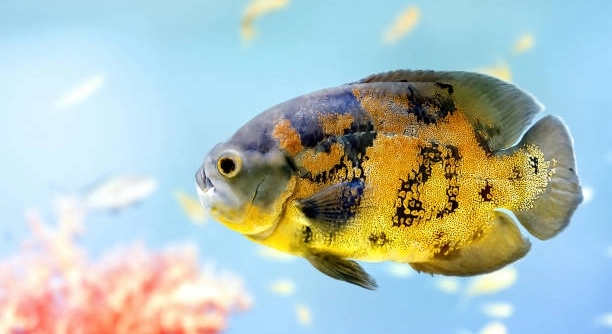
Oscar fish are fascinating creatures that can exhibit some unusual behaviors. One of these behaviors is chasing air bubbles, which may leave you wondering what’s going on with your fish. It’s a common occurrence in aquariums.
Oscar fish may chase air bubbles due to natural instincts or environmental factors. They could be reacting to water conditions, trying to find food, or simply engaging in playful behavior. Understanding their environment can help explain this activity.
Recognizing why your Oscar fish chases air bubbles is the first step in ensuring a happy, healthy fish. We’ll explore possible reasons behind this behavior and what you can do to support your fish’s well-being.
Possible Causes for Your Oscar Fish’s Behavior
Oscar fish are naturally curious and sometimes exhibit odd behaviors, such as chasing air bubbles. One common reason for this is simply their playful nature. They may see the bubbles as an intriguing target to interact with, which can keep them entertained. Another possibility is that they are searching for food. Fish often mistake air bubbles for small prey, especially if they are hungry. Oscar fish have an instinct to chase after things in their environment, including bubbles, as part of their feeding behaviors.
Fish that are kept in aquariums may also chase bubbles if the water conditions aren’t ideal. Oscars are known to be sensitive to changes in their environment. They could be trying to improve their situation by moving toward the surface to get better oxygen or reduce stress.
If you notice your fish doing this frequently, it might be time to check the water quality and make sure it’s balanced. Monitoring things like oxygen levels and water temperature could help address the issue.
How to Fix It
If your Oscar fish is chasing bubbles out of boredom, adding enrichment activities may help. Consider adding hiding spots or toys to the tank to keep your fish busy. If the behavior seems linked to water quality, it’s important to address that as soon as possible. Oscars need stable, clean water to thrive.
A sudden change in water temperature or poor oxygen levels can cause stress. Make sure your aquarium is properly filtered and well-maintained. You should also check that the tank has enough surface area for proper oxygen exchange. A good filtration system can make all the difference. Additionally, make sure the water temperature stays within the range that suits your Oscar fish’s needs.
Sometimes, Oscar fish may also act this way if they are adjusting to their new home. If you recently introduced your fish to the tank, allow them some time to settle in. It’s normal for them to explore their surroundings. However, if this behavior persists, addressing the root cause is key to ensuring their health and happiness.
Checking Water Quality
Poor water quality is often the reason behind unusual behavior in fish, including chasing bubbles. Oscar fish are sensitive to changes in their environment, and imbalances can cause stress. Regular water tests for ammonia, nitrites, nitrates, and pH levels are important. Keeping these levels in check will help your Oscar feel more comfortable and reduce any abnormal behaviors.
Make sure your filter is working efficiently and that the tank is properly maintained. High levels of toxins or pollutants in the water can make your Oscar more active than usual, as they might be trying to escape discomfort. Routine water changes are essential to ensure that your fish stays in a safe, healthy environment.
If your water parameters are off, correcting them quickly can make a big difference in how your fish behaves. Test your water regularly, and perform partial water changes if needed. Your Oscar fish will be more content in a stable and clean environment.
Oxygen Levels and Surface Area
Low oxygen levels are another factor that might make your Oscar chase air bubbles. Oscars need plenty of oxygen to stay healthy, and if the oxygen level in the tank is too low, your fish may seek bubbles near the surface to breathe.
To address this, ensure your aquarium has proper aeration. A reliable air pump and air stones can help increase oxygen circulation, especially in tanks with limited surface area. If your tank has a lot of fish or a heavy load, extra aeration will be necessary.
Additionally, make sure the water’s surface is unobstructed to allow for adequate gas exchange. Without enough oxygen, your Oscar may feel stressed and engage in unusual behaviors like chasing air bubbles.
Stress and Environment
Stress can cause your Oscar fish to behave unusually, including chasing air bubbles. If your fish feels threatened by other tankmates or environmental factors, it may become more active or agitated.
A lack of hiding spaces or a noisy environment can contribute to this. Make sure your tank provides enough cover for your Oscar to retreat when needed.
Oscar fish also don’t thrive in crowded tanks. Too many fish or too much activity can overwhelm them. Reducing tank density can help your Oscar feel more at ease. Consider adding plants or decorations to give them a sense of security.
Tank Size and Space
Tank size is crucial for an Oscar’s well-being. If your fish is in a cramped tank, it may be more likely to chase bubbles or exhibit other stressed behaviors. Oscars can grow quite large and need plenty of space to swim freely.
Providing a large tank with ample swimming room will help your Oscar feel more comfortable and less likely to act out. A 75-gallon tank or larger is recommended for an adult Oscar fish. A bigger tank helps maintain better water quality and allows for proper oxygen exchange.
A spacious tank also gives your Oscar more options to explore and interact with its environment, reducing stress and encouraging more natural behavior.
Feeding and Diet
A poor diet can affect your Oscar’s behavior, making it more likely to chase bubbles. If your fish isn’t getting enough nutrients, it might become agitated or overly curious. Make sure you’re feeding your Oscar a balanced diet suited to its needs.
In addition to pellets, Oscars also enjoy live or frozen foods like worms, shrimp, and fish. A varied diet will help keep your fish satisfied and healthy. If your Oscar is constantly searching for food, it could be because it’s not getting enough nutrition.
FAQ
Why is my Oscar fish chasing bubbles in a new tank?
When you first introduce your Oscar fish to a new tank, it may start chasing bubbles due to stress or unfamiliar surroundings. Oscars are territorial and may feel anxious in a new environment. It’s normal for them to explore the tank by interacting with bubbles as they adjust to their new space. Ensure the water conditions are stable, and give your Oscar some time to settle in. Over time, the behavior should subside once your fish becomes comfortable in its new home.
Can water temperature affect my Oscar’s behavior?
Yes, water temperature can significantly impact your Oscar fish’s behavior. Oscars prefer warm water, typically between 74°F and 81°F (23°C – 27°C). If the temperature is too high or too low, it can cause stress, making your Oscar more active and potentially leading to chasing air bubbles. Be sure to maintain a consistent temperature using an aquarium heater. Sudden temperature fluctuations can also lead to health problems for your Oscar.
How can I tell if my Oscar fish is stressed?
Stress in an Oscar fish can manifest in several ways, including erratic swimming patterns, frequent chasing of air bubbles, hiding, or loss of appetite. Stress can be caused by poor water quality, overcrowding, or aggressive tankmates. If your Oscar is showing signs of stress, it’s important to check the water conditions, ensure there’s enough space in the tank, and monitor the behavior of other fish. Making changes to the tank environment can help reduce stress.
What other fish can I keep with an Oscar fish?
Oscar fish are semi-aggressive and often prefer to be the dominant fish in their tank. It’s best to keep them with larger, robust fish that can handle their temperament. Good tankmates might include cichlids, larger catfish, or other strong swimmers. Avoid small fish that may be seen as prey, and ensure there’s enough space in the tank to prevent territorial disputes. Keep an eye on their interactions to make sure no fish is being bullied.
Is it okay to add live plants to an Oscar fish tank?
While adding live plants to your Oscar’s tank can improve water quality and provide hiding spots, Oscars tend to be rough on plants. They may uproot or tear them apart, especially if they’re feeling curious or stressed. If you want to add plants, choose hardy, fast-growing varieties like Anubias or Java fern, which are more likely to survive Oscar’s active behavior. You may also want to use a plant substrate or anchoring system to help the plants stay in place.
How can I prevent my Oscar fish from chasing bubbles constantly?
If your Oscar is chasing bubbles continuously, it might be due to stress, poor water quality, or oxygen deficiency. First, check the water parameters like pH, ammonia, and nitrate levels. Ensure the tank has proper filtration and aeration to provide sufficient oxygen. Adding hiding spots and reducing tank stress can help too. If your Oscar is simply bored, consider adding enrichment activities, such as tank decorations or other items that might capture its attention more than the bubbles.
Can an Oscar fish be overfed?
Yes, Oscar fish can be overfed. Feeding them too much can lead to obesity, poor water quality due to uneaten food, and digestive problems. It’s important to feed them the right amount—typically once or twice a day. Offer them a balanced diet of high-quality pellets, along with occasional live or frozen foods. Monitor their appetite to ensure they’re eating enough without overfeeding.
Is it necessary to have a large tank for an Oscar fish?
Oscar fish require plenty of space as they grow large and active. A tank size of at least 75 gallons is recommended for one adult Oscar. A larger tank helps maintain good water quality, provides enough space for swimming, and allows for better oxygen exchange. A cramped tank can cause stress and result in abnormal behavior like chasing bubbles. If you plan to keep multiple Oscars or other fish, you’ll need an even larger tank.
Why does my Oscar fish act aggressive towards other tankmates?
Oscar fish are known for their aggressive tendencies, particularly when they feel their territory is being invaded. This can result in chasing, nipping, or fighting with other fish. Providing plenty of space and hiding spots can help reduce aggression. If you have other aggressive species in the tank, it might lead to constant fighting. Monitor their behavior, and if aggression continues, you may need to separate them or find better tankmates.
Can I feed my Oscar fish fruits and vegetables?
Oscar fish are primarily carnivorous but will occasionally eat some fruits and vegetables. It’s important to feed them protein-rich foods like pellets, worms, and shrimp. However, small amounts of vegetables, such as spinach, peas, or zucchini, can be a healthy addition to their diet. Make sure the vegetables are soft and cut into small, manageable pieces to prevent any digestive issues.
How often should I clean my Oscar’s tank?
Regular tank cleaning is essential for the health of your Oscar fish. Perform partial water changes of about 25-30% every two weeks. Use a gravel vacuum to remove debris and waste that settles at the bottom. Clean the filter regularly to maintain water flow and keep it running efficiently. Always test the water before and after cleaning to ensure the parameters remain within safe levels.
Does my Oscar fish need a tank with a lid?
Oscar fish are known to jump, especially if they feel startled or stressed. Having a lid on your tank helps prevent accidents and keeps your fish safe. It also helps maintain a stable temperature and reduces evaporation. If you don’t have a lid, consider investing in one to keep your Oscar secure and comfortable in its environment.
Final Thoughts
Oscar fish are fascinating creatures, known for their intelligence and strong personalities. When your Oscar starts chasing air bubbles, it’s important to consider various factors that could be influencing its behavior. This could range from the natural instincts of the fish to environmental factors like water quality and temperature. While chasing air bubbles might seem odd at first, it’s usually a sign that your fish is reacting to something in its environment, whether it’s stress, hunger, or a simple case of curiosity.
Understanding the root cause of the behavior is key to addressing it. If your fish seems to be stressed, make sure your tank provides enough space, hiding spots, and stable water conditions. Stress often leads to behaviors like chasing bubbles, so ensuring your Oscar feels comfortable and secure will help reduce this activity. Check the water quality regularly, maintain proper filtration, and make sure the temperature stays within the recommended range for Oscar fish. You can also add enrichment items to the tank, such as plants or decorations, to give your fish something else to focus on rather than the bubbles.
In some cases, chasing bubbles is simply a harmless activity. Oscar fish are curious and may find entertainment in interacting with things in their environment. However, if the behavior becomes excessive, or if other signs of stress, poor health, or discomfort appear, it’s important to take action. Regular tank maintenance, proper feeding, and monitoring of water conditions can help prevent such behaviors from escalating. By paying attention to your Oscar’s needs and responding to changes in its behavior, you can help ensure it remains happy and healthy in its home.

Hello,
If you enjoy the content that we create, please consider saying a "Thank You!" by leaving a tip.
Every little bit helps us continue crafting quality advice that supports the health, happiness, and well-being of pets around the world, for pets of all shapes, sizes, and species.
We really appreciate the kindness and support that you show us!