
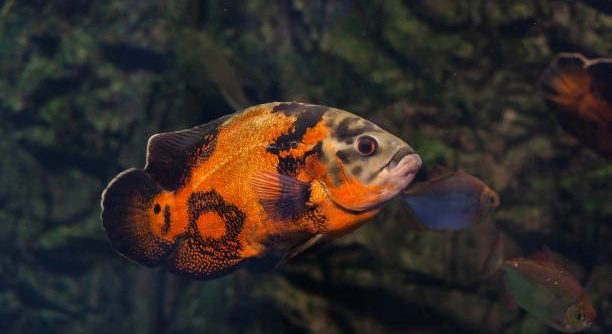
Oscar fish are fascinating creatures with unique behaviors that every owner should be aware of. Understanding their natural instincts can help ensure a healthy, thriving environment for them. These behaviors also offer a glimpse into their overall well-being.
Oscar fish should exhibit behaviors like swimming actively, exploring their tank, and showing curiosity toward their environment. They may also interact with their owners, showing signs of recognition and even affection. Understanding these traits can help in providing proper care.
Recognizing these natural behaviors is important for Oscar fish owners. Knowing what’s typical for them helps avoid confusion and ensures they stay healthy and happy in their environment. These behaviors also give valuable insight into their emotional and physical needs.
Active Swimming
Oscar fish are naturally active swimmers, often darting around their tank. This constant movement is a sign of good health and vitality. They are not shy and will swim near the front of the tank, showing their curiosity about their surroundings. If your Oscar is swimming actively, it indicates they feel secure in their environment and are enjoying their space.
Active swimming is important for Oscar fish. It allows them to burn energy, maintain muscle tone, and promote overall health. They can become more sedentary when stressed or unwell, which is why it’s crucial to provide a suitable habitat for them. Healthy movement reflects both physical and mental well-being.
Make sure your Oscar has enough room to swim freely. Overcrowding the tank or having a tank that’s too small can make them anxious, causing lethargy. A spacious tank, combined with proper filtration, will keep them swimming energetically. This behavior should be a regular sight when your fish is happy.
Curiosity and Exploration
Oscars are curious creatures, constantly investigating their environment. They will swim around the tank, touching objects with their mouths, and even try to interact with any new additions to their space. This behavior is a sign of a healthy, mentally engaged fish.
Their inquisitive nature is a way for them to learn about their surroundings. They often explore hiding spots, decorations, or even new fish introduced to the tank. Oscars can become bored if they have nothing to explore, so it’s important to have a variety of items in their tank for them to examine. A lack of stimulation can result in stress or abnormal behaviors. It’s recommended to add tank accessories that allow your Oscar to explore and discover new things regularly.
Feeding Habits
Oscar fish are opportunistic eaters and have hearty appetites. They are not picky and will eat a variety of foods, including pellets, live foods, and even frozen options. Their natural instincts drive them to eat larger meals, so it’s essential to feed them the right portions regularly to prevent overfeeding.
It’s important to feed your Oscar a balanced diet. Offering a mix of high-quality pellets, frozen or live food, and occasional treats will keep them healthy. Overfeeding can lead to obesity, which affects their overall health and lifespan. Oscars can also be prone to digestive issues if they are fed the wrong foods or too much at once.
By observing their eating habits, you can get a sense of how much food they need. If your Oscar shows interest in food but doesn’t finish it, try adjusting the portions. Keeping a routine feeding schedule helps prevent overeating and keeps their digestive system in check.
Interacting with Owners
Oscars can form bonds with their owners. They might swim to the front of the tank when they see you, recognizing you as a provider of food and care. Over time, this interaction can develop into a routine. Oscars may also react to your presence by moving closer to the glass, indicating curiosity or affection.
They are intelligent fish and can learn to associate certain actions with food or attention. This can lead to a more engaging and rewarding relationship between the Oscar and its owner. They might even follow your finger or respond to your voice. Oscars are not shy, and their boldness makes them more likely to interact with you regularly.
Although not all Oscars show the same level of engagement, most will display some form of recognition. This behavior is a good sign, as it shows they are comfortable in their environment and have adjusted to their routine. Regular interaction with your Oscar is also a good way to monitor their health.
Territorial Behavior
Oscar fish are territorial by nature. They will often establish a space in their tank that they consider their own. This behavior can become more pronounced if you add new fish or change the tank’s layout. Oscars will defend their territory by displaying aggression towards others.
When they feel their space is threatened, Oscars may chase or nip at other fish. They’re also known to be highly protective of their hiding spots. If your Oscar shows signs of aggression, consider rearranging the tank or giving them more room. Providing plenty of decorations and hiding places can reduce conflicts between tank mates.
Keeping only one Oscar in a tank is often the best option to avoid territorial disputes. However, some owners have success with tank mates that are equally large and assertive. Just be mindful of the behavior and adjust if necessary.
Hiding
Oscar fish are known to enjoy hiding. They will often seek shelter in caves, plants, or behind tank decorations, especially if they are feeling stressed or insecure. Providing hiding spots is important to help them feel safe and reduce anxiety.
A well-stocked tank with hiding places helps mimic the Oscar’s natural environment. If you notice your Oscar frequently hiding, it may be a sign that they are feeling vulnerable or uncomfortable. However, if they spend too much time hiding, it could indicate a health issue, so it’s essential to monitor their behavior closely.
Encouraging your Oscar to feel secure in their space will lead to a more active and healthy fish. A balance of hiding spots and open swimming areas gives your Oscar the option to retreat when necessary while still exploring and interacting with their environment.
Aggression
Oscar fish can display aggression, especially when they feel threatened or territorial. They may chase or nip at other fish, particularly during feeding times or when a new fish is introduced to the tank. Understanding their aggression is crucial for keeping them in a harmonious environment.
While aggression is a natural behavior, it can become problematic if your Oscar is constantly picking fights with tank mates. To reduce aggression, ensure that your Oscar has plenty of space, and avoid overcrowding the tank. The larger the tank, the better the chances of reducing stress and aggression. Providing multiple hiding spots also helps lessen territorial disputes with other fish.
Recognizing early signs of aggression allows you to take action quickly. If your Oscar continues to show hostile behavior, it might be worth considering tank mate compatibility or providing more separation within the tank.
FAQ
How do I know if my Oscar fish is happy?
A happy Oscar fish will exhibit active swimming, curiosity, and engagement with their environment. If your Oscar is moving around freely, exploring the tank, and interacting with you, they are likely content. Oscars also show happiness by eating regularly and displaying healthy, vibrant coloring. A lack of interest in food, hiding constantly, or showing signs of lethargy may indicate stress or illness. Regular activity and a positive attitude towards the tank environment are signs your Oscar is thriving.
What should I feed my Oscar fish?
Oscar fish need a varied diet to stay healthy. A balanced diet consists of high-quality pellets, along with occasional live or frozen foods like worms, shrimp, and small fish. Oscars are carnivores, so their meals should focus on protein-rich foods. Avoid overfeeding, as it can lead to obesity or digestive problems. Feed your Oscar once or twice a day, offering only as much food as they can consume in a few minutes. Keep an eye on their weight and adjust their portions accordingly to maintain a healthy diet.
Can Oscars live with other fish?
Oscar fish can live with other fish, but it’s important to choose tank mates wisely. They are territorial and can become aggressive towards smaller or more passive fish. Best tank mates are fish that are similarly sized and can hold their ground. Avoid pairing Oscars with delicate or tiny species that could easily become targets. Larger cichlids, catfish, or other robust fish are good companions, but make sure the tank has enough space and hiding spots to reduce territorial conflicts.
Why is my Oscar fish staying at the bottom of the tank?
If your Oscar is staying at the bottom of the tank, it could be due to stress, illness, or environmental factors. Oscars are active swimmers, so they typically won’t spend extended periods on the tank’s bottom unless something is wrong. Check the water parameters (temperature, pH, ammonia, and nitrate levels) to ensure they’re within the correct range. If the water quality is poor, this can lead to discomfort and lethargy. A visit to the vet may also be necessary if the behavior persists, as it could indicate a health issue such as a parasite or infection.
How can I prevent my Oscar from being aggressive?
To reduce aggression, provide a spacious tank with plenty of hiding spots, which will allow your Oscar to establish its territory without feeling threatened. Avoid overcrowding the tank, as this can increase stress and lead to aggressive behavior. Introducing tank mates that are similar in size and temperament can also help prevent fighting. In some cases, removing aggressive individuals or rearranging the tank layout can alleviate tension. Oscars are naturally territorial, so managing their environment carefully is key to reducing hostility.
How often should I clean my Oscar fish tank?
Oscar fish produce a lot of waste, so regular tank cleaning is essential to maintain good water quality. Perform a partial water change (about 25-30%) every week to keep ammonia and nitrate levels under control. You should also vacuum the substrate to remove any uneaten food and debris. Clean the filter regularly, as it helps maintain proper filtration. However, avoid over-cleaning, as removing too many beneficial bacteria can cause water quality problems. Keep an eye on the water’s clarity and smell, and adjust the cleaning schedule as needed.
What size tank does an Oscar need?
Oscar fish grow large, reaching up to 12-14 inches in length, so they require a large tank to thrive. A minimum of a 75-gallon tank is recommended for one Oscar, with more space needed for additional fish. Providing enough swimming space is crucial for their physical health and mental well-being. A larger tank also helps maintain stable water parameters and reduces aggression. Make sure the tank has a sturdy lid, as Oscars are known to jump out when startled or excited.
Why is my Oscar fish shaking its body?
Oscars may shake their bodies for a variety of reasons. One common cause is excitement or aggression, especially during feeding time or when they are interacting with another fish. This behavior can also be a sign of stress or discomfort in the tank. If the shaking is accompanied by other symptoms, such as discoloration or abnormal swimming, it could indicate an underlying health issue. Keep a close watch on your Oscar’s behavior and check the water parameters to rule out environmental factors. If the shaking continues, a vet visit may be needed.
How can I tell if my Oscar is sick?
Sick Oscars may display a variety of symptoms, including changes in their swimming patterns, loss of appetite, or abnormal coloration. You may also notice swelling, lesions, or unusual growths on their body. If your Oscar is swimming erratically, scratching against objects, or staying at the bottom of the tank, these could be signs of illness. It’s important to monitor your fish closely and check the water conditions, as poor water quality is a common cause of health issues. A visit to a fish vet can help diagnose and treat any potential illnesses.
Can I keep two Oscars together?
While it is possible to keep two Oscars together, it’s important to monitor their behavior closely. Oscars are territorial and can be aggressive towards each other, especially if they are housed in a tank that’s too small. If you decide to keep two Oscars, make sure the tank is large enough (at least 100 gallons) to provide them with enough space. Adding plenty of hiding spots and rearranging the tank periodically can help reduce territorial disputes. Keep an eye on their interactions and be prepared to separate them if aggression becomes a problem.
Final Thoughts
Oscar fish are fascinating and unique pets that require attention and care. They are known for their active personalities, intelligence, and territorial nature. By understanding their behaviors and needs, you can provide a suitable environment that promotes their health and happiness. Whether you’re a first-time Oscar owner or someone with experience, recognizing their natural behaviors is essential in ensuring they thrive in your care. With the right tank size, water quality, and feeding habits, your Oscar fish can live a long and healthy life.
As with any pet, consistency in maintenance is key. Regular water changes, proper feeding routines, and tank upkeep are necessary to keep your Oscar healthy. Being observant of any changes in behavior, such as reduced activity or aggression, allows you to address potential issues before they become serious. Oscars are relatively low-maintenance compared to other fish, but they do require regular attention to their environment. It’s also essential to consider their compatibility with other fish, as their territorial nature can sometimes lead to aggression.
In the end, keeping an Oscar fish is a rewarding experience. They have distinct personalities and can form bonds with their owners, making them more interactive than many other fish species. By providing them with the right care and environment, you can enjoy watching them grow and develop their unique behaviors. A little patience and observation go a long way in ensuring your Oscar fish remains healthy, happy, and a cherished part of your aquarium.

Hello,
If you enjoy the content that we create, please consider saying a "Thank You!" by leaving a tip.
Every little bit helps us continue crafting quality advice that supports the health, happiness, and well-being of pets around the world, for pets of all shapes, sizes, and species.
We really appreciate the kindness and support that you show us!