
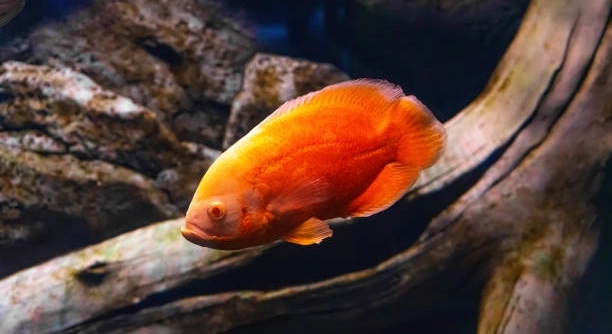
Oscar fish are popular pets for aquarium enthusiasts due to their large size and dynamic personalities. They can grow quite big and interact with their environment in fascinating ways. Understanding their behavior helps improve their well-being.
Oscar fish can perceive and respond to social structures within their tank. They develop hierarchies based on size, aggression, and territory. Dominant individuals typically establish control, while submissive fish avoid confrontation and follow the lead of more powerful tankmates.
Knowing how Oscar fish form these hierarchies can help you create a harmonious tank environment. This knowledge also allows for better care and ensures all your fish coexist peacefully.
Understanding Tank Hierarchies in Oscar Fish
Oscar fish establish clear social rankings in their environment. As a species, they are territorial and quite assertive. When you have multiple Oscars in a tank, you’ll notice that one fish often takes control. This dominance can influence how they interact with each other. Larger, more aggressive Oscars usually become the leaders, while smaller ones keep their distance. Their behavior is based on a mix of size, strength, and assertiveness. Watching how these fish navigate their social structure can give insight into their personalities and needs. They may display aggression to defend their territory, but this can also help avoid unnecessary conflict in a shared space.
The hierarchy is not static, as it can shift depending on changes in the tank. A new fish might challenge the current leader, and the social dynamic may adjust. It’s important to understand these shifts, as they can help manage the tank’s environment and prevent stress among the fish.
One key aspect is ensuring each Oscar has enough space to establish their place. Overcrowding can cause constant tension. Proper tank size and setup give each Oscar room to swim freely. Offering hiding spots can also reduce stress and allow lower-ranking fish to escape from aggression. Keeping the water conditions stable helps maintain a calm environment, preventing unnecessary fights over territory.
How Oscars Interact with Each Other
While Oscar fish are naturally competitive, they do not engage in constant fighting. Their interactions are often based on subtle displays of power and territorial behavior. These fish use body language, such as fin flare-ups and posturing, to communicate dominance without physical confrontation.
When a tank contains several Oscars, it is vital to monitor how they interact. Oscars tend to grow in size quickly, which leads to a reshuffling of power. New additions to the tank can upset the balance, especially if they are larger or more dominant. To minimize conflicts, observe how they react to each other and give them time to adjust. If a new Oscar challenges the leader, it’s important to watch for signs of stress. Aggression in Oscars can manifest in various ways, from chasing to biting. By understanding these interactions, you can ensure they don’t result in harm.
In some cases, Oscars may form temporary alliances, especially if they share similar size or temperament. These alliances help them survive together in the same space. However, such relationships are not always long-lasting. Once the fish grow more accustomed to their surroundings, the natural competition for resources and territory can resume. Providing ample space and hiding spots will allow each Oscar to feel secure, minimizing the chances of aggression. If you are considering adding new Oscars to the tank, it’s essential to introduce them slowly to avoid overwhelming the existing fish.
Factors Influencing Oscar Fish Hierarchies
Oscar fish hierarchies are influenced by several factors, including size, aggression, and the environment. Larger Oscars naturally take control, but tank conditions like water quality and space also play a role. The balance of power in a tank can shift depending on these factors.
In a well-maintained tank, Oscars will establish their positions more quickly. The larger, more dominant fish usually secure the top spot. However, smaller Oscars may challenge their place if the environment is not ideal. Stress from poor water quality or overcrowding can lead to more aggressive behaviors and instability in the social structure. Keeping the tank clean and properly filtered can help ensure a more peaceful hierarchy.
Other environmental factors like light, tank layout, and hiding spots can affect how Oscars behave towards each other. A well-designed tank with plenty of hiding spots allows smaller Oscars to retreat if necessary. A lack of hiding places might increase aggression, especially during territorial disputes. Ensuring your tank is properly set up helps manage Oscar interactions and reduces stress.
Managing Oscar Fish Hierarchy Conflicts
Oscar fish will sometimes challenge each other to maintain or shift the hierarchy. It’s normal for larger fish to show aggression, but prolonged fighting can harm smaller Oscars. Proper observation is key to preventing unnecessary conflicts.
If you notice constant aggression, it’s essential to step in and address the issue. A larger Oscar may become overly dominant, leading to stress or injury for the other fish. You can alleviate this by adding more hiding spaces or rearranging the tank to disrupt territorial claims. This forces the dominant fish to adapt to new boundaries. In extreme cases, separating the fish temporarily can give both time to calm down. Avoid making changes too abruptly, as this can cause more stress. Instead, try to create a balance that suits all the fish.
Reducing stress is vital in managing conflicts. The more comfortable the Oscars feel, the less likely they are to fight. Keeping the water temperature and pH consistent is essential to help reduce aggression. Ensuring that each fish has access to food without competition can also minimize stress. A balanced environment reduces the need for Oscars to assert dominance constantly, leading to fewer conflicts.
Observing Behavior for Signs of Stress
Oscar fish show clear signs when they’re stressed due to hierarchy issues. These include erratic swimming, hiding, or even refusing to eat. Stress can cause health problems and disrupt the social structure within the tank.
You’ll notice stress when Oscars start to display unusual behaviors like constant hiding or swimming in circles. If a fish consistently avoids the dominant Oscar or stays hidden, it might be experiencing stress. Additionally, excessive aggression or fin nipping are signs that the hierarchy is unstable. Recognizing these behaviors early can help prevent further issues in the tank.
Preventing Aggression Through Tank Setup
A well-planned tank setup can minimize aggressive behaviors and help maintain a balanced hierarchy. Oscars need enough space to establish territories without constantly clashing. Adding plants, rocks, and other décor can help create boundaries. A spacious environment reduces direct confrontations.
By providing hiding places and clear divisions within the tank, you allow Oscars to retreat when they feel threatened. Proper tank size is essential—at least 75 gallons for a pair of Oscars. This amount of space ensures that each fish has room to navigate without feeling crowded or overly challenged by others.
Tank Mates for Oscar Fish
When choosing tank mates, consider other fish that can tolerate Oscar aggression. Avoid small fish that might be seen as prey. Larger, more peaceful fish are the best companions. Compatibility with Oscar’s aggressive nature is key to a peaceful tank.
FAQ
Can Oscar fish live with other types of fish?
Yes, Oscar fish can live with other fish, but it depends on the species. Oscars are territorial and aggressive, especially when they feel their space is threatened. They tend to get along best with other large, peaceful fish that can handle some aggression. Fish like plecos, larger cichlids, and certain catfish species can live with Oscars without causing too much trouble. However, small fish should be avoided, as Oscars might try to eat them. Always consider the size and temperament of potential tank mates before adding them.
How do I prevent Oscar fish from becoming too aggressive?
To reduce aggression, ensure your Oscar fish have enough space. Oscars need at least a 75-gallon tank to feel comfortable. If the tank is too small, they may become more territorial and aggressive. Providing hiding spots, plants, and decorations will also allow Oscars to retreat when they feel threatened. Keeping the water quality stable and maintaining a consistent feeding routine can help reduce stress, which is a major contributor to aggressive behavior. If aggression continues, consider adding a tank divider or rearranging the décor to disrupt the established territories.
What are the signs that an Oscar fish is stressed?
Stress in Oscar fish can show in several ways. The most obvious signs include hiding for extended periods, refusing to eat, and erratic swimming. If an Oscar spends most of its time in a corner of the tank or keeps swimming in circles, it may be stressed. Aggressive behavior, such as constant chasing or fin nipping, can also indicate stress, especially if the fish is trying to assert dominance. Stress can lead to health issues, so it’s important to address it quickly. Observing these signs can help ensure your Oscar remains healthy.
Can Oscar fish be kept together in the same tank?
Yes, Oscar fish can live together, but there are a few things to consider. If you keep multiple Oscars in one tank, they will usually establish a hierarchy. The largest and most dominant fish will typically take control, and the others will either accept their position or try to challenge the dominant fish. It’s important to have a large enough tank to give each fish enough space to claim its own territory. Adding multiple hiding spots and rearranging the décor can help reduce conflict and allow the fish to coexist more peacefully.
How do I properly care for my Oscar fish’s tank?
Proper care for an Oscar fish tank involves maintaining good water quality, providing ample space, and keeping the environment stable. Regular water changes are crucial to ensure a healthy tank. Aim for a 25-30% water change every 1-2 weeks. Oscars also produce a lot of waste, so a high-quality filtration system is essential to keep the water clean. The tank should be at least 75 gallons for a single Oscar, and larger tanks are needed if you have more. Keep the temperature between 75-80°F and the pH level at 6.5-7.5 for optimal health.
What size tank is ideal for an Oscar fish?
Oscar fish need a large tank due to their size and territorial nature. A minimum of 75 gallons is required for one Oscar, but if you plan to keep more than one, you will need an even larger tank. A 100-gallon tank or more is recommended for multiple Oscars to ensure they have enough space to swim and establish their territories. Providing enough room helps reduce stress and aggression, as fish won’t feel overcrowded. A larger tank also supports better water quality, which is crucial for the health of your Oscars.
Can I feed my Oscar fish a variety of foods?
Yes, Oscars benefit from a varied diet. While they are carnivorous, they can eat a range of foods, including pellets, frozen or live fish, shrimp, and even some types of vegetables. Offering variety ensures your Oscar gets all the nutrients it needs. Pellets should be a staple in their diet, but you can supplement with frozen or live food like worms, shrimp, and small fish. Be sure to feed them in moderation, as overfeeding can lead to obesity and poor water quality. A balanced diet promotes healthy growth and a stronger immune system.
Why do Oscar fish sometimes change color?
Oscar fish are known to change color as part of their natural behavior. This can happen due to a variety of reasons, including stress, mood changes, or changes in water conditions. For instance, if an Oscar is stressed or feels threatened, its colors might darken or become more vibrant. Changes in diet or lighting can also influence their color. In some cases, Oscars may show brighter colors when they are breeding or feeling confident. While color changes are common, drastic or sudden changes could indicate a problem with the tank environment.
How can I tell if my Oscar is sick?
Sick Oscar fish may exhibit several signs, including loss of appetite, abnormal swimming patterns, or changes in behavior. If your Oscar is staying near the bottom of the tank, appears lethargic, or is breathing heavily, it may be ill. Physical signs like faded colors, swollen body parts, or lesions on the skin are also indications of sickness. If you notice any of these symptoms, it’s important to act quickly. Check water quality, remove any stressed tank mates, and seek veterinary help if necessary to ensure your Oscar receives the proper treatment.
How do I introduce a new Oscar to an existing tank?
Introducing a new Oscar to an established tank can be tricky, as it can upset the existing hierarchy. To reduce aggression, introduce the new fish gradually by using a separate tank or a temporary divider. Let the existing Oscars and the new one get used to each other’s presence before allowing them to interact fully. This helps minimize territorial disputes. When you do introduce the new Oscar, make sure the tank is large enough to accommodate them and that there are plenty of hiding spots to reduce stress and allow the fish to establish their own territories.
Final Thoughts
Oscar fish are fascinating creatures with strong personalities. Understanding how they interact with each other and establish social hierarchies is key to keeping them healthy and happy in your tank. These fish can get along well with others when their space and environment are set up correctly. However, it’s important to remember that Oscars are territorial by nature, and their social structures often reflect this. Having a good grasp of their behavior helps ensure they coexist peacefully and avoid unnecessary stress or aggression.
The most important factor in managing Oscar fish hierarchies is space. A larger tank reduces competition for territory and food, allowing each fish to claim its own spot without feeling overcrowded. Providing hiding places and plenty of space for each Oscar to move freely can reduce aggression and give the smaller fish a chance to escape from the dominant ones. Keeping the tank clean with regular water changes and good filtration also plays a big role in maintaining a healthy and stress-free environment for your Oscars. When their tank is properly maintained, Oscars are more likely to stay healthy, active, and less aggressive.
At the end of the day, every Oscar fish is unique, and their behavior may vary depending on their environment and the specific fish in the tank. Being patient and observing them closely will help you understand their individual needs. With the right setup and care, Oscars can be great companions and provide plenty of entertainment in your aquarium. Creating a balanced environment where all fish feel secure and comfortable will make a significant difference in how they interact with each other and with their surroundings.

Hello,
If you enjoy the content that we create, please consider saying a "Thank You!" by leaving a tip.
Every little bit helps us continue crafting quality advice that supports the health, happiness, and well-being of pets around the world, for pets of all shapes, sizes, and species.
We really appreciate the kindness and support that you show us!