
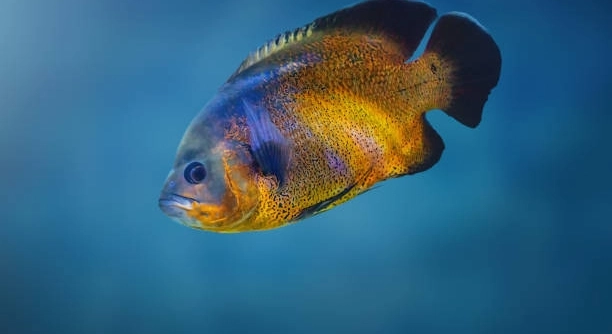
Oscar fish are known for their striking appearance and unique behaviors. However, certain habits may upset them, leading to stress or health issues. Understanding these actions can help create a happier environment for your pet.
Oscar fish are sensitive to changes in their environment, and common mistakes such as improper tank conditions, incorrect feeding habits, and sudden temperature fluctuations can cause stress. Understanding these factors can help improve their overall well-being and behavior.
By being mindful of your actions, you can foster a better living space for your Oscar fish. Keep reading to learn how to avoid common mistakes and create a healthier environment for them.
1. Overfeeding Your Oscar Fish
Oscar fish have hearty appetites, but overfeeding them is a common mistake that leads to various health issues. It’s easy to think that giving them more food will make them happy, but this can actually cause serious problems. Overeating leads to obesity, water quality issues, and digestive problems. When too much food is left in the tank, it starts to decompose, affecting the water quality and introducing toxins that can harm the fish.
Additionally, overfed fish are more likely to develop problems like swim bladder disorder, which can impact their ability to float properly. To keep your Oscar fish healthy, feed them an appropriate amount based on their size and remove any uneaten food promptly.
Feeding your fish the right amount will improve their overall health and prevent unnecessary stress. By monitoring their food intake and maintaining a clean tank, you help ensure your Oscar fish live a long and healthy life. Keeping their tank clean after feeding is just as important.
2. Poor Tank Maintenance
Oscar fish thrive in clean and stable environments, so neglecting tank maintenance can cause stress and health issues. Regular water changes are necessary to keep toxins in check and maintain proper water parameters. Keeping your tank clean and ensuring that your filtration system is working efficiently are key aspects of Oscar fish care.
Oscar fish are particularly sensitive to ammonia, nitrate, and nitrite levels. If left unchecked, these substances can accumulate quickly, leading to poor water quality and health problems. Proper filtration helps remove waste, but water changes are still necessary to maintain a healthy balance.
Make sure to test your water regularly, perform partial water changes every week, and replace filters as needed. Healthy tank maintenance creates a stable environment, allowing your Oscar fish to thrive. When you stay on top of tank care, the fish will feel more comfortable and less stressed.
3. Inconsistent Water Temperature
Oscar fish are highly sensitive to changes in water temperature. Keeping the water consistently warm is crucial for their health. If the temperature fluctuates too much, it can cause stress and even illness. It’s important to maintain a steady temperature, ideally between 74°F and 81°F.
Investing in a reliable aquarium heater will help maintain the right temperature. Make sure the heater is appropriate for the size of your tank and always monitor the water temperature with a thermometer. Sudden temperature shifts can lead to shock, which can harm your fish or even cause death.
Regularly check the tank’s temperature to ensure it stays within the desired range. If you notice any significant temperature drops or rises, take action immediately. By keeping the water stable, you help your Oscar fish stay healthy and stress-free, allowing them to thrive in a comfortable environment.
4. Incorrect Tank Size
Oscar fish grow quite large, and it’s easy to underestimate how much space they need. Keeping an Oscar fish in a tank that’s too small can lead to stunted growth, stress, and aggressive behavior. A tank that’s too small doesn’t give them enough room to swim or claim territory, which can affect their overall well-being.
For a single Oscar fish, a tank size of at least 55 gallons is recommended, with more space needed if you have multiple Oscars. A larger tank gives your fish more freedom and helps maintain better water quality. Smaller tanks quickly become crowded, and maintaining a balanced environment is much harder.
Make sure the tank size matches the fish’s needs. As your Oscar fish grows, you may need to upgrade to a larger tank. When they have enough space, they will feel more secure and are less likely to display aggressive or stressed behavior.
5. Poor Diet Choices
Oscar fish are carnivores and need a diet that meets their nutritional needs. Feeding them the wrong food, like too much plant matter, can lead to malnutrition. Stick to a diet rich in protein, such as high-quality pellets, live or frozen foods like shrimp, and fish.
Overfeeding Oscar fish with inappropriate foods can result in obesity and digestive issues. Providing a balanced diet helps maintain their health, supports proper growth, and prevents common diseases. Avoid relying on low-quality foods, as they might not offer the essential nutrients your fish needs for optimal health.
6. Aggressive Tank Mates
Oscar fish can be territorial and may not get along with all tank mates. When choosing companions, consider their size and temperament. Smaller or more peaceful fish may become stressed or even eaten by your Oscar. Larger, more aggressive species might lead to constant fighting.
It’s best to pair Oscars with fish that are similar in size and aggression level. Avoid overcrowding the tank, as this can increase stress and lead to fighting. Monitor their interactions closely to ensure they’re not causing harm to each other. A peaceful tank environment promotes healthy behavior for all fish.
7. Lack of Hiding Spaces
Oscar fish can feel stressed without places to hide. Adding rocks, plants, and decorations that provide hiding spots allows them to retreat when they feel threatened. This is especially important in a tank with other aggressive or larger fish. Providing these hiding spaces helps reduce stress and aggression.
FAQ
How often should I feed my Oscar fish?
Oscar fish should be fed once or twice a day, depending on their size and age. Younger fish may need more frequent feedings, while adults can typically be fed once a day. Ensure you only give them as much food as they can eat in 2 to 3 minutes to prevent overfeeding.
Can I keep multiple Oscar fish together?
Yes, you can keep multiple Oscar fish together, but it’s important to consider the size of the tank. Oscars are territorial and can become aggressive with one another, so a larger tank is necessary to avoid fighting. At least a 75-gallon tank is recommended for two Oscars.
Do Oscar fish need a filter?
Yes, Oscar fish need a filter in their tank. They produce a lot of waste, which can quickly contaminate the water. A high-quality filtration system helps maintain water quality, removes toxins, and keeps the environment stable for your fish. Ensure the filter is strong enough for your tank size.
What is the best tank temperature for Oscar fish?
Oscar fish thrive in water temperatures between 74°F and 81°F. It’s essential to keep the temperature stable to avoid stressing the fish. A reliable aquarium heater and thermometer will help you maintain the correct water temperature. Extreme temperature fluctuations can lead to illness.
What are the signs that my Oscar fish is stressed?
Stressed Oscar fish may display behaviors such as erratic swimming, hiding frequently, or clamping their fins. They may also stop eating or show signs of aggression. Stress can be caused by poor water quality, incorrect tank mates, or environmental changes. Regular tank maintenance can help prevent stress.
Can Oscar fish live with other species?
Oscar fish can live with other species if the tank mates are large enough and share similar temperaments. Avoid keeping Oscars with smaller fish, as they may be eaten. It’s also best to pair them with other aggressive or semi-aggressive fish to avoid conflicts. Always monitor their behavior closely.
How do I know if my Oscar fish is sick?
Signs of illness in Oscar fish include changes in behavior, such as lethargy, lack of appetite, and abnormal swimming. You might also notice physical symptoms like discolored spots, lesions, or fin rot. If you suspect your fish is sick, it’s crucial to isolate it and consult a vet experienced with fish health.
Do I need to change the water often for Oscar fish?
Yes, regular water changes are essential for Oscar fish. To maintain a healthy environment, perform partial water changes of 25-30% every week. This helps remove toxins and waste buildup that could harm the fish. Always test the water before and after changes to ensure it stays within safe parameters.
Can I keep an Oscar fish with smaller fish?
It’s not recommended to keep Oscar fish with smaller fish, as Oscars can be very aggressive and may eat them. They tend to see smaller fish as food, especially in a smaller tank. If you want to house multiple fish, choose species that are large enough to coexist peacefully.
What is the ideal tank size for Oscar fish?
Oscar fish need plenty of space to thrive. A 55-gallon tank is the minimum size for one Oscar, though larger tanks are recommended, especially if you plan to keep more than one. A larger tank ensures better water quality and enough space for the fish to move around without feeling crowded.
Why is my Oscar fish not eating?
There are several reasons why an Oscar fish may stop eating. Stress, illness, or changes in water temperature or quality can cause them to lose their appetite. Make sure the tank is clean and the water parameters are stable. If the issue persists, consult a vet to rule out health problems.
How long do Oscar fish live?
Oscar fish can live for up to 15 years in the right conditions. Providing proper care, such as maintaining good water quality, feeding a balanced diet, and keeping their environment stable, will help them live a long and healthy life. They are hardy fish when their needs are met.
What kind of food should I feed my Oscar fish?
Oscar fish are carnivores and need a diet rich in protein. Feed them high-quality pellets, live or frozen foods such as shrimp, worms, or fish. Avoid feeding them plant matter as it doesn’t provide the necessary nutrients. A varied diet will help keep them healthy and strong.
How can I reduce aggression in my Oscar fish?
Reducing aggression in Oscar fish involves providing ample space, appropriate tank mates, and hiding spots. A larger tank with plenty of room for the fish to establish territories helps reduce territorial disputes. Additionally, having other fish of similar size and aggression levels can discourage bullying.
Can Oscar fish survive in fresh or saltwater?
Oscar fish are freshwater fish and should never be kept in saltwater. Saltwater environments are not suitable for them and can lead to health problems or even death. Always maintain freshwater conditions, with proper filtration and water quality, to ensure your Oscar fish’s well-being.
How do I prevent diseases in Oscar fish?
Preventing diseases in Oscar fish starts with proper tank maintenance. Regular water changes, monitoring water quality, and ensuring the tank is free from contaminants will keep your fish healthy. Avoid overcrowding and provide a balanced diet to strengthen their immune system, making them less susceptible to illness.
What should I do if my Oscar fish has fin rot?
If your Oscar fish develops fin rot, it’s important to act quickly. The first step is to ensure the water quality is optimal, as poor water conditions often cause fin rot. Isolate the affected fish and consider using a medicinal treatment to combat the infection. Regular tank maintenance will help prevent further issues.
Final Thoughts
Caring for Oscar fish requires attention to detail and a commitment to maintaining their health and well-being. These fish can be incredibly rewarding to keep, especially when they are given the right environment. By understanding their needs and providing a suitable tank setup, you can ensure your Oscars thrive for years to come. Regular water changes, proper feeding, and a well-maintained tank are essential for creating a stable habitat. Their vibrant personalities and beauty make them an enjoyable addition to any aquarium, but they need the right conditions to reach their full potential.
Oscar fish are unique in their behavior and their care needs. They are social, intelligent creatures, often displaying affection toward their owners. However, their aggressive nature means they can be challenging to house with other fish. It’s important to select tank mates carefully, considering the size and temperament of other species. Additionally, providing hiding spots and adequate space is crucial to reducing stress and aggression. These fish require a large tank, ideally over 55 gallons, to allow them room to swim and establish territories. Without enough space, Oscars can become stressed and their health may suffer.
Lastly, keeping your Oscar fish healthy involves regular monitoring of their water quality, diet, and overall behavior. By avoiding overfeeding, ensuring their tank is clean, and keeping the water temperature stable, you can help prevent many common problems. If you notice any signs of illness, such as changes in behavior or appearance, it’s important to address them promptly. With the right care, Oscar fish can live long, fulfilling lives and provide enjoyment for years. Keep in mind that every fish is unique, and being attentive to their needs will help you enjoy a healthy and vibrant aquarium.

Hello,
If you enjoy the content that we create, please consider saying a "Thank You!" by leaving a tip.
Every little bit helps us continue crafting quality advice that supports the health, happiness, and well-being of pets around the world, for pets of all shapes, sizes, and species.
We really appreciate the kindness and support that you show us!