
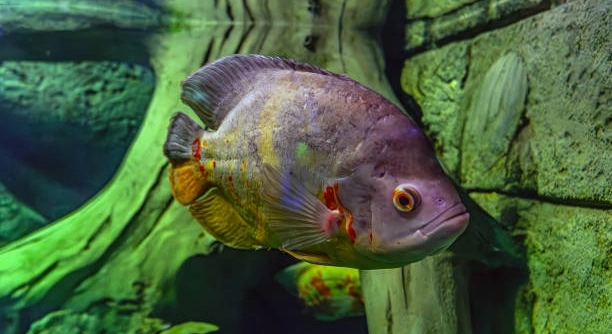
Oscar fish are known for their active and sometimes aggressive behavior in the tank. If you have an Oscar fish, you might wonder why it pushes or bumps its tankmates. This behavior can seem puzzling but has specific causes.
Oscar fish often push their tankmates as a form of territorial behavior. They may view other fish as a threat to their space or resources. This is common in larger, more dominant species like Oscars, who establish their territories within the tank.
Understanding the reasons behind this behavior can help improve your aquarium environment. By identifying these causes, you can better manage the dynamics between your Oscar and other fish.
Why Do Oscar Fish Exhibit Aggressive Behavior?
Oscar fish are territorial creatures and are known to assert dominance within their space. In a tank, they may push or chase their tankmates to claim their area. This behavior is especially noticeable when the fish feel their territory is being invaded or threatened. Oscars are also naturally more aggressive compared to other species, and they tend to display this behavior more as they mature. In the wild, these fish defend their territories against rivals and protect their space for feeding and breeding.
This territorial behavior can cause stress for other fish in the tank. It’s important to provide enough space and hiding spots to reduce tension. By maintaining a proper tank size and making sure the Oscar fish feels secure in its environment, it can help decrease this aggressive behavior.
Making the tank environment more comfortable for your Oscar can also lead to better interactions with its tankmates. A well-balanced setup with enough room for everyone to thrive will help maintain peace in the aquarium.
Managing Aggression in Oscar Fish
Oscar fish often show aggression towards smaller or weaker tankmates. This behavior can be managed by carefully selecting compatible fish. Keeping aggressive fish with others of similar size or temperament can prevent conflicts. Providing a variety of hiding spots also allows the smaller fish to escape if needed.
The key to reducing aggression is understanding your Oscar’s needs and providing a suitable environment. For example, keeping Oscars with other aggressive species may help reduce stress, as they will not feel threatened. Regular tank maintenance and careful monitoring of the fish’s behavior can further reduce aggression. This approach not only improves the Oscar’s quality of life but ensures the health of the other fish as well.
Factors That Influence Aggression
Oscar fish are naturally more aggressive when they feel stressed or threatened. Water quality, tank size, and overcrowding can all contribute to this. If the tank is too small or poorly maintained, Oscars may feel the need to establish dominance through pushing or chasing other fish.
Proper water conditions are essential to reducing stress and aggression. Oscars thrive in tanks with stable water parameters, such as a temperature range of 75-80°F, pH levels of 6.5-7.5, and proper filtration. Keeping the water clean and consistent will make your Oscar feel more at ease, reducing the urge to push its tankmates.
Additionally, overcrowding can lead to aggressive behavior. Oscars need ample space to claim and defend their territory. A larger tank, preferably 75 gallons or more, is ideal for keeping them comfortable. Reducing the number of fish in the tank can also help minimize territorial disputes and create a more peaceful environment.
Social Behavior of Oscar Fish
Oscar fish, like many cichlids, have distinct personalities that can influence their interactions with tankmates. Some Oscars may coexist peacefully with other species, while others display aggressive behavior toward any intruders. These differences depend on factors such as age, temperament, and past experiences.
Young Oscars tend to be more tolerant of tankmates, while older ones often grow more territorial. The Oscar’s social behavior can be influenced by how it was raised. If they were introduced to a community tank from a young age, they may develop a more peaceful demeanor. However, Oscars raised alone or in a more competitive environment may be more inclined to push or challenge other fish.
Knowing your Oscar’s individual personality is key to managing aggression. Observing its behavior and adjusting the tank environment accordingly will help you determine what works best for your fish. Some Oscars may need more time to adjust to new tankmates, while others may never fully accept them.
Tankmates That Work Best with Oscar Fish
When choosing tankmates for Oscar fish, it’s important to consider size and temperament. Larger, more robust species such as plecos or other large cichlids can be suitable. Avoid keeping Oscars with small, slow-moving fish, as they may become targets for aggression.
Fish like catfish, large tetras, and even some species of gouramis can coexist peacefully with Oscars. It’s crucial to ensure the tank is large enough to accommodate everyone comfortably. The right tankmates will allow your Oscar to feel less threatened, reducing the need to assert dominance over its space.
Always observe the interactions between your Oscar and its tankmates. If aggression continues, it may be necessary to separate incompatible species. While Oscars can be territorial, keeping the right mix of fish will help maintain balance and prevent constant aggression.
How to Minimize Stress for Your Oscar Fish
Oscar fish thrive when their environment is stable and stress-free. To minimize stress, maintain proper water quality, ensure the tank is large enough, and offer hiding spots. A well-maintained tank with enough space will help your Oscar feel secure and reduce territorial aggression.
Ensuring a consistent feeding schedule is also crucial. Oscars are opportunistic feeders, so providing a varied diet will help keep them satisfied. When your fish feels well-fed and content, aggression is less likely. Monitoring the behavior regularly will also alert you to any issues before they escalate.
Understanding the Impact of Breeding
Breeding can trigger aggressive behavior in Oscar fish. During mating season, Oscars become more territorial, and males may push or chase their tankmates more frequently. The presence of a mate intensifies this behavior as they defend their spawning site.
Understanding this natural breeding instinct can help you manage aggression during these periods. Providing a separate breeding area or a larger tank will give the Oscar space to claim without interfering with other fish.
FAQ
Why is my Oscar fish pushing its tankmates?
Oscar fish push their tankmates as part of their territorial behavior. They may feel threatened or want to assert dominance over their space. Oscars are naturally aggressive, especially if they feel their territory is being invaded. Providing a larger tank and reducing the number of fish can help minimize this behavior.
Is it normal for Oscars to fight with each other?
Yes, Oscars can fight with each other, particularly during breeding season or if their territories overlap. Males, in particular, may become more aggressive and chase or push other Oscars. Ensuring plenty of space in the tank and introducing compatible tankmates can reduce aggression between Oscars.
Can Oscars live with smaller fish?
Oscar fish should not be kept with smaller fish, as they may see them as prey. Oscars are opportunistic feeders, and their size and aggressive nature make them a danger to smaller, slower-moving fish. It’s best to house Oscars with similarly sized or larger species to prevent conflicts.
What tank size do Oscars need?
Oscars require a tank of at least 75 gallons. A larger tank provides them with enough space to establish their territory and reduces the likelihood of aggressive behavior. A spacious tank also allows for a more comfortable living environment for both the Oscar and its tankmates.
How do I stop my Oscar fish from being aggressive?
To reduce aggression, ensure your Oscar fish is housed in a sufficiently large tank with plenty of hiding spots. Tankmates should be similar in size and temperament to the Oscar. Maintaining stable water conditions and regular feeding schedules also helps minimize stress and aggressive behavior.
Can Oscars live with other cichlids?
Yes, Oscars can live with other cichlids, but only if the other cichlids are large enough and share a similar temperament. Species like mid-to-large sized cichlids can tolerate Oscars, but smaller or more peaceful species may not fare well in the same tank.
What do Oscars need in their tank to feel secure?
Oscars need a stable environment with clean water, proper filtration, and plenty of space. Adding hiding spots like rocks, caves, or driftwood can help them feel secure and reduce stress. The more comfortable they feel, the less likely they are to push or chase their tankmates.
Why does my Oscar fish chase its tankmates?
Oscar fish chase their tankmates to establish dominance or protect their territory. They may see other fish as a threat or intruder. Ensuring a larger tank with enough hiding spots and providing tankmates of similar size and temperament can help reduce this chasing behavior.
Can I reduce my Oscar’s aggression by changing its diet?
While diet alone may not completely stop aggressive behavior, providing a well-balanced and varied diet can reduce stress and improve overall health. Oscars are opportunistic feeders, so offering them a variety of foods can help keep them content and less likely to act aggressively.
Is it safe to keep Oscars with plants in the tank?
Oscar fish are not known for being plant-friendly. They tend to uproot or destroy live plants, especially in smaller tanks. If you want plants in the tank, consider using hardy, fast-growing species or artificial plants that can withstand the Oscar’s active behavior.
How can I tell if my Oscar is stressed?
Signs of stress in Oscars include changes in swimming patterns, loss of appetite, color fading, or excessive hiding. Stress can be caused by poor water quality, overcrowding, incompatible tankmates, or an insufficiently large tank. Regularly checking water conditions and the overall environment can help prevent stress.
What type of filtration system do Oscars need?
Oscar fish produce a lot of waste, so a strong filtration system is essential for maintaining water quality. A canister filter or a high-flow filter rated for a larger tank is recommended. This will ensure the water stays clean and reduces the risk of disease or stress-related behaviors.
How often should I clean the tank for my Oscar?
Regular tank maintenance is crucial for Oscar fish. You should perform a 25-30% water change every week to maintain good water quality. Additionally, check the filter system regularly to ensure it is functioning properly, and remove any uneaten food or debris from the tank.
Why is my Oscar biting its reflection?
Oscar fish may bite their reflection due to territorial instincts. They see their reflection as an intruder, leading them to act aggressively towards it. This behavior can be reduced by removing reflective surfaces or providing ample space to prevent the Oscar from feeling threatened by its own reflection.
How can I prevent my Oscar from bullying other fish?
To prevent bullying, provide plenty of hiding spots and space for all tankmates. Adding decorations like rocks, caves, and plants gives other fish areas to retreat. Also, introducing tankmates of a similar size and temperament can reduce aggression by making the Oscar feel less threatened.
Should I separate an aggressive Oscar from its tankmates?
If your Oscar becomes consistently aggressive towards its tankmates, it may be necessary to separate them. Placing the aggressive Oscar in a separate tank or rehoming incompatible tankmates can help prevent harm. Monitoring interactions carefully and adjusting the tank environment can also help manage aggression.
Final Thoughts
Oscar fish can be wonderful pets, but they come with specific needs and challenges. Understanding their territorial nature and aggressive behavior is essential when keeping them in a home aquarium. Their interactions with tankmates are often driven by instinct, as they seek to establish dominance and protect their space. It’s important to recognize that pushing or chasing other fish is part of their behavior and not necessarily a sign of health problems. This natural aggression can be managed with the right tank setup, proper tankmates, and consistent care.
When setting up a tank for an Oscar, it’s crucial to consider its size, filtration system, and the type of tankmates. Providing a large enough tank, at least 75 gallons, gives the Oscar space to feel secure and reduces stress. Large, compatible fish, like other cichlids or plecos, are better suited to live with Oscars. Smaller, more peaceful fish should be avoided, as they may become targets for bullying. Additionally, maintaining water quality is vital for keeping your Oscar healthy and minimizing stress, which in turn can reduce aggression.
If you observe persistent or excessive aggression in your Oscar, consider separating it from more vulnerable tankmates or providing additional hiding spots. Monitoring their behavior regularly will help you catch potential problems early. Oscars thrive in environments where they feel secure and well-fed, so meeting their physical and emotional needs will lead to a happier, less aggressive fish. With patience and proper care, your Oscar can live a long, healthy life in your aquarium.

Hello,
If you enjoy the content that we create, please consider saying a "Thank You!" by leaving a tip.
Every little bit helps us continue crafting quality advice that supports the health, happiness, and well-being of pets around the world, for pets of all shapes, sizes, and species.
We really appreciate the kindness and support that you show us!