
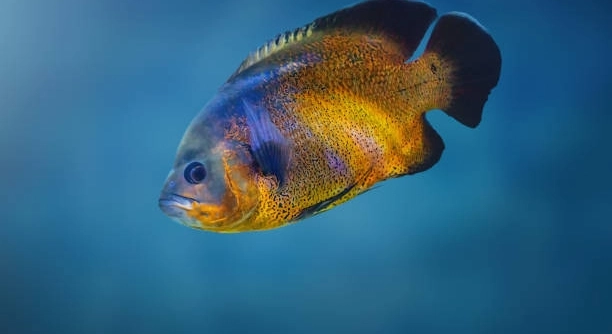
Oscar fish are known for their lively personalities, but they can be particularly sensitive to changes in their environment. Water changes are essential for their health, but they can also lead to stress or discomfort.
Oscar fish can exhibit signs of stress when water changes occur, such as hiding, erratic swimming, or displaying aggression. These behaviors indicate that the fish are annoyed by the change in their environment, which can be harmful if not addressed.
Understanding the reasons behind these reactions can help you maintain a peaceful aquarium. By identifying the signs early, you can take steps to reduce the stress and ensure your Oscar fish are thriving.
Why Water Changes Affect Oscar Fish So Much
Water changes are necessary to maintain a healthy tank environment, but they can unsettle Oscar fish. These fish are sensitive to changes in water temperature, pH levels, and overall water quality. Sudden changes can create an imbalance, causing them stress. When their surroundings shift unexpectedly, they can become disoriented and anxious. Even a small change in the water can make them feel unsafe or uncomfortable, leading to changes in behavior.
This sensitivity is heightened because Oscar fish are territorial and can be picky about their space. They tend to be more relaxed in stable conditions. When the water changes abruptly, their natural response is often to retreat or act out.
To minimize their stress, it’s essential to make gradual water changes, especially in a tank where they are already settled. A steady approach helps maintain their comfort and allows them to adjust more easily.
Signs of Distress in Oscar Fish After a Water Change
Oscar fish will show various signs of distress after a water change. Common behaviors include hiding, increased aggression, and erratic swimming. They may also stop eating or become less active. These are clear indicators that the change has caused them discomfort.
Gradual acclimation helps reduce this response. By adjusting water parameters slowly, you give your fish time to adjust. A slow water change prevents abrupt shifts and makes it easier for them to adapt. Additionally, maintaining the tank’s temperature and pH consistency is key in avoiding stress. A well-maintained tank with minimal fluctuations is crucial to keeping your Oscar fish healthy. This will help ensure that your fish remain active, happy, and free from stress.
How to Minimize Stress During Water Changes
To reduce stress, perform smaller, more frequent water changes instead of one large change. This allows the fish to adjust gradually, without sudden shifts in water conditions. It’s also helpful to use a water conditioner to neutralize chlorine or chloramine, which can be irritating to your fish.
When you change the water, make sure to keep the temperature as close as possible to the tank’s current level. Sudden temperature fluctuations are a significant stressor. Use a thermometer to monitor the temperature of both the tank and the water you’re adding. If the difference is too large, it can lead to shock, which could harm your Oscar fish.
Another important factor to consider is the water’s pH. Extreme changes in pH can lead to discomfort, making your fish more prone to illness. Test the water regularly to monitor the pH levels and make sure they remain stable. By making small adjustments over time, your Oscar fish can adapt to the changes with minimal stress.
Maintaining a Stable Tank Environment
A stable environment is key to keeping your Oscar fish comfortable. Consistency in water temperature, pH, and salinity helps reduce their stress levels. Regular water testing will give you peace of mind, ensuring all elements remain balanced.
Oscar fish are particularly sensitive to changes in their water. Even minor shifts in temperature or water chemistry can cause stress and lead to behavioral changes. It’s important to test the water consistently to ensure that all parameters are within the ideal range for your fish. This includes keeping an eye on ammonia, nitrite, and nitrate levels, as these can build up over time and cause harm.
By keeping a regular water change schedule and monitoring the tank’s parameters closely, you can create a more stable environment. Your Oscar fish will feel more secure and are less likely to show signs of stress.
Importance of Proper Filtration
A proper filtration system helps maintain clean water and removes excess debris, which can lead to stress. It’s essential to have a filter that can handle the bio-load of your Oscar fish, as they produce a lot of waste.
Filters keep water quality stable by removing toxins and maintaining adequate oxygen levels. Choose a filter with appropriate flow strength to prevent water turbulence, as Oscars prefer calmer waters. Regular maintenance of the filter ensures it continues working efficiently, preventing stress caused by poor water conditions. Clean filters and good filtration contribute to overall tank health.
The Role of Tank Size
Tank size plays a crucial role in reducing stress. Oscars need plenty of space to swim comfortably, especially if you have more than one. A larger tank provides a stable environment and reduces territorial behavior.
A tank that is too small can cause aggression, poor water quality, and territorial disputes, making it harder for your Oscar fish to adapt. Ensuring your tank has enough space for them to move freely reduces stress and promotes overall health. Proper tank size is a key factor in making water changes easier to handle for your fish.
FAQ
What is the best way to perform water changes for my Oscar fish?
To perform water changes for Oscar fish, aim for smaller, gradual changes rather than a large one. Change about 20-30% of the water every week, depending on tank size and the number of fish. Use a siphon to remove debris from the substrate and perform water testing to ensure the new water matches the tank’s parameters. This avoids causing unnecessary stress. Before adding new water, always check the temperature, pH, and other key elements to make sure they align with the existing tank conditions.
Can I change all the water at once?
Changing all the water at once is not recommended. A sudden, complete water change can shock your Oscar fish due to rapid shifts in temperature, pH, and water chemistry. This can lead to increased stress, making your fish more vulnerable to illness. Instead, change smaller amounts regularly to ensure gradual changes. Keeping the conditions stable helps your fish feel secure.
How often should I test my tank water?
Testing your tank water once a week is ideal, especially if you have Oscar fish, which are sensitive to water quality. Regular testing ensures you stay on top of any fluctuations in ammonia, nitrite, nitrate levels, pH, and temperature. You can adjust the water changes or filtration process based on these tests, which helps keep your Oscar fish comfortable and healthy.
How can I reduce stress during water changes?
Reducing stress during water changes starts with gradual adjustments. Ensure the new water’s temperature and pH closely match the tank’s. You can also add a water conditioner to neutralize any harmful chemicals, such as chlorine. Avoid using harsh cleaning products on tank surfaces, as these can leave residue that may irritate your fish. It’s also helpful to perform water changes during the day when the fish are more active, allowing you to observe their behavior during the process.
Why does my Oscar fish hide after a water change?
Oscar fish may hide after a water change due to stress or discomfort from sudden changes in their environment. They are territorial and sensitive to fluctuations in water conditions. This hiding behavior is common when they feel uncertain or insecure about the water’s temperature or chemical balance. Allow them time to acclimate and adjust, and make sure the changes are gradual to minimize stress.
Do I need to adjust the pH of my tank water?
If the pH of your tank water fluctuates too much, it’s important to make adjustments to maintain a stable environment. Oscar fish prefer a slightly acidic to neutral pH (6.5–7.5). Test your tank water regularly to monitor pH levels, especially after water changes. If needed, you can use a pH adjuster to stabilize the water, but always make adjustments slowly to prevent stressing the fish.
Can water temperature affect my Oscar fish’s health?
Yes, water temperature plays a significant role in your Oscar fish’s health. Oscars thrive in water temperatures between 75–80°F (24–27°C). A sudden drop or rise in temperature can stress them out and make them more susceptible to illness. Always use a thermometer to ensure the temperature stays consistent and avoid major fluctuations. When changing the water, try to match the new water’s temperature to the tank’s to avoid shocking the fish.
How do I know if my Oscar fish is stressed from water changes?
Signs of stress in Oscar fish after water changes include hiding, erratic swimming, loss of appetite, or aggression. They may also scrape against tank surfaces or exhibit rapid gill movement, which suggests they’re struggling to breathe. If these signs persist for more than a day or two, it could indicate that the water changes have been too abrupt or that other factors, like water quality, need attention.
Is it okay to use tap water for Oscar fish tanks?
Tap water is generally fine for Oscar fish as long as it is properly treated. Tap water often contains chlorine or chloramine, which can be harmful to fish. Always use a water conditioner to remove these chemicals before adding the water to the tank. Additionally, make sure the water temperature and pH are compatible with your Oscar’s needs before introducing it to the tank.
What should I do if my Oscar fish shows aggression after a water change?
Aggression after a water change could be a sign of stress or discomfort due to changes in water parameters. Make sure the water temperature, pH, and hardness are consistent with the previous tank conditions. If aggression persists, check your filter’s flow rate, as too strong of a current can irritate your Oscar. You might also want to increase hiding spots or visual barriers in the tank to reduce territorial disputes.
Can I add new fish to the tank right after a water change?
It’s best to wait a bit before adding new fish to your tank after a water change. This gives your Oscar fish time to adjust to the new conditions and reduces the risk of added stress. Introducing new fish to a tank with unstable water conditions can cause problems for both the new arrivals and the existing fish. Always make sure that the water parameters are stable before introducing any new fish.
Final Thoughts
Oscar fish can be sensitive to water changes, which is why it’s essential to approach them with care. Keeping the water conditions as stable as possible is key to minimizing stress for your fish. Performing gradual water changes, rather than sudden, large ones, helps avoid shocking the fish with drastic shifts in temperature or pH levels. Smaller, more frequent water changes also allow the Oscars to adjust more comfortably, reducing the risk of stress-related behaviors or illness.
Another crucial aspect to keep in mind is maintaining a consistent environment in the tank. Regularly testing the water for key parameters, such as temperature, pH, ammonia, nitrites, and nitrates, ensures that your fish are living in the best possible conditions. Monitoring and adjusting these factors can prevent unwanted surprises that could lead to stress or health issues. The more stable the tank environment, the less likely your Oscar fish will show signs of distress.
Lastly, take the time to observe your fish’s behavior during and after water changes. If your Oscar shows signs of stress, such as hiding, reduced appetite, or erratic swimming, it may be an indication that the water changes are too abrupt or that other factors need attention. With regular maintenance and a keen eye on water quality, you can help keep your Oscar fish healthy and happy. By being mindful of their needs and providing a consistent, comfortable environment, you ensure that your fish will thrive for years to come.

Hello,
If you enjoy the content that we create, please consider saying a "Thank You!" by leaving a tip.
Every little bit helps us continue crafting quality advice that supports the health, happiness, and well-being of pets around the world, for pets of all shapes, sizes, and species.
We really appreciate the kindness and support that you show us!