
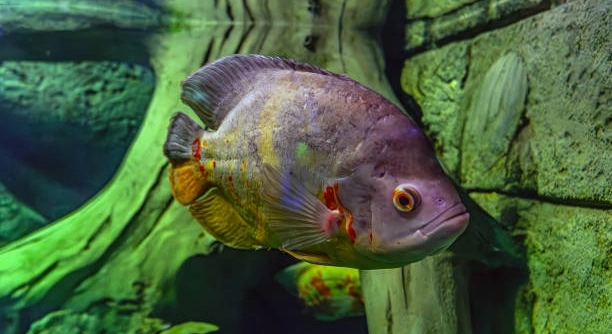
Oscar fish are popular among aquarium owners for their unique personalities and vibrant colors. However, like many fish, they can show signs of stress if their environment is not suitable for their needs.
Oscar fish, like other animals, may become stressed or restless if they are confined to an environment that lacks variety or stimulation. They require a spacious tank, proper hiding spots, and consistent water quality to remain healthy.
Understanding how your Oscar fish reacts to its environment can help improve their well-being. Small changes can make a big difference in creating a happier home for your fish.
How Oscar Fish React to Changes in Their Environment
Oscar fish are intelligent and active creatures that thrive in well-maintained, stimulating environments. A lack of variety in their surroundings can cause them to become restless, affecting their overall health. When confined to the same environment for long periods, they may show signs of stress, such as increased aggression, reduced activity, or even loss of appetite. These behaviors can indicate that the fish is not feeling comfortable or entertained. Keeping their environment dynamic with various hiding spots, decorations, and occasional tank rearrangements can help prevent boredom and reduce stress. It’s essential to create an aquarium that provides both physical and mental stimulation, which helps maintain a healthy and content Oscar fish.
Sometimes, just adding plants, hiding places, or tank mates can make a huge difference in your fish’s behavior. Regular changes in their space, even if minor, can encourage curiosity and improve their mental state.
Oscars, like other species, require a habitat that mimics the complexity of their natural environment. By introducing new objects, varying their food, and offering room for exploration, you can keep your Oscar fish both physically and mentally healthy. It’s important to monitor their behavior and make adjustments as necessary. Providing a stimulating environment not only helps prevent stress but also promotes healthy growth and vibrant coloration. Keep their tank clean and provide appropriate water conditions to ensure their comfort. Regular interaction can also help your Oscar feel safe and secure in its space.
Signs of Stress in Oscar Fish
Oscar fish, when stressed, show specific behavioral changes that are easy to recognize. Common signs include erratic swimming, scratching against objects, or hiding more than usual. These changes are often linked to discomfort in their environment.
Stress in Oscar fish may be caused by factors like poor water quality, improper tank size, or lack of enrichment. Identifying the source of the stress is key to improving their living conditions.
To reduce stress, ensure your Oscar fish has a spacious tank, proper filtration, and a balanced diet. Regular maintenance and the right water conditions can significantly enhance their overall well-being. Make sure they have enough space to swim freely, as cramped spaces contribute to discomfort.
How to Keep Oscar Fish Engaged
Keeping Oscar fish engaged involves more than just feeding them. A lack of stimulation can lead to stress and boredom, which can negatively affect their health. Simple changes in their environment can make a big difference.
Adding live plants, driftwood, or various tank decorations gives your Oscar something to explore. These elements mimic their natural environment, offering a sense of security and comfort. Rotating tank decorations every few weeks keeps their habitat interesting and prevents monotony. Oscar fish are intelligent and curious, so providing them with items like caves or tunnels to hide in encourages natural behaviors, which benefits their overall well-being.
Consider adding tank mates that are compatible with Oscars to provide interaction. This not only prevents boredom but also allows them to exhibit social behaviors. However, make sure the tank mates are large enough to avoid any aggressive tendencies from the Oscar. Regular interaction with your fish can also stimulate curiosity. Hand-feeding or offering treats from time to time can help your fish bond with you and stay engaged in their environment.
The Importance of Tank Size
A large tank is crucial for Oscar fish. Oscars grow quite large, and keeping them in too small of a tank can lead to stress and health problems. A minimum of a 75-gallon tank is recommended for one Oscar fish to ensure they have enough space to swim and explore.
With proper tank size, your Oscar will have room to move around freely, which reduces stress and aggression. It also allows for better water circulation and filtration, which helps maintain a healthier environment. Overcrowding can cause poor water quality, leading to discomfort for the fish. Larger tanks also allow you to add more decorations and plants, which enhance the space and make it more stimulating for your Oscar. In addition to better living conditions, a larger tank gives you more time to address water quality issues before they become harmful.
By providing a spacious tank, you help ensure that your Oscar fish has a better chance of thriving. It’s essential to make sure the tank is not only large enough but also well-maintained, which involves regular water changes, testing water parameters, and keeping decorations clean. This will create a comfortable environment for your fish, allowing them to remain active and healthy.
Water Quality and Its Impact
Maintaining optimal water quality is essential for the health of Oscar fish. Poor water conditions can stress them and lead to various health issues, including skin irritation, reduced activity, and even death.
Regular water changes are a must, typically around 25-30% weekly. Proper filtration helps keep the water clean and provides a stable environment. Testing for ammonia, nitrites, and nitrates regularly ensures that your fish aren’t exposed to harmful chemicals. Oscars are sensitive to fluctuations in water temperature, so using a reliable heater to maintain a steady temperature is essential.
Feeding Habits and Behavior
Oscar fish are not picky eaters, but it’s important to feed them a balanced diet. Providing high-quality pellets, frozen foods, and occasional live treats will keep them healthy and engaged.
Oscars also tend to overeat if given the chance. Offering food in moderation, about once or twice a day, ensures they don’t become obese or suffer from digestive issues. It’s important to avoid feeding them too much at once and remove any uneaten food to prevent water contamination. Variety is key to a well-rounded diet, so rotate between different food types.
Tank Setup and Decorations
When setting up an Oscar’s tank, it’s important to focus on creating a space that feels natural and secure for the fish. Adding rocks, plants, and caves provides them with hiding spots and territory.
These additions allow Oscars to display more natural behaviors, such as exploring and interacting with their environment. Be mindful to choose decorations that won’t damage the fish or cause harm. Avoid sharp or rough objects, as these could injure your Oscar.
FAQ
Can Oscar fish get along with other fish?
Oscar fish can be aggressive, especially towards smaller or slower tank mates. They tend to be territorial and might attack smaller fish, especially when they feel their space is being invaded. However, larger, more robust fish can coexist with Oscars if the tank is spacious enough and has plenty of hiding spots. Some fish, like other large cichlids, may do well with Oscars, but it’s important to monitor their behavior regularly. Always consider the temperament and size of potential tank mates before introducing them to your Oscar’s tank.
What size tank do Oscar fish need?
Oscar fish require a large tank, with at least a 75-gallon tank being the minimum for one adult Oscar. As they grow, they need more space to swim and explore, which is essential for their physical and mental health. A larger tank helps prevent aggression, provides better filtration, and allows for proper water circulation. It also gives you room for decorations and plants, which can help reduce stress. If you plan on keeping more than one Oscar, consider increasing the tank size even further to avoid overcrowding.
How often should I clean my Oscar fish tank?
You should clean your Oscar fish tank regularly, doing a partial water change of 25-30% each week. Cleaning the tank helps remove debris, uneaten food, and excess waste, which can lead to poor water quality. Use a good filtration system to keep the water clean between changes, but regular cleaning is still essential. Scrub the tank walls, clean the substrate, and rinse any decorations or equipment when necessary. Always test the water quality regularly to ensure that ammonia, nitrites, and nitrates are at safe levels for your Oscar fish.
What should I feed my Oscar fish?
Oscar fish are carnivores, and their diet should be high in protein. They can eat a variety of foods, including high-quality pellets, frozen foods like shrimp, krill, and worms, and occasional live treats. You can also feed them beef heart or other meats in moderation. It’s important to vary their diet to ensure they receive all the necessary nutrients. Feeding them once or twice a day is enough, and any uneaten food should be removed to prevent water contamination. Overfeeding can lead to obesity and water quality issues, so always be mindful of portion sizes.
How do I know if my Oscar fish is sick?
Sick Oscar fish may show visible signs, such as changes in behavior or physical appearance. Look for signs like loss of appetite, lethargy, abnormal swimming patterns, or unusual markings on their skin, such as lesions, redness, or clamped fins. If you notice these symptoms, check the water quality immediately, as poor water conditions can cause illness. Common health issues in Oscars include parasitic infections, bacterial diseases, and fungal infections. If the symptoms persist, it’s best to consult an aquatic vet for proper diagnosis and treatment.
Can I keep more than one Oscar fish?
While it’s possible to keep more than one Oscar fish, it’s important to have a large tank, at least 125 gallons, to avoid overcrowding. Oscars are territorial, and keeping multiple Oscars in a smaller space can lead to aggression and fighting. If you want to keep more than one Oscar, introduce them to the tank at the same time and monitor their behavior. It may help to divide the tank with barriers temporarily until they get used to each other. Even then, be prepared for possible aggression, especially as they mature.
What temperature should the water be for Oscar fish?
Oscar fish thrive in warm water, with the ideal temperature range being between 74°F and 81°F (23°C to 27°C). It’s important to maintain a stable temperature, as fluctuations can cause stress and weaken your fish’s immune system. A reliable aquarium heater is essential to keep the water at a consistent temperature. Always use a thermometer to monitor the water temperature regularly. Make sure the water temperature is within the optimal range to prevent issues like illness or poor growth.
Why is my Oscar fish hiding all the time?
If your Oscar fish is hiding frequently, it may be feeling stressed or insecure. This can be caused by a variety of factors, including poor water quality, overcrowding, changes in the environment, or the presence of aggressive tank mates. Make sure the tank has enough hiding spots, such as caves or plants, to provide your fish with a sense of security. If the hiding persists, check the water parameters, temperature, and the overall tank setup to ensure they meet the fish’s needs. Stress is a common reason for Oscars to hide, so addressing the root cause is crucial.
How long do Oscar fish live?
Oscar fish typically live for 10 to 15 years if given the proper care. However, their lifespan can be affected by water quality, diet, tank size, and overall care. Providing a large tank, maintaining good water conditions, and feeding them a varied and nutritious diet can help ensure a long, healthy life. Regular health check-ups and monitoring of their behavior will also contribute to their well-being. With the right care, your Oscar can live for many years, offering plenty of enjoyment and companionship.
What are the signs of an unhappy Oscar fish?
An unhappy Oscar fish may show various signs, such as swimming in circles, excessive hiding, or being overly aggressive towards other tank mates. It may also stop eating or display unusual behavior, like rubbing against objects. Stress, poor water quality, or an inadequate environment are common causes of unhappiness in Oscars. If your fish displays any of these symptoms, assess the tank conditions and make necessary changes. Adding new decorations, changing tank mates, or adjusting the water parameters may help improve your Oscar’s mood and overall health.
Final Thoughts
Oscar fish are hardy, intelligent, and entertaining, but they do require specific care to thrive. With the right environment, diet, and attention to their needs, Oscars can live a long and healthy life, often becoming the centerpiece of your aquarium. It’s essential to maintain high water quality, as they are sensitive to fluctuations in ammonia, nitrites, and nitrates. A consistent water temperature between 74°F and 81°F will also help ensure their well-being. Regular water changes and a proper filtration system will keep the environment clean and stable, allowing your Oscar to flourish.
Feeding Oscars is relatively straightforward, but variety is key. Their carnivorous nature means they need a high-protein diet, which can include high-quality pellets, frozen foods, and occasional live treats. Be sure to avoid overfeeding, as this can lead to obesity and water quality issues. Monitoring their food intake and removing any uneaten food helps prevent tank contamination. Oscars also enjoy a large tank with plenty of space to swim. While a 75-gallon tank is the minimum for one Oscar, larger tanks are better, especially if you want to keep multiple Oscars or other tank mates. Providing hiding spots and decorations will also make them feel secure.
In addition to proper care, understanding your Oscar’s behavior is key to ensuring it remains healthy and happy. If your fish seems stressed or is exhibiting abnormal behaviors, such as hiding excessively or becoming aggressive, it’s crucial to evaluate the tank setup, water quality, and tank mates. Oscars are territorial and can get along with other large fish, but introducing them carefully is necessary to avoid conflict. By keeping a close eye on their health and making adjustments as needed, your Oscar can be a fascinating and long-lived companion in your aquarium.

Hello,
If you enjoy the content that we create, please consider saying a "Thank You!" by leaving a tip.
Every little bit helps us continue crafting quality advice that supports the health, happiness, and well-being of pets around the world, for pets of all shapes, sizes, and species.
We really appreciate the kindness and support that you show us!