
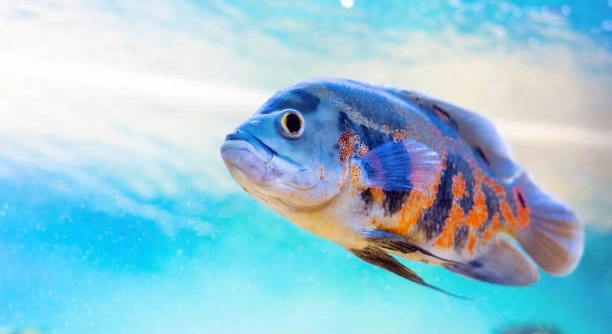
Oscar fish are fascinating creatures that many beginners find themselves owning. However, they can display behaviors that are puzzling for new fish keepers. Understanding their unique actions is key to better care and avoiding confusion.
Oscar fish are known for behaviors that can perplex beginners, including sudden aggression, excessive hiding, and unusual eating habits. These actions are often linked to stress, territorial instincts, or natural behavior patterns, which may differ from what new owners expect.
Learning to identify these behaviors is crucial for your Oscar fish’s well-being. Understanding the cause behind their actions can make your experience as a fish keeper much more enjoyable and rewarding.
Sudden Aggression
Oscar fish are notorious for their unpredictable aggression, especially when they are kept in a tank with other fish. This behavior is often surprising for beginners, who might expect a more peaceful species. The aggression could be triggered by stress, territorial instincts, or even just the fish feeling threatened. They are naturally dominant and assertive, so they may attack other fish or even the tank decor.
In a tank environment, it’s important to monitor the fish’s interactions with other species. Oscars are best kept with other large, robust fish. However, even with tankmates, it’s common for Oscars to act aggressively, especially during feeding time or when they feel their space is invaded.
One of the simplest ways to manage this aggression is by giving your Oscar fish plenty of space and hiding spots. A large tank with decorations, caves, and plants can provide some shelter and reduce confrontations. Keep in mind that Oscars may also get territorial when breeding or if their environment is too small. Monitoring their behavior carefully will help prevent issues from escalating and ensure a more peaceful tank.
Unpredictable Eating Habits
Oscars often have erratic eating patterns that can confuse beginners. They may eat large amounts one day and refuse food the next. This can be frustrating, especially if you’re trying to establish a regular feeding routine. However, it’s essential to understand that Oscars are opportunistic eaters, and their eating habits can vary based on a variety of factors, such as stress or water quality.
If your Oscar fish is not eating, the first step is to check the water conditions. Poor water quality can lead to reduced appetite. Additionally, try offering different types of food, including pellets, live food, or frozen options. Oscars can sometimes be picky eaters, and their preferences may shift over time. Keeping a close eye on their eating habits is key to maintaining their health.
Hiding and Shyness
Oscar fish are known to hide more often than expected. Beginners may find this behavior strange, especially when the fish seem healthy but spend time tucked away in caves or behind decorations. This could be a sign of stress, illness, or simply the fish trying to establish a comfortable territory.
It’s important to remember that Oscars are solitary fish by nature. They might seek refuge in hiding spots as a way of coping with their surroundings. New environments, unfamiliar tank mates, or even loud noises can all contribute to their need for security. Oscars may retreat to hide in their favorite spots until they feel safe again.
Providing hiding spaces can help reduce stress. Include plenty of caves, plants, and decorations that mimic their natural habitat. A fish that feels secure will come out more often and display its true personality. If your Oscar spends an excessive amount of time hiding, make sure water parameters are ideal, and avoid adding new tankmates too quickly.
Territorial Behavior
Oscar fish are highly territorial, and they don’t take kindly to intruders in their space. This can be confusing for beginners who may not expect their fish to claim such a strong presence in their tank. Oscars will often defend their territory aggressively, especially against smaller or weaker fish.
A well-established Oscar will show signs of territoriality, such as chasing other fish or even attacking when they feel their space is invaded. They may also become more aggressive during breeding season, increasing their territorial defense. It’s essential to provide enough space in the tank to avoid any conflict with other fish.
When setting up a tank with an Oscar, give it plenty of room to roam. Try to avoid overcrowding, and ensure that tank mates are large enough to defend themselves. Oscars can live peacefully with larger, non-aggressive species, but keeping them with too many fish or small ones will trigger their defensive instincts.
Excessive Swimming
Oscar fish are known for their fast and erratic swimming. Beginners often worry when they see their Oscars constantly swimming around the tank, especially when it seems like they are unable to settle. This behavior can be a sign of anxiety or excitement.
If your Oscar is swimming excessively, it could be stressed or just trying to explore its environment. Oscars are curious creatures and love to move around their space. However, constant swimming could also be a sign that the fish is uncomfortable with the water conditions, or even looking for more territory.
Ensure that your Oscar has enough space to swim freely. A larger tank will help the fish feel less cramped and more at ease. Checking the water quality regularly and maintaining proper filtration can reduce anxiety and encourage healthier swimming habits.
Poor Water Quality
Oscars are sensitive to water conditions, and poor water quality can cause them to act out. New owners might miss small signs of poor water quality, like changes in behavior or appetite loss. It’s essential to check the water parameters regularly to keep your Oscar healthy.
Oscars need clean, well-filtered water to thrive. High levels of ammonia, nitrites, or even improper pH levels can lead to stress and confusion in your fish. Make sure to do regular water changes and ensure that your filtration system is strong enough to handle the tank’s size. Clean water is crucial for maintaining the fish’s overall well-being.
Inconsistent Tankmates
Introducing new fish into a tank with an Oscar can lead to confusion and conflict. Oscars are naturally dominant and territorial, so adding new tankmates may upset the balance in your tank. It’s essential to carefully choose compatible species when setting up a community tank with Oscars.
When selecting other fish, make sure they are large enough to avoid being seen as prey or competition. Many beginners make the mistake of adding smaller, peaceful fish, which can cause stress or lead to aggression from the Oscar. Researching compatible species and ensuring your tank is large enough for everyone to share peacefully is key.
FAQ
Why is my Oscar fish not eating?
If your Oscar fish isn’t eating, it could be due to a few reasons. One common cause is poor water quality. Oscars are sensitive to changes in their environment, and bad water conditions can cause them to lose their appetite. Make sure you’re checking the water parameters regularly and performing necessary water changes. Another reason might be stress, particularly if you’ve recently introduced new tank mates or made significant changes to the tank setup. Sometimes Oscars just get picky about their food. Try offering different types of food like pellets, frozen, or live food to entice them to eat.
What size tank does my Oscar fish need?
Oscar fish grow quite large, and they need plenty of space to thrive. A minimum tank size for one Oscar is 55 gallons, but ideally, you should aim for 75 gallons or more. This allows your fish enough room to swim freely and reduces stress. If you plan to add other tank mates, you’ll need an even larger tank. A crowded tank can lead to aggressive behavior and poor water quality, so always plan for a spacious environment.
Why is my Oscar fish swimming in circles?
If your Oscar is swimming in circles, it could be a sign of stress or discomfort. A common cause of this behavior is poor water quality. Test the water for ammonia, nitrites, and nitrates to make sure everything is balanced. Another potential cause could be a lack of space, as Oscars can become frustrated in small tanks. Finally, if the behavior continues, it may be worth considering whether your Oscar is showing signs of illness. Parasites or bacterial infections can sometimes cause erratic swimming patterns.
How do I stop my Oscar fish from being aggressive?
Oscars can be very territorial, and aggression is natural, especially if they feel their space is being invaded. To reduce aggression, provide your Oscar with plenty of hiding spots and decorations in the tank. This gives them areas to claim as their own and can help lessen territorial behavior. If you keep other fish with your Oscar, make sure they are large enough to defend themselves. Avoid adding small, slow-moving fish that may trigger aggression. Lastly, make sure the tank size is appropriate, as too small of a tank can increase aggression.
What should I feed my Oscar fish?
Oscar fish are carnivores, so they thrive on a diet rich in protein. They will happily eat pellets, live food, and frozen foods such as worms, shrimp, and fish. A varied diet is essential for keeping your Oscar healthy. Offering a mix of food types will not only keep them interested but also ensure they get all the nutrients they need. Be cautious not to overfeed, as Oscars tend to eat a lot, and overfeeding can lead to poor water quality and health issues.
How can I tell if my Oscar fish is sick?
Sick Oscars may show a variety of symptoms, such as a lack of appetite, faded colors, unusual swimming patterns, or spots and lesions on their skin. If your Oscar is spending more time hiding or seems lethargic, this is a sign that something may be wrong. It’s important to check the water quality first, as poor conditions can often mimic symptoms of illness. If everything checks out and your Oscar continues to show signs of illness, consider consulting a veterinarian who specializes in fish.
Can I keep more than one Oscar in a tank?
You can keep more than one Oscar in a tank, but it’s not always easy. Oscars are territorial and may fight with each other, especially if the tank is too small. If you do want to keep more than one, make sure you have a large tank—at least 75 gallons for two Oscars. You should also monitor their interactions closely and be prepared to separate them if aggression becomes a problem. Keeping Oscars in pairs or groups is generally not recommended unless you have experience managing aggressive tank mates.
Why is my Oscar fish digging?
Oscar fish will sometimes dig in the substrate, and this behavior is perfectly normal. They may dig to create hiding spaces, build nests, or search for food. This digging is an instinctive behavior and can happen frequently, especially if your Oscar is feeling stressed or trying to establish a territory. To reduce the mess caused by digging, you can use larger rocks or a substrate that is less likely to be uprooted, such as gravel. Be sure to keep the tank clean, as digging can stir up debris that affects water quality.
How do I know if my Oscar is happy?
A happy Oscar will display vibrant colors and swim confidently around the tank. They should be active and show an interest in their environment, including interacting with food and tank mates. If your Oscar hides often, has faded colors, or seems lethargic, these are signs that the fish may be stressed or unhappy. Keeping water quality high and ensuring they have enough space will help maintain their happiness. Social interaction can also contribute to an Oscar’s well-being, so consider providing plenty of decorations or tank mates to enrich their environment.
Can I put an Oscar with smaller fish?
While it may be tempting to put an Oscar with smaller fish, it’s generally not a good idea. Oscars are known to be aggressive and have a strong predatory instinct. Smaller fish may be seen as prey, and Oscars could attack or even eat them. It’s best to keep Oscars with other large, fast-moving fish that can hold their own. If you want to have a community tank, be sure to research the temperaments of potential tank mates before adding them to your Oscar’s environment.
Final Thoughts
Oscar fish are fascinating creatures that can be both rewarding and challenging to care for. Their unique behaviors, such as aggression, territoriality, and picky eating habits, can sometimes leave beginners feeling confused. However, understanding these traits and adjusting their environment accordingly can help you provide a better life for your Oscar. They need space to swim, clean water, and a peaceful environment to feel secure. With the right setup and attention, Oscars can thrive and show their true personalities.
One of the most important things to remember when caring for an Oscar is that they are not the easiest fish to keep. They can be demanding when it comes to tank size, water quality, and social dynamics. Beginners may find themselves adjusting their care routines several times before getting it right. However, this is part of the learning process. With patience and proper research, you will get better at understanding their needs and how to meet them. Their strong personalities and unique behaviors will soon become something you can appreciate and enjoy as you continue to care for them.
If you’re a beginner, don’t be discouraged by the challenges that come with keeping an Oscar fish. Like any pet, they require attention, care, and understanding. The key is to be observant and proactive when it comes to tank maintenance and monitoring their behavior. By making sure their environment is suitable and adjusting when necessary, you can avoid common problems and help your Oscar fish live a happy and healthy life. With time, you’ll become more confident in your ability to care for your Oscar and enjoy the rewarding experience of having them as part of your aquarium.

Hello,
If you enjoy the content that we create, please consider saying a "Thank You!" by leaving a tip.
Every little bit helps us continue crafting quality advice that supports the health, happiness, and well-being of pets around the world, for pets of all shapes, sizes, and species.
We really appreciate the kindness and support that you show us!