
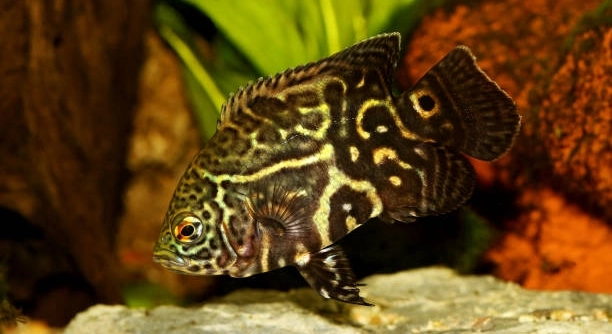
Oscar fish are fascinating creatures, known for their striking appearance and lively behavior. As they grow, their personalities tend to evolve. Understanding these changes can help you provide the best care for them throughout their lives.
As Oscar fish age, their personalities typically shift from highly active and aggressive to more calm and territorial. Younger Oscars are playful and social, while older ones often become less interactive and more defensive about their space.
These personality shifts can affect how your Oscar interacts with you and other tank mates. Keeping track of these changes will help you manage their behavior effectively and ensure their well-being in the long run.
Early Stages: Active and Social Oscars
Oscar fish start off full of energy, constantly swimming around and exploring their environment. As juveniles, they’re curious and enjoy interacting with other fish and their owners. They have a playful side and will often display their excitement through quick movements and darting around the tank. At this stage, they are also more social, often coming to the surface when you approach the tank, as they associate you with food and attention.
This active behavior is part of their growth process, helping them learn about their surroundings and build their strength. They will not hesitate to swim through the water with enthusiasm, showing their bright, vibrant colors.
As Oscars get older, however, this playfulness starts to decrease. They focus more on their territory and prefer to stay in familiar areas of the tank. This shift towards a more settled routine is a natural progression as they mature.
Transition to More Territorial Behavior
Once they hit adulthood, Oscar fish begin to claim their space. They are not as eager to interact with other tank mates or humans as they once were.
As their territory becomes more important, they may even display aggression towards other fish, especially if they feel their space is being invaded. This territorial behavior can become intense, with the Oscars defending their spot by chasing away intruders. To avoid constant conflict, some owners choose to keep Oscars in tanks without other large fish.
Increased Aggression as Oscars Mature
As Oscars mature, aggression becomes more prominent, especially during feeding times or when they feel threatened. They may chase or even nip at other fish in their tank. This aggressive behavior can be challenging if you have other fish living with them, requiring careful management of tank mates.
They might also show aggression towards owners, particularly if they’re startled or feel their territory is invaded. However, this behavior usually isn’t personal—it’s simply a result of their growing need to protect their space. As a result, understanding the signs of aggression can help avoid conflicts and potential injuries.
In some cases, Oscars may also become more aggressive towards tank decorations. They may try to move or rearrange objects in their environment, further emphasizing their territorial nature. Keeping the tank layout simple and sturdy can prevent damage and reduce stress for the fish.
Less Interaction with Humans
Older Oscars are less likely to approach the glass when you’re nearby, showing a decrease in the social behavior they displayed when younger. This may feel like they’re less interested in interaction, but it’s a normal part of their aging process.
While they may not be as responsive, older Oscars still recognize their owners. They may come to the surface at feeding time or show other signs of recognition. However, these interactions are more reserved compared to their earlier, more engaging behavior. Over time, they may even become more independent, spending most of their time in one area of the tank. Understanding this shift can help you avoid frustration, as it’s just part of their changing needs and personality.
Decreased Playfulness with Age
As Oscars get older, they lose the playful energy they once had. Their movements slow down, and they no longer dart around the tank in excitement. Instead, they may stay in one spot, only moving when necessary, usually to eat or explore their immediate surroundings.
This decrease in playfulness doesn’t mean they are unhealthy. It’s just a natural part of aging. The once energetic and lively fish become more reserved, focusing on their territory rather than exploring their environment or interacting with others.
Less Interest in New Tankmates
Older Oscars show less curiosity when new fish are introduced. They may not react at all or simply become more territorial. Adding new tankmates can cause stress for the Oscar as it feels threatened by the unfamiliar presence.
This disinterest in new fish can lead to issues if tankmates are not carefully selected. Oscars are less tolerant of changes in their environment, and bringing in new fish may result in aggression. Monitoring behavior and maintaining a stable tank environment can help ease the transition.
FAQ
How do I know if my Oscar fish is stressed?
Stress in Oscar fish can be identified by several signs, including erratic swimming, loss of appetite, or hiding in a corner of the tank. You may also notice that the fish starts to show unusual behavior, such as rubbing against objects or constant scratching. Additionally, Oscar fish that are stressed may develop faded colors or sores. It’s important to monitor the tank conditions, ensuring clean water, proper filtration, and appropriate tank mates. Stress can often be a result of poor water quality or territorial disputes with other fish.
Can Oscars live with other fish?
Oscars can live with other fish, but they need to be paired with tank mates that are large enough to handle their territorial nature. Smaller fish are at risk of being eaten or harassed. Some good tank mates include larger cichlids, plecos, and catfish. However, it’s essential to monitor their interactions closely, especially as Oscars mature and become more territorial. Avoid housing Oscars with fish that are too timid or small, as they may get bullied or eaten.
What is the ideal tank size for an adult Oscar fish?
Adult Oscars require a large tank, ideally at least 75 gallons for a single fish. As they grow, their space requirements increase, and a larger tank will ensure they have room to swim freely. For each additional Oscar, the tank size should be increased by at least 50 gallons. It’s also important to have proper filtration, as Oscars are messy eaters and produce a lot of waste. Having a larger tank will make it easier to maintain water quality and avoid overcrowding.
How often should I feed my Oscar fish?
Oscar fish should be fed once or twice a day, depending on their age and size. Young Oscars have faster metabolisms and may need to eat more frequently, while adult Oscars can thrive on one feeding per day. It’s important not to overfeed them, as this can lead to obesity and water quality issues. Offer a variety of foods, such as pellets, live or frozen foods like worms, shrimp, and small fish. Always ensure the food is appropriate for their size and feeding habits.
Why is my Oscar fish hiding all the time?
Hiding can be a sign of stress, illness, or an issue with tank conditions. Oscars may hide if they feel threatened by other fish, if the water quality is poor, or if they are not feeling well. Check the tank for potential sources of stress, such as overly aggressive tank mates or a lack of hiding spots. Additionally, make sure the water temperature, pH, and filtration are optimal for your Oscar’s health. If the behavior continues, it might be worth consulting a veterinarian for further advice.
Do Oscars need tank decorations or hiding places?
Yes, Oscars benefit from having decorations or hiding places in their tank. While they are territorial, providing caves, plants, or other structures can give them places to rest and feel secure. They enjoy having spots to retreat to when they need to relax or avoid stress. However, be mindful of the size and sturdiness of decorations, as Oscars may move or rearrange them. Decorations that are too small or not anchored properly can be displaced or even cause damage to the tank.
What water temperature is best for an Oscar fish?
Oscar fish thrive in water temperatures between 75°F and 80°F (24°C to 27°C). It’s important to keep the water within this range to ensure their overall health. Temperatures that are too low can cause stress, weaken their immune system, and make them more susceptible to disease. Using a reliable aquarium heater is recommended to maintain a consistent temperature. It’s also crucial to monitor the water regularly to avoid sudden temperature changes that could stress the fish.
Why is my Oscar fish turning pale?
If your Oscar fish is turning pale, it could be a sign of stress, poor water quality, or illness. Stress can occur from overcrowding, aggressive tank mates, or sudden changes in the environment. Poor water conditions, such as high ammonia or nitrate levels, can also cause fading colors. Ensure the water is clean, with proper filtration and regular water changes. If the pale color persists, it might be worth checking for signs of disease, as this can sometimes lead to color loss in Oscar fish.
How do I handle aggression in my Oscar fish?
As Oscar fish age, their territorial behavior can become more aggressive. If aggression becomes a problem, consider adjusting the tank setup. Adding more hiding places can help, or removing particularly aggressive tank mates. In some cases, separating Oscars into individual tanks might be necessary if aggression becomes too intense. Always monitor their behavior, especially during feeding times or when new fish are introduced, as Oscars can become more aggressive in these situations.
Can Oscars live in a community tank?
While Oscars can live in a community tank, it’s crucial to choose appropriate tank mates. They are aggressive and territorial, especially as they age. Smaller or less assertive fish may be bullied or eaten. Larger fish that can hold their ground are better companions for Oscars. Be sure to observe their interactions and be ready to separate them if conflicts arise. Additionally, maintaining a large tank is essential to provide enough space for everyone to coexist comfortably.
Final Thoughts
Oscar fish are captivating creatures with dynamic personalities that change as they age. In their younger years, they are active, playful, and highly social, often seeking interaction with their owners and other fish. As they grow older, however, they become more territorial, less social, and even more aggressive. These shifts in behavior are natural, as Oscars transition from energetic juveniles to more mature and self-sufficient adults. Understanding these changes is key to keeping them healthy and ensuring they thrive in your care.
As Oscars mature, it’s important to be aware of their need for a spacious environment and proper tank mates. A 75-gallon tank is the minimum size for an adult Oscar, and you’ll need to monitor water quality regularly due to their messy eating habits. Adding large, compatible fish can help avoid conflict, but be prepared for some territorial disputes. Keeping the tank setup simple and providing plenty of hiding spots can help reduce stress, but it’s crucial to remember that Oscars are not as interactive with other fish or people as they age.
Caring for an Oscar fish involves adapting to their changing behavior and environment needs. While they may not remain as active or social throughout their lives, they still require attention and proper care. By understanding the stages of their development and adjusting the tank conditions as needed, you can ensure your Oscar remains healthy and comfortable. Whether you have a young, lively Oscar or an older, more territorial one, the goal is to provide a stable, enriching environment where your fish can thrive and continue to be a fascinating part of your aquarium.

Hello,
If you enjoy the content that we create, please consider saying a "Thank You!" by leaving a tip.
Every little bit helps us continue crafting quality advice that supports the health, happiness, and well-being of pets around the world, for pets of all shapes, sizes, and species.
We really appreciate the kindness and support that you show us!