
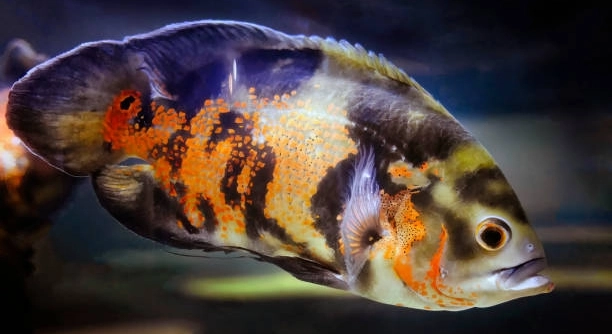
Do you ever find yourself fascinated by how people can behave differently depending on the situation they are in? Oscars, despite their usual habits, are no exception when it comes to unexpected shifts in behavior.
Oscars can act completely different due to changes in their environment, mood, health, or social interactions. Factors such as water quality, territory disputes, breeding instincts, and stress levels often lead to noticeable and surprising behavioral changes in these fish.
These moments highlight the complexity behind their actions, offering a better understanding of their needs and instincts throughout different experiences and stages.
1. Stressful Changes in Their Environment
Oscars can behave very differently when they experience changes in their environment. Something as simple as a shift in water temperature, a new decoration, or a sudden loud noise can cause them to act unpredictably. They may hide more often, lose their appetite, or become aggressive toward tank mates. It is important to monitor their behavior closely when any modifications are made to their surroundings. These fish are highly sensitive to their habitat, and even small disruptions can cause noticeable changes in their daily activities. When kept in a stable and calm environment, Oscars usually show their more relaxed and playful side. However, any disturbance, no matter how small, can trigger defensive or fearful behaviors. Creating a safe, predictable space for them is essential for keeping their behavior consistent and reducing stress-related problems.
When Oscars react negatively to environmental changes, it often shows how important stability is to their comfort and overall health.
Providing consistent care with minimal sudden changes helps reduce unusual behavior, allowing Oscars to thrive and feel secure in their home.
2. Territory Disputes
Oscars are naturally territorial and may act differently when defending their space from perceived threats. You might notice them flaring their fins, chasing other fish, or rearranging objects in the tank.
A tank that feels too small or overcrowded can quickly bring out aggressive territorial behavior in Oscars. In these situations, they may become more dominant, showing constant displays of power like body slapping, jaw locking, or nudging tank mates. Giving them enough space to establish their own area is important for their mental well-being. A single Oscar needs a large tank to feel comfortable, and if housed with others, the tank must offer multiple hiding spots and visual barriers. Without enough personal space, Oscars will often become stressed, leading to injuries or long-term health problems. Watching for early signs of territorial disputes and adjusting their environment accordingly can prevent larger issues and help keep a peaceful tank dynamic.
3. Breeding Behavior
When Oscars are preparing to breed, their personalities often shift noticeably. They may become more territorial, aggressive, or protective, especially toward other fish. You might also see them cleaning flat surfaces, which is a clear sign they are ready to lay eggs.
Breeding pairs of Oscars tend to form strong bonds during this time. They often stay close together, chase off intruders, and defend their chosen breeding site fiercely. Their colors may even become brighter, showing they are in breeding condition. During this period, they can seem more focused and less playful than usual, driven by instinct to protect their offspring. If you have a breeding pair, it is important to provide them with a large, calm space and limit disturbances. Aggressive behaviors are normal but should still be monitored to prevent injury. Good tank conditions will help keep the breeding process safe for both the parents and the eggs.
After laying eggs, Oscars become highly protective parents. They guard the eggs closely, constantly fanning them with their fins to keep them clean and oxygenated. They also defend the area aggressively from any perceived threats. This parenting behavior shows a more nurturing side to their personalities, although it can also make them more aggressive toward humans during tank maintenance. It is important to give them space during this sensitive time to avoid stressing them further. Keeping lighting gentle and minimizing sudden movements near the tank helps reduce their defensive reactions. Allowing the parents to raise their fry naturally, when possible, usually leads to stronger, healthier offspring and a calmer environment overall.
4. Illness and Injury
When Oscars are sick or injured, their behavior changes quickly and noticeably. They may become sluggish, hide more often, lose their appetite, or display unusual swimming patterns. Paying attention to these signs is important for early care.
Illness can cause Oscars to become withdrawn and irritable. They might avoid interaction, stay near the bottom of the tank, or refuse food for long periods. Common health issues like ich, fungal infections, and internal parasites often show up through subtle behavior changes before visible symptoms appear. Injuries from tank decor or other fish can also cause Oscars to act differently, such as favoring one side or becoming more defensive. Quick identification and treatment are crucial for a smooth recovery. Water quality plays a big role in their healing process, so keeping it clean and stable is essential. Proper diet, limited stress, and safe tank conditions all contribute to helping Oscars regain their usual energetic behavior.
5. Changes in Water Quality
Oscars react quickly to poor water quality. If ammonia, nitrite, or nitrate levels rise, they may become lethargic, lose color, or start gasping near the surface. Quick water testing and maintenance can help return their behavior to normal.
Even small shifts in pH, temperature, or hardness can stress Oscars. They may act irritable, hide, or show rapid gill movement. Regular water checks and slow adjustments are important to prevent sudden changes. Keeping their environment stable allows them to stay healthy and maintain their usual active personalities.
6. Boredom or Lack of Stimulation
Without enough stimulation, Oscars can start acting differently. They may seem restless, pace the tank, or even act aggressive out of frustration. Lack of toys, changes, or interaction can leave them bored, leading to noticeable behavior shifts. Providing a variety of activities like rearranging decor, adding floating toys, or even using mirrors can offer entertainment. These small changes help them stay mentally active and physically healthy. Interacting with them through hand feeding or watching their reaction to new objects can create stronger bonds and reduce negative behaviors. Keeping their mind engaged is just as important as maintaining physical health.
7. Recognizing Their Owner
Oscars are very intelligent and often recognize their owners. They may act excited when you approach, following your movements or even begging for food at the surface. This special connection often leads to more interactive and lively behavior.
FAQ
Why do Oscars suddenly become aggressive?
Oscars can suddenly act aggressive due to breeding instincts, changes in their environment, or feeling threatened. They are naturally territorial, and even small adjustments like moving decorations or introducing new fish can trigger aggressive behavior. Keeping their environment stable helps reduce sudden outbursts.
Can Oscars get bored if their tank setup never changes?
Yes, Oscars are intelligent fish that require stimulation. A stagnant environment can cause them to become restless, destructive, or even depressed. Small changes, new decorations, floating toys, and occasional interaction with their owners keep them mentally active and prevent boredom-related behavior.
How do Oscars show they recognize their owner?
Oscars often swim excitedly toward their owner, beg for food, or follow movements outside the tank. Some even appear to “dance” or perform small, repetitive motions. This recognition shows their strong memory and intelligence, making them more interactive compared to many other fish.
What should I do if my Oscar stops eating?
When an Oscar stops eating, check the water quality first. Poor conditions can cause stress and appetite loss. If the water is fine, consider whether the fish might be sick or stressed. Sometimes, even boredom or minor injuries can cause appetite changes.
Why is my Oscar hiding all of a sudden?
Oscars hide when they are stressed, sick, or adjusting to a new environment. Changes in tank mates, water quality, or even loud noises nearby can cause this. Giving them time to adjust and ensuring a calm, clean environment usually helps them feel safe again.
Is it normal for Oscars to act differently after a water change?
Yes, Oscars are sensitive to even slight water parameter changes. A large or sudden water change can temporarily stress them out, causing erratic swimming, hiding, or color fading. Gradual, smaller water changes are usually less stressful and help maintain consistent behavior.
Can other fish affect an Oscar’s behavior?
Definitely. Aggressive or overly active tank mates can stress Oscars, making them act defensive or more territorial. On the other hand, very passive tank mates might encourage an Oscar to become dominant or bossy. It is important to choose tank mates carefully.
What are some signs that an Oscar is stressed?
Common signs of stress in Oscars include faded colors, hiding, rapid gill movement, loss of appetite, and erratic swimming. Stress can lead to a weakened immune system, making them more vulnerable to diseases, so it’s important to address the cause quickly.
How do Oscars behave when they are sick?
Sick Oscars often act sluggish, hide more, lose their appetite, or swim abnormally. They may also show external signs like white spots, redness, or torn fins. Identifying these changes early helps in providing timely treatment and improves their chances of recovery.
Can changing the tank decor make my Oscar happier?
Yes, changing tank decor can stimulate an Oscar’s mind and reduce boredom. Rearranging plants, adding caves, or even floating objects gives them something new to explore. These changes encourage natural behaviors like exploring and staking out territories, helping them stay active.
Do Oscars bond with each other?
Oscars can bond with other Oscars, especially when paired as juveniles or during breeding. However, bonding does not guarantee no aggression. Some pairs may still have disputes, especially if the tank is too small or lacks enough hiding spots and space.
How often should I interact with my Oscar?
Daily interaction is ideal, even if it is just a few minutes of hand-feeding or tapping lightly on the glass. Regular interaction helps strengthen your bond, keeps them mentally stimulated, and allows you to notice early signs of stress or health issues.
Can an Oscar’s color change over time?
Yes, it is normal for Oscars to change color as they grow, age, or experience changes in their environment. Stress, diet, and water quality also influence color intensity. Providing a balanced diet and stable tank conditions helps maintain their vibrant appearance.
What should I do if my Oscar becomes aggressive toward me?
If your Oscar becomes aggressive during tank maintenance, it is often a defense reaction, especially during breeding or after major changes. Try moving slowly around the tank and minimizing disturbances. Using tools instead of hands can prevent injuries and reduce their stress.
How can I tell if my Oscar is happy?
A happy Oscar is active, has a strong appetite, interacts with you, and displays vibrant colors. They swim around confidently, explore their environment, and respond to new stimuli. Healthy, stable conditions and regular interaction help maintain their well-being and lively personalities.
Final Thoughts
Oscars are fascinating fish with personalities that stand out compared to many other aquarium pets. Their ability to act so differently in certain situations shows just how intelligent and sensitive they are. These changes in behavior are not random. They are often a direct response to what is happening around them. Whether it is a change in their environment, an interaction with another fish, or even their mood during breeding times, Oscars find unique ways to express themselves. Paying attention to these changes is important. It helps owners better understand their fish and provide a more stable, happy environment for them.
Taking care of Oscars requires more than just feeding them and keeping their tank clean. It means learning to recognize when they are acting out of the ordinary and understanding why. A sudden shift in behavior could be a sign of stress, illness, or boredom. By observing them closely, owners can quickly catch these signals and make adjustments. It might mean improving the water quality, rearranging the tank, adding new toys, or simply giving them more attention. Each action makes a difference. Caring for Oscars is a rewarding experience because it builds a connection based on mutual trust and understanding over time.
Every Oscar is unique, with its own likes, dislikes, and habits. What works for one fish might not work for another, which is why patience is so important. Owners who are willing to spend time getting to know their fish often find that Oscars become more interactive, lively, and affectionate. It is these small daily interactions that make owning an Oscar special. Recognizing when they act differently and responding with care ensures they stay healthy and happy. In the end, understanding and respecting their needs helps create a better life for them and a more enjoyable experience for their owner.

Hello,
If you enjoy the content that we create, please consider saying a "Thank You!" by leaving a tip.
Every little bit helps us continue crafting quality advice that supports the health, happiness, and well-being of pets around the world, for pets of all shapes, sizes, and species.
We really appreciate the kindness and support that you show us!