
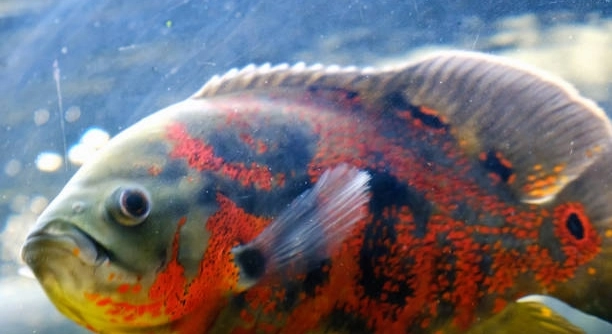
Oscar fish are known for their curious and interactive nature, often showing interest in their surroundings. Their behavior can sometimes lead to them following movements around their tanks, a trait that has intrigued many fish owners.
Oscar fish are naturally curious creatures, and their tendency to follow movement is part of their instinctual behavior. They may follow you or other objects due to their desire to explore, communicate, or react to their environment.
Understanding why your Oscar fish behaves this way can help you better interact with and care for them. This insight will also give you a deeper connection to your fish’s behavior.
Why Do Oscar Fish Follow Movements?
Oscar fish are very curious and intelligent. Their tendency to follow movements is rooted in their instincts. They use this behavior to investigate their surroundings, learn about potential threats, and even identify food sources. When you move near the tank, they may associate your presence with feeding time, making them more likely to follow your movements. This behavior can also be linked to their need for stimulation, especially in a tank environment where there are fewer natural distractions than in the wild.
Being predatory fish, Oscar fish are naturally curious about anything that moves within their range. Their sharp vision helps them spot movement from a distance. In the wild, this ability would help them track prey or avoid predators. In your tank, however, the movement you make is simply something that catches their attention and triggers their instincts.
Understanding this behavior can help you appreciate your Oscar fish’s natural instincts. By providing enough stimulation, you can ensure your fish stay happy and healthy while reducing any stress caused by boredom.
How to Encourage Healthy Behavior in Your Oscar Fish
Oscar fish are naturally drawn to movements, but there are ways to support their curiosity in a healthy manner. Regularly changing up their environment can help keep them mentally engaged.
A variety of stimuli, such as decorations, tank mates, or even occasional changes in feeding routines, can satisfy their need for activity. You can also try using interactive devices designed for fish, which engage them and offer more variety to their environment.
Signs of Stress in Oscar Fish
Stress in Oscar fish can be noticeable. You may see them hiding more often, not eating, or displaying erratic swimming patterns. These signs can indicate discomfort or distress within their environment. It’s important to recognize these behaviors early to address the issue before it worsens.
Stress can stem from poor water quality, overcrowding, or tank mates that cause aggression. Oscars are territorial fish, and the presence of other fish in the tank could provoke defensive behavior. Maintaining a proper tank size and ensuring the water conditions are optimal are key to minimizing stress. Additionally, providing hiding spots or plants can give them a sense of security.
Ensuring your Oscar has a calm environment will improve their behavior and health. This can also reduce the likelihood of aggressive interactions with tank mates and improve the overall atmosphere of your aquarium. Proper care leads to a healthier, happier Oscar fish.
Interacting with Your Oscar Fish
Interacting with your Oscar fish can be a rewarding experience. They are intelligent and social, often recognizing their owners over time. When you approach the tank, they may swim towards you, especially if they associate you with feeding. It’s important to keep your interactions calm to avoid stressing the fish.
Building a connection with your Oscar fish involves consistent, positive interaction. Speaking softly around the tank, offering food at regular times, and avoiding sudden movements can help develop trust. Over time, your Oscar may start recognizing you and responding more frequently to your presence. It’s important to avoid overstimulating them, as this can lead to stress.
Respecting your Oscar’s space and maintaining a routine will ensure that your fish feel comfortable and safe. They thrive in environments where they can predict what happens next, making daily interactions smoother and less stressful for both you and your fish.
Oscar Fish and Feeding Behavior
Oscar fish are eager eaters, often showing excitement when food is nearby. They may follow movements, expecting food to be provided. Their feeding behavior can be influenced by their curiosity and the anticipation of meals, which often leads to them closely monitoring any movements near the tank.
Providing a varied diet can help keep your Oscar fish engaged. Offering different types of food such as pellets, live food, or frozen options can stimulate their curiosity and feeding instincts. Their behavior often increases around feeding time, as they associate you with food. Maintaining a consistent feeding schedule can make them more comfortable and less stressed.
Feeding your Oscar fish at regular intervals will create a routine, allowing them to anticipate mealtime without becoming anxious. This regularity can also contribute to their overall well-being, making them feel secure in their environment.
Oscar Fish Tank Setup
The tank setup plays a crucial role in your Oscar fish’s behavior. A well-maintained tank with proper filtration ensures the water stays clean and oxygenated. This helps maintain a healthy environment that reduces stress. The size of the tank also matters—Oscar fish need plenty of space to swim.
Adding decorations like caves or plants can offer your Oscar fish hiding spots, helping them feel more secure. These spaces allow them to explore and retreat when needed. It’s also essential to ensure that the tank is free of sharp objects that could harm your fish. A comfortable environment promotes curiosity and reduces aggressive tendencies.
Tank Mates for Oscar Fish
Oscar fish are known to be territorial and can be aggressive toward tank mates. Choosing the right companions is important. Fish that are too small or passive may become targets. It’s best to keep Oscars with larger, more robust fish to avoid conflicts and ensure a peaceful tank dynamic.
FAQ
Why does my Oscar fish follow me?
Oscar fish are naturally curious and intelligent, often associating movement with feeding time. When you move around their tank, they may follow your actions in anticipation of food. This is a typical behavior driven by their instinct to track potential prey or feeding opportunities. If you consistently feed them at a certain time, they will likely start expecting food when you approach, making them more likely to follow your movements. Their sharp vision allows them to notice even slight movements, so this behavior is rooted in their instinctual survival traits.
Can Oscar fish recognize their owners?
Yes, Oscar fish can recognize their owners over time. They may begin to identify you based on your routine, such as when you feed them or interact with them regularly. Their ability to recognize faces and respond to specific people can create a bond. Over time, they can even react to your presence differently than to strangers. It’s a sign of trust when your Oscar fish shows excitement or follows you around the tank, anticipating interaction. This connection can grow stronger with consistent, positive engagement, like feeding and gentle interaction.
How do I know if my Oscar fish is stressed?
Stress in Oscar fish is often marked by several signs. They may swim erratically, hide more frequently, or stop eating. You might also notice them darting around the tank or scraping their bodies against objects. If these behaviors persist, it’s a good indication that something is causing them distress. Stress can result from poor water conditions, overcrowding, or aggressive tank mates. Ensuring your Oscar fish has a clean tank, a suitable environment, and the right companions can help reduce stress. Watching for these signs and making adjustments can help keep your fish healthy and happy.
What is the best tank size for Oscar fish?
Oscar fish require a large tank to thrive. Ideally, you should have at least a 75-gallon tank for one adult Oscar. As they grow, they need plenty of space to swim and explore. Overcrowding can lead to stress, territorial aggression, and poor water quality. It’s also important to consider the size of any tank mates, as Oscars are territorial and can become aggressive towards smaller fish. A larger tank not only provides ample space for movement but also helps maintain stable water conditions, which is crucial for your Oscar’s health.
What do Oscar fish like to eat?
Oscar fish are carnivorous, so they enjoy a diet rich in protein. They can be fed a variety of foods, including high-quality pellets, live food such as worms, and frozen food like shrimp or fish. Providing variety in their diet will keep them engaged and healthy. Oscars are opportunistic feeders, so they will likely enjoy hunting live food in the tank, as it stimulates their natural predatory instincts. Regular feeding at consistent times will also help them feel secure, as they learn to associate your presence with food.
Can I keep other fish with my Oscar?
While it’s possible to keep other fish with Oscar fish, it’s important to choose the right tank mates. Oscars can be territorial and may show aggression, especially toward smaller or more passive fish. Larger, more robust species like other cichlids or catfish are better companions. You’ll need to monitor their interactions closely to avoid any fights. It’s also a good idea to introduce new tank mates gradually, giving the Oscar time to adjust. Keeping a well-maintained tank with enough hiding spots can help reduce aggression and create a more harmonious environment.
How often should I feed my Oscar fish?
Oscar fish should be fed once or twice a day, depending on their age and size. Young Oscars may need smaller, more frequent feedings to support their growth, while adult Oscars can thrive with one feeding per day. It’s important not to overfeed them, as this can lead to poor water quality and obesity. You should also remove any uneaten food after about 5 minutes to avoid it decomposing and polluting the tank. A balanced diet with a variety of protein-rich foods will ensure that your Oscar stays healthy and well-fed.
Why is my Oscar fish swimming upside down?
If your Oscar fish is swimming upside down, it could be a sign of a swim bladder disorder. The swim bladder helps fish maintain buoyancy, and any issues with it can cause abnormal swimming behavior. This could be due to overfeeding, poor water quality, or an underlying health issue. If the behavior persists, it’s important to check the water parameters and adjust feeding practices. In some cases, a visit to an aquatic veterinarian may be necessary to rule out any medical concerns.
Can I breed Oscar fish in my tank?
Breeding Oscar fish in a tank is possible, but it requires careful planning. You’ll need a large tank and stable water conditions, as well as a breeding pair of healthy Oscars. They often show signs of readiness to breed when they clean a flat surface like a rock or aquarium glass. Once the eggs are laid, both parents may guard the nest and protect the fry. It’s essential to have a separate tank or breeding setup for the fry, as they can be vulnerable to predators or eaten by the adult Oscars.
Final Thoughts
Oscar fish are intelligent and curious creatures, often engaging with their environment in ways that surprise their owners. Their behavior, including following movements and showing excitement during feeding, is a sign of their natural curiosity. These fish are known to develop bonds with their caretakers, recognizing their presence and responding accordingly. With the right care and attention, Oscar fish can make fascinating pets, showing unique personalities and behaviors that add to the enjoyment of keeping them.
Providing a proper environment for your Oscar fish is key to ensuring their health and happiness. A spacious tank with clean water is essential for their well-being. As active swimmers, Oscars need enough room to move around without feeling confined. A tank size of at least 75 gallons is recommended for one adult Oscar. Regular water changes and proper filtration help maintain the conditions they need to thrive. Additionally, providing a varied diet can keep them engaged and satisfied. By creating a stable and enriching environment, you allow your Oscar fish to flourish.
While Oscars can be territorial and sometimes aggressive, they are rewarding pets when kept in the right conditions. They may not always get along with other fish, so it’s crucial to choose tank mates wisely. The key to a successful Oscar tank setup is understanding their needs and behavior. As long as you provide them with the proper care, your Oscar fish can live a long and healthy life, offering endless moments of curiosity and interaction. By paying attention to their behavior and meeting their needs, you can create a satisfying and enriching environment for both you and your fish.

Hello,
If you enjoy the content that we create, please consider saying a "Thank You!" by leaving a tip.
Every little bit helps us continue crafting quality advice that supports the health, happiness, and well-being of pets around the world, for pets of all shapes, sizes, and species.
We really appreciate the kindness and support that you show us!