
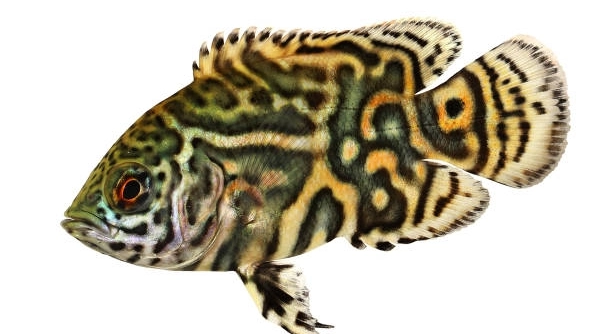
Oscar fish are known for their strong personalities and unique behaviors, but if your Oscar fish is constantly glaring, it could be a sign of something deeper. Understanding this behavior is key to ensuring a healthy aquarium environment.
Oscar fish may glare due to stress, territoriality, or discomfort. They are highly territorial, and this behavior can often be seen when they feel threatened by their surroundings, including other fish, water quality issues, or changes in the tank environment.
Understanding the reasons behind your Oscar’s behavior will help you create a more peaceful and comfortable environment.
Why Oscar Fish Glare: Stress and Territory Issues
Oscar fish are naturally territorial and can become defensive when they feel their space is being invaded. This territorial nature means they may glare at other fish, or even at their owners, to establish boundaries. If you’ve noticed your Oscar constantly glaring, it’s likely feeling threatened by its environment. Stress is another factor that can trigger this behavior, especially if the water conditions are not ideal or if there is any recent change in the tank setup. Oscar fish are also sensitive to light, noise, and movements around their tank, which could contribute to their aggressive stares.
Their glare is often a response to feeling unsafe or anxious in their environment. If your Oscar is alone, it might be trying to assert dominance or simply reacting to the lack of other fish. Adding more hiding spots, like caves or plants, could make them feel more secure.
In some cases, this behavior can indicate an underlying health issue or discomfort. If your Oscar seems unusually agitated or the glare is persistent, consider checking the water parameters and removing any stress-inducing elements from the tank. Ensuring your fish feels comfortable is the first step toward alleviating its tense stare.
Water Quality and Its Impact
Oscar fish are sensitive to water quality, and poor water conditions can cause them to become stressed.
A tank that is too dirty, with high ammonia or nitrate levels, will lead to discomfort for your Oscar. Regular water changes, a good filtration system, and testing the water can help. When water quality is maintained, your Oscar will feel more at ease and less likely to glare.
Other Fish in the Tank
Oscar fish can be particularly aggressive toward other fish, especially when they feel their territory is being invaded. If there are smaller or weaker fish in the tank, your Oscar may glare as a warning sign. It’s a way to assert dominance and keep others in check.
The presence of new fish can make your Oscar feel threatened, leading to its glaring behavior. It may not be used to the newcomers and will take time to adjust. In this case, consider quarantining new fish before introducing them into the tank to minimize stress and avoid territorial conflict. Giving the Oscar time to adjust to any changes in the tank setup will help ease its anxiety.
If you’ve noticed that your Oscar’s glare has intensified after introducing new tank mates, you may want to rearrange the tank to disrupt territorial patterns. This can make it harder for your Oscar to claim dominance over a particular area, reducing stress and aggression.
Tank Setup and Layout
The layout of your tank plays a significant role in your Oscar’s behavior. If there are not enough hiding spots, plants, or objects for your fish to explore, it could lead to territorial aggression and constant glaring.
Creating a more dynamic environment with caves, plants, and rock structures allows your Oscar to retreat when it feels stressed or threatened. Having plenty of spaces to hide can prevent your Oscar from feeling cornered or exposed, ultimately reducing its need to glare. A well-set-up tank with appropriate décor mimics the Oscar’s natural habitat, where it can control its surroundings and feel safe.
Lighting and Tank Environment
Oscar fish can become stressed by excessive lighting. Bright lights or sudden changes in lighting can cause them to glare as a defensive response. To make your Oscar feel more comfortable, consider adjusting the lighting to more natural levels.
Keep lighting at a moderate intensity, and avoid keeping the lights on for long periods. Providing your Oscar with areas of shadow or low light can help reduce stress. If possible, use a dimmer light or set up a timer to simulate a day-night cycle. This will create a more relaxing environment for your fish.
Feeding Schedule
Oscar fish can also glare if they are hungry or feel their food supply is threatened. A consistent feeding schedule can help reduce this behavior.
By feeding your Oscar regularly and ensuring it receives enough food, you can help minimize its aggression. A well-fed fish is less likely to feel the need to glare or display territorial behavior.
FAQ
Why is my Oscar fish constantly staring at me?
Oscar fish may stare at their owners as a way of observing and learning about their environment. This behavior is quite normal, as they are naturally curious creatures. If the staring becomes more intense, it could be a sign of stress, especially if other factors like water quality or tank mates are not ideal. However, a mild stare is often just your Oscar’s way of checking out what’s happening around it.
Is my Oscar fish aggressive, or is it just its personality?
Oscar fish are known for their bold and assertive personalities. They are territorial and may act aggressively, especially when they feel threatened. While occasional aggression is normal, consistent aggressive behavior like constant glaring or chasing other fish can indicate stress or discomfort. It’s important to monitor the tank environment to ensure that your Oscar has enough space and isn’t feeling overcrowded. Properly managing tank mates and maintaining water quality can help reduce aggression.
How can I reduce my Oscar fish’s glare?
To reduce your Oscar’s glare, first assess the tank’s setup and water quality. Ensure the water is clean and at the proper temperature. If your Oscar is feeling territorial, adding more hiding spots, plants, or rocks can help create a safer, less stressful environment. Also, monitor the lighting. Excessive brightness or inconsistent light levels may increase stress, leading to more glaring. Lastly, avoid sudden changes to the tank environment, as Oscar fish prefer stability.
Can Oscar fish live with other fish without glaring?
Oscar fish can live with other fish, but it depends on the species and the size of the tank. They can be aggressive toward smaller fish, which may lead to territorial behavior, including glaring. Choosing tank mates that are similarly sized or more assertive can help reduce conflict. A larger tank size with enough space for all fish to establish their own territory is essential. Ensure that there are enough hiding places for everyone.
How often should I feed my Oscar fish to prevent it from glaring?
Oscar fish need to be fed regularly, but overfeeding can also lead to aggression. A consistent feeding schedule is crucial. Generally, feeding your Oscar once or twice a day is recommended. Offering a varied diet of pellets, frozen foods, and occasional live food helps keep your fish satisfied and reduces the chances of hunger-induced aggression. Be mindful not to leave uneaten food in the tank, as this can contribute to poor water quality and stress.
Can stress from water conditions make my Oscar fish glare more often?
Yes, poor water conditions can significantly impact your Oscar’s behavior. Oscars are sensitive to water quality, and fluctuations in pH, ammonia, and nitrate levels can cause stress, leading to increased glaring. Regular water changes, a good filtration system, and testing the water frequently can help prevent these issues. Keeping the tank clean and maintaining stable water conditions is key to ensuring your Oscar remains healthy and comfortable.
What tank size is best for an Oscar fish?
Oscar fish grow quite large, often reaching 12–14 inches in length. To provide them with enough space to thrive, it’s recommended to keep them in a tank that holds at least 55 gallons of water for a single fish. A larger tank is always better, as it helps reduce territorial behavior and ensures your Oscar has plenty of room to swim and explore. If you plan to keep more than one Oscar, consider a 75-gallon or larger tank to avoid overcrowding.
Does the water temperature affect my Oscar fish’s behavior?
Oscar fish prefer water temperatures between 74°F and 81°F (23°C to 27°C). If the water is too cold, your Oscar may become sluggish or stressed, leading to unusual behaviors like constant glaring. On the other hand, water that is too hot can also cause discomfort and increase aggression. A stable temperature is crucial to keeping your Oscar happy. Invest in a reliable heater and thermometer to maintain the correct temperature range.
Why does my Oscar fish chase its tank mates?
Chasing other fish is a natural behavior for Oscar fish, especially if they feel their territory is being invaded. If you notice that your Oscar is consistently chasing tank mates, it may be a sign that it’s feeling stressed or threatened. Territorial aggression is common in Oscars, but if the behavior escalates to bullying or harming other fish, it might be necessary to separate them or introduce more hiding spots to reduce tension.
Is it normal for my Oscar fish to act differently at night?
Oscar fish are more active during the day, but they can also become more aggressive or defensive at night. The change in lighting can trigger stress, as they might feel less secure in dimmer conditions. To reduce night-time stress, consider adjusting the tank lighting to simulate a more natural day-night cycle, providing your Oscar with a consistent routine. If your Oscar’s behavior changes significantly at night, check the water temperature and quality to ensure it’s not due to environmental factors.
How can I tell if my Oscar fish is healthy or stressed?
A healthy Oscar fish will have clear eyes, vibrant colors, and an active swimming pattern. If your Oscar seems lethargic, has faded colors, or shows signs of fin clamping, it could be stressed. Stress can also manifest as unusual behavior like excessive glaring, rapid swimming, or hiding. Poor water quality, temperature fluctuations, and aggressive tank mates are common causes of stress. If you notice any of these signs, it’s important to address the issue quickly by improving the tank environment and checking for any potential health problems.
Final Thoughts
Oscar fish are known for their strong personalities and can be quite territorial. The constant glaring behavior is often a sign that your fish is either feeling stressed, threatened, or trying to assert dominance over its space. This is common among Oscars, as they are naturally protective of their environment. However, understanding the root cause of this behavior can help you manage it effectively and ensure your Oscar stays healthy and comfortable.
To minimize excessive glaring, focus on creating a stable and comfortable environment for your Oscar. Maintaining good water quality, a suitable temperature, and proper tank size is essential for the overall well-being of your fish. Also, be mindful of the lighting and tank layout, as bright lights or a lack of hiding spots can increase stress. Introducing tank mates that are compatible with your Oscar and ensuring there is enough space for everyone to thrive can also help reduce territorial aggression.
Lastly, keep in mind that Oscars are highly intelligent and social creatures. Over time, with proper care and a well-maintained tank, your Oscar will likely adjust to its environment and feel less inclined to glare. If the behavior persists or becomes more aggressive, you may need to assess other factors such as potential health issues or environmental stressors. Understanding your Oscar’s needs and providing a balanced, stress-free habitat will ensure it remains a happy and healthy part of your aquatic setup.

Hello,
If you enjoy the content that we create, please consider saying a "Thank You!" by leaving a tip.
Every little bit helps us continue crafting quality advice that supports the health, happiness, and well-being of pets around the world, for pets of all shapes, sizes, and species.
We really appreciate the kindness and support that you show us!