
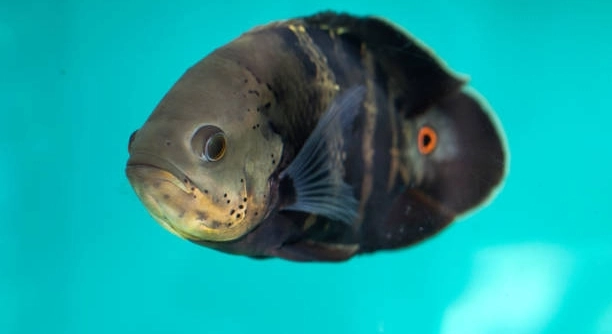
Oscar fish are known for their intelligence and distinctive behaviors. They often interact with other fish, displaying various social dynamics that may suggest a deeper understanding of their environment and the creatures within it.
Research suggests that Oscar fish exhibit behaviors that could be interpreted as empathy. They show concern for injured or stressed tank mates, responding by maintaining proximity or altering their activity to accommodate the affected fish.
Understanding these behaviors may shed light on the emotional complexities of these aquatic animals and their potential to form social bonds.
How Oscar Fish Interact with Other Fish
Oscar fish are known for their territorial behavior, yet they also display social tendencies that suggest a complex understanding of their fellow tank mates. Observing how they engage with other fish can offer insights into their emotional responses and intelligence. In groups, they often establish a pecking order, with dominant individuals taking the lead in interactions. However, these fish are also seen offering protection or adjusting their behavior when other fish are distressed or unwell. This ability to alter their actions for the benefit of others may hint at a form of empathy.
Some of these behaviors are most noticeable when tank mates are sick or injured. The Oscars will remain close to the affected fish, occasionally touching or swimming alongside them. This indicates an emotional connection and a desire to provide comfort, even if it’s not entirely clear what the Oscars understand about the situation.
This social interaction goes beyond simple survival instincts. Oscars seem to recognize when other fish are in need, responding in ways that show an awareness of the others’ conditions. While their actions may not perfectly mirror human empathy, the connection they form with their tank mates remains remarkable.
The Role of Environment in Oscar Fish Behavior
The environment plays a significant role in how Oscar fish behave around others. In a stable, well-maintained tank, Oscars are more likely to display nurturing actions.
They become more social and are less aggressive, suggesting that emotional comfort and security impact their capacity to empathize with other fish.
Observing Empathy in Oscar Fish
Oscar fish have been observed staying near fish that appear sick or stressed. They seem to monitor these fish, adjusting their behavior accordingly. This action may be a sign of awareness beyond just territorial instincts. While it’s not completely clear if their behavior is empathy, it hints at a deep level of sensitivity to their tank mates’ conditions.
In a tank environment, the presence of an injured or stressed fish can trigger a reaction from the Oscar. They may stay closer to the affected fish, swim near them, or even change their activity to match the condition of the weaker fish. This can help the distressed fish feel less isolated. While this may not be the same as human empathy, these behaviors suggest that Oscar fish are aware of the emotional states of others in their environment.
It’s important to note that Oscar fish are still aggressive toward new or unfamiliar fish, often displaying territorial behavior. This means their response to tank mates in distress is not universal but may depend on familiarity. Still, their actions indicate that social bonds can form, even in species typically known for aggression.
How Social Structures Impact Empathy
Oscar fish have a strong social structure in their tank, and this affects how they respond to each other. Their behavior toward injured or stressed fish suggests they recognize the need for support.
The bonds formed between Oscars and other tank mates can change the way they act. When they feel secure, Oscars may develop deeper connections with certain fish, even offering protection or adjusting their behavior to provide comfort. Their empathy seems to thrive in environments where they feel safe and settled, which highlights the importance of stable tank conditions for these fish.
Oscar Fish and Their Response to Stress
Oscar fish can sense stress in their tank mates. When a fish is stressed or hurt, Oscars often change their behavior, showing interest in the affected fish. This response indicates a certain level of emotional recognition, though it may not be as complex as human empathy.
While their actions might not be driven by conscious empathy, Oscars display awareness of their tank mates’ conditions. They may adjust their movements, slow down, or swim nearby, which could be an instinctive response to offer comfort. This suggests that their social behavior is more advanced than simple territoriality.
The Emotional Depth of Oscar Fish
Research into the emotional behavior of Oscar fish suggests they may have a deeper understanding of their environment than previously thought. They respond not only to physical conditions but also to social dynamics within their tank. This ability to adapt behavior to the emotional state of their companions indicates a level of empathy.
Tank Environment and Emotional Sensitivity
The tank’s environment can influence how Oscar fish respond to their tank mates. Oscars may show more emotional sensitivity when they feel secure and their environment is stable.
A calm and well-maintained tank allows Oscars to form connections with other fish, enhancing their ability to respond empathetically.
FAQ
Do Oscar fish recognize their owners?
Oscar fish are capable of recognizing their owners, especially if they are consistently fed and interact with the same person. They often respond to the presence of their owner by swimming to the front of the tank or following movements. This behavior is likely linked to the anticipation of food or interaction, but it can also be a sign of familiarity and recognition. Although their emotional connection to their owner may not be as profound as that of pets like dogs or cats, they do show signs of attachment.
How do Oscar fish show affection?
Oscar fish show affection in subtle ways. While they don’t have the same social bonding behaviors as some other animals, they can become more active or playful when they recognize familiar individuals or other fish in their tank. They may also follow other fish around or swim near them in what could be considered a bonding gesture. These behaviors indicate that Oscar fish can form connections, though their version of affection is likely more focused on comfort and security rather than emotional attachment.
Can Oscar fish live with other species?
Oscar fish are known to be territorial and sometimes aggressive, making them challenging to house with other species. They often do well in tanks with other large, tough fish that can handle their dominant nature. However, they should not be housed with small or timid fish, as Oscars may become too aggressive and may even harm them. When selecting tank mates, it’s essential to consider the size and temperament of potential companions to ensure a peaceful environment.
Do Oscar fish need companionship?
Oscar fish are not naturally social creatures in the way some other fish are, but they can benefit from the company of other Oscar fish or similarly-sized species. They can form territorial bonds with other fish, especially if they are raised together. However, introducing new fish to an established Oscar’s tank can lead to aggression and stress. While Oscars may not need companionship for emotional well-being, they can adapt to having other fish around, as long as the environment is large enough to accommodate their territorial nature.
What is the lifespan of an Oscar fish?
Oscar fish have a relatively long lifespan compared to other freshwater fish. With proper care, they can live anywhere from 10 to 15 years. Their lifespan can be influenced by factors such as water quality, diet, and tank environment. Regular maintenance of their tank, providing them with high-quality food, and ensuring they have enough space to swim are key to promoting their longevity.
How do I know if my Oscar fish is stressed?
Oscar fish show various signs of stress, including changes in swimming patterns, hiding more than usual, reduced appetite, or aggressive behavior. If the water parameters in the tank are not ideal, or if there is an issue with tank mates, Oscars may become stressed. It is important to monitor water quality and ensure they are not housed with overly aggressive fish. Stress can also manifest in physical signs such as faded colors or rubbing against objects in the tank.
Can Oscar fish live in a small tank?
Oscar fish require a large tank to thrive. A minimum tank size of 55 gallons is recommended for a single Oscar, with larger tanks being better suited to accommodate their size and territorial behavior. Keeping an Oscar in a small tank can lead to stress and stunted growth, as they need plenty of swimming space. Larger tanks also allow for better filtration and water quality, which is crucial for maintaining the health of an Oscar fish.
What do Oscar fish eat?
Oscar fish are carnivores and prefer a diet rich in protein. They can be fed live or frozen foods such as feeder fish, shrimp, and worms, along with high-quality pellets or flakes designed for carnivorous fish. It’s important to provide a balanced diet to prevent malnutrition and support their health. While Oscars are capable of catching live food, they should also be offered a variety of other food types to ensure they receive all necessary nutrients.
How do I care for an Oscar fish?
Caring for an Oscar fish involves ensuring they have a large, clean tank with stable water conditions. Oscars need a tank with a well-maintained filtration system, as they are messy eaters. Regular water changes are necessary to maintain good water quality. They should be fed a balanced diet and provided with enough space to swim comfortably. Monitoring their behavior and tank conditions regularly is essential to catch any potential health issues early.
Are Oscar fish aggressive toward each other?
Oscar fish can be aggressive toward each other, especially if they are not raised together or if the tank is too small. When kept together, they often establish a pecking order, with dominant fish asserting control. It’s not uncommon for Oscars to engage in territorial disputes, which can lead to injuries if there isn’t enough space in the tank. However, they can live peacefully with other Oscars if they are provided with adequate space and a suitable environment.
Do Oscar fish get along with other fish?
Oscar fish can coexist with other fish if the tank is large enough and the other fish are compatible. Oscars are often best housed with other large, hardy fish that can handle their aggressive tendencies. Species like large cichlids, plecos, or fast-moving fish can sometimes be good tank mates. However, small fish or those with slow-moving habits are likely to be seen as prey by the Oscar. It’s crucial to select tank mates carefully to ensure a harmonious environment.
What are the signs that an Oscar fish is healthy?
Healthy Oscar fish exhibit bright colors, clear eyes, and active swimming behaviors. They should have an appetite and feed regularly without showing signs of stress. A healthy Oscar will not have any visible signs of disease such as lesions, swollen areas, or abnormal growths. Regular maintenance of their tank and a proper diet contribute to their overall health and well-being.
Can Oscar fish show signs of affection for their owners?
While Oscar fish are not known for forming deep emotional bonds like some other pets, they can show signs of recognition and affection toward their owners. This may include swimming toward the front of the tank when they see their owner, following their movements, or being more active during feeding times. These behaviors suggest that Oscars can form a certain level of connection with their human caretakers, although it may not be the same as the affection shown by more traditionally affectionate pets.
Final Thoughts
Oscar fish can display some interesting behaviors that hint at emotional awareness, such as recognizing their owners or responding to the distress of other fish. While their actions may not be rooted in empathy in the way humans experience it, they do show a certain level of awareness and adaptability. These fish are social in their own way and capable of recognizing their environment and those around them. As you care for your Oscar fish, you may notice these small signs of attachment or interest in other tank mates, suggesting that they are more than just instinct-driven creatures.
However, their behavior can be influenced heavily by their environment. Oscars are sensitive to the water quality and the type of fish they share their tank with. Stress can lead to aggression, reduced appetite, and other behavioral changes. It is important to provide them with a well-maintained tank and a suitable environment, as this can help them thrive and potentially lead to more positive interactions with other fish or even their owners. This level of care will also encourage better health and longevity for your Oscar.
Ultimately, understanding the behaviors of Oscar fish can help you provide the best care possible. While they may not form the same kind of emotional bonds as other pets, their ability to recognize their owners and respond to other fish suggests a level of awareness that makes them more interactive than many people realize. By paying attention to their needs and behaviors, you can ensure that your Oscar fish are healthy, comfortable, and content in their environment.

Hello,
If you enjoy the content that we create, please consider saying a "Thank You!" by leaving a tip.
Every little bit helps us continue crafting quality advice that supports the health, happiness, and well-being of pets around the world, for pets of all shapes, sizes, and species.
We really appreciate the kindness and support that you show us!