
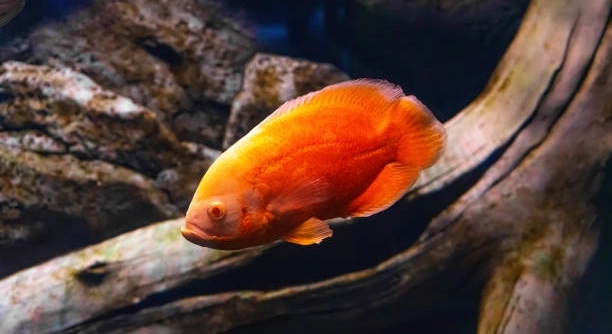
Do you ever find yourself worried about sudden changes in your Oscar fish’s behavior, wondering if stress could be the cause? Stress in fish can appear quickly and lead to serious health problems if left unnoticed.
Oscar fish can exhibit sudden signs of stress due to factors like poor water quality, tank mate aggression, or abrupt environmental changes. Recognizing these early warning signs is essential for preventing further complications and maintaining their overall health and well-being.
Learning the key signs of stress will help you support a healthier, happier environment for your Oscar fish moving forward.
Here is the continuation of your blog post following your instructions carefully:
1. Loss of Appetite
Stress can quickly cause Oscar fish to lose interest in food. You might notice them ignoring their favorite meals or only eating a little before swimming away. A sudden change in eating habits is often one of the first signs that something is wrong. This loss of appetite can weaken their immune system, making them more vulnerable to diseases. It is important to address the stress factor immediately to encourage normal eating again. Poor water conditions, bullying tank mates, or loud noises near the tank can all contribute to this change. Watching your Oscar closely during feeding times can help you notice even the smallest changes early. When they eat less or seem uninterested, take it seriously and check their environment carefully for any potential problems. Adjustments to their surroundings or diet can often help bring their appetite back to normal levels in a short amount of time.
A stressed Oscar fish may start refusing food even when it is otherwise healthy, showing how sensitive they can be to environmental changes.
Providing a clean tank, calm environment, and offering nutritious foods they enjoy can help reverse this behavior. Keep a consistent feeding schedule and reduce sudden changes in their surroundings.
2. Erratic Swimming Patterns
Erratic swimming is another strong indicator that an Oscar fish is experiencing stress. You might see them darting around, swimming in circles, or acting restless at unusual times. This behavior often signals fear, discomfort, or poor water conditions. Oscars are usually calm swimmers when they feel secure, so noticeable changes are not to be overlooked. Addressing these changes early helps prevent more serious health issues later on. Reducing loud noises, avoiding sudden tank movements, and checking water parameters regularly can help bring stability back to your Oscar’s behavior. Keeping an eye out for frantic or awkward movements gives you a better chance of correcting problems before they worsen. Providing hiding spots in the tank can also help your Oscar feel more secure during stressful times. Small environmental adjustments can often make a big difference in restoring normal swimming behavior and promoting a healthier, calmer fish.
A stable, calm environment plays an important role in keeping Oscar fish healthy and happy. Stressful surroundings lead to behavioral changes that can harm them in the long term.
Here is the continuation, following your instructions exactly:
3. Color Fading
Oscar fish can start losing their vibrant color when they are under stress. Their bright patterns may appear dull, and darker patches can develop. This change happens because stress impacts their overall health and affects how their body regulates pigmentation.
Color fading is often triggered by poor water conditions, sudden environmental changes, or bullying from tank mates. When Oscars feel threatened or uncomfortable, their body responds by altering their natural appearance. Monitoring your tank’s temperature, pH levels, and ammonia levels regularly can help prevent these changes. Offering a safe, peaceful environment where your Oscar feels secure will help maintain their natural colors. A healthy diet with high-quality pellets, occasional live foods, and vitamin-rich options also plays a crucial role. Consistency in care helps your Oscar’s true colors shine through. If fading is noticed early and corrected, Oscars can often regain their original brightness within a few weeks.
Color changes in Oscar fish should never be ignored. Stress-related color loss can sometimes signal the beginning of health issues. If stressors are not corrected quickly, the fish may become more vulnerable to disease or parasites. Regular observation, steady tank maintenance, and offering hiding spaces can go a long way toward preventing color fading.
4. Hiding More Than Usual
Increased hiding behavior is a common sign of sudden stress in Oscar fish. Although Oscars normally explore their tanks confidently, a stressed fish may seek shelter more often. Constant hiding often signals that your Oscar feels unsafe or uncomfortable in its environment.
Creating a secure tank setup with natural hiding spots like caves or driftwood helps stressed Oscars feel protected. However, if your Oscar suddenly spends most of its time hiding, it often points to deeper issues. Aggressive tank mates, poor water quality, or loud surroundings can cause them to retreat. Regularly checking water parameters and ensuring the tank mates are compatible can reduce this behavior. Making small adjustments, like adding more cover or reducing disturbances near the tank, can help your Oscar rebuild its confidence. A calm environment encourages natural swimming behaviors and helps lower stress. Consistent tank maintenance is essential to keep your Oscar feeling safe.
Here is the next section of your article following your instructions exactly:
5. Gasping at the Surface
When Oscar fish gasp at the surface, it often signals that they are not getting enough oxygen. Stress can make their breathing even more strained, especially if the tank’s water quality or oxygen levels are poor.
A stressed Oscar gasping for air could also be reacting to ammonia spikes or toxins in the water. Immediate testing and corrective actions, like water changes or adding aeration, are necessary to restore proper breathing and comfort for the fish.
6. Clamped Fins
Clamped fins are a clear sign that something is wrong. A stressed Oscar will hold its fins tightly against its body instead of spreading them normally, making them look smaller and less lively.
Stress from water issues, bullying, or sudden temperature changes often leads to clamped fins. Quick corrections are important to prevent worsening health.
7. Lethargy
Lethargy in Oscar fish shows up as reduced movement, lack of curiosity, and spending more time at the bottom of the tank. Stress often drains their energy, making them appear weak or disinterested. Poor water conditions, bullying, or sudden environmental changes can trigger this behavior. It is important to act quickly by checking water parameters, observing for illness, and improving their environment. A healthy Oscar should be active and alert, so noticeable drops in activity deserve immediate attention. Helping your Oscar feel safe, offering clean water, and ensuring a peaceful environment can often reverse lethargy before it leads to bigger health concerns.
Final Thoughts
Recognizing early signs of stress in your Oscar fish gives you the best chance to help them recover quickly and stay healthy.
Here is the FAQ section, following your instructions:
FAQ
What are the common causes of stress in Oscar fish?
Oscar fish experience stress due to several factors, including poor water quality, high ammonia levels, overcrowded tanks, sudden changes in temperature, and incompatible tank mates. Stress can also be caused by loud noises, irregular feeding times, or an unbalanced diet. Identifying the root cause of stress is crucial for addressing the issue and ensuring your Oscar fish remains healthy.
How can I improve the water quality for my Oscar fish?
Improving water quality begins with regular water changes, ideally 25-30% every 1-2 weeks, depending on tank size. Maintaining proper filtration and checking water parameters like pH, ammonia, nitrites, and nitrates is essential. Using a reliable water testing kit can help you monitor these levels and correct any imbalances. Also, avoid overfeeding to prevent waste buildup that could affect water quality.
Can tank mates cause stress for my Oscar fish?
Yes, tank mates can cause significant stress for Oscar fish. Oscars are territorial and can become stressed if kept with aggressive or incompatible species. They may also experience stress from smaller, more timid tank mates that they may chase or dominate. Always research tank mate compatibility before introducing new fish.
How do I know if my Oscar fish is sick or just stressed?
The signs of sickness and stress can overlap, but there are some key differences. A sick Oscar fish may exhibit abnormal physical symptoms such as lesions, swelling, or changes in its fins, while stressed fish often show behavioral changes like hiding, erratic swimming, or loss of appetite. If the behavior persists despite improvements in the environment, consulting a vet or aquarium specialist is advisable.
What should I do if my Oscar fish is gasping for air?
Gasping at the surface can indicate low oxygen levels in the water or poor water quality. The first step is to check the water parameters, ensuring that the oxygen levels are adequate. Adding airstones or increasing water movement can help improve oxygenation. If the water quality is poor, perform a water change immediately. If the behavior persists, check for any hidden toxins or contaminants that may be affecting your fish.
How can I reduce aggression in my Oscar fish?
Aggression in Oscar fish can often be reduced by providing plenty of space and hiding spots in the tank. Oscars are territorial, so keeping them in larger tanks (at least 75 gallons for a single Oscar) can minimize aggressive behavior. Avoid keeping them with smaller, more docile fish. You can also try rearranging the tank decor to reset territorial boundaries, which may help reduce aggression temporarily.
Why does my Oscar fish have faded colors?
Faded colors can be a sign of stress or poor water quality. If the water is not properly filtered or maintained, it can lead to a stressed fish with dull colors. Stressors like aggressive tank mates, improper diet, or temperature fluctuations can also cause Oscar fish to lose their vibrancy. Check the water quality and ensure the environment is calm and safe. A proper diet with color-enhancing foods can help restore the fish’s natural brightness.
How often should I feed my Oscar fish?
Oscar fish should be fed 2-3 times per day, offering a balanced diet that includes high-quality pellets, frozen or live foods, and occasional vegetables. Overfeeding can lead to water quality issues and obesity, while underfeeding can result in malnutrition. A consistent feeding schedule ensures your Oscar remains healthy and active.
Can stress cause my Oscar fish to stop eating?
Yes, stress can cause Oscar fish to stop eating. This is often the first noticeable symptom of stress, triggered by factors such as poor water quality, temperature fluctuations, or aggression from other fish. If your Oscar isn’t eating, try adjusting its environment to reduce stress and offer different types of food to encourage feeding.
Is it okay to keep multiple Oscar fish together?
While it’s possible to keep multiple Oscars in the same tank, it requires careful planning. Oscars are highly territorial, and without enough space (usually 100+ gallons for a pair), they may fight and stress each other. If you plan to keep more than one Oscar, ensure the tank is large enough and add plenty of hiding spaces to allow each fish to establish its own territory.
How can I tell if my Oscar fish is getting enough oxygen?
Oscar fish need good oxygen levels to stay healthy. If your Oscar is swimming at the surface or gasping for air, the oxygen level may be too low. To improve oxygenation, increase the water movement using a powerhead or add an air pump and airstones. Regular water changes and proper filtration also help maintain healthy oxygen levels in the tank.
Can I fix my Oscar’s stress with just a water change?
A water change can help alleviate some of the stress caused by poor water quality, but it may not address the root cause. If the stress is caused by factors such as aggression from other fish, temperature fluctuations, or an inadequate diet, a water change alone will not be enough. Evaluate the overall environment and make adjustments as needed.
Are there specific foods that help reduce stress in Oscar fish?
Feeding Oscar fish a high-quality, varied diet can help reduce stress by providing essential nutrients and promoting overall health. Offer foods like pellets, live or frozen worms, shrimp, and vegetables. Vitamin-rich foods like spirulina or color-enhancing pellets can also help boost their immune system and improve their resilience to stress.
What’s the best temperature for my Oscar fish?
The ideal temperature for Oscar fish is between 74°F and 81°F (23°C to 27°C). Keeping the water within this range helps prevent stress and supports overall health. Temperature fluctuations can cause discomfort and stress, so it’s important to maintain a stable environment. Use a reliable aquarium heater and thermometer to regulate the temperature.
Can stress make my Oscar fish more prone to illness?
Yes, stress weakens the immune system, making Oscar fish more susceptible to illness. Stressed fish are more likely to contract diseases like ich, fin rot, and other infections. Maintaining a stable, clean environment, feeding a balanced diet, and reducing stressors can help keep your Oscar healthy and resilient against illnesses.
Final Thoughts
Stress in Oscar fish can be a challenging issue to manage, but understanding the signs and causes makes it easier to take action. Oscars are sensitive to changes in their environment, and the factors that contribute to stress can be varied. Poor water quality, sudden temperature shifts, aggression from other fish, or overcrowding can all lead to stress in Oscars. Recognizing these signs early allows you to make adjustments before stress causes serious health problems for your fish.
Maintaining a stable environment is key to preventing stress. Regular water changes, proper filtration, and maintaining the right temperature will help keep your Oscar comfortable. Additionally, providing enough space for your fish to establish territories, avoiding aggressive tank mates, and offering a varied and balanced diet all play a role in reducing stress. Oscars thrive in environments where they feel safe, so eliminating as many stressors as possible is essential for their well-being. If any signs of stress appear, taking immediate steps can help your fish recover and prevent further complications.
In summary, keeping an eye on your Oscar’s behavior and health will allow you to address stress quickly. Ensuring a healthy environment, monitoring water parameters, and offering appropriate care will contribute to a long, happy life for your Oscar fish. While stress is inevitable at times, managing it effectively and making adjustments to your Oscar’s care routine will help them thrive in their tank.

Hello,
If you enjoy the content that we create, please consider saying a "Thank You!" by leaving a tip.
Every little bit helps us continue crafting quality advice that supports the health, happiness, and well-being of pets around the world, for pets of all shapes, sizes, and species.
We really appreciate the kindness and support that you show us!