
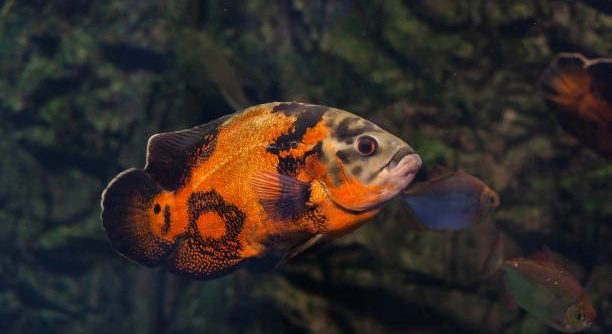
Oscar fish are known for their aggressive nature, making it challenging to introduce new tank mates. Understanding the factors that influence their behavior can help you make informed decisions about your aquarium setup.
Oscars may refuse new tank mates due to territorial instincts, stress, size differences, or compatibility issues. Their aggressive behavior and need for space often lead to conflict, causing them to resist sharing their environment with other fish.
There are several important things to keep in mind to ensure the well-being of all your tank’s inhabitants. Learning how to manage these factors can create a peaceful environment for your fish.
Territorial Behavior
Oscars are naturally territorial fish. They like to claim space in their environment and will defend it from intruders, even if they are peaceful tank mates. This territorial instinct can make it difficult to introduce new fish. Oscars may display aggressive behaviors such as chasing, nipping, or even biting to protect their area. This aggression is often directed at other fish that they see as a threat to their space. Understanding this behavior is important because it can lead to serious issues in a tank, with one fish being injured or stressed out.
These territorial tendencies are stronger in males, especially during breeding periods. If you notice your Oscar becoming more aggressive at certain times, it’s likely because it is defending its territory or preparing to spawn.
To minimize conflict, provide plenty of hiding spaces and areas for your Oscar to claim as its own. This allows other fish to feel secure and reduce competition for space. Proper tank setup can help your Oscar feel comfortable while also accommodating other fish.
Size Disparities
Size differences often lead to problems when introducing new tank mates. Oscars are large fish, and their size can intimidate smaller fish. A smaller fish might seem like an easy target for the Oscar, increasing the chances of aggression. Even if the fish share similar temperament, the size mismatch can make one fish feel vulnerable.
A larger Oscar can easily overpower smaller fish. To avoid this, try to match tank mates that are similar in size. This will help reduce stress and minimize the risk of the Oscar seeing them as prey. Having a variety of fish of similar size can also distract the Oscar, taking the focus off any one fish. When considering new additions, always check how they measure up to your Oscar’s size before introducing them into the tank.
Stress and Anxiety
Stress plays a significant role in how Oscars behave toward new tank mates. They are sensitive to changes in their environment, including the introduction of new fish. This stress can make them more territorial and defensive. When Oscars are stressed, they are more likely to act aggressively and may even harm other fish to protect their space.
Oscars may also become stressed from water quality changes, lighting adjustments, or incompatible tank mates. This anxiety will further increase their aggressive tendencies. It’s essential to keep the tank environment stable and ensure that all water parameters are optimal for your Oscar’s health. The more comfortable and secure they feel, the less likely they are to act out toward new fish.
Introducing a new fish should be done gradually, allowing your Oscar time to adjust. Adding new tank mates during a calm period, when the Oscar is not already stressed, can also improve the chances of a successful introduction.
Compatibility Issues
Sometimes, Oscars simply don’t get along with certain species. Some fish are naturally more peaceful and less assertive, making them easy targets for an Oscar’s aggression. Fish like tetras or smaller cichlids may be seen as food or threats in an Oscar’s eyes, even if they have no intention of invading its space.
To reduce these compatibility issues, it’s important to research fish species before adding them to the tank. Choosing species that are known to coexist well with Oscars can help avoid conflicts. Species that are similarly assertive or larger than the Oscar may be better suited to share the space.
Tank setup plays a role here too. You can increase the likelihood of compatibility by adding plants, decorations, or other structures that allow fish to establish their own territories within the tank. This creates a more balanced environment where the Oscar is less likely to view other fish as competition.
Aggressive Feeding Habits
Oscars are known for their aggressive feeding habits, which can make them more territorial and less willing to share food with new tank mates. They may view other fish as competition for their meal and will react aggressively to protect their food source.
This behavior can be especially noticeable during feeding time. Oscars tend to eat a lot and fast, which could intimidate smaller or slower fish in the tank. Over time, the new tank mates may feel stressed or threatened by the Oscar’s feeding habits, making it hard to maintain a peaceful environment.
Feeding the Oscar separately or using feeding stations can reduce this issue. It helps minimize competition during meals and gives all tank inhabitants a fair chance at the food.
Water Quality Sensitivity
Oscars are sensitive to poor water quality, and any issues with the water can lead to aggression. If the water parameters are off, they may become stressed, and this stress can affect their behavior toward other fish.
Maintaining clean water is essential for keeping Oscars in a stable, calm state. Regular water changes and monitoring ammonia, nitrite, and nitrate levels can prevent water quality-related aggression. If the water conditions are not ideal, an Oscar will likely act out, not just toward new tank mates, but potentially toward existing ones as well.
Inadequate Tank Size
An Oscar needs a spacious tank to feel comfortable and thrive. If the tank is too small, the fish will feel crowded, which can lead to stress and aggression. Oscars are large, active fish, so they require plenty of swimming space.
A small tank doesn’t just affect the Oscar, but it can create stress for any new fish added to the environment. Inadequate space often leads to territorial fights, as the Oscar may have limited room to claim as its own. The cramped conditions also cause higher competition for food and oxygen.
FAQ
Why is my Oscar so aggressive toward new tank mates?
Oscars are naturally territorial and often become aggressive toward new tank mates to protect their space. When they feel their territory is being threatened, they may react aggressively to maintain control over it. Additionally, their instinct to guard their food can heighten aggressive behavior during feeding times. Stress also plays a significant role; any changes in their environment can make Oscars feel uneasy and lead to aggression.
Can I add multiple fish to an Oscar tank?
You can add multiple fish to an Oscar tank, but it’s important to choose species that are compatible in terms of size, temperament, and swimming habits. Smaller fish are at high risk, as the Oscar may view them as prey. Ideally, fish should be large enough to stand their ground and have similar energy levels to prevent conflict. Providing plenty of hiding spots and tank space will also help.
What kind of tank mates are best for Oscars?
Tank mates that are similarly large or assertive work best with Oscars. Larger cichlids, such as convicts or jaguar cichlids, are often good companions. Some species of catfish and plecos can also coexist well with Oscars because they tend to stay out of the Oscar’s way while maintaining a peaceful demeanor. It’s important to avoid smaller fish or delicate species that may be intimidated by the Oscar’s size and behavior.
How can I reduce aggression in my Oscar?
Reducing aggression in Oscars starts with ensuring they feel secure in their environment. A large tank with plenty of hiding spots and territories will help them establish space. Keeping the water quality stable and maintaining a consistent feeding routine also reduces stress. You can try feeding Oscars separately to prevent them from becoming overly protective of food. Additionally, providing the right tank mates and introducing new fish gradually can help.
Should I remove an aggressive Oscar from the tank?
If an Oscar’s aggression is consistently affecting the well-being of other fish, it might be necessary to remove them. However, it’s important to evaluate the cause of aggression first. Often, Oscars become aggressive due to stress, territoriality, or tank setup issues. Resolving these factors can help reduce aggression. If the problem persists and other fish are being harmed, you may need to temporarily house the Oscar in a separate tank until a solution is found.
How often should I feed my Oscar to avoid aggression?
Feeding your Oscar once or twice a day is generally sufficient. Overfeeding can lead to increased aggression, as the fish might become more protective of its food. Instead of feeding large meals all at once, consider offering smaller, more frequent feedings to prevent the Oscar from becoming too possessive. It’s also essential to monitor the Oscar’s weight and overall health, ensuring that it is not overfed, which could contribute to aggressive behavior.
Can an Oscar live with other species long-term?
Yes, an Oscar can live with other species long-term, but only under the right conditions. Compatibility is key, and it’s important to choose tank mates that can handle the Oscar’s temperament. Oscars are not the easiest fish to house with others due to their aggressive tendencies, but with proper tank management, space, and careful selection of tank mates, peaceful coexistence is possible.
Do Oscars get along with other Oscars?
While Oscars are territorial, they can live together, especially if they are of similar size. However, it’s crucial to provide enough space in the tank to minimize conflict. When two Oscars are housed together, their territory boundaries need to be clearly established, and there should be enough room for them to avoid each other if needed. Introducing them to the tank at the same time and ensuring they are both well-fed can help prevent dominance struggles.
How big of a tank does an Oscar need?
A single Oscar requires a minimum of 55 gallons, but a larger tank is always better. A 75-gallon or 100-gallon tank provides more swimming space, which is important for their well-being. The more space your Oscar has, the less likely it is to feel territorial and aggressive. If you plan to house multiple Oscars or other fish, a larger tank is essential.
Will my Oscar ever get used to new tank mates?
It’s possible for an Oscar to get used to new tank mates, but this depends on the individual fish’s temperament and how the introduction is handled. Gradual introductions, proper tank setup, and allowing the Oscar to establish its territory can help ease the process. However, some Oscars may never fully accept new tank mates and may continue to show aggression. Monitoring their behavior and adjusting the environment accordingly will give the best chance for peaceful coexistence.
How can I tell if my Oscar is stressed?
Stress in Oscars can manifest in several ways. Signs include excessive hiding, erratic swimming, loss of appetite, or changes in behavior, such as increased aggression. Stress can also weaken their immune system, leading to health problems. Monitoring the water quality, keeping the tank environment stable, and avoiding sudden changes can help prevent stress-related issues.
Final Thoughts
Oscar fish are beautiful and fascinating creatures, but they come with unique challenges when it comes to tank mates. Their territorial nature, aggressive feeding habits, and sensitivity to stress can make it difficult to introduce new fish into their environment. However, understanding these behaviors and how they affect their interactions with other fish can help you create a peaceful tank. By carefully considering the type of fish you add, ensuring plenty of space, and maintaining a stable environment, you can increase the chances of a successful coexistence.
While Oscars can live with other species, it’s important to choose tank mates that match their size and temperament. Fish that are too small or passive may be seen as prey, leading to stress or injury. Larger, more assertive species are often better suited for Oscars, as they are less likely to be intimidated. Providing hiding spots and dividing the tank into territories can help reduce conflict. The more comfortable the Oscar feels in its environment, the more likely it will tolerate other fish. Still, you must remain patient, as some Oscars may never fully accept new tank mates.
In the end, successful fishkeeping is about finding the right balance. The goal is to ensure all your fish are healthy and happy, and this involves creating an environment where every fish can feel secure. By paying attention to the Oscar’s needs and addressing potential sources of stress, you can minimize aggression and promote a more harmonious tank. With careful planning and a little bit of trial and error, you’ll be able to enjoy your Oscar’s vibrant personality while keeping its tank mates safe and comfortable.

Hello,
If you enjoy the content that we create, please consider saying a "Thank You!" by leaving a tip.
Every little bit helps us continue crafting quality advice that supports the health, happiness, and well-being of pets around the world, for pets of all shapes, sizes, and species.
We really appreciate the kindness and support that you show us!