
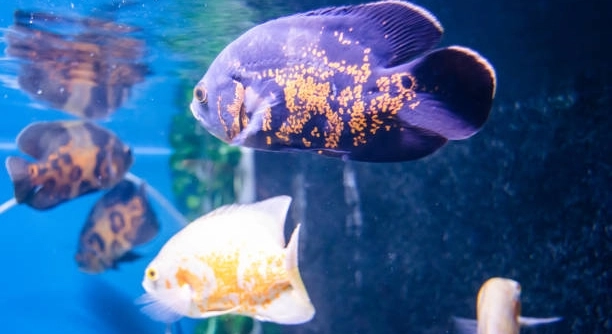
Oscar fish are fascinating creatures, known for their intelligence and bold personalities. However, if you’re noticing them gasping for air, it can be concerning. Understanding why this happens is important for their well-being.
Gasping in Oscar fish is often a result of poor water quality, low oxygen levels, or health issues like gill parasites or stress. Monitoring your tank’s conditions and ensuring proper care can help prevent these symptoms and keep your fish healthy.
Identifying the cause of your Oscar’s gasping behavior can lead to simple solutions that improve their quality of life. Understanding the factors behind this behavior is key to providing the best care for your fish.
Poor Water Quality
Oscar fish are sensitive to changes in their environment, especially when it comes to water quality. Ammonia, nitrites, and nitrates can build up in the tank if not properly maintained, which can lead to discomfort for your fish. When these toxins are present in high amounts, Oscar fish may start gasping for air as their gills struggle to filter the polluted water. Regular water changes, maintaining the filtration system, and using water testing kits are essential steps to avoid these problems.
Keeping your tank clean ensures your Oscar has a healthy environment to thrive in. Routine water changes can help reduce the buildup of harmful substances.
A clean tank isn’t just about appearance—it directly affects the health of your fish. Ammonia, which is a byproduct of fish waste, can be toxic even in small amounts. Without proper filtration and regular changes, the water can quickly become unhealthy. Keeping an eye on the water’s pH and nitrate levels is essential to prevent the buildup of harmful substances. A reliable filtration system will help keep the water clean, while regular maintenance ensures that the tank stays at a safe and comfortable level for your fish.
Low Oxygen Levels
When there isn’t enough oxygen in the water, your Oscar will struggle to breathe properly. This often happens when the water temperature is too high, or there’s poor water movement. Oscar fish are active swimmers and require a well-oxygenated tank to stay healthy.
Adding an air pump or adjusting the water temperature can help resolve low oxygen issues. Ensuring proper water flow allows oxygen to mix evenly throughout the tank.
If the water temperature is too high, the oxygen levels drop. This is because warmer water holds less oxygen than cooler water. If your tank has minimal movement, there’s also a risk of oxygen not circulating well, leaving your fish gasping for air. Air pumps and surface agitation can help increase oxygen exchange, while adjusting the tank’s heater can keep the water at an ideal temperature. Consistently monitoring these factors helps maintain a healthy and comfortable environment for your Oscar fish.
Gill Parasites
Gill parasites are a common cause of gasping in Oscar fish. These parasites can infect the gills, causing irritation and difficulty in breathing. Fish that are affected may scrape their gills against objects or swim near the water’s surface, gasping for air.
If you suspect gill parasites, treating the water with a parasite-specific medication is necessary. Also, you should increase the water temperature slightly to help accelerate the treatment. It’s important to follow the instructions on the medication to ensure it’s effective.
Regularly monitoring your fish for signs of distress is crucial. If the parasites are left untreated, they can cause long-term damage to the fish’s gills and overall health. Isolating infected fish in a quarantine tank can also help prevent the spread of parasites to other tankmates. Always ensure that your water quality is optimal, as poor conditions can make Oscar fish more susceptible to parasites. Treating infections early can save your fish from more serious complications down the line.
Stress
Stress is another common reason for Oscar fish gasping for air. Stress can come from many sources, such as sudden changes in water temperature, overcrowding, or aggressive tankmates. When fish are stressed, they may breathe rapidly and near the water surface.
To reduce stress, ensure that your tank is large enough for your Oscar and that there are plenty of hiding spots. If there are other aggressive fish, consider rehoming them or adjusting tank decorations to provide space for each fish to feel secure.
Stress can have a serious impact on your fish’s health over time. Prolonged stress can lead to a weakened immune system, making it easier for diseases and infections to take hold. Keeping a calm environment with stable water parameters and tankmates can help reduce stress and keep your Oscar healthy. Additionally, avoid frequent changes in the tank layout or water conditions, as sudden shifts can increase stress levels.
Overfeeding
Overfeeding is a common issue in fishkeeping that can lead to gasping in Oscar fish. Excess food left uneaten creates more waste, which pollutes the water and reduces oxygen levels. This leaves your fish struggling to breathe, often resulting in them gasping at the surface.
To prevent overfeeding, stick to a regular feeding schedule and offer only as much food as your fish can consume in a few minutes. Remove any uneaten food promptly to prevent it from decaying and affecting water quality.
By being mindful of the feeding habits, you can keep your water clean and your fish healthy. It’s better to feed smaller amounts more frequently than overfeeding at one time. Monitoring your Oscar’s eating habits ensures they’re getting the right amount of nutrients without overloading the tank with waste.
Inadequate Filtration
Inadequate filtration can cause water quality issues, leading to low oxygen levels and gasping in Oscar fish. Poor filtration means that harmful waste and toxins are not being properly removed from the water, making it harder for your fish to breathe.
A strong filtration system designed for your tank size is essential for maintaining healthy water conditions. Regularly clean and replace filter media to ensure it functions effectively.
Investing in a reliable filtration system is crucial for the health of your Oscar fish. Filtration helps to keep the water clear and oxygenated, reducing the likelihood of stress and gasping. You should also monitor the flow rate to ensure it’s not too strong or too weak for your fish’s comfort.
FAQ
Why is my Oscar fish gasping for air?
Oscar fish gasping for air could be a sign of poor water quality, low oxygen levels, or underlying health issues like parasites. If the water is polluted, your fish’s gills may struggle to filter out toxins, leading them to gasp at the surface. If oxygen is low, they will naturally swim to the surface where the air exchange is better. Monitoring your water’s temperature, oxygen levels, and ensuring the tank is clean can help address this.
How can I improve oxygen levels for my Oscar fish?
To increase oxygen in the tank, you can add an air pump, adjust your filter to increase water movement, or lower the water temperature slightly. Oscars need a lot of oxygen, especially if the tank is small or overcrowded. Adding surface agitation and ensuring a steady water flow will help keep oxygen levels up. Also, avoid overcrowding the tank, as too many fish can decrease the oxygen available for each one.
Can stress cause Oscar fish to gasp for air?
Yes, stress is a significant factor in Oscar fish gasping for air. Stress can be caused by various things, including poor water conditions, aggressive tankmates, overcrowding, or frequent changes in their environment. When Oscar fish are stressed, they may breathe faster or near the surface to cope. Reducing stress involves providing a stable, calm environment with proper tank size, hiding spots, and compatible tankmates.
What are the signs of gill parasites in Oscar fish?
Gill parasites typically cause your Oscar to rub its gills against objects or breathe rapidly at the surface. You might notice that the fish looks irritated or distressed. These parasites can block the gills, making it harder for the fish to extract oxygen from the water. If you suspect a parasite infection, treating your tank with an appropriate medication is crucial to clear the infection and prevent further harm.
How often should I clean my Oscar fish tank?
Oscar fish tanks should be cleaned regularly, with partial water changes done every one to two weeks. The frequency depends on your tank’s size, number of fish, and filtration system. If you notice that the water quality is declining or your fish are showing signs of stress, more frequent cleaning may be necessary. Regular maintenance of the filter, vacuuming the substrate, and removing uneaten food will help keep the water clear and healthy.
Why is my Oscar fish gasping after water changes?
Water changes can sometimes cause Oscar fish to gasp due to sudden shifts in water parameters, such as temperature, pH, or oxygen levels. If the new water has different characteristics from the tank water, it may stress the fish. Always ensure that the water being added is similar in temperature and pH to avoid shocking the fish. A gradual acclimation process when introducing new water can help prevent this.
What should I do if my Oscar fish is gasping due to overfeeding?
If overfeeding is the issue, immediately remove any uneaten food from the tank. Overfeeding leads to more waste, which decreases water quality and oxygen levels. Going forward, feed your Oscar only the amount they can consume in a few minutes and avoid leaving food to decay. Regular water changes will help maintain healthy conditions after overfeeding. Additionally, consider reducing the feeding frequency to ensure your fish do not become overfed.
How can I prevent low oxygen levels in my tank?
To prevent low oxygen levels, keep your tank properly aerated. Adding a powerful filter with good water circulation or an air pump will help oxygenate the water. You can also add live plants, which naturally help increase oxygen levels. Keeping the tank at a reasonable temperature, around 75-80°F (24-27°C), is also important, as warmer water holds less oxygen. Regularly testing the water for oxygen content can ensure that your fish have the best conditions to thrive.
Is it safe to use a heater in an Oscar fish tank?
Yes, using a heater in an Oscar fish tank is often necessary to maintain a stable temperature. Oscars are tropical fish and thrive in water temperatures between 75-80°F (24-27°C). A heater ensures that the water remains at an ideal temperature, preventing sudden fluctuations that can stress the fish. Make sure to use a reliable aquarium heater with a thermostat to maintain consistent warmth.
Can Oscar fish live with other species?
Oscar fish can live with other species, but it’s important to choose tankmates carefully. They can be aggressive, especially toward smaller fish. Avoid keeping Oscars with slow-moving or small species that they might see as prey. It’s best to choose fish that are roughly the same size and have similar activity levels. Adding plenty of hiding spots and space in the tank will help reduce territorial behavior and aggression.
Why is my Oscar fish suddenly acting lethargic and gasping?
If your Oscar fish is suddenly acting lethargic and gasping, it could be due to a sudden change in water quality, temperature, or an underlying infection. The fish may be stressed, sick, or struggling to breathe due to low oxygen levels. Begin by checking the water conditions and performing a water change if necessary. If the problem persists, consider quarantining the fish and consulting a veterinarian to diagnose any health issues.
What type of filter is best for an Oscar fish tank?
A high-quality, powerful filter is essential for an Oscar fish tank due to the fish’s large size and the amount of waste they produce. Canister filters or sump systems are ideal, as they provide excellent filtration and can handle larger tanks. Ensure the filter is rated for the size of your tank and has a high flow rate to help maintain good water quality. Regular cleaning and maintenance of the filter will ensure optimal filtration performance.
How do I know if my Oscar fish is stressed?
Stress in Oscar fish can be indicated by erratic swimming, loss of appetite, rapid breathing, or hiding. You might also notice a change in their coloration or a decrease in their usual activity. If these signs appear, check the water parameters and tank conditions, and consider adjusting the environment to reduce stress. Stress can weaken the fish’s immune system, so addressing the issue early is crucial.
Final Thoughts
Understanding why your Oscar fish is gasping for air is essential for ensuring their health and comfort. Gasping can be a sign of several issues, including poor water quality, low oxygen levels, or underlying health problems like parasites or stress. The most important thing is to stay vigilant about your tank’s conditions. By regularly monitoring the water’s quality, temperature, and oxygen levels, you can create a stable and healthy environment for your Oscar fish. Keeping the tank clean, performing regular water changes, and ensuring proper filtration are simple yet effective ways to address these common causes of gasping.
In addition to environmental factors, it’s important to pay attention to your fish’s behavior. If your Oscar shows signs of distress, such as gasping or lethargy, it’s crucial to investigate further. Checking for any signs of gill parasites or other infections can help you take action early before the condition worsens. Stress, whether due to tankmates, overcrowding, or sudden changes in their surroundings, can also contribute to gasping. If you see any aggressive behavior or signs of discomfort, try to reduce stress factors. This can include providing more hiding spaces or rearranging the tank to give your fish more room.
Ultimately, addressing the issue of gasping requires both prevention and quick action when needed. Maintaining a healthy tank environment through regular maintenance and water testing will keep your Oscar fish in good shape. If the problem persists despite your efforts, it may be necessary to consult an aquarium professional or veterinarian. Ensuring that your Oscar is comfortable and healthy not only improves their quality of life but also strengthens the bond you share with your pet fish. With the right care and attention, your Oscar can thrive for years to come.

Hello,
If you enjoy the content that we create, please consider saying a "Thank You!" by leaving a tip.
Every little bit helps us continue crafting quality advice that supports the health, happiness, and well-being of pets around the world, for pets of all shapes, sizes, and species.
We really appreciate the kindness and support that you show us!