
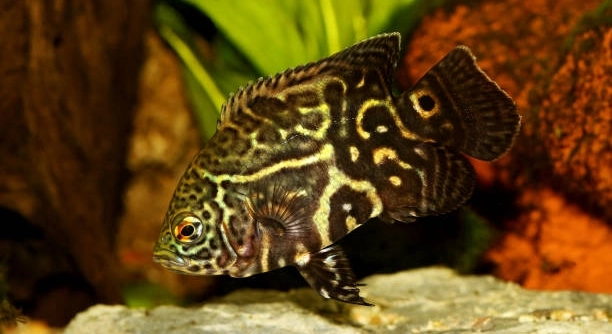
Oscar fish are fascinating creatures known for their intelligence and lively personalities. Many owners are curious about how different stimuli, like music or silence, impact their behavior. This article explores the effect of sound on Oscar fish.
Research indicates that Oscar fish respond differently to music and silence, with some studies suggesting they may prefer a quiet environment. However, individual fish can show varied responses, depending on their temperament and the type of sound.
Understanding how Oscar fish react to different sound environments can help improve their well-being and create a more harmonious living space. Let’s explore what makes them tick when it comes to sound.
The Basics of Oscar Fish Behavior
Oscar fish are known for their bold and inquisitive nature. They can learn from their surroundings and even recognize their owners. Their behavior can be influenced by many factors, including the environment, water quality, and sound. Like many pets, they have a range of sensitivities, which means that sound can affect them differently than other fish species. It is important to note that Oscar fish are not shy, and they often express themselves through movement, vocalizations, and their overall behavior. This is why it’s interesting to explore how sound, like music or silence, might impact their mood and activity.
Many fish, including Oscars, do not rely on sound the way mammals do. Instead, they have a highly developed sense of vibration. These vibrations, however, can be affected by the sounds in their environment. As a result, loud noises or music might stress them out, leading to changes in their behavior.
Oscar fish may show increased aggression or restlessness if exposed to loud sounds. They can become more active or agitated when subjected to noise, as it disrupts their natural calm. On the other hand, some fish may seem to tolerate, or even enjoy, certain types of music, depending on their individual temperament. The sound frequency and volume are key factors in how they will respond.
Sound and Stress in Fish
Sound vibrations can cause stress in Oscar fish. They are particularly sensitive to loud noises or sudden sounds.
Oscars typically react by swimming rapidly, hiding, or even showing signs of aggression. The noise can interfere with their natural behavior, making them feel threatened or unsafe. This stress can lead to health problems like lowered immune function or increased susceptibility to diseases. Furthermore, prolonged exposure to noise may affect their feeding and overall energy levels, leading to a less active or sluggish state. Because they are intelligent and aware of their surroundings, they might also display frustration or confusion if the sound is persistent or repetitive. This is why it is crucial to create a calm, quiet environment to keep them comfortable and healthy.
The Role of Silence
Oscar fish seem to thrive in quieter environments. Silence allows them to feel more secure and in control of their surroundings. Without loud noises or vibrations, they can better focus on their natural behaviors, like hunting, swimming, or resting. Quiet conditions can contribute to overall health, keeping stress levels low.
While some fish are used to background noise, Oscar fish benefit from peace and tranquility. They are highly sensitive to their environment and can pick up on subtle vibrations. Without constant noise, they have a better chance of staying calm, which is essential for their well-being. Silence lets them adjust to their surroundings without unnecessary disruptions.
When Oscar fish are in a quiet space, they are more likely to display normal behavior. They may swim freely, explore their tank, or interact with their environment. Silence reduces their anxiety, allowing them to feel more at ease and healthier. This calmness helps them focus on the things that matter, such as feeding or socializing with other fish.
Music and Its Effect
Music may have a more complicated effect on Oscar fish. While some types of music might seem soothing, the impact varies depending on the style and frequency.
Certain types of music with soft melodies or slower tempos can create a calming atmosphere, leading to a relaxed Oscar fish. These fish might appear less stressed, swimming more slowly or even resting in areas of the tank. However, loud or high-pitched music can cause stress, making them nervous or hyperactive. Understanding how to manage the music volume and its tone can help find a balance that works for your Oscar fish.
Despite some Oscar fish seeming to enjoy certain types of music, others may find it irritating or overwhelming. If the sound is constant or harsh, it could lead to a more stressed and restless fish. The key to using music with Oscar fish is moderation. Small bursts of soft music or calming sounds might be a positive addition, but keeping it at a comfortable level is crucial for their peace of mind.
Finding the Right Sound
Choosing the right sound for your Oscar fish involves understanding their sensitivity. It’s best to test different noises and observe how they respond.
Gradually introducing various sounds can help determine which ones your Oscar fish tolerate best. Start with soft, low-frequency music, and monitor their reactions. If they seem to enjoy it, you can occasionally add more sound, but always be cautious of volume and tone.
The Impact of Noise on Health
Constant loud noises can have long-term effects on Oscar fish. They can experience stress, leading to reduced appetite or unusual behavior.
When exposed to excessive noise, Oscar fish may become more prone to illness. Stress from sounds weakens their immune systems, making them more vulnerable to diseases. Keeping noise levels under control is essential to ensure their overall health.
FAQ
Do Oscar fish like silence more than music?
Yes, Oscar fish generally prefer a quieter environment. They are sensitive to vibrations and noise, which can cause stress. Silence allows them to feel more secure and focused on natural behaviors like swimming and resting. While some might tolerate music, too much noise can disrupt their peace.
Can music calm an Oscar fish?
Some types of music, especially calm or soft tunes, can have a calming effect on Oscar fish. The low frequencies might be relaxing for them, reducing anxiety. However, loud or high-pitched music can have the opposite effect, causing restlessness or stress. It’s best to experiment with low-volume music and observe their response.
How does noise affect Oscar fish behavior?
Noise, particularly loud sounds, can make Oscar fish feel agitated or unsafe. It might cause them to swim erratically, hide, or act aggressively. Fish are highly attuned to their environment, and sudden, sharp sounds can interfere with their normal behavior, making them anxious or restless.
What type of music do Oscar fish prefer?
There’s no definitive answer, as Oscar fish may have varying preferences. However, music with softer, slower melodies or low frequencies is generally better tolerated. Music with a calming, steady rhythm could help keep them relaxed. It’s important to monitor their behavior and adjust accordingly if they seem stressed.
How much sound is too much for an Oscar fish?
Oscar fish are sensitive to loud noises, so sound levels should be kept low. Avoid playing music or sounds at high volumes. Even regular household noises like loud talking, television, or construction outside can stress them out. Keeping the environment quiet helps ensure they remain calm and healthy.
Can Oscar fish hear?
Oscar fish do not have ears like humans, but they can sense vibrations through their bodies. They use their lateral line system to detect changes in their environment, including sound vibrations. This allows them to perceive sounds, even though their hearing abilities are not the same as ours.
Is silence better than music for my Oscar fish’s health?
Silence is generally the safest option when it comes to Oscar fish health. Constant noise, especially loud or sharp sounds, can cause stress and lead to health problems. While occasional soft music might not harm them, providing a quiet environment is usually best for their overall well-being.
Can Oscar fish recognize their owner’s voice or music?
Oscar fish are intelligent and can learn to recognize certain sounds, including their owner’s voice. They may not “hear” the way humans do, but they can associate familiar sounds with certain actions, like feeding time. If you play a certain piece of music consistently, they may learn to recognize it over time.
Should I have music playing constantly in my Oscar fish’s tank?
It’s not necessary to have music playing constantly in your Oscar fish’s tank. In fact, it’s best to limit sound exposure to avoid stress. If you enjoy music and want to introduce it, try playing it for short periods and observe your fish’s reaction. If they seem disturbed, reduce the noise.
How can I tell if my Oscar fish is stressed by noise?
Signs of stress in Oscar fish due to noise include erratic swimming, hiding, loss of appetite, or aggression. They may also become more skittish or avoid certain areas of the tank. If you notice any of these behaviors after introducing music or noise, it’s a good idea to lower the volume or remove the sound.
Does the size of the tank affect how Oscar fish react to sound?
The size of the tank can influence how Oscar fish react to sound. In smaller tanks, sounds may seem louder and more intense, as there is less space for the vibrations to dissipate. Larger tanks might absorb sound better, reducing its impact on the fish. Regardless of tank size, it’s still important to keep noise levels manageable.
Can I use aquarium equipment like filters or air pumps with no impact on my Oscar fish?
Most aquarium equipment, like filters or air pumps, creates noise, but they are usually at a frequency that fish are more accustomed to. However, if the noise is too loud or constant, it can still stress your Oscar fish. Regular maintenance and ensuring the equipment operates quietly will help avoid potential stress.
Is it okay to use sound therapy for my Oscar fish?
Sound therapy is not commonly used for fish like it is for mammals. While some sound therapy might help reduce stress, there’s little evidence to suggest it has any significant benefit for Oscar fish. If you decide to try sound therapy, make sure it’s gentle and low in volume to avoid causing distress.
How can I reduce noise in my Oscar fish tank environment?
To reduce noise in your Oscar fish’s environment, keep external sounds to a minimum by closing windows or doors to noisy areas. Choose quiet equipment for your aquarium, like low-noise filters and pumps. Additionally, avoid placing the tank near sources of loud noise, such as televisions or speakers.
Do Oscar fish react to the sound of other animals?
Yes, Oscar fish can react to the sounds of other animals, like dogs barking or other pets moving around. These sounds can cause stress, especially if they are loud or unexpected. Try to keep other animals’ noise levels in check, particularly if they tend to be loud or frequent.
Can Oscar fish hear my voice when I speak to them?
Oscar fish can likely detect vibrations from your voice, but they do not “hear” speech the way we do. They may be able to associate the sound of your voice with feeding or other routines, especially if you speak in a consistent tone when interacting with them.
What kind of environment is best for my Oscar fish in terms of sound?
A calm, quiet environment is best for your Oscar fish. Limiting loud noises and keeping the tank area peaceful will help reduce stress. If you want to add sound, keep it gentle and use low frequencies to create a relaxing atmosphere for your fish.
Final Thoughts
Oscar fish are intelligent creatures with unique preferences when it comes to their environment. While they may not have the same sensitivity to sound as humans, they are still very aware of their surroundings and can react to noise. Understanding this sensitivity is key to ensuring that your Oscar fish feel safe and comfortable. Whether it’s the sound of music or the quiet stillness of their tank, it’s important to consider how sound might affect them in the long run.
If you decide to introduce music into your Oscar fish’s environment, it’s best to keep it calm and at a low volume. Loud, sharp noises or high-pitched sounds can stress them out, making them more restless or even aggressive. By carefully observing their behavior after introducing sound, you can figure out if they prefer quiet or if they seem to enjoy soft music. If they respond negatively, it’s always best to revert to silence, as that might be the more calming option for them.
Ultimately, creating a peaceful and stable environment is the most important factor for the well-being of your Oscar fish. They thrive in quiet spaces, and minimizing disruptive noises can help keep them healthy and happy. While some fish may tolerate background music, it’s clear that Oscar fish benefit from being in a more silent environment. By respecting their needs and paying attention to their responses, you can provide a more comfortable space for them to live in.

Hello,
If you enjoy the content that we create, please consider saying a "Thank You!" by leaving a tip.
Every little bit helps us continue crafting quality advice that supports the health, happiness, and well-being of pets around the world, for pets of all shapes, sizes, and species.
We really appreciate the kindness and support that you show us!