
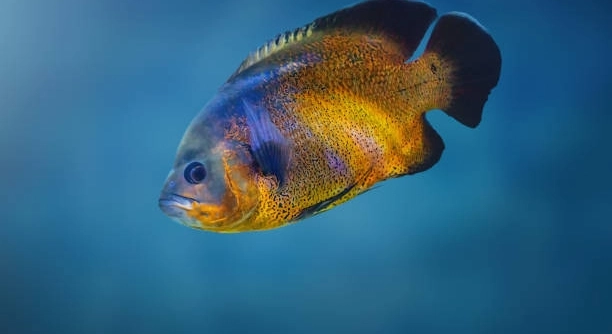
Moving an Oscar fish to a new home can be a challenging experience for both the fish and its owner. It’s important to understand their needs and make adjustments that will help them settle in comfortably.
To help Oscars adjust to their new environment, it’s essential to maintain proper water conditions, provide hiding spots, and minimize stress. Gradually acclimating them to their new tank with stable temperature and quality water will ensure a smoother transition.
Making simple changes to their new home can make a world of difference. Knowing how to create a peaceful environment for your Oscar fish will ensure it thrives in its new space.
Setting Up the Tank Properly
When setting up a tank for your Oscar fish, the most important thing is water quality. Oscars are sensitive to changes in water conditions, so you need to ensure the water is clean, well-filtered, and properly heated. Start with a tank that’s at least 75 gallons to give them enough space. Make sure the filtration system can handle the tank’s size. The water temperature should stay between 75 and 80 degrees Fahrenheit to keep your Oscar comfortable. Additionally, use a water test kit to regularly check pH levels, ammonia, nitrites, and nitrates to keep everything balanced.
Once you have your tank set up, it’s time to add decorations. Oscars need hiding spots to feel secure, so consider adding rocks, driftwood, or large plants. Avoid sharp objects or decorations that could harm your fish, as Oscars can be quite active. Providing plenty of space and hiding areas will help your Oscar feel more at ease in its new environment.
Setting up a proper tank ensures your Oscar can thrive and reduce stress as they adjust. Take time to test the water and provide suitable tank features before introducing your fish.
Avoid Overcrowding the Tank
Overcrowding a tank can lead to stress and health issues for your Oscar. Make sure you do not add too many fish to the same tank.
Having fewer tank mates allows your Oscar to claim its territory and feel secure. Oscars can be territorial, and adding too many other fish may make them feel threatened. Aim for a calm tank with one or two other fish that have similar care requirements, but keep the focus on creating a stress-free environment for your Oscar.
Acclimating Your Oscar Fish to New Water
When moving your Oscar to a new tank, the most important step is acclimation. Never place them directly into the water from the bag. Gradually introduce your fish to its new home by floating the bag in the tank for about 15 to 20 minutes. This helps adjust the temperature.
Next, slowly add small amounts of tank water into the bag. This process helps the Oscar fish adjust to both the temperature and the water chemistry in the new tank. Take it slow, allowing the fish to become familiar with the environment. After about an hour of acclimation, gently release your Oscar into its new tank.
By acclimating your Oscar slowly, you reduce the chances of shock. Stress from sudden changes can harm their health, so taking time ensures a smooth transition. This process promotes a positive start in their new environment.
Creating a Calm Environment
Oscar fish can be sensitive to sudden movements or loud noises. It’s important to place their tank in a quiet, calm area where they won’t be disturbed frequently.
Oscars prefer a stable environment with minimal changes. Too much activity around their tank or loud sounds can make them feel stressed, hindering their adjustment. Try to keep the area quiet and avoid tapping on the glass. By ensuring a peaceful setting, your Oscar can feel more secure and start adapting to the tank without feeling overwhelmed. Creating this peaceful atmosphere will help your Oscar adjust more easily.
Monitoring Water Conditions Regularly
Oscar fish are very sensitive to changes in water conditions. Make sure to regularly test the water for pH, ammonia, nitrites, and nitrates. Keeping the water clean is key to ensuring they adjust properly.
Using a reliable water test kit allows you to monitor these levels accurately. Keeping the water within the optimal range will prevent stress, disease, and other health issues for your Oscar. Regular maintenance, including water changes, is essential for a stable and healthy environment.
Providing Proper Nutrition
Feeding your Oscar a balanced diet is crucial for their health. They are carnivores, so make sure to provide them with high-quality pellets, live food, or frozen options like worms and shrimp.
Offering a varied diet ensures they receive the right nutrients. Avoid overfeeding, as this can lead to water quality issues. Stick to a regular feeding schedule to prevent unnecessary stress and keep your Oscar healthy.
FAQ
How long does it take for an Oscar to adjust to a new tank?
The adjustment period for an Oscar fish typically takes anywhere from a few days to a couple of weeks. It largely depends on how well you’ve set up the new environment and the effort you put into acclimating them. If the water conditions are stable and the tank setup is suitable, your Oscar should begin to feel comfortable within a week. However, full adjustment, where the fish is eating regularly and exploring its new environment, may take up to 14 days. Be patient and avoid disturbing them too much during this time.
What should I do if my Oscar is not eating after the move?
If your Oscar isn’t eating after being moved to a new tank, it could be due to stress or water quality issues. First, check the water parameters—ammonia, nitrites, and pH levels—ensure they are within the optimal range. Stress from the change or overcrowding could also be factors. If the water conditions are fine and the Oscar is still not eating, try offering a variety of foods, like live food or frozen shrimp, to entice them. Sometimes, it takes a few days for Oscars to feel comfortable enough to eat after a move.
Can I keep other fish with my Oscar?
Oscars are territorial fish and may not get along with all species. It’s best to house them with other large, peaceful fish that won’t compete for territory or space. Avoid small fish or ones that can be easily intimidated, as Oscars might view them as food. Ideal tank mates include other large cichlids, certain species of catfish, and larger peaceful species. Always monitor interactions to ensure your Oscar is not becoming too aggressive or stressed.
How do I know if my Oscar is stressed?
Stress in an Oscar fish is usually visible through changes in behavior or appearance. Some common signs of stress include loss of appetite, erratic swimming, hiding more than usual, or showing dark colors or pale patches on their skin. A stressed Oscar may also dart around the tank or swim in circles. Check the water conditions to rule out poor water quality, as this is one of the main causes of stress. If stress persists, consider removing any tankmates causing tension and creating a calmer environment.
Is it necessary to add a filter to my Oscar’s tank?
Yes, a high-quality filter is essential for an Oscar tank. Oscars produce a lot of waste, which can quickly degrade water quality if not properly filtered. Choose a filter rated for a tank larger than the actual size, as Oscars need high filtration to maintain clean water. Regular water changes and filter maintenance will help prevent toxic buildup and keep your Oscar healthy.
What is the best temperature for an Oscar fish tank?
The ideal water temperature for an Oscar fish tank is between 75°F and 80°F (24°C to 27°C). Keeping the water within this range helps keep your Oscar comfortable and promotes healthy metabolism. If the water is too cold, your fish may become sluggish and more prone to illness. On the other hand, temperatures that are too high can stress the fish, reducing its lifespan. Using an aquarium heater with a thermometer can help you maintain a stable temperature.
Do Oscars need a lot of space?
Yes, Oscars require plenty of space. A single adult Oscar should be kept in a tank that is at least 75 gallons. Larger tanks, such as 100 gallons or more, are even better. Oscars can grow quite large, and they need room to swim freely and establish territory. Overcrowding can lead to stress, aggression, and poor water quality. Ensure your tank has plenty of swimming space and some hiding spots for your Oscar to feel secure.
Can I add decorations to my Oscar’s tank?
Decorations are a great addition to your Oscar’s tank, but there are a few things to consider. Oscars can be quite active and might rearrange the tank by moving or destroying decorations. Avoid sharp or small decorations that could harm your Oscar or pose a choking hazard. It’s best to use smooth, sturdy rocks, large plants, and driftwood. Also, make sure there’s enough open space for your Oscar to swim freely.
Why is my Oscar swimming near the surface of the water?
Oscars swimming near the surface can indicate several things. If they’re constantly at the surface, it could mean they’re looking for more oxygen, possibly due to low water quality or high temperatures. Make sure the water is well-oxygenated and properly filtered. On the other hand, if your Oscar is occasionally near the surface, it may just be part of their natural behavior. Oscars tend to come to the surface when feeding or looking for attention.
How do I prevent my Oscar from becoming aggressive?
Aggression in Oscars can be reduced by ensuring they have plenty of space and a suitable environment. Oscars are territorial, so make sure they have a large enough tank with proper hiding spots and decorations to claim as their own. Avoid keeping smaller or more passive fish that could provoke aggression. Also, monitor interactions with tank mates and avoid overcrowding. Sometimes, aggression can also be a sign of stress, so maintaining stable water conditions is essential. If aggression persists, consider separating aggressive tank mates.
Final Thoughts
Taking care of an Oscar fish can be a rewarding experience, but it requires attention to detail. When setting up a new home for your Oscar, it’s important to focus on creating a stable environment. Proper water conditions, a spacious tank, and good filtration are the foundations of a healthy habitat. By setting up the right tank conditions and avoiding overstocking, you help reduce stress for your fish. The first few weeks in a new tank can be the most challenging, but with patience and careful monitoring, your Oscar will start adjusting to its new space.
One of the most crucial aspects of caring for an Oscar is ensuring they feel safe and secure. Providing hiding spots and minimizing disturbances in the area around the tank will help your Oscar adjust faster. Oscars are sensitive to stress, and creating a calm, quiet environment plays a big part in their comfort. Regularly monitoring the water quality and temperature also goes a long way in helping them settle in. Don’t forget that Oscars can grow quite large, so always plan ahead with a tank that provides enough space to avoid crowding, which can lead to aggression or health problems.
In the end, a little effort can make a big difference in helping your Oscar thrive in its new home. Be patient, monitor the water, and maintain a stress-free environment. With the right care, your Oscar will settle in, grow healthy, and live a happy life in your tank. Every Oscar fish is different, so getting to know their specific needs will help you become a better fish keeper. Enjoy the process of watching your Oscar adjust, and remember that consistency and attention to detail are key.

Hello,
If you enjoy the content that we create, please consider saying a "Thank You!" by leaving a tip.
Every little bit helps us continue crafting quality advice that supports the health, happiness, and well-being of pets around the world, for pets of all shapes, sizes, and species.
We really appreciate the kindness and support that you show us!