
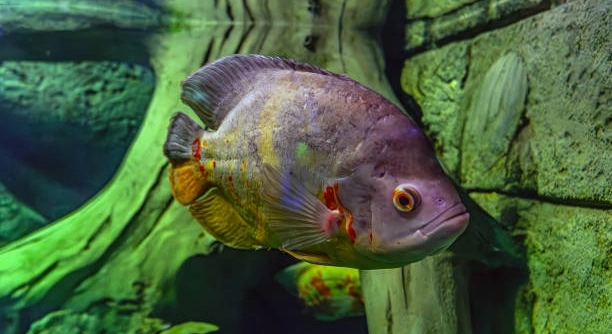
Oscar fish are fascinating creatures, known for their unique behaviors and vibrant personalities. They quickly become beloved pets due to their intelligent and social nature. One intriguing aspect of these fish is their ability to anticipate feeding time.
Research shows that Oscar fish can, in fact, predict their feeding time. This behavior is linked to their ability to recognize patterns and associate certain activities with food. Their anticipation often becomes noticeable as they react to feeding cues.
Understanding why your Oscar fish can predict feeding time will give you insight into their behavior. This knowledge can help you create a more engaging environment for your pet and ensure their needs are met.
Why Do Oscar Fish Anticipate Feeding Time?
Oscar fish are highly intelligent and can learn to associate certain actions with feeding time. They quickly pick up on patterns such as the time of day, the sound of footsteps, or even the sight of their owner approaching the tank. This behavior is often linked to conditioning, where the fish begin to recognize certain triggers that signal food is coming. Over time, they start to respond more eagerly as they predict their meal. They may swim excitedly or even follow their owner around the tank, waiting for that familiar routine to play out.
Oscar fish have a sharp memory and can remember events for extended periods. This helps them to anticipate feeding time, as they can recall when they were last fed and look for similar signs. With consistent feeding schedules, Oscar fish will learn the exact time of day they are usually fed, and their behavior will reflect this knowledge. The more structured the routine, the more predictable their reaction will be.
This ability to predict feeding times can be beneficial to both the owner and the fish. By understanding these cues, you can ensure your fish’s feeding schedule is consistent and meets their needs. It also makes caring for them more enjoyable, as their eagerness to interact with you becomes part of the bond.
Can Oscar Fish Be Trained to Predict Feeding Time?
Training Oscar fish to predict feeding time involves consistency and patience. Over time, they begin to associate specific sounds, like tapping on the tank or turning on the aquarium light, with food. This teaches them when to expect their meals.
By sticking to a regular feeding schedule, Oscar fish develop the ability to expect food at certain times. They become familiar with the patterns, and their anticipation becomes more obvious. You may notice them swimming to the surface or staring at you when they sense it’s nearly time to eat. This behavior shows just how connected they are to their feeding routine.
The bond you share with your Oscar fish will grow as you develop a steady feeding schedule. It not only helps in feeding them properly but also creates a more interactive and enjoyable experience for both of you. Keeping a set routine helps keep the fish calm and avoids unnecessary stress.
How to Train Your Oscar Fish to Anticipate Feeding Time
Training your Oscar fish involves creating consistent feeding routines. You can start by feeding them at the same time every day. This helps them recognize patterns and expect food when they see certain cues. Over time, they’ll learn to associate specific signals, like the sound of your footsteps or the aquarium light being turned on, with feeding.
It’s important to remain consistent when training your Oscar fish. Feed them at the same time each day, and keep the environment as predictable as possible. This consistency builds trust and helps the fish understand when it’s time for food. The more often they see these signals paired with feeding, the faster they will learn. They may begin to show excitement when they sense the familiar cues, such as swimming to the surface or following your movements.
Patience is key during this process. Not all Oscar fish will catch on immediately. However, if you stick to a regular routine, most will gradually start to anticipate feeding time. Eventually, their behavior will shift from simple curiosity to eager anticipation as they begin to expect their meals with more accuracy.
Factors That Influence an Oscar Fish’s Feeding Behavior
Oscar fish feeding behavior is shaped by various factors, including their environment, health, and the amount of food they are given. The size of the tank, water conditions, and even the presence of other fish can all impact how eagerly they anticipate feeding.
If your Oscar fish are stressed, they may not react as strongly to feeding time signals. Poor water quality or overcrowding can lead to reduced appetite and make them less responsive to cues. Maintaining proper water conditions, such as temperature and pH, is vital for ensuring your fish remain healthy and engaged in their feeding routines. Regular tank maintenance, such as water changes, can improve their mood and behavior.
Feeding frequency also plays a role in how Oscar fish behave. If they are overfed or fed too infrequently, their anticipation may be affected. A balanced feeding schedule ensures they are hungry at the right times, encouraging them to respond to cues. As with any pet, understanding the factors that influence your Oscar’s health will help improve their feeding behavior.
The Impact of Tank Size on Feeding Behavior
The size of the tank plays a significant role in how Oscar fish behave during feeding time. A smaller tank can cause stress and limit their ability to move freely, affecting their hunger and anticipation. A larger tank, however, gives them space to thrive.
When Oscar fish feel comfortable and have ample room to swim, they are more likely to show excitement around feeding time. A spacious environment allows them to engage more with their surroundings and respond to feeding cues. Overcrowded tanks, on the other hand, can cause anxiety and decrease their interest in food.
Maintaining an appropriate tank size ensures your Oscar fish are healthy and active, which helps them anticipate feeding times more eagerly. A well-sized tank provides a better overall environment, leading to a happier and more responsive fish.
The Role of Water Quality
Water quality is crucial for Oscar fish, and it can directly impact their feeding behavior. Poor water conditions can cause stress, which may lead to a decreased appetite and a lack of interest in feeding cues. Clean, well-maintained water encourages healthy feeding habits.
Regular water changes and monitoring the tank’s chemical levels are essential for keeping Oscar fish comfortable. When the water is in optimal condition, the fish are more likely to stay engaged with their surroundings and respond to feeding time signals. A clean tank reduces the chances of illness, making feeding time more predictable.
Overfeeding and Its Effects on Feeding Behavior
Overfeeding can lead to a lack of interest in feeding times. When Oscar fish are given too much food, they may not feel hungry enough to respond eagerly to feeding cues. A balanced feeding schedule ensures they stay motivated and excited at meal times.
Oscar fish thrive on a steady feeding routine. Overfeeding disrupts their natural hunger cues, leading them to ignore feeding signals. Sticking to appropriate portion sizes is important for maintaining their appetite. This also helps prevent water quality issues, as uneaten food can quickly deteriorate the tank.
FAQ
Can Oscar fish really predict feeding time?
Yes, Oscar fish are capable of predicting feeding time. They learn to recognize certain signals, such as the sound of footsteps, the movement of their owner, or even the light turning on. Once they associate these actions with food, they begin to anticipate when their next meal will come. This is due to their ability to recognize patterns and use memory to make predictions about what happens next. Their behavior may show up as excitement, swimming toward the surface, or following their owner around the tank.
How long does it take for Oscar fish to predict feeding time?
It can take anywhere from a few days to a couple of weeks for Oscar fish to start predicting feeding times. The process depends on the consistency of the feeding routine and the strength of the cues you provide. If you feed your Oscar at the same time each day and use consistent cues, such as turning on the light or making a specific sound, they will begin to pick up on these signals. With patience, they will eventually start reacting to the familiar cues before food is even offered.
Do Oscar fish get bored if they know feeding time is coming?
Oscar fish can get bored if they don’t have enough stimulation in their environment. While they may anticipate feeding time with excitement, they still need other forms of enrichment to stay active and engaged. Providing toys, hiding spots, and even tank mates can help keep them interested. If you feed them regularly but fail to provide other stimulation, they may lose interest in their surroundings. Ensuring a healthy balance between feeding time anticipation and mental engagement is key for keeping your fish happy and entertained.
Does tank size affect how Oscar fish react to feeding time?
Yes, the size of the tank can influence how Oscar fish react during feeding time. In a smaller, overcrowded tank, fish may become stressed or anxious, leading to reduced excitement around feeding time. Larger tanks allow the fish to swim freely, which can make them feel more comfortable and more likely to respond eagerly when feeding time approaches. A spacious environment promotes healthy behavior, so if you want your Oscar to stay active and excited about feeding, ensure the tank is large enough for them to thrive.
What should I do if my Oscar fish isn’t reacting to feeding time signals?
If your Oscar isn’t responding to feeding time signals, it could be due to a few reasons. First, check the water quality—poor water conditions can cause stress and reduce appetite. Ensure the tank’s temperature, pH, and cleanliness are all optimal. Second, try adjusting the feeding routine. Your fish might need a bit more time to adjust to the schedule or may need some variety in their food. If the issue persists, consider examining the fish for any signs of illness or stress, as this can affect their behavior.
How do I know if my Oscar fish is hungry?
An Oscar fish will typically show signs of hunger by swimming to the surface, pacing near the front of the tank, or staring at their owner. They may also display more energetic or curious behavior, especially when they know it’s feeding time. If your fish seems less active or lethargic, it might indicate they are not hungry or are stressed. If you’ve been sticking to a regular feeding schedule, their behavior should align with their hunger cues.
Can overfeeding affect how Oscar fish react to feeding time?
Yes, overfeeding can lead to a decrease in your Oscar fish’s excitement for feeding time. If they’re consistently overfed, they may lose interest in food as they aren’t hungry enough to react eagerly when feeding time comes around. Overfeeding can also cause other problems, such as poor water quality due to excess food, which can stress your fish and further decrease their appetite. To avoid this, make sure you’re feeding them the right portion size and stick to a consistent schedule.
Is it normal for Oscar fish to swim around the tank before feeding time?
Yes, it is normal for Oscar fish to swim around the tank before feeding time, especially if they have learned to anticipate food. This behavior is a sign that they are reacting to their learned feeding cues. They may become more active, swim to the front of the tank, or even try to get your attention. This behavior shows that your fish is healthy, alert, and ready to eat. If you see them swimming around excitedly, it’s a good indication that your feeding routine is working.
Can I train my Oscar fish to eat at specific times?
Yes, you can train your Oscar fish to eat at specific times by establishing a consistent feeding routine. By feeding them at the same time every day and using consistent cues, such as tapping the tank or turning on the light, your fish will learn to expect food at those times. Over time, they will associate these actions with feeding and may begin to respond eagerly when it’s time to eat. This kind of training can help establish a regular feeding schedule and improve your Oscar fish’s overall health and behavior.
How can I make feeding time more interesting for my Oscar fish?
You can make feeding time more interesting for your Oscar fish by varying the types of food you offer. Providing a mix of pellets, live food, and occasional treats like frozen shrimp or worms can help keep things exciting. You can also use feeding time as an opportunity to engage with your fish by offering food in different parts of the tank or in a way that requires them to search for it. This adds a layer of enrichment to feeding time, making it a more engaging experience for both you and your fish.
Final Thoughts
Oscar fish are highly intelligent and capable of learning patterns. Over time, they can recognize feeding cues such as sounds, lights, or the presence of their owner. This ability to predict feeding time shows how much they can adapt to their environment and routines. When you stick to a consistent feeding schedule, your Oscar will start to anticipate food, often reacting with excitement and energy. This behavior isn’t just about hunger; it’s about their ability to connect the dots between what’s happening around them and what’s coming next.
While their ability to predict feeding time is interesting, it’s also a sign of how well they can thrive in a structured environment. A regular routine helps to maintain their overall health and well-being. However, it’s essential to remember that this anticipation can be influenced by other factors like tank size, water quality, and their emotional state. Stress, overcrowding, or poor water conditions can all affect how eager your fish is for food. Therefore, it’s important to ensure that your Oscar fish are living in a comfortable and healthy environment, as this will also affect their behavior around feeding time.
Feeding time for your Oscar fish is more than just about giving them food—it’s a chance to bond with them and observe their behaviors. As they begin to anticipate feeding, you’ll notice their personalities more clearly, such as how they react to cues or how they interact with their surroundings. Maintaining a consistent feeding schedule and a good tank environment can foster a deeper connection between you and your pet, ensuring that your Oscar fish stays healthy, happy, and engaged. It’s a reminder that fish, despite being aquatic creatures, can form bonds and develop behaviors that reflect their awareness of the world around them.

Hello,
If you enjoy the content that we create, please consider saying a "Thank You!" by leaving a tip.
Every little bit helps us continue crafting quality advice that supports the health, happiness, and well-being of pets around the world, for pets of all shapes, sizes, and species.
We really appreciate the kindness and support that you show us!