
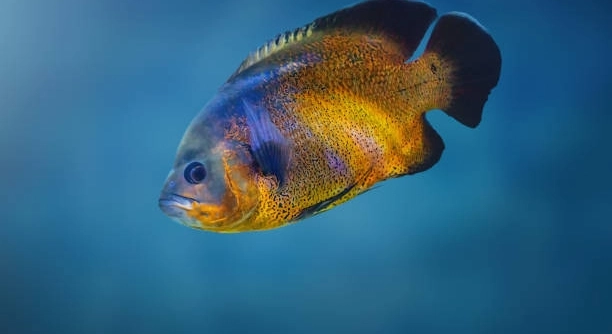
Oscar fish are known for their active personalities and unique behaviors. As pet owners, we may wonder if they can develop emotions like jealousy, especially when other animals are involved. Understanding their social dynamics is key.
Oscar fish can display territorial behaviors and may show signs of aggression toward other pets, especially if they feel their space is threatened. However, jealousy, as humans experience it, is not something they are believed to feel.
This article will help you understand how Oscar fish interact with other pets and how to manage their behavior effectively.
Why Do Oscar Fish Act This Way?
Oscar fish can be territorial by nature. They are known for their strong personalities and can become aggressive if they feel their space is threatened. This behavior is often observed when they are housed with other pets or animals. It’s important to remember that they are not naturally inclined to form social bonds like some other species of fish or animals. In many cases, Oscar fish are more focused on their territory and food. When they share a tank or space with other pets, their instinct to protect their environment kicks in.
Oscar fish might also act possessive of their tanks. If they are introduced to new pets, they may become more defensive and agitated. This reaction is often misunderstood as jealousy, but it’s actually a survival mechanism. Their main goal is to ensure their safety and resources are not taken by others. Understanding this helps reduce any concerns about emotional jealousy in your Oscar fish.
Fish, including Oscars, rely heavily on instinct. Their territorial nature is more about survival than emotional attachment. Once you understand this, it becomes easier to manage their behavior and reduce tension with other pets.
How To Minimize Aggression
To minimize aggressive behavior, keep the tank environment stable. Ensure that your Oscar has plenty of space to swim and that there are no significant changes in their surroundings. This stability will reduce the likelihood of them becoming stressed or defensive.
Managing aggression in Oscar fish requires patience. Keep in mind that they are highly sensitive to changes in their environment. Adding new pets, rearranging decorations, or altering water conditions can all contribute to heightened aggression. If you have other pets in the same tank, try providing separate spaces within the aquarium to avoid direct confrontation. This approach will give your Oscar fish a sense of security, reducing the chances of unwanted aggression.
Signs of Stress in Oscar Fish
Oscar fish can show several signs of stress. They may start to hide, become more aggressive, or display erratic swimming patterns. If your Oscar is constantly darting around the tank or seems unusually lethargic, stress could be the cause. Other common signs include loss of appetite or abnormal fin movement.
Keeping an eye on their behavior will help you spot stress early. Stress can result from environmental changes, overfeeding, or tank mates. If your Oscar fish is constantly reacting to changes in their surroundings, it could be an indication that the stress level is too high.
Stress can also affect their immune system, making them more susceptible to diseases. So, it’s important to regularly monitor their behavior and address any issues that arise promptly. Keeping the water clean, the tank stable, and providing a comfortable environment will reduce the chances of stress.
Tank Mates for Oscar Fish
Oscar fish need careful consideration when selecting tank mates. They can be aggressive and territorial, making them unsuitable for all species. Larger fish with similar temperaments may work better than smaller, more passive ones. However, even with compatible tank mates, you must monitor interactions closely.
The best tank mates for Oscar fish are those that can hold their own and are large enough not to be seen as prey. Fish such as larger cichlids or catfish tend to do well with Oscars. Smaller fish or those with bright colors might trigger aggressive behavior, as they may be seen as competition or potential food.
Another important aspect to consider is the size of the tank. A cramped space can increase aggression between fish, so providing plenty of room is crucial. It’s also advisable to introduce tank mates when the Oscar is still young to reduce territorial disputes later on. Make sure each fish has enough space to establish their own territory in the tank.
The Role of Tank Size
Oscar fish require a large tank to thrive. A small tank can lead to stress, aggression, and even health issues. At a minimum, they need a 75-gallon tank, though bigger is always better. The extra space helps them feel secure and reduces territorial behavior.
A spacious tank also allows for proper filtration, which is essential for maintaining water quality. With proper filtration, the water remains clean, and the Oscar fish can live in a more comfortable environment. Avoid overcrowding the tank to prevent issues related to stress and aggression.
Feeding Oscar Fish
Oscar fish are omnivores and enjoy a varied diet. Offering a mix of pellets, frozen food, and occasional live prey keeps them healthy and active. Overfeeding should be avoided, as it can lead to obesity and water quality issues.
It’s important to monitor how much your Oscar eats, providing food in moderation to prevent uneaten food from contaminating the water. This will also help keep your fish in good physical shape. The right feeding routine will contribute to their overall well-being and reduce any unnecessary stress.
Understanding Oscar Fish Behavior
Oscar fish are intelligent and interactive. They can learn to recognize their owners and may even respond when you approach the tank. This behavior is often misinterpreted as attachment, but it’s more about their ability to associate humans with food.
While they are not typically “affectionate,” their behavior shows they can form associations and remember routines. Understanding this aspect of their nature helps in managing expectations. Keeping their environment consistent and providing stimulation will ensure they remain mentally engaged and less likely to display unwanted behaviors.
FAQ
Can Oscar fish live with other fish?
Oscar fish can live with certain species, but they are territorial and aggressive by nature. They do best with other large, robust fish that can defend themselves. Smaller fish or those with bright colors may be seen as prey. It’s important to choose tank mates wisely and provide enough space for each fish to establish its territory.
How do I know if my Oscar fish is stressed?
Stress in Oscar fish can show up in various ways. Common signs include hiding, erratic swimming, loss of appetite, and aggression toward other tank mates. If you notice your Oscar fish acting out of the ordinary or appearing lethargic, it could be a sign of stress. Addressing environmental changes, water quality, and tank mates can help reduce stress.
What is the best tank size for an Oscar fish?
An Oscar fish requires a large tank to thrive. The minimum recommended size is 75 gallons for one fish. If you plan to keep more than one, you’ll need even more space. A larger tank provides room for the Oscar to move freely and reduces territorial aggression. Proper tank size ensures better water quality and overall health.
Can Oscar fish eat live food?
Yes, Oscar fish can eat live food. In the wild, they are known to hunt smaller fish and invertebrates. You can occasionally offer live food like feeder fish or worms. However, feeding live food should be done in moderation. It’s important to ensure the live food is free from parasites and safe for consumption.
How often should I feed my Oscar fish?
Oscar fish should be fed once or twice a day, depending on their age and activity level. It’s important not to overfeed them, as this can lead to obesity and water quality issues. Offer a balanced diet of pellets, frozen foods, and occasional live prey. Monitor the amount of food they consume to avoid uneaten food polluting the water.
What do Oscar fish eat?
Oscar fish are omnivores. In captivity, they thrive on a diet of high-quality pellets, supplemented with frozen or live foods like worms, shrimp, and small fish. A varied diet ensures they receive all the nutrients they need. Avoid feeding them only one type of food to prevent nutritional deficiencies.
How can I reduce aggression in my Oscar fish?
To reduce aggression in Oscar fish, provide a large tank with plenty of hiding spots and territories. Avoid introducing smaller or weaker fish, as they may trigger territorial behaviors. Keeping the water clean and stable also helps reduce stress, which can contribute to aggression. Monitor interactions and make adjustments as needed.
Do Oscar fish recognize their owners?
Oscar fish are intelligent and can recognize their owners over time. They may respond to their presence, often by swimming to the front of the tank when you approach. This behavior is not necessarily a sign of affection but rather an association with feeding time. They can also learn simple routines and may become accustomed to regular interactions.
How long do Oscar fish live?
Oscar fish typically live for 10 to 15 years, though some can live longer with proper care. The key to a long life for your Oscar is maintaining a stable environment, feeding them a balanced diet, and keeping their tank clean. Providing plenty of space and minimizing stress also contributes to their longevity.
What are the signs that an Oscar fish is sick?
If your Oscar fish is sick, you may notice changes in behavior, such as lethargy, loss of appetite, or abnormal swimming patterns. Physical signs can include discoloration, lesions, or unusual growths on their body. If any of these symptoms are observed, it’s important to test water quality and seek veterinary advice if necessary.
Can Oscar fish be kept in a community tank?
Oscar fish can be kept in a community tank, but only with other large, robust fish. They are not well-suited for peaceful, small fish or those that are easily intimidated. When choosing tank mates, it’s important to consider the temperament of both species and ensure that they are compatible in size and behavior.
Why is my Oscar fish swimming erratically?
Erratic swimming in an Oscar fish can be caused by several factors, such as stress, water quality issues, or illness. Poor water conditions, such as improper temperature or pH levels, can make an Oscar fish feel uncomfortable. Check the water parameters and make adjustments if needed. If the erratic behavior persists, it might indicate a health issue.
How do I take care of my Oscar fish’s tank?
To take care of your Oscar fish’s tank, ensure that the water is clean and the filtration system is working efficiently. Perform regular water changes (about 20-30% of the water every 1-2 weeks). Keep the tank temperature between 74-81°F and maintain a pH level of 6.5 to 7.5. A stable environment is crucial for the well-being of your Oscar fish.
What type of water do Oscar fish need?
Oscar fish need freshwater with stable conditions. They thrive in water with a temperature range of 74-81°F, and the pH should be slightly acidic to neutral, around 6.5 to 7.5. Regular water testing is essential to ensure that the conditions are suitable for their health. Proper filtration and water changes help maintain these parameters.
How can I prevent my Oscar fish from becoming overweight?
To prevent your Oscar fish from becoming overweight, avoid overfeeding. Feed them in small amounts, and remove any uneaten food after 10-15 minutes. A balanced diet, including both pellets and occasional live or frozen foods, will ensure they receive proper nutrition. Keep track of their feeding schedule to maintain a healthy weight.
What size tank do I need for two Oscar fish?
If you plan to keep two Oscar fish, you will need at least a 125-gallon tank. This provides enough space for both fish to establish their territories and reduces aggression. A larger tank also helps maintain better water quality and allows for proper filtration. If the tank is too small, the fish may become stressed and aggressive toward each other.
Final Thoughts
Oscar fish are fascinating creatures that can bring a lot of joy to an aquarium. Their intelligence and unique personalities make them stand out from other fish species. However, they require a significant amount of care to thrive. From their large tank size needs to their specific dietary requirements, keeping an Oscar fish is not for beginners. It’s important to consider these factors before deciding to add one to your tank.
With the right environment, an Oscar fish can live for many years. A large tank with proper filtration, regular water changes, and appropriate tank mates can make a huge difference in their quality of life. Maintaining a healthy ecosystem and monitoring water conditions will help ensure they stay active and happy. Oscar fish can also become quite attached to their owners, recognizing them and responding to their presence. This interaction can make them even more enjoyable to care for.
While Oscars can be challenging, they are rewarding pets for those who can meet their needs. Their behavior and interactions provide a unique experience, making them a popular choice for fish keepers. If you’re prepared for the responsibility, an Oscar fish can make an impressive and lively addition to your home.

Hello,
If you enjoy the content that we create, please consider saying a "Thank You!" by leaving a tip.
Every little bit helps us continue crafting quality advice that supports the health, happiness, and well-being of pets around the world, for pets of all shapes, sizes, and species.
We really appreciate the kindness and support that you show us!