
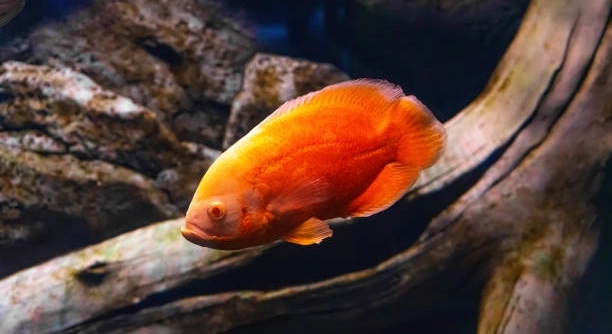
Oscar fish are known for their lively personalities, making it especially concerning when they act fine one moment and suddenly die. This unpredictability can leave many owners confused and frustrated, wondering what went wrong with their beloved pet.
The sudden death of an Oscar fish, despite appearing fine, may be due to factors such as stress, disease, water quality issues, or improper diet. Sudden changes in their environment or undetected health problems can contribute to their rapid decline.
Understanding the potential causes of death can help ensure better care for your Oscar fish in the future. By examining their environment, diet, and health, you can prevent similar issues and provide a safer, healthier tank.
Common Causes of Stress in Oscar Fish
Stress is one of the most common factors that can negatively impact your Oscar fish’s health. They are sensitive creatures, and their behavior can quickly change when they feel threatened or uncomfortable. This could stem from overcrowded tanks, changes in water temperature, or aggressive tankmates. Oscars are territorial and need their space to thrive, which means introducing new fish or changing the tank setup might stress them out. Even noise or movement around the tank can cause anxiety. Stress weakens their immune system, making them more susceptible to disease, which can lead to sudden death.
Ensuring that your Oscar fish’s environment is stable and peaceful can significantly reduce stress levels. A well-maintained tank with appropriate water conditions and enough space will go a long way in keeping them healthy.
To prevent stress-related health problems, consider monitoring the water temperature and providing hiding spots for your Oscar. Keeping the tank clean and not overcrowding it are simple but effective ways to create a comfortable home.
Poor Water Quality and Its Impact
Water quality plays a significant role in the health of your Oscar fish. Poor water conditions can lead to skin irritation, respiratory problems, and even death.
Oscar fish are especially sensitive to changes in their environment, and even slight variations in pH levels, ammonia, or nitrate levels can lead to stress and illness. Regular water changes and proper filtration are essential to keep harmful toxins at bay. Always test the water before making any changes and monitor it regularly. Poor water quality can also contribute to secondary infections that can worsen the fish’s health.
Maintaining good water quality requires commitment. It’s important to regularly check the water parameters and clean the filter to avoid the buildup of harmful substances. By staying on top of these tasks, you create a healthy environment for your Oscar to thrive in.
Improper Diet
Feeding your Oscar fish the wrong type of food can lead to health issues that might result in their sudden death. Oscars are carnivores and need a diet that is high in protein. Offering them too much plant-based food or low-quality pellets can cause nutritional deficiencies.
Overfeeding can also lead to digestive problems, which may affect their overall health. A balanced diet consisting of live or frozen foods, such as worms, shrimp, and fish, is essential for keeping your Oscar in good condition. These foods are closer to their natural diet and provide the necessary nutrients.
Additionally, make sure to feed your Oscar in moderation. Overfeeding can cause obesity and other long-term health problems, ultimately stressing the fish’s body. Monitor their eating habits and make sure they consume the right amount of food. This helps avoid digestive issues and maintains a healthy immune system.
Disease and Infections
Oscar fish, like all pets, are susceptible to diseases and infections that can rapidly progress. These issues are often difficult to detect in the early stages but can result in sudden death if left untreated.
Bacterial, fungal, and parasitic infections are common in Oscar fish, especially if they are exposed to poor water conditions or stress. These infections can cause external lesions, abnormal swimming patterns, or loss of appetite. Even if an Oscar appears fine one day, these conditions can take a turn for the worse very quickly. Regular observation is key.
If you notice any signs of illness, such as swelling, white spots, or rapid breathing, take action immediately. Quarantine the fish if possible and treat the infection based on the specific diagnosis. Proper treatment and early intervention can often save your Oscar.
Tank Conditions
Oscar fish require specific tank conditions to thrive. The water temperature should remain stable between 75-80°F. Dramatic fluctuations in temperature can cause stress, leading to weakened immune systems. Similarly, water pH levels should be between 6.5 and 7.5 to avoid potential health issues.
Filtration is also crucial. Oscars produce a lot of waste, so a strong filtration system is necessary to maintain clean water. Without proper filtration, harmful substances like ammonia and nitrates can build up quickly, affecting the fish’s health. Regular water changes help ensure the water stays healthy and the Oscar remains comfortable.
Keeping the tank environment clean and stable will reduce the chances of your Oscar developing problems, improving their long-term health.
Overcrowding
Overcrowding can lead to territorial stress and aggression, which makes Oscars more susceptible to illness.
If too many fish are placed in the tank, it can lead to competition for space, oxygen, and food. This creates an environment where stress becomes unavoidable, often resulting in health issues and premature death. To avoid overcrowding, maintain a proper tank size with enough space for each fish to move freely.
Water Temperature Fluctuations
Oscar fish need a consistent water temperature to stay healthy. Temperature fluctuations can cause significant stress.
A stable temperature between 75°F and 80°F is ideal for Oscar fish. Sudden drops or increases in temperature, such as from a malfunctioning heater or drafts, can weaken their immune system. This makes them more vulnerable to infections and diseases. Use a reliable heater and thermometer to keep the water consistent.
FAQ
Why did my Oscar fish stop eating?
A loss of appetite in your Oscar fish can indicate several possible issues. Stress, changes in water conditions, or illness are common causes. If the water quality is poor, they may stop eating as a result of discomfort. Check the water parameters like pH, ammonia, and nitrate levels.
In some cases, Oscars may refuse food due to overfeeding, making them sluggish and disinterested in eating. It’s important to avoid overfeeding, as it can lead to digestive issues. Monitor their eating habits, and if the refusal continues for more than a few days, consider isolating the fish for observation and treatment.
What should I do if my Oscar fish is acting lethargic?
Lethargy in Oscar fish can be a sign of illness or poor water conditions. Check the water temperature and ensure it’s stable. Oscars prefer temperatures between 75°F and 80°F, and sudden drops or spikes can stress them out, causing lethargy.
Stress from aggression or overcrowding can also lead to a lack of energy. If the environment is too stressful, your Oscar may show signs of tiredness or reduced activity. Consider moving the fish to a calmer tank or improving the setup to offer more space and hiding spots.
How often should I feed my Oscar fish?
Feeding frequency depends on your Oscar’s size and age. Generally, young Oscars should be fed once or twice a day, while adult Oscars can be fed once a day. Always offer food that they can consume in a few minutes to avoid overfeeding.
Live or frozen foods like worms, shrimp, and fish are best for Oscars. These provide the necessary protein to keep them healthy. Be cautious not to overfeed, as this can lead to obesity, digestive problems, and water quality issues.
What size tank do Oscar fish need?
Oscar fish are large, active fish that need a spacious environment. A minimum tank size for one adult Oscar is 55 gallons, but a 75-gallon tank is preferable for long-term health.
Providing enough space is essential for the Oscar to swim freely and establish its territory. If you plan on keeping multiple Oscars or other fish with them, you will need an even larger tank to prevent aggression and ensure a peaceful environment.
How can I tell if my Oscar fish is sick?
Sick Oscar fish often show visible signs of distress. Common symptoms include a loss of appetite, abnormal swimming behavior, discoloration, or lesions on their skin. Rapid gill movement and erratic swimming can indicate water quality problems or stress.
Look for white spots, sores, or bulging eyes, which could be signs of diseases like Ich or fungal infections. If you notice these symptoms, it’s essential to act quickly, isolating the fish if necessary and treating the illness before it progresses.
What should I do if my Oscar fish has white spots?
White spots on an Oscar fish are usually a sign of a parasitic infection called Ich, commonly known as “white spot disease.” This is caused by a protozoan parasite that infects the fish’s skin and gills.
To treat Ich, raise the water temperature gradually to around 80°F and add a salt treatment or a specific medication designed to kill the parasite. Be sure to follow the instructions on the medication to avoid harming your fish. Keep the water clean and continue treatment for the recommended duration.
Why is my Oscar fish swimming upside down?
Swimming upside down can be a serious sign of a health problem. This behavior may indicate issues with the fish’s swim bladder, which controls buoyancy. Swim bladder disease can be caused by a variety of factors, including overfeeding, constipation, or infection.
If your Oscar shows this behavior, check the water quality first. If it’s good, consider changing their diet, offering high-quality food and live or frozen options. In some cases, the fish may need medication to treat any underlying infections that affect its swim bladder.
Can I keep other fish with my Oscar?
Oscar fish are aggressive and territorial, so they may not get along with every other species. It’s best to keep them with larger, sturdy fish that can hold their ground. Fish such as Jack Dempseys, large catfish, or certain cichlids can be good tank mates.
Avoid small or peaceful fish that may become easy targets for the Oscar’s aggression. It’s essential to observe the dynamics in the tank closely to ensure that all fish live harmoniously without stress or injury.
How can I prevent my Oscar fish from becoming stressed?
Stress is a leading cause of health issues in Oscar fish. To reduce stress, ensure that your tank environment is stable and clean. Maintain optimal water parameters, and avoid overcrowding. Keep the tank in a quiet area with minimal disturbances, as Oscars are sensitive to noise and movement.
Providing hiding spots and plants can also reduce stress, as they give your Oscar a sense of security. Additionally, avoid constant changes to the tank setup, as Oscars prefer a stable environment where they can establish their territory.
How long do Oscar fish live?
Oscar fish can live for 10 to 15 years if given proper care. Their lifespan depends on factors such as water quality, diet, and tank conditions. Providing a stable environment and preventing stress-related issues can contribute to a long and healthy life.
Regular maintenance, proper feeding, and disease prevention will also ensure your Oscar reaches its full potential lifespan. Keep an eye on their health, and be proactive in addressing any signs of illness to increase their chances of living a long life.
Final Thoughts
Oscar fish are beautiful and fascinating creatures, but they require careful attention to thrive. From maintaining a stable tank environment to providing the right diet, keeping your Oscar fish healthy involves consistent monitoring and care. The key to their well-being is ensuring water conditions are optimal and that they have enough space to swim and establish territory. Regular maintenance, such as checking water parameters and performing water changes, is essential to preventing stress and illness.
While Oscars are relatively hardy, they can be prone to stress and disease if their environment is not ideal. Overcrowding, fluctuating water temperatures, or poor water quality can lead to a variety of health problems. It is crucial to understand their needs and create an environment where they feel secure and comfortable. Oscars need space, a proper filtration system, and a stable temperature to prevent health issues. Monitoring their behavior closely can help detect any early signs of distress or illness before it becomes a serious problem.
Caring for Oscar fish can be a rewarding experience when done right. They have long lifespans and can become quite interactive with their owners if properly cared for. By maintaining the right tank conditions and keeping a close eye on their health, you can ensure that your Oscar fish live a long, happy life. Understanding their behavior, providing the appropriate food, and managing their environment will allow your Oscar to thrive and become a beloved member of your aquarium.

Hello,
If you enjoy the content that we create, please consider saying a "Thank You!" by leaving a tip.
Every little bit helps us continue crafting quality advice that supports the health, happiness, and well-being of pets around the world, for pets of all shapes, sizes, and species.
We really appreciate the kindness and support that you show us!