
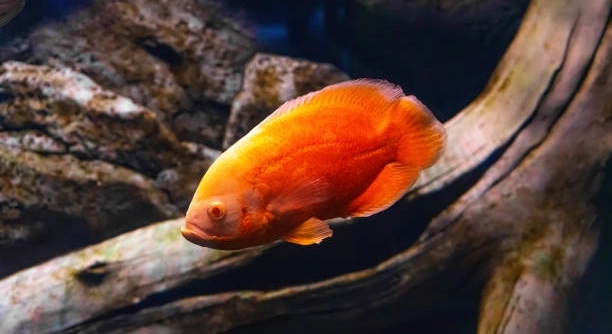
Oscar fish are fascinating creatures that can change their behavior quickly. Whether you are a new fish owner or have had one for a while, it’s important to understand how these fish behave.
Oscar fish are known for their fast changes in behavior, often reacting to their environment, diet, or tank mates. Their behavior may shift due to stress, hunger, or even the introduction of new objects. Observing these changes can help owners better manage their fish’s needs.
Understanding how and why Oscar fish change their behavior so rapidly will ensure you maintain a healthy tank and foster a positive environment for your fish. Keep reading to learn more about the factors that influence these behavioral shifts.
Changes Due to Water Quality
Oscar fish are highly sensitive to water conditions, and even small fluctuations in water quality can cause noticeable behavioral changes. When the water becomes too acidic or basic, or if there are high levels of ammonia or nitrites, Oscars may become stressed or lethargic. They may hide more often or show signs of aggression toward other tank mates.
The best way to ensure your Oscar fish stay healthy and happy is to regularly test the water, maintain stable conditions, and do routine water changes. Keeping water temperature and pH levels within a safe range is crucial to preventing drastic changes in behavior.
Oscar fish thrive in water that is clean and consistent. Sudden changes or poor water quality can affect their immune system, leading to illness or changes in their activity levels. This is why it’s important to always monitor water conditions and maintain a stable environment for your fish to thrive in.
Diet and Feeding Habits
Oscar fish are opportunistic eaters and will change their behavior based on what they are fed. When they’re hungry or given different types of food, they may become more aggressive or excited. These fish are particularly fond of high-protein foods, and their behavior can be influenced by the amount and type of food provided.
Providing them with a varied diet of live, frozen, or pellet food will keep them active and engaged, but overfeeding may lead to lethargy or even obesity. Adjusting their feeding routine according to their behavior can prevent both stress and overeating.
Tank Mates
Oscar fish are territorial and may become aggressive toward other fish in their tank. When a new fish is introduced, Oscars can change their behavior dramatically, especially if they feel threatened or challenged. This can include chasing, nipping, or hiding more than usual.
It’s important to pair Oscars with fish that are equally robust and able to hold their own in a similar-sized environment. Fish that are too small or passive may become targets for the Oscar’s aggressive behavior. To avoid conflict, it’s best to choose tank mates that won’t encroach on the Oscar’s space or territory.
When introducing new tank mates, consider doing so gradually. This allows your Oscar to adjust and reduces the chance of overly aggressive reactions. Giving them enough time to get used to new additions can prevent stress and improve the overall tank dynamic.
Stress and Environmental Changes
Environmental changes can lead to significant behavioral shifts in Oscar fish. Moving the tank, changing décor, or adjusting lighting may make them feel uneasy. These changes often result in them becoming more reclusive or, conversely, more aggressive toward other tank inhabitants.
Oscar fish thrive in a consistent and calm environment. When their surroundings change, they may exhibit signs of stress, such as hiding or swimming erratically. Providing a stable environment helps minimize these stresses, leading to a more active and predictable behavior. Avoiding frequent changes in the tank layout is essential to keeping your fish comfortable and happy.
Illness or Injury
Oscar fish can quickly change their behavior when they’re feeling unwell or injured. If they stop eating, become lethargic, or act aggressively, these may be signs of illness or injury. It’s important to act fast to prevent further health complications.
If your Oscar suddenly shows abnormal behavior, closely observe its body for signs of injury or infection. Symptoms like faded color, unusual swimming patterns, or skin lesions may indicate a health issue. Isolating the affected fish and providing proper care can help restore their behavior to normal.
Aggression
Oscar fish are known for their aggression, especially when they feel their space is threatened. If they’re housed with other territorial fish, their behavior can become more defensive or combative.
Aggression may increase during breeding times, or if they feel their territory is being invaded. Male Oscars, in particular, can become quite territorial, even to the point of attacking other fish. Providing ample hiding spots and a large tank can help reduce tension and aggression.
FAQ
How do I know if my Oscar fish is stressed?
Stress in Oscar fish can manifest in a few noticeable ways. If your fish is hiding more often, swimming erratically, or displaying aggressive behavior, it could be stressed. They may also lose their appetite or show physical signs like faded colors or clamped fins. Stress can result from poor water quality, sudden environmental changes, or tankmate conflicts. Ensuring a stable environment, proper water conditions, and fewer disturbances can help reduce stress.
Can Oscar fish change their behavior after being moved to a new tank?
Yes, Oscar fish can exhibit changes in behavior when moved to a new tank. They may initially become shy, reclusive, or swim erratically as they adjust to their new surroundings. This behavior is often temporary, and with time, they will adapt to their new environment. It’s important to monitor water quality and provide familiar hiding spots to help ease the transition.
How often should I feed my Oscar fish?
Oscar fish are quite hungry and should be fed two to three times a day. Overfeeding, however, can lead to health issues like obesity or water quality problems. It’s essential to provide them with a balanced diet that includes pellets, live food, or frozen options. Adjust the amount based on their size and activity levels, and remove any uneaten food to maintain water cleanliness.
Why is my Oscar fish attacking its tank mates?
Oscar fish are naturally territorial and may become aggressive if they feel their space is threatened. Introducing new fish, having too many tankmates, or overcrowding can cause aggression. Oscar fish are more likely to attack smaller, weaker, or passive fish. If aggression becomes a frequent problem, it’s best to provide more space and carefully choose compatible tankmates.
Do Oscar fish need a lot of space?
Yes, Oscar fish require a large tank to thrive. A minimum of 55 gallons is recommended for one Oscar fish, but the more space you provide, the better. Oscar fish can grow quite large, and a spacious tank helps reduce territorial aggression. A larger tank also ensures better water quality, which is essential for their health.
Why is my Oscar fish hiding all the time?
Hiding behavior in Oscar fish can indicate several things, including stress, illness, or poor water conditions. If your Oscar fish is hiding more than usual, check the water quality and ensure there are no sharp objects or tank mates causing stress. Additionally, changes in lighting or tank decor may lead them to seek hiding spots for security. If hiding persists, it may be a sign of an underlying health issue.
How can I stop my Oscar fish from being aggressive?
To reduce aggression, consider providing your Oscar fish with more space, ample hiding spots, and compatible tankmates. Avoid keeping small or timid fish with your Oscar, as they may become targets. Creating a peaceful environment with good water quality and few disturbances can also help calm an aggressive Oscar.
Can Oscar fish live with other fish?
Oscar fish can live with other fish, but it’s essential to choose tankmates carefully. They are aggressive and may attack smaller, slower fish. Larger, more robust species like catfish or cichlids are better suited to live with Oscars. Be mindful of the size of the tank to ensure there is enough space for all fish to live comfortably.
What type of water do Oscar fish need?
Oscar fish prefer slightly acidic to neutral water (pH between 6.5 and 7.5). They also need clean, well-filtered water with stable temperatures ranging from 75 to 80°F (24 to 27°C). Regular water changes and testing are important to maintain water quality. Oscars are sensitive to ammonia and nitrites, so ensure your filtration system is adequate for their needs.
How do I prevent my Oscar fish from becoming sick?
The best way to keep your Oscar fish healthy is to maintain good water quality, feed them a balanced diet, and avoid overcrowding. Regularly check water parameters and clean the tank to prevent diseases caused by poor conditions. Quarantining new fish and practicing good hygiene will help prevent the spread of illnesses.
Final Thoughts
Oscar fish are fascinating creatures that can bring life to any aquarium. Their personality and behavior make them both entertaining and sometimes challenging to care for. However, understanding the factors that affect their behavior can help you maintain a healthy and happy fish. From water quality and tank mates to feeding habits, many elements can influence how your Oscar acts. By being aware of these factors and adjusting their environment accordingly, you can avoid issues that may lead to stress or aggression.
It is important to remember that Oscar fish are sensitive to changes in their environment. This includes everything from sudden shifts in water conditions to changes in tank decor or the introduction of new tank mates. They are also known for their territorial nature, which can lead to aggression if their space is threatened. Keeping the tank clean, maintaining consistent water conditions, and choosing the right companions for your Oscar can all help reduce stress and aggression. If you notice any unusual behavior, such as hiding or loss of appetite, it’s essential to address potential issues quickly to prevent them from affecting your fish’s health.
Ultimately, taking good care of your Oscar fish will lead to a more enjoyable aquarium experience. Understanding the causes of their behavior and providing a stable, stress-free environment can make a big difference. With the right approach, Oscar fish can thrive and display their natural beauty and interesting personalities. By providing them with the space, water quality, and food they need, you will ensure that they remain active and healthy for years to come.

Hello,
If you enjoy the content that we create, please consider saying a "Thank You!" by leaving a tip.
Every little bit helps us continue crafting quality advice that supports the health, happiness, and well-being of pets around the world, for pets of all shapes, sizes, and species.
We really appreciate the kindness and support that you show us!