
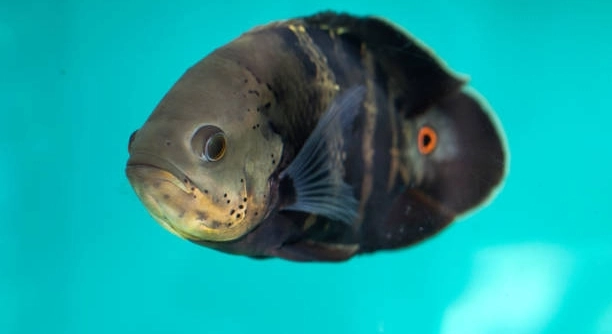
Oscar fish are known for their curious and active nature, but sometimes they may avoid certain areas of their tank. This behavior can be puzzling for aquarium owners, but it’s often due to a few key factors.
Oscar fish typically avoid certain areas of their tank due to environmental factors like water quality, lighting, or territorial disputes with other fish. They may also react to stress caused by sudden changes in their surroundings, such as decorations or tank mates.
Understanding these behaviors will help you address the underlying causes and improve your Oscar fish’s comfort and health in their tank.
Common Causes of Avoidance in Oscar Fish
Oscar fish are sensitive creatures, and even slight changes in their environment can cause them to avoid certain areas of their tank. Water quality is one of the most common factors. Poor water conditions, such as high levels of ammonia, nitrites, or a fluctuating pH, can stress out your Oscar. It might result in them retreating to specific corners or hiding more than usual. It’s essential to regularly check water parameters and ensure they are within the appropriate range for your fish.
Additionally, lighting can have an impact. Some Oscar fish may avoid areas with bright or fluctuating light, as they may feel threatened or stressed by it. If the lighting in the tank is too harsh or erratic, your Oscar may seek shelter in the darker, quieter corners of the tank.
Tank decorations and the positioning of items like rocks, plants, or filters can also create unwanted barriers or stress points for your fish. When you move these items or introduce new ones, your Oscar may become disoriented or uncomfortable.
Territorial Behavior
Oscar fish are known to be territorial, especially as they mature. They may avoid certain areas of the tank if they feel that other fish or objects are encroaching on their space. This can be particularly evident when you add new tank mates, as Oscars might claim a spot as their own. To prevent territorial disputes, provide enough hiding spots for all fish, and avoid crowding the tank with too many inhabitants.
By giving your Oscar fish adequate space, you reduce the chances of territorial conflict and ensure they feel secure in their home.
Stress from Environmental Changes
Another reason for avoidance could be stress from sudden changes in the tank environment. Oscars can be very sensitive to modifications like new decorations, a tank re-scaping, or even changes in water temperature. They may not immediately adjust and might avoid areas that once felt familiar. It’s essential to make any changes gradually to minimize stress and allow your fish time to adapt.
To keep your Oscar comfortable, try to avoid making large changes to the tank at once. Ensure any new decorations are introduced slowly and make sure the water temperature remains consistent. A gradual adjustment to changes will give your Oscar the time needed to settle back into their tank.
Water Quality and Its Impact on Behavior
Water quality plays a crucial role in your Oscar fish’s well-being. Poor water conditions can lead to stress and a general decline in health, prompting them to avoid certain areas. Oscars are particularly sensitive to ammonia, nitrites, and nitrates, so maintaining a stable and clean tank is vital. Regular water changes and testing the water will help you keep the conditions in check.
Oscars tend to be more active in areas with clean, oxygenated water. If you notice them avoiding particular areas, it may indicate that the water quality in those regions is worse than in others. Ensuring even water circulation can reduce this issue.
Investing in a good filtration system will also help to prevent any water quality issues. Keeping your tank clean with consistent water changes and proper filtration is essential for maintaining a healthy environment for your Oscar fish to thrive.
Tank Mates and Social Interactions
Tank mates can influence your Oscar’s behavior. If there is aggression or competition for space, your Oscar might avoid certain parts of the tank. Oscars are often territorial and can get stressed by other fish invading their space. In a tank with multiple Oscars or larger, more aggressive species, your fish might retreat to avoid conflict.
When choosing tank mates, consider fish that can cohabit peacefully with Oscars. It’s best to avoid placing species that are too small or aggressive, as this can lead to unnecessary stress. Providing adequate hiding spots can help reduce the chances of territorial disputes.
Understanding the dynamics of tank mates and how they interact with your Oscar is important for creating a peaceful, comfortable environment. This will encourage your Oscar to feel more secure and be less likely to avoid certain parts of the tank.
Tank Size and Space Limitations
A small tank can make your Oscar feel cramped, leading it to avoid certain areas. Oscars require plenty of space to swim and establish their own territory. A tank that’s too small can create stress, making your fish retreat into less favorable spots.
Ensuring your Oscar has enough room to swim comfortably can help reduce the likelihood of this behavior. A larger tank, typically 75 gallons or more, will allow your fish to move around freely and feel more secure in its environment.
Stress from Water Temperature
Oscars are sensitive to changes in water temperature, and if it’s too warm or cold, they may avoid certain areas of the tank. Maintaining a stable temperature within the ideal range, typically between 74-81°F, is essential for their comfort.
Rapid changes in water temperature or a tank that’s too hot or cold can stress your Oscar. This discomfort often leads them to hide or stay in specific areas. A reliable heater and thermometer will help keep the water temperature stable and safe for your fish.
FAQ
Why is my Oscar fish hiding all the time?
Oscars may hide due to stress, poor water quality, or changes in their environment. If your Oscar is constantly hiding, check the water parameters such as ammonia, nitrites, and nitrates. Poor water conditions can cause stress, prompting your fish to seek refuge. Other reasons could be a new tank mate, changes in lighting, or a sudden shift in temperature. Make sure the tank is well-maintained and that there are enough hiding spots to help your Oscar feel secure.
How do I know if my Oscar is stressed?
Stress in Oscars can show through certain behaviors like hiding, lack of appetite, or swimming in circles. You might also notice that they are more aggressive or shy, and may start to avoid parts of the tank. A stressed Oscar could have faded colors or clamped fins, indicating it’s not feeling comfortable. Consistent water changes, a stable environment, and appropriate tank mates can help alleviate stress. Always check water quality to ensure a healthy habitat.
Can Oscar fish tolerate cold water?
No, Oscars are tropical fish and need warm water to thrive. Their ideal water temperature ranges between 74-81°F (23-27°C). Cold water can weaken their immune system and lead to stress. If the temperature drops below 70°F (21°C), they could become sluggish and may even stop eating. Use a reliable heater to maintain the proper temperature, ensuring your Oscar stays healthy and active.
How often should I change the water in my Oscar’s tank?
For optimal health, change 20-30% of the water in your Oscar’s tank once a week. Oscars produce a lot of waste, so keeping the water clean is essential. Regular water changes help maintain a balanced environment by reducing harmful substances like ammonia and nitrates. If you have a smaller tank or multiple fish, you may need to change the water more frequently to keep the tank in good condition.
What tank mates are best for Oscars?
Oscar fish are best paired with large, robust species that can hold their own in the tank. Some good tank mates include larger catfish, cichlids, and fast-moving fish like tetras. Avoid smaller or slower fish, as they may be seen as prey or get bullied. Make sure the other fish are not overly aggressive or territorial, as this can cause conflict and stress. Also, ensure that the tank has enough space to reduce territorial disputes.
Can my Oscar fish live with other Oscars?
Yes, Oscars can live with other Oscars, but they may become territorial, especially as they mature. If you plan to keep multiple Oscars, it’s essential to have a large tank, at least 75 gallons or more, to give them enough space. You may need to monitor their behavior, as they might fight over territory, particularly if the tank is overcrowded. Having plenty of hiding spots and décor will help reduce aggression.
Why does my Oscar fish swim in circles?
Swimming in circles can be a sign of stress, boredom, or a lack of space. If your Oscar is confined to a small tank, it may begin swimming in repetitive patterns as it tries to find an escape. Poor water quality or the presence of aggressive tank mates can also contribute to this behavior. Make sure the tank is large enough, and regularly check water quality to maintain a healthy environment.
What should I feed my Oscar fish?
Oscars are carnivorous and should be fed a varied diet consisting of high-quality pellets, frozen or live foods such as shrimp, worms, and fish. Offering a combination of these will ensure your Oscar gets all the necessary nutrients. It’s important not to overfeed, as Oscars are prone to obesity, which can lead to health problems. Offer food once or twice a day, and remove any uneaten food after a few minutes to keep the tank clean.
Why is my Oscar fish aggressive?
Oscar fish can display aggression due to territorial instincts, especially if they feel their space is being invaded. They may show aggressive behavior towards smaller fish or even other Oscars. It’s also common for Oscars to be more aggressive during breeding seasons. Ensuring there are plenty of hiding spots and space can reduce conflict. Also, ensure the water quality is good, as poor conditions can increase aggression.
How do I tell if my Oscar is sick?
Signs that your Oscar may be sick include faded color, clamped fins, swimming erratically, or lack of appetite. If your Oscar is scratching against objects in the tank or has visible spots, wounds, or swollen areas, it may have a parasite or bacterial infection. A healthy Oscar will have vibrant colors, an active appetite, and will swim freely. If you notice any of these symptoms, consider isolating the fish and treating it in a quarantine tank with proper medication.
Can I keep Oscars with other types of fish?
While Oscars can live with other species, it’s important to choose compatible tank mates. Large, peaceful fish like plecos, larger cichlids, and catfish can make good tank companions. However, smaller or aggressive fish may not do well with Oscars. Always ensure there’s enough space in the tank and monitor interactions to prevent any issues. Keeping aggressive tank mates can cause stress for your Oscar and potentially lead to injury.
Why does my Oscar fish bite the glass?
Biting the glass can be a sign that your Oscar is hungry, bored, or seeking attention. Oscars are intelligent fish, and they may try to get your attention by pressing their face against the glass or biting it. This behavior is more common in tanks that don’t have enough stimulation or décor. Try adding more plants, rocks, or hiding spots to keep your Oscar entertained. Feeding them regularly at set times can also reduce the biting behavior.
Final Thoughts
Understanding why your Oscar fish avoids certain areas in the tank is essential for providing a healthy and comfortable environment. It’s important to remember that Oscars, like all fish, are sensitive to their surroundings. Factors like water quality, tank size, and the presence of tank mates can greatly impact their behavior. If your Oscar is avoiding certain areas, it may be trying to escape stressors or seek more comfort. Maintaining a clean tank, offering plenty of space, and ensuring appropriate water conditions will help keep your Oscar more active and comfortable.
It’s also important to be aware of your fish’s physical and emotional needs. Just like any other animal, Oscars have their preferences. Some areas in the tank might be more suited to their needs, whether they’re seeking shelter, a favorite spot to swim, or simply a place to relax. This means providing hiding spots and safe zones in the tank. This gives your Oscar options to choose from and helps them feel secure. By offering these elements, you reduce stress and encourage a happier, more active fish.
Finally, observing your Oscar’s behavior regularly and making adjustments when necessary can lead to a healthier relationship between you and your fish. If your Oscar is avoiding a particular area due to stress, it may take time to notice the improvements after changing the tank environment. Patience is key. Over time, a well-maintained tank with stable conditions will help your Oscar become more at ease and reduce their tendency to avoid certain areas. Keep the water clean, the temperature stable, and the space appropriate, and your Oscar will thrive in a comfortable environment.

Hello,
If you enjoy the content that we create, please consider saying a "Thank You!" by leaving a tip.
Every little bit helps us continue crafting quality advice that supports the health, happiness, and well-being of pets around the world, for pets of all shapes, sizes, and species.
We really appreciate the kindness and support that you show us!