
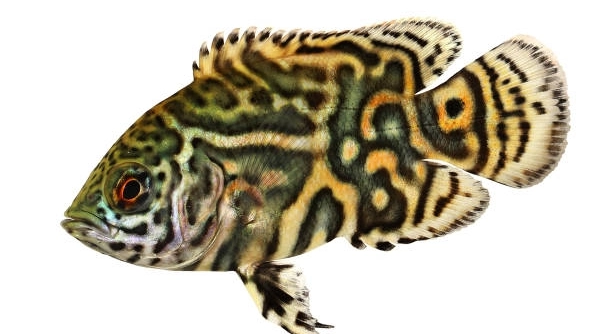
Oscar fish are known for their distinct personalities, often standing out in aquariums. Many owners wonder if these vibrant creatures can outgrow their behaviors or if they’ll remain the same over time.
Oscar fish can show personality traits that are influenced by their environment, but these traits are generally stable as they grow older. As they mature, their behaviors may become more predictable, but significant changes in their personality are unlikely.
Understanding their behaviors and needs is key to ensuring your Oscar fish’s health. This knowledge will help you maintain a happy, thriving environment for them as they grow and develop.
How Oscar Fish Develop Their Personality
Oscar fish, like many pets, show unique behaviors and traits that can change with age and environmental influences. When they are young, they are curious, energetic, and often more prone to exploring their space. As they mature, their actions can become more predictable, especially if they have a consistent environment.
Despite their strong personalities, Oscars do not typically experience drastic changes. However, the type of care they receive plays a big role in shaping their behavior. Providing them with a stable tank environment, proper diet, and regular interaction can keep their personalities stable or even enhance them. Over time, Oscars may become more accustomed to their surroundings, leading to less erratic behavior.
Their responses to you, other fish, and changes in the tank can remain constant once they reach adulthood. The trick to maintaining their personality is simply ensuring that their needs are met consistently. A happy and healthy Oscar will generally display a balanced mix of playfulness and territorial behavior.
Environmental Factors Impacting Their Personality
Every Oscar fish thrives in specific environmental conditions. These can include water temperature, tank size, and tank mates. If their environment isn’t suitable, you may notice changes in their behavior.
If an Oscar fish feels stressed, it may retreat into its hiding spots, become less active, or even display aggression. Keeping the tank clean, maintaining water quality, and offering a secure space where they can feel safe is essential. Consistent care can prevent anxiety and support the development of a calm and stable personality.
Oscar fish need enough space to roam and explore, and an overcrowded tank can cause frustration. They may also show aggression if they feel threatened or crowded. Larger tanks provide them with freedom to swim, leading to a more relaxed and engaging personality. Additionally, ensuring that the tank mates are compatible with Oscars is crucial. If paired with too aggressive or territorial species, an Oscar’s natural behavior might change for the worse.
How Socializing Affects Their Personality
Oscar fish are social creatures, but they have limits when it comes to tank mates. Proper interaction with their environment and other fish can shape their behavior. A peaceful tank with compatible species can encourage an Oscar to be more confident and active.
Aggression can emerge in Oscars if they feel threatened or cornered, which can cause them to act out more. If they’re housed with other aggressive species, they may become defensive, which leads to mood shifts. Ensuring that Oscars are paired with peaceful tank mates and that their space is respected will help them stay balanced. Socializing them with non-threatening fish can help them develop into more relaxed individuals.
If Oscars feel alone or unchallenged, they may become more passive and even withdraw. A lack of social interaction can make them more introverted. It’s essential to monitor the personalities of all fish in the tank to avoid conflicts. Balancing their social environment ensures that they thrive.
Physical Changes and Personality Development
Physical changes in Oscar fish, like size and color, can impact their behavior over time. As they grow, their needs change, and this can reflect in their personality. Larger Oscars may become more territorial.
As Oscar fish mature, they may become more confident and assertive in their tank. Their increased size can lead to a more dominant presence, making them more protective of their territory. They may also become more independent as they age, choosing to explore and interact with their environment in their own way. These shifts are a natural part of their growth and not necessarily a sign of behavioral issues.
Their colors, which can deepen or change as they age, might also reflect their health and personality. A vibrant Oscar may be feeling secure in its environment and can show more energy, while a duller, less colorful Oscar may be stressed or unwell. Keeping their environment stable and healthy ensures they remain vibrant and confident, leading to a more pleasant personality overall.
Feeding and Its Impact on Behavior
What you feed your Oscar can have a noticeable effect on their personality. A varied and balanced diet encourages healthy development and can help maintain a consistent temperament. Poor nutrition can cause stress, leading to behavior changes.
Overfeeding can also result in health problems like sluggishness or aggression. Oscars that are underfed may become more irritable or skittish. Keeping a regular feeding schedule with high-quality food can help stabilize their mood and behavior, ensuring they remain active and healthy. Their personality is often a reflection of how well they’re cared for.
Oscars and Tank Maintenance
Keeping the tank clean is crucial for Oscar fish. Dirty water can lead to stress and health problems, both of which can alter their behavior. A well-maintained tank ensures that your Oscar remains healthy and comfortable.
Regular water changes, proper filtration, and cleaning the tank can help create a peaceful environment. Oscars thrive in tanks with clean water and enough hiding spots. Keeping their home spotless will prevent stress and encourage stable, predictable behavior.
Interaction with Owners
Oscars can become more attached to their owners over time. With regular feeding and interaction, they can recognize you and respond to your presence.
Their level of affection can vary, but they often show signs of curiosity or excitement when you approach their tank. This bond can lead to a more sociable and relaxed Oscar, allowing you to enjoy watching them interact with you.
FAQ
Can Oscar fish change their personalities as they age?
Yes, Oscar fish can display slight changes in their behavior as they age, but these changes are usually subtle. Young Oscars tend to be more curious and playful, while older Oscars may become more territorial and less active. However, these shifts are generally consistent with their growth rather than dramatic changes in personality.
What causes Oscars to become more aggressive?
Oscars can become aggressive due to various factors, such as overcrowding, poor water quality, or incompatible tank mates. When they feel threatened or stressed, they may become more territorial and defensive. Aggression can also arise if they don’t have enough space to swim freely or if they feel their environment is unstable.
Do Oscars get along with other fish?
Oscar fish can live with other fish, but it’s important to choose their tank mates carefully. They are known to be semi-aggressive, so it’s best to keep them with larger, more robust fish that can handle their temperament. Smaller or more passive fish may get bullied, so compatibility is key.
How can I tell if my Oscar is stressed?
A stressed Oscar may display behaviors like hiding, lack of appetite, erratic swimming, or biting at the tank walls. Stress can also cause them to appear more lethargic or have a duller color. Monitoring their environment, water quality, and tank mates can help reduce stress and keep your Oscar healthy.
What type of water conditions do Oscars need?
Oscar fish prefer slightly acidic to neutral water with a temperature range of 74-81°F (23-27°C). It’s essential to maintain stable water conditions, as fluctuations in temperature, pH, or hardness can stress your Oscar and affect its behavior. Regular water changes and a reliable filtration system are necessary for keeping the tank clean and healthy.
How often should I feed my Oscar fish?
Oscar fish should be fed once or twice a day, depending on their size and age. It’s important not to overfeed them, as it can lead to health issues. Offer them a balanced diet that includes pellets, live food, and frozen options to ensure they receive all the nutrients they need.
Can Oscars recognize their owners?
Yes, Oscars can recognize their owners, especially if they receive regular feeding and interaction. They may swim to the front of the tank when they see you or react to your movements. Some Oscars even seem to form bonds with their owners and can be trained to respond to certain cues or actions.
Do Oscars need tank mates to thrive?
Oscar fish can live alone, and some even prefer it. However, they are social creatures and can benefit from the company of other fish, as long as they are compatible. If you do choose to keep multiple Oscars or other fish, ensure the tank is large enough to provide adequate space for all inhabitants.
Why is my Oscar staying in one spot?
If your Oscar is staying in one spot, it could be a sign of stress, illness, or environmental issues. Check water quality, tank cleanliness, and ensure there are no aggressive tank mates. Oscars may also stay in one area when they’re adjusting to new surroundings or feeling insecure in their environment.
Can Oscars live with smaller fish?
It is not recommended to house Oscars with smaller fish. Oscars have a tendency to eat smaller tank mates, especially when they grow larger. Even if they don’t actively hunt smaller fish, they might chase them, which can stress out the smaller fish and lead to aggression.
How long do Oscar fish live?
Oscar fish typically live 10 to 15 years, depending on their care and environment. Proper water maintenance, a healthy diet, and appropriate tank mates can extend their lifespan. Oscars in the wild may live slightly longer due to natural conditions, but with good care, they can live a long and happy life in captivity.
What’s the best tank size for an Oscar?
The best tank size for an Oscar fish is at least 55 gallons for a single fish. Oscars grow large, often reaching 12-14 inches, and need plenty of space to swim. A larger tank is even better if you plan to keep multiple Oscars or other species with them. A spacious environment reduces stress and helps maintain their natural behavior.
Can I train my Oscar to do tricks?
Yes, Oscars can be trained to some extent, especially if they are motivated by food. They can learn to associate certain movements or actions with feeding time. Some owners have successfully taught their Oscars to recognize their voices or respond to specific commands. Consistent interaction and patience are key to building this bond.
Why is my Oscar turning dark or pale?
Oscars may turn dark or pale due to stress, illness, or changes in water conditions. If your Oscar’s colors are dulling, check for signs of disease or water imbalances. Stress from aggressive tank mates, poor water quality, or overfeeding can also cause their colors to fade.
Do Oscars need a filter in their tank?
Yes, Oscars need a good filtration system in their tank. They are messy eaters and produce a lot of waste, so a powerful filter is necessary to maintain water quality. Regular water changes are also essential, but a filter helps keep the tank cleaner and reduces the frequency of maintenance required.
Can Oscars eat live food?
Yes, Oscars enjoy live food like feeder fish, worms, and shrimp. While live food can be a great treat and provide variety in their diet, it should be given in moderation. It’s also important to ensure that the live food is healthy and disease-free to avoid introducing harmful parasites into the tank.
Final Thoughts
Oscar fish are known for their vibrant personalities, and many owners find them fascinating because of their unique behavior and interactions. While their personalities can evolve as they grow, these changes are often subtle. Most of the time, an Oscar’s temperament is influenced by its environment, care, and social interactions. Keeping an Oscar happy means understanding its needs and providing a stable and comfortable home, which will support its natural behaviors. By maintaining proper water conditions, a balanced diet, and a compatible tank environment, you can help your Oscar remain healthy and show a consistent, engaging personality.
One of the most important factors in an Oscar’s personality is how well it is cared for. Poor water quality, stress from overcrowding, and incompatible tank mates can lead to behavior changes, including aggression and withdrawal. Oscars need plenty of space to swim and explore, and they do best when their tank is properly maintained. Regular water changes, a reliable filter, and careful monitoring of tank mates will prevent most behavioral problems. If an Oscar feels safe and secure in its environment, it will generally remain calm and active, showing its true personality without signs of stress.
Ultimately, while Oscars don’t typically experience drastic changes in personality as they grow, small shifts in behavior are to be expected. Their actions may become more predictable with age, but as long as their needs are met, they will maintain their natural traits. As an owner, understanding your Oscar’s preferences, whether that’s its feeding habits or interactions with other fish, will help ensure a harmonious environment for both you and your fish. Enjoying the company of an Oscar is all about creating the right conditions for it to thrive.

Hello,
If you enjoy the content that we create, please consider saying a "Thank You!" by leaving a tip.
Every little bit helps us continue crafting quality advice that supports the health, happiness, and well-being of pets around the world, for pets of all shapes, sizes, and species.
We really appreciate the kindness and support that you show us!