
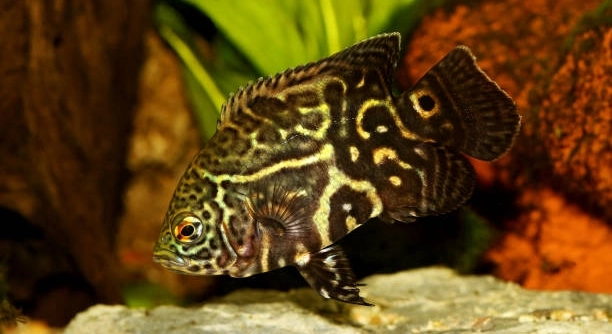
Oscar fish are known for their playful and curious behavior, which includes circling before eating. This unique action often catches the attention of many fish owners. Understanding why they do this can help ensure a happy, healthy fish.
Oscar fish circle before eating as a natural hunting behavior. They often perform this action to mimic the movements they would make in the wild when hunting prey. This behavior is instinctual and helps them prepare mentally and physically for eating.
This behavior can be influenced by the fish’s environment, stress levels, and feeding habits. Understanding these factors can help you create the best environment for your Oscar fish to thrive.
Why Does My Oscar Fish Circle Before Eating?
Oscar fish are naturally territorial and have an instinct to hunt. Circling before eating is a part of this behavior. It mimics how they would prepare to chase prey in the wild, helping them focus and get in the right mindset for feeding. This behavior is especially noticeable when they are hungry or excited for food. When an Oscar fish circles, it’s a way of setting itself up to “hunt” its food, even though the food is already provided in the tank. It’s a basic instinct that shows how similar their behavior is to their wild counterparts.
Sometimes, circling can also happen when the fish is agitated or stressed. This can be due to changes in the environment, such as water temperature or tank mates. Stress might make them more anxious, and circling becomes a way to cope. In a well-maintained tank with stable conditions, the circling behavior is mostly harmless and just a sign of a healthy fish showing excitement.
Understanding this behavior can make you more aware of your Oscar fish’s needs and health. If you notice the circling happening frequently or alongside other odd behaviors, it might be a sign that something is off with your tank’s conditions or their diet. The key is observing how often it happens and whether the fish is still eating well.
Factors That Affect Circling
Water conditions play a large role in how your Oscar behaves. Any significant change in temperature, pH levels, or cleanliness might stress them out. Stress can lead to increased circling or erratic movements. Make sure the water stays within ideal conditions for an Oscar fish. The proper temperature for Oscars is typically around 74-81°F (23-27°C). Too cold or too hot, and they may react by acting out in different ways, including circling.
Another aspect is their environment. Tank mates matter, as Oscars are aggressive fish that can feel threatened if other fish invade their space. A calm and secure tank environment can help reduce stress and prevent excess circling. When you add new fish or change the decor, expect some behavioral changes. Oscars will typically adjust after some time, but stress might cause them to circle more.
Lastly, how you feed them also impacts their behavior. Oscars have a strong instinct to hunt, so feeding them in a way that encourages foraging can mimic their natural behavior. Some owners recommend using a variety of feeding methods to keep their instincts sharp. This could involve scattering food around the tank or using a food dispenser to stimulate their hunting drives.
When Should You Worry?
If circling becomes excessive or is paired with other signs of distress, like not eating or rapid gill movement, there may be an underlying issue. Too much circling can be a sign of poor water quality or a health issue. A visit to a veterinarian might be necessary if the behavior doesn’t stop or worsens.
Remember that your Oscar’s health is directly linked to its environment. Ensure your tank is clean, stable, and filled with proper conditions. If circling is accompanied by lethargy or other odd behaviors, it could mean something isn’t quite right. Pay attention to your fish’s habits and overall well-being, and make changes if needed to keep them comfortable.
The Importance of Tank Size
Oscar fish need plenty of space to thrive. A small tank can lead to stress and more circling, as they feel cramped. A 55-gallon tank is the minimum recommended for an adult Oscar. Providing enough room allows them to swim freely, reducing the stress that can trigger excessive circling. The larger the tank, the more stable the water conditions will be, which also helps reduce anxiety.
Tank size directly affects how an Oscar behaves. In cramped conditions, they might exhibit aggressive tendencies, or they could feel trapped. Oscars are territorial, and if the space is too small, they can become agitated and stressed. This will often lead to behaviors like circling or darting around. Larger tanks give your Oscar a better quality of life and allow for more natural movement. The space also helps balance out water parameters, such as temperature and oxygen levels, providing a more stable environment.
It’s important to note that Oscars don’t just need room to swim. They need hiding spots and decorations to feel secure. They can be skittish, especially when new to their environment, and may circle or hide until they settle in. A large tank with proper decorations creates a space where they can feel more at ease.
Feeding Habits and Timing
Feeding Oscars properly is key to their behavior and health. Overfeeding can lead to issues like water pollution, which in turn increases stress and circling. Try to feed your Oscar only what they can consume in about 5-10 minutes, once or twice a day. This helps maintain a healthy environment and reduces unnecessary stress.
Feeding on a regular schedule also helps your Oscar feel secure. They can learn to expect food at certain times, which may reduce anxiety-driven behaviors like circling. If you change the feeding times frequently, they might become stressed, especially if they are waiting for food. Consistency makes them feel comfortable and reduces erratic behavior.
Oscars are carnivores, so they require a varied diet to stay healthy. Offering them different types of food, like pellets, frozen or live foods, ensures they are getting the nutrients they need. A balanced diet can help avoid digestive issues that might also contribute to stress and unusual behavior.
Stress and Its Impact on Behavior
Stress can cause Oscar fish to display unusual behaviors like circling. Changes in water quality, aggressive tank mates, or sudden environmental shifts can trigger stress. When stressed, Oscars may circle more frequently as they try to cope. Reducing these stressors helps to maintain their mental and physical health.
To minimize stress, keep water conditions stable. Monitor temperature, pH, and ammonia levels regularly. If you notice your Oscar circling more, check for any sudden changes in the tank environment. You may need to adjust water parameters, remove aggressive tank mates, or provide hiding places for your fish to feel more secure.
Proper Tank Maintenance
Regular tank maintenance is essential for keeping your Oscar fish healthy. Clean the tank at least once a week, removing any debris and uneaten food. Regular water changes help prevent the buildup of harmful toxins that could cause stress or illness. Poor water quality is a common trigger for circling behavior.
Checking filtration systems and ensuring they’re working properly is equally important. Good filtration keeps the water clean and well-oxygenated, making your fish more comfortable. Make sure the filter is the right size for your tank and that it’s maintained regularly. Clean filters every few weeks to keep them running efficiently.
Tank Mates and Social Behavior
Choosing the right tank mates is crucial for your Oscar’s well-being. Oscars can be aggressive, so it’s important to pair them with fish that are similarly sized and not too passive. The wrong tank mates may cause stress, triggering behaviors like circling. Watch for signs of aggression, such as chasing or fin nipping.
FAQ
Why does my Oscar fish swim in circles before eating?
Oscar fish often circle before eating as part of their natural hunting instinct. This behavior is meant to mimic the movements they would make in the wild when hunting prey. Even though the food is already in the tank, the circling acts as a preparation for the hunt. It’s a sign of excitement and focus, showing that your fish is in a state of readiness to eat. If your Oscar is circling before meals, it’s typically a harmless behavior.
Is circling a sign that my Oscar fish is stressed?
While circling can sometimes be a sign of stress, it’s more commonly a natural behavior associated with feeding. However, if the circling is excessive or paired with other signs of distress, like not eating, hiding, or unusual swimming patterns, it could be due to stress. Factors such as poor water quality, changes in temperature, or aggressive tank mates can lead to stress and increased circling. Always monitor water conditions and make sure your fish is comfortable.
Can water quality affect my Oscar’s circling behavior?
Yes, water quality plays a big role in your Oscar’s behavior. Poor water conditions can lead to stress, which may cause increased circling. Oscars are sensitive to changes in water temperature, pH, and ammonia levels. A dirty tank can lead to toxins building up, causing discomfort for the fish. Regular water changes, maintaining a proper filtration system, and testing water parameters can help ensure your fish is healthy and reduce unnecessary circling.
Should I be concerned if my Oscar fish circles all the time?
If your Oscar is circling constantly, it’s important to evaluate the tank conditions. While circling is normal behavior before meals, excessive circling could indicate that something is wrong. It may be a sign of stress, illness, or discomfort. Check for environmental factors such as poor water quality, overcrowding, or aggressive tank mates. If the circling is accompanied by other symptoms, such as loss of appetite or lethargy, it might be best to consult with a vet or aquarium expert.
How often should I feed my Oscar fish to prevent stress?
Feeding your Oscar on a regular schedule can help reduce anxiety. Aim to feed them once or twice a day, providing only what they can eat in about 5-10 minutes. Overfeeding can lead to poor water quality, which can cause stress and trigger circling. Maintaining a feeding routine helps your Oscar feel secure and reduces the chances of erratic behaviors. Make sure to offer a balanced diet of pellets, live foods, and frozen options to keep them healthy.
Can tank size influence my Oscar’s circling behavior?
Yes, tank size can directly affect your Oscar’s behavior. Oscars are large fish that require a lot of space to feel comfortable. If the tank is too small, your Oscar may feel cramped and stressed, which can lead to behaviors like circling. A 55-gallon tank is the minimum recommended size for an adult Oscar. Providing a larger tank with plenty of swimming space allows them to move freely and feel secure, reducing stress and excessive circling.
Is circling a sign of illness in Oscar fish?
In most cases, circling is not directly related to illness. However, if your Oscar exhibits circling along with other unusual behaviors, such as loss of appetite, lethargy, or abnormal swimming patterns, it could indicate a health issue. Infections, parasites, or digestive problems may cause discomfort and alter the fish’s natural behavior. If you notice any other signs of illness, it’s important to check water quality and consult with a vet if necessary.
How do I reduce circling in my Oscar fish?
To reduce circling, ensure your Oscar is in a healthy and stable environment. Maintain optimal water conditions by monitoring temperature, pH, and ammonia levels regularly. Make sure the tank is large enough for your Oscar to swim freely, and avoid overcrowding. Provide a variety of food and stick to a consistent feeding schedule to reduce anxiety. Adding decorations or hiding spots can also help your Oscar feel secure, which may reduce stress-related circling.
What is the best tank setup for an Oscar fish?
The best tank setup for an Oscar fish includes a 55-gallon tank or larger, with plenty of space to swim. Oscars are territorial, so it’s important to keep only a few tank mates, ideally those that are similarly sized and not overly passive. Use a good filtration system to keep the water clean and well-oxygenated. Decorations such as rocks, plants, and hiding spots help mimic their natural environment and provide comfort. Regular water changes and monitoring of water conditions will ensure a healthy tank environment for your Oscar.
Do Oscar fish prefer a specific type of food?
Oscar fish are carnivores and prefer a varied diet to stay healthy. They enjoy high-protein foods such as pellets, frozen or live fish, and shrimp. It’s important to feed them a mix of foods to provide all the necessary nutrients. Oscars can be picky eaters, so offering a variety of food types keeps them interested and engaged. Over time, you’ll get to know your Oscar’s preferences and can adjust their diet accordingly. Just be sure to feed them the right portions to avoid overfeeding and water contamination.
Final Thoughts
Understanding why your Oscar fish circles before eating can help you create a more comfortable environment for them. Circling is a natural behavior that stems from their hunting instincts. It’s important to remember that this behavior is typically harmless and part of their normal feeding routine. As long as your Oscar is healthy, eating well, and displaying other signs of normal activity, circling shouldn’t be a cause for concern. In fact, it shows that your Oscar is excited and engaged with its surroundings, especially when food is involved.
However, if circling becomes excessive or is accompanied by other troubling behaviors, it’s time to investigate further. Stress is a common factor that can lead to increased circling, and stress can result from poor water quality, overcrowded tanks, or aggressive tank mates. Taking the time to maintain optimal water conditions, provide enough space, and choose the right tank mates can help keep your Oscar happy and reduce stress. If circling is paired with loss of appetite, lethargy, or other unusual signs, there might be an underlying health issue that requires attention.
In the end, the key to managing your Oscar’s behavior is observation. Regularly check water quality, feeding habits, and the overall tank environment. Make adjustments as necessary and pay attention to how your Oscar responds. Each fish is unique, and what works for one might not work for another. If you notice changes in behavior that concern you, don’t hesitate to seek advice from an aquarium expert or veterinarian. With the right care, your Oscar will thrive, and behaviors like circling will be just another part of its fascinating nature.

Hello,
If you enjoy the content that we create, please consider saying a "Thank You!" by leaving a tip.
Every little bit helps us continue crafting quality advice that supports the health, happiness, and well-being of pets around the world, for pets of all shapes, sizes, and species.
We really appreciate the kindness and support that you show us!