
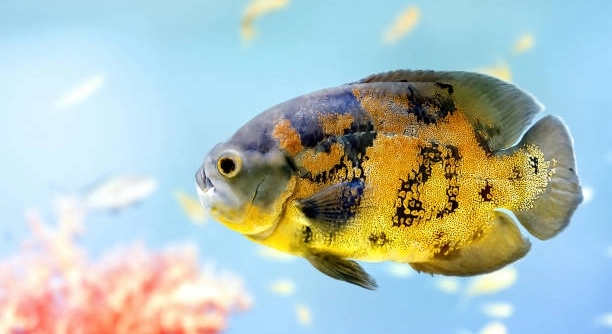
Oscar fish are known for their vibrant personalities and strong reactions, but sometimes, they can get stressed out. It’s important to understand the triggers that can cause them to panic. Knowing these will help you care for them better.
Changes such as water temperature shifts, tank movement, lighting adjustments, or the introduction of new tank mates can lead to panic in Oscar fish. Sudden changes in their environment disrupt their sense of security, causing stress and potential health issues.
Understanding what makes Oscars panic will help you create a peaceful environment for them. By being mindful of their needs, you can avoid common mistakes and ensure they thrive in your care.
Sudden Changes in Water Temperature
Oscars are sensitive to water temperature changes. If the water becomes too hot or too cold, it can stress them out and cause them to panic. They are tropical fish, which means they thrive in warm water. A rapid temperature change can confuse their body and lead to health problems.
It’s important to keep the water temperature stable between 75°F to 80°F (24°C to 27°C). You can use a reliable aquarium heater and thermometer to monitor the temperature and avoid any sudden fluctuations. Sudden drops or increases can cause your Oscar to become agitated and may even weaken their immune system.
When setting up a tank for an Oscar, always aim for consistency. If you need to adjust the temperature, do so gradually. This way, your fish won’t be shocked by extreme shifts. A stable environment is key to keeping your Oscar happy and healthy.
Tank Movement
Oscars are territorial fish and may become easily stressed by any movement outside their tank. Whether it’s someone walking by, shaking the stand, or loud noises, these disruptions can cause them to feel threatened.
Oscars prefer calm environments where they feel safe. Any unexpected or sudden movement, especially around the tank, can make them feel insecure. It’s best to place the tank in a quieter area, away from busy spaces. Keep in mind that their stress levels can increase if their surroundings are constantly changing. If they are disturbed too often, it can even affect their health.
Try to minimize movement around the tank. Make sure to avoid tapping on the glass or making loud noises near them. The more secure your Oscar feels in its environment, the less likely they are to panic. Over time, you will notice a calmer, more relaxed fish.
Changes in Lighting
Oscars are sensitive to changes in lighting. A sudden shift from bright to dim light or vice versa can cause them to become anxious. This can disrupt their natural behavior and make them feel unsafe. Consistency is key.
Oscars thrive in stable lighting. While they don’t need very bright lights, a steady, moderate light helps them feel secure in their environment. If the light changes frequently, they may become startled and stressed. This stress can affect their overall health and lead to aggression or poor feeding habits.
It’s best to keep the lighting consistent and avoid sudden switches. If you want to adjust the light intensity or timing, do it gradually. Also, try to maintain a cycle that mimics natural day and night patterns, allowing your Oscar to get used to the changes over time.
New Tank Mates
Introducing new tank mates can be stressful for Oscar fish. Oscars are territorial, and any new fish entering their space can cause them to react negatively. It’s important to approach this change carefully.
If you add new fish to the tank, make sure they are compatible with Oscars. They are aggressive and may fight or become stressed if the new fish are seen as a threat. Additionally, introducing a new fish too quickly can lead to territorial behavior, causing panic in your Oscar. Slowly introducing the new fish in a separate tank or by using a partition can help minimize stress.
Monitor their interactions closely. If the new fish seems to be causing too much stress, it may be best to remove them. The key is to ensure your Oscar feels safe and in control of its space.
Loud Noises
Oscars can easily get startled by loud noises. Sounds like banging on the tank, loud music, or sudden movements near the aquarium can cause stress. This type of noise triggers their flight-or-fight response.
Their natural habitat is quiet, so they are not used to disturbances. If loud noises happen often, your Oscar may become fearful or aggressive. Even something as simple as a door slamming can make them feel unsafe. The more consistent and calm the environment, the better it is for their well-being.
Consider keeping the aquarium in a quieter area of the house, away from places where loud noises are common. Keeping them calm will ensure your Oscar stays happy and healthy.
Dirty Water
Dirty water can be another big stressor for Oscars. If the water quality becomes poor, it can make them feel uncomfortable, leading to panic. Regular maintenance is essential.
Oscars need clean, well-filtered water to stay healthy. Dirty water can lead to bacterial growth, algae, and an overall unhealthy environment. These conditions can cause stress and lead to health issues like fin rot or parasites. Regular water changes and a good filtration system can keep things in check.
Test the water regularly for ammonia, nitrite, and nitrate levels to ensure your Oscar is living in a safe environment. Clean water is crucial for keeping your fish stress-free.
Tank Size
Oscars grow large, and they need space to thrive. A small tank can make them feel cramped and stressed. Overcrowding can cause them to panic.
A tank that is too small doesn’t provide enough room for an Oscar to move freely, leading to stress. Ideally, Oscars need at least a 55-gallon tank, with extra space for each additional fish. Giving them plenty of room helps reduce territorial behavior and aggression. Proper tank size allows for natural swimming patterns and promotes overall health.
Before adding more fish or decorations, make sure the tank is big enough to accommodate your Oscar comfortably.
FAQ
What causes my Oscar fish to swim frantically?
Oscars may swim frantically when they feel threatened, stressed, or uncomfortable in their environment. This could be due to sudden changes in water temperature, the introduction of new tank mates, or loud noises around the tank. They may also swim in circles or pace if they are not happy with the tank size or water quality. If you notice frantic swimming, check the water parameters and ensure the environment is stable and calm. It’s important to assess any recent changes that might be upsetting them.
How do I calm my Oscar fish down?
To calm your Oscar, you need to reduce stressors in the tank. Keep the water temperature stable, avoid loud noises, and ensure the tank is large enough for them to feel comfortable. Reducing movement around the tank and providing plenty of hiding spots can also help your Oscar feel more secure. Additionally, maintaining clean water and ensuring they have the right tank mates can reduce anxiety. A calm and quiet environment is key to keeping them happy.
Can I add other fish with my Oscar?
Adding other fish to an Oscar tank can be tricky. Oscars are territorial and can be aggressive, so choosing tank mates carefully is crucial. Fish that are too small or slow-moving may be seen as prey, while other large, aggressive fish could provoke territorial disputes. Generally, fish like larger cichlids or certain species of catfish can work, but you should always monitor interactions closely. A good rule of thumb is to ensure your new tank mates are of similar size and temperament to your Oscar to prevent conflicts.
What are the signs that my Oscar fish is stressed?
Signs of stress in an Oscar include erratic swimming, hiding, loss of appetite, and changes in color. They may also become more aggressive or lethargic. If your Oscar is constantly at the surface of the water or seems to avoid the middle or bottom of the tank, this could be a sign of stress. In extreme cases, stress can lead to health problems, so it’s important to identify and address the cause quickly. Make sure the water quality is good, and there are no sudden changes in the tank environment.
How often should I feed my Oscar fish?
Oscars are omnivores and need a varied diet. Generally, feeding them 2-3 times a day is ideal for younger Oscars, while adult Oscars can be fed once a day. Overfeeding can lead to water quality issues and obesity, so portion control is important. Offer a variety of food, including pellets, live or frozen food like worms or shrimp, and some plant matter to ensure they get all the nutrients they need. Monitor how much your Oscar eats to avoid leftovers that can foul the water.
How do I know if my Oscar fish is sick?
Sick Oscars may show several signs, including faded colors, clamped fins, abnormal swimming behavior, or a lack of appetite. You might also notice lesions, white spots, or unusual marks on their body. If your Oscar is scratching against objects in the tank, this could indicate skin parasites. Regularly check for any changes in behavior or appearance, and if you notice anything unusual, consider isolating the sick fish and consulting an aquatic vet for advice. Early detection can make treatment more effective.
What is the best tank size for an Oscar fish?
An adult Oscar needs a tank of at least 55 gallons, but bigger is always better. The minimum tank size should be increased if you plan to add more fish or decorations. A larger tank will allow your Oscar to swim freely and reduce territorial stress. Oscars grow large, and they need space to feel secure. If the tank is too small, they may become stressed, aggressive, or even develop health problems due to overcrowding. A 75-gallon tank is often recommended for a single adult Oscar.
Can Oscars live with other species of fish?
Oscars can live with other species of fish, but only if they have similar size, temperament, and care requirements. Tank mates should be large enough to avoid being bullied or eaten. Fish such as larger cichlids, plecos, and fast-moving species often make good companions for Oscars. However, keep in mind that Oscars can be aggressive, especially during breeding seasons. Always monitor the tank closely after introducing new fish to ensure they get along.
How do I maintain good water quality for my Oscar fish?
Maintaining good water quality is crucial for the health of your Oscar. Regular water changes, ideally 20-30% once a week, help remove toxins and maintain the balance of the aquarium. A high-quality filtration system is also essential, as Oscars produce a lot of waste. Test the water regularly for ammonia, nitrites, and nitrates, and ensure that pH, temperature, and hardness levels are appropriate for your fish. Avoid overfeeding, as uneaten food can pollute the water. Keep an eye on the tank and perform routine cleaning to prevent any issues.
Why is my Oscar fish turning pale?
If your Oscar is turning pale, it could be a sign of stress, poor water quality, or an underlying health issue. Stress from changes in their environment, tank mates, or water conditions can cause color fading. Additionally, poor water quality, particularly high levels of ammonia or nitrites, can affect their health and coloration. If the color loss is accompanied by other symptoms like lethargy or loss of appetite, it could indicate a disease or infection. Check water parameters and address any stressors in the tank to help restore your Oscar’s color.
What should I do if my Oscar is not eating?
If your Oscar isn’t eating, there could be several causes. Stress, poor water quality, or changes in the environment may cause your Oscar to lose its appetite. Health issues like parasites or infections can also lead to a lack of appetite. Check the water quality first and ensure there are no sudden changes in the tank. If the environment is stable and they’re still not eating, monitor for any signs of illness. In some cases, fasting is normal, but prolonged refusal to eat requires attention.
Final Thoughts
Understanding the factors that cause your Oscar fish to panic is essential for maintaining a healthy and stress-free environment. Oscars are sensitive creatures, and even small changes in their surroundings can cause them to feel uneasy. Whether it’s water temperature fluctuations, sudden noises, or adding new fish to their tank, these things can have a significant impact on their behavior and health. By paying attention to their environment and providing a stable, calm habitat, you can prevent unnecessary stress and keep your Oscar happy and healthy.
Regular maintenance and monitoring are key to ensuring your Oscar thrives in its tank. Make sure the water quality is always at its best by doing regular water changes and keeping an eye on the filtration system. Checking the water temperature, pH levels, and hardness will help maintain a stable environment that your Oscar will enjoy. Additionally, being mindful of changes in lighting, tank size, and noise levels can prevent unnecessary stress. Creating a peaceful atmosphere will go a long way in keeping your Oscar calm and content.
When it comes to tank mates, make sure any new additions are compatible with your Oscar’s temperament. Oscars can be territorial and may become aggressive toward smaller or weaker fish. If you’re planning to add more fish, ensure they are of a similar size and have a compatible nature. Gradually introducing new fish can help avoid stress and aggression. Ultimately, the key to keeping your Oscar calm is consistency—whether it’s in water conditions, tank size, or the overall environment. By keeping things steady, you can create the ideal habitat for your Oscar to thrive in.

Hello,
If you enjoy the content that we create, please consider saying a "Thank You!" by leaving a tip.
Every little bit helps us continue crafting quality advice that supports the health, happiness, and well-being of pets around the world, for pets of all shapes, sizes, and species.
We really appreciate the kindness and support that you show us!