
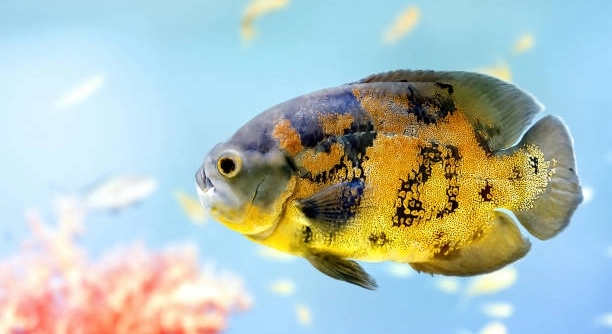
Oscar fish are known for their intelligence and curious nature. Many aquarium owners wonder about their ability to navigate and interact with their surroundings. Could they master an obstacle course, like other highly intelligent species?
Research shows that Oscar fish are indeed capable of navigating through simple obstacle courses. Their ability to recognize patterns, remember locations, and adapt to new challenges highlights their impressive cognitive abilities. These fish display problem-solving skills when navigating their environments.
Understanding how Oscar fish interact with challenges helps to highlight their intelligence. The more we explore their behavior, the better we can care for them in our aquariums.
The Intelligence of Oscar Fish
Oscar fish are incredibly intelligent creatures. They can quickly learn to navigate through objects, recognize their owners, and even solve simple puzzles. This intelligence comes from their natural instincts to search for food, avoid predators, and adapt to new environments. They are quick learners, able to remember patterns and locations for food or shelter. This ability shows that their cognitive capacity goes beyond mere survival instincts, and they can engage with their surroundings in a more complex way. The recognition of objects, as well as the ability to anticipate movements or changes, demonstrates that Oscars are more than just instinctive swimmers.
Oscar fish’s problem-solving skills are evident when placed in tanks with obstacles. They will often navigate around rocks, plants, or toys, showing their ability to plan and think ahead. This ability is not just limited to food searches but extends to general navigation within their environment. They can recognize the layout of their tank and adapt to minor changes without much confusion.
This intelligence allows Oscar fish to thrive in a variety of environments, from aquariums to larger tanks with more complexity. They demonstrate a capacity for learning that makes them more interactive than many other fish species.
How Oscar Fish Learn New Tasks
Oscar fish show impressive learning abilities when introduced to new tasks. They adapt quickly, often relying on their ability to remember specific patterns.
Many aquarium owners have noticed that Oscar fish can be trained to respond to certain actions. With enough repetition, they will associate a specific action, such as tapping on the glass or feeding time, with a reward. This interaction demonstrates their ability to understand cause and effect, even in a small aquarium setting.
Through consistent exposure to new tasks, Oscar fish can even recognize their owners’ routines. They can anticipate feeding schedules, react to hand movements, and adjust their behavior accordingly. They may even interact with their owners, acknowledging them with a swim or a movement. This adaptability in their behavior showcases how Oscar fish develop a sense of routine and environmental awareness. While the learning process may take some time, the results speak for themselves.
Navigating Obstacle Courses
Oscar fish are highly capable of navigating obstacles in their tanks. Their ability to move around plants, rocks, and decorations shows that they can assess their environment and make quick decisions. Over time, they become familiar with the layout and adapt their movements to avoid or interact with the objects around them.
When given simple obstacles, such as tunnels or barriers, Oscars can figure out the best way to move past them. They may swim around, over, or under obstacles to reach their goal. This adaptability shows that they are not just reacting out of instinct but using learned behaviors to navigate their environment effectively. Their problem-solving skills are put to the test as they figure out how to interact with new elements in their tank.
This intelligence makes them stand out in terms of their ability to adjust to changes in their environment, even when new obstacles are added. It also speaks to the fact that their brains are wired for active problem solving, much like higher animals that engage in complex tasks.
The Role of Environmental Enrichment
A well-decorated tank enhances an Oscar fish’s ability to learn and engage with their environment. The introduction of new obstacles, plants, and structures provides mental stimulation. As these fish explore and navigate these changes, they develop more problem-solving skills, which benefits their overall well-being.
Changing their environment regularly can keep Oscars engaged, providing them with new challenges. The introduction of different objects forces them to adapt to new situations, encouraging mental stimulation. This is vital for their cognitive development and overall happiness. A stimulating environment ensures that Oscars are not only swimming in circles but actively interacting with their surroundings.
With environmental enrichment, Oscar fish can exhibit their full range of abilities. They engage with new objects by pushing, nudging, or exploring them in ways that show curiosity and intelligence. A more enriched environment leads to healthier, happier fish, as they are not simply existing but actively learning and growing.
Testing Their Limits
While Oscar fish are capable of navigating obstacles, their abilities can be pushed further with practice. Consistently adding new challenges helps them to adapt and grow their problem-solving skills. Over time, they become more adept at overcoming increasingly complex obstacles.
Adding new tasks, such as mazes or floating objects, forces them to think more critically. Their learning is enhanced when they have to adjust their strategies. As they grow more familiar with different objects, they will eventually learn the most efficient way to navigate these challenges, proving just how capable they are.
Interacting with the Environment
Oscar fish often interact with their surroundings in ways that show their cognitive abilities. They are not only navigating obstacles but also showing an understanding of their environment. These fish can recognize objects and associate them with specific actions, like feeding times or hiding places.
They use their environment for more than just swimming, engaging in behaviors that suggest recognition of patterns and connections. This intelligence highlights their ability to learn from their surroundings and adjust accordingly. As they interact with their environment, they strengthen their problem-solving skills.
Importance of Mental Stimulation
Mental stimulation is crucial for the well-being of Oscar fish. Without it, they may become bored and inactive. Introducing new objects and challenges regularly helps keep them engaged. This ensures they stay mentally sharp and active, improving both their health and happiness.
FAQ
Can Oscar fish recognize their owners?
Yes, Oscar fish can recognize their owners. They develop a bond with their caretakers through regular interaction and feeding. Over time, they begin to associate specific movements or sounds, like tapping on the glass, with food or attention. This recognition comes from their ability to remember patterns and routines. Some owners report that their Oscars react excitedly when they approach the tank, showing that they can identify their caretakers. The more consistent the interaction, the stronger the bond becomes.
Do Oscar fish have a good memory?
Oscar fish do have a good memory, especially when it comes to food and their environment. They can remember the layout of their tank, where food is usually placed, and can even remember previous interactions with humans. Their memory is key in navigating obstacle courses, recognizing objects, and adapting to changes in their tank. They learn through repetition and association, which strengthens their memory over time. This ability to retain information is part of what makes them intelligent fish.
How can I train my Oscar fish?
Training an Oscar fish is possible and can be an enjoyable experience. Start with simple tasks, like getting your fish to come to the front of the tank when you approach or feeding them on a schedule. Use food as a reward to reinforce the behavior you want to encourage. Over time, you can introduce more complex tasks, like getting your Oscar to follow your finger or navigate a small obstacle. Patience is key, as Oscars need time to learn. Keep the training sessions short and consistent to avoid overwhelming the fish.
Can Oscar fish live with other fish?
Oscar fish can live with other fish, but they require careful consideration of tankmates. Oscars are territorial and can be aggressive, especially as they mature. It’s important to choose tankmates that can handle the Oscar’s behavior and size. Larger, more robust fish, like other cichlids, can make good companions. Avoid smaller or slower-moving fish, as Oscars may chase or even eat them. It’s also important to provide plenty of hiding spots in the tank to reduce stress and allow other fish to escape if needed.
How long do Oscar fish live?
Oscar fish can live for a significant amount of time with proper care. On average, they can live between 10 to 15 years, though some have been known to live even longer in ideal conditions. Their lifespan depends on factors such as tank size, water quality, diet, and overall health. Regular water changes, a balanced diet, and avoiding overcrowding are key to ensuring your Oscar lives a long and healthy life. Oscars in the wild can sometimes live even longer, but in captivity, they tend to live a bit shorter due to the controlled environment.
What do Oscar fish eat?
Oscar fish are omnivorous and have a varied diet. In the wild, they eat smaller fish, insects, and plant matter. In captivity, their diet should include a mix of high-quality pellets, frozen or live foods such as shrimp, worms, and small fish, and occasionally vegetables like peas or spinach. Feeding them a balanced diet ensures they receive the necessary nutrients for growth and health. Be sure to avoid overfeeding, as this can lead to health problems such as obesity or poor water quality.
How big do Oscar fish get?
Oscar fish can grow quite large, reaching sizes of up to 18 inches (45 cm) in length. They grow quickly, especially in their early years, and can require large tanks as they mature. A minimum tank size of 55 gallons is recommended for a single Oscar, but larger tanks are better as they grow. If you keep more than one Oscar or other tankmates, you’ll need an even larger tank. Their size and aggressive behavior mean they need ample space to thrive.
Why is my Oscar fish hiding?
There are several reasons why an Oscar fish may hide. Stress is one of the most common causes, and it can be triggered by factors such as changes in water parameters, a new tankmate, or excessive noise around the tank. Illness is another possibility, and Oscar fish tend to hide when they’re not feeling well. It’s important to monitor the water quality and check for any signs of disease. If your Oscar hides for extended periods or shows other symptoms, such as loss of appetite or abnormal swimming behavior, it may be time to consult a veterinarian.
Do Oscar fish need tank mates?
Oscar fish do not necessarily need tank mates, but they can benefit from having one. If you choose to keep other fish with your Oscar, it’s important to consider the size and temperament of the other fish. Oscars are territorial and can be aggressive, so it’s best to choose companions that can hold their own. However, if you provide plenty of space and hiding spots, some Oscars live peacefully with other large, hardy species. If you prefer a solo setup, that’s perfectly fine too. Many Oscars thrive in tanks where they are the only fish.
How often should I feed my Oscar fish?
Oscar fish should be fed once or twice a day. They are opportunistic feeders, so they will eat as much as they can if given the chance. It’s important to avoid overfeeding, as this can lead to obesity and poor water quality. Offer small portions that your Oscar can consume in a few minutes, and remove any uneaten food to prevent it from decomposing in the tank. Variety in their diet is also essential, so make sure they receive a mix of pellets, live or frozen food, and occasional plant-based treats.
Final Thoughts
Oscar fish are fascinating creatures with the ability to navigate obstacle courses and display a level of intelligence that many people may not expect from fish. Their ability to recognize their owners, learn from their environment, and interact with their surroundings shows that they are more than just simple aquatic pets. With the right care, an Oscar can thrive for many years, proving that these fish are both hardy and adaptable.
The key to keeping an Oscar healthy and happy lies in providing them with a suitable environment. They need a large tank, clean water, and a proper diet to grow to their full potential. Mental stimulation is also crucial, as these fish need challenges to stay engaged. This can include setting up obstacle courses or introducing new objects to encourage them to problem-solve. The more their environment mimics their natural habitat, the more they will thrive.
In the end, owning an Oscar fish requires commitment and an understanding of their needs. With patience and care, these fish can become more than just pets—they can develop bonds with their owners and offer a rewarding experience. Whether you are just starting out or have years of experience, the journey of keeping an Oscar can be enjoyable and fulfilling. By ensuring that they have a proper tank, plenty of mental stimulation, and a balanced diet, you can help your Oscar fish lead a long and healthy life.

Hello,
If you enjoy the content that we create, please consider saying a "Thank You!" by leaving a tip.
Every little bit helps us continue crafting quality advice that supports the health, happiness, and well-being of pets around the world, for pets of all shapes, sizes, and species.
We really appreciate the kindness and support that you show us!