
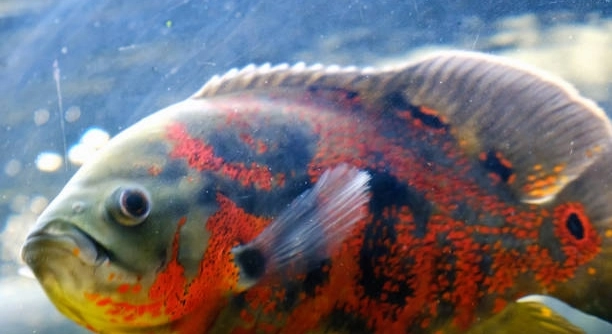
Oscar fish are fascinating creatures, and their behavior can sometimes be linked to their emotions. Anxiety is something they experience, and it can show in various ways. Understanding their actions when anxious is essential for better care.
When Oscar fish are anxious, they may display signs such as hiding, swimming erratically, or becoming more aggressive. These behaviors are often responses to stressors in their environment. Ensuring a stable and comfortable habitat can help reduce anxiety.
Recognizing these signs will allow you to make adjustments to their environment. Taking the right steps will help your Oscar fish feel secure and thrive in its tank.
Hiding in Plants or Decorations
When Oscar fish are feeling anxious, they tend to seek shelter. This behavior is often seen when they are stressed or disturbed by sudden changes in their environment. They may swim into plants or decorations to hide and feel secure. Fish are naturally inclined to find safe spaces when they feel threatened, and your Oscar is no different.
Providing plenty of hiding spots for your Oscar is important. Tank decorations like caves, large rocks, or dense plants will give them the option to retreat when they feel uneasy. This way, they won’t feel exposed.
The key to managing this behavior is ensuring that these hiding spots are not obstructed. Clean decorations regularly to avoid creating stress through poor water conditions. Having a few places in the tank to hide can significantly reduce the chances of anxiety, allowing your Oscar to feel safe while still swimming freely when needed.
Aggressive Behavior
Anxiety can also manifest in your Oscar’s aggression. When stressed, they may lash out at other tank mates or even their own reflection. This behavior is their way of coping with stress, but it can lead to conflicts in the tank.
Aggression is often seen when Oscar fish are territorial or unable to escape from their perceived threats. If your Oscar feels trapped or cornered, it may start attacking other fish to protect itself. To help manage this, ensure your tank has enough space for them to swim freely without feeling overcrowded. Also, consider adding tankmates that are compatible with Oscars to reduce the likelihood of territorial behavior.
Another way to address aggression is by maintaining water quality and temperature. If these factors are off, your Oscar may feel even more agitated. Regular water changes and monitoring of the tank environment will go a long way in calming your Oscar’s nerves. With these adjustments, you’ll likely see a more peaceful Oscar, even during stressful times.
Swimming in Circles
When your Oscar fish feels anxious, it may begin swimming in circles. This repetitive behavior is often a sign of stress. It can happen when the fish is feeling trapped, bored, or uncomfortable in its environment. The constant movement can be a way for the Oscar to try and escape its surroundings.
This behavior is usually seen in smaller or overly crowded tanks. In larger, well-maintained tanks, Oscar fish have more space to swim freely, which can reduce the need for repetitive swimming. If your fish exhibits this behavior, try increasing the tank size or adding more plants and decorations to create a more stimulating environment.
Sometimes, swimming in circles is also a result of poor water quality. Ensure that the tank’s filtration system is working properly and that water parameters are ideal. Regular water changes are essential to help your fish feel comfortable. This simple adjustment can help alleviate the stress and stop the circular swimming.
Lack of Appetite
An anxious Oscar fish might lose its appetite. When stressed, it can refuse to eat, even if food is readily available. This behavior is commonly seen when the fish is in an unfamiliar environment or experiencing changes in its tank, like new tankmates or fluctuating water conditions.
A loss of appetite can also be a result of bullying or aggression from other fish. If your Oscar feels threatened, it may stop eating as a way of coping. Try to monitor the behavior of other fish in the tank and separate any overly aggressive ones. Creating a peaceful environment can encourage your Oscar to feel more relaxed and willing to eat.
If the anxiety is due to water quality, check the water parameters immediately. High ammonia or nitrite levels can make your fish feel uncomfortable, leading to a loss of appetite. By addressing the root cause of the stress, you’ll likely see your Oscar regain its interest in food.
Flashing or Rapid Movements
Oscar fish may begin flashing or making rapid movements when they feel anxious. This behavior can be an indication of irritation or discomfort. They might dart around the tank or scrape their bodies against objects to relieve stress or itchiness.
This behavior could be a result of physical discomfort, such as an injury or irritation caused by parasites. It can also happen when Oscars are overstimulated, such as during water changes or after a tankmate is introduced.
Keeping your Oscar’s environment stable is key. Ensure regular water changes, monitor water conditions, and avoid abrupt changes in the tank that might cause stress. These adjustments will help reduce flashing behavior.
Boredom and Lack of Stimulation
Oscar fish can get bored, especially in tanks with little to no stimulation. Without enough space or things to interact with, they may start to show signs of anxiety. This can include pacing or swimming aimlessly around the tank.
To alleviate boredom, provide plenty of hiding spots, plants, and decorations. This allows your Oscar to explore and feel comfortable. You can also add objects like floating logs or tunnels to encourage natural behaviors like hunting and hiding.
By creating an environment that mimics their natural habitat, your Oscar will have more opportunities to explore and feel secure, reducing anxiety.
Gasping for Air
Oscar fish may occasionally gasp for air at the surface if they are feeling anxious or stressed. This is a common sign that they are struggling to get enough oxygen from the water. It can be due to poor water circulation or oxygen levels.
The best solution is to check the water flow and aeration in the tank. Make sure the filtration system is functioning correctly and that there’s sufficient water movement. A good water circulation system will ensure that oxygen is evenly distributed, preventing your Oscar from having to struggle for air.
FAQ
What causes Oscar fish to become anxious?
Oscar fish can become anxious due to various factors, such as changes in their environment, poor water quality, or the presence of aggressive tankmates. Environmental stressors like sudden temperature fluctuations, loud noises, or overcrowded tanks can also trigger anxiety. Oscar fish are sensitive to their surroundings, and when they feel threatened or uncomfortable, their behavior can change, leading to signs of anxiety.
How can I reduce anxiety in my Oscar fish?
To reduce anxiety, make sure the tank conditions are stable. Ensure proper water quality by maintaining the correct pH, ammonia, nitrite, and nitrate levels. Regular water changes and a good filtration system are key. Additionally, providing hiding spots and decorations can help your Oscar feel secure. Avoid sudden changes in the tank, such as introducing new fish too quickly or rearranging the setup.
Why is my Oscar fish swimming in circles?
Swimming in circles can be a sign that your Oscar is feeling stressed or bored. When Oscar fish are anxious, they may exhibit repetitive behaviors like swimming in circles. This can happen if they feel trapped in a small or overcrowded tank, or if they lack proper stimulation. Increasing the tank size, providing more hiding spots, and improving the tank’s water quality can help reduce this behavior.
How can I tell if my Oscar fish is stressed?
Signs of stress in Oscar fish include hiding, erratic swimming patterns, aggression towards tankmates, loss of appetite, and flashing (scraping against objects). They may also show changes in color or markings. If your Oscar fish is displaying any of these behaviors, it’s essential to address the underlying cause of stress, such as water quality or environmental changes.
What should I do if my Oscar fish stops eating?
If your Oscar fish stops eating, it could be a sign of stress, illness, or discomfort. First, check the water quality and temperature to ensure they are optimal. Poor water conditions can lead to loss of appetite. If the water is fine, consider whether any tankmates are bullying the Oscar or causing it to feel unsafe. If the issue persists, you may want to consult with a veterinarian to rule out any health problems.
Can Oscar fish live with other fish?
Oscar fish can live with other fish, but they can be territorial and aggressive. It’s important to choose tankmates that are large enough to defend themselves and can tolerate the Oscar’s behavior. Avoid placing small or peaceful fish with Oscars, as they may become targets. Some compatible tankmates include other large, sturdy fish like silver dollars, large catfish, or other cichlids.
Why is my Oscar fish hiding all the time?
If your Oscar fish is hiding, it’s likely feeling stressed or anxious. This could be due to aggressive tankmates, poor water conditions, or a recent change in its environment. To reduce hiding behavior, make sure your Oscar has plenty of hiding spots in the tank, like caves or plants. It’s also crucial to maintain stable water parameters and avoid adding new fish too quickly.
Is it normal for my Oscar fish to be aggressive?
Oscar fish are known for being territorial and aggressive, especially as they mature. They may become aggressive towards other fish in the tank, particularly if they feel threatened or overcrowded. However, excessive aggression can also be a sign of stress. Providing a larger tank and compatible tankmates can help manage aggression, but some level of territorial behavior is typical for Oscars.
How often should I feed my Oscar fish?
Oscar fish should be fed once or twice a day, depending on their age and size. Young Oscars may require more frequent feedings, while adults typically do well with one feeding per day. It’s important to avoid overfeeding, as this can lead to water quality issues and obesity. Make sure to remove any uneaten food after a few minutes to keep the tank clean.
Can poor water quality make my Oscar fish anxious?
Yes, poor water quality can cause anxiety in Oscar fish. High levels of ammonia, nitrites, or nitrates, as well as fluctuating temperatures, can stress your fish and lead to behavioral changes. Regular water testing, water changes, and maintaining a good filtration system are crucial for preventing anxiety caused by poor water conditions.
Why does my Oscar fish flash against objects?
Flashing, or rubbing against objects, is often a sign that your Oscar fish is experiencing discomfort, such as irritation from parasites or water quality issues. It can also be a response to stress or anxiety. Check for signs of disease, such as visible spots or lesions, and ensure that water conditions are optimal. If the flashing continues, consider consulting with an aquatic veterinarian.
How can I tell if my Oscar fish is healthy?
A healthy Oscar fish will have clear, vibrant colors, swim actively, and eat regularly. It will not show signs of stress, such as excessive hiding, flashing, or loss of appetite. Healthy Oscars have smooth scales, clear eyes, and no visible wounds or lesions. Regularly monitor water conditions and provide a balanced diet to keep your fish in top shape.
Can I prevent anxiety in my Oscar fish?
Preventing anxiety in Oscar fish involves maintaining a stable environment. Keep water quality in check, provide plenty of hiding spots, and avoid sudden changes in the tank. Make sure your Oscar has enough space to swim freely and isn’t overcrowded. Regularly check the health of any tankmates to ensure they aren’t causing stress.
How can I help my Oscar fish relax?
To help your Oscar fish relax, provide a calm and secure environment. Ensure that the tank is large enough for the fish to swim without feeling cramped. Adding plants, rocks, and caves will give your Oscar places to hide and feel safe. Also, maintain stable water conditions and avoid overcrowding to reduce stress.
Final Thoughts
Oscar fish can be sensitive creatures, and understanding their behavior is key to ensuring they live a healthy, stress-free life. Anxiety in Oscar fish can manifest in many ways, including unusual swimming patterns, aggression, or loss of appetite. Identifying these signs early on and addressing the root causes of stress can prevent more serious health issues. By paying attention to their environment, water quality, and tank mates, you can significantly reduce the likelihood of your Oscar becoming anxious or uncomfortable.
A stable and clean tank environment is essential for an Oscar’s well-being. Regular water changes, proper filtration, and monitoring water parameters will help create a stress-free environment for your fish. It’s important to avoid sudden changes in the tank, such as introducing new fish too quickly or altering the setup drastically. These changes can cause stress and anxiety, which may result in your Oscar displaying erratic behavior. Additionally, providing plenty of hiding spots and tank decorations can give your Oscar a sense of security, reducing the chances of stress and anxiety.
Lastly, remember that Oscar fish are naturally territorial, and some level of aggression is typical. However, excessive aggression, flashing, or hiding are signs that something is wrong. If your Oscar fish exhibits these behaviors, take the time to assess the situation and make necessary adjustments. Whether it’s improving water quality, adding more space, or addressing any tankmate issues, keeping your Oscar’s environment comfortable will help them thrive. With proper care and attention, your Oscar fish can live a happy and healthy life.

Hello,
If you enjoy the content that we create, please consider saying a "Thank You!" by leaving a tip.
Every little bit helps us continue crafting quality advice that supports the health, happiness, and well-being of pets around the world, for pets of all shapes, sizes, and species.
We really appreciate the kindness and support that you show us!