
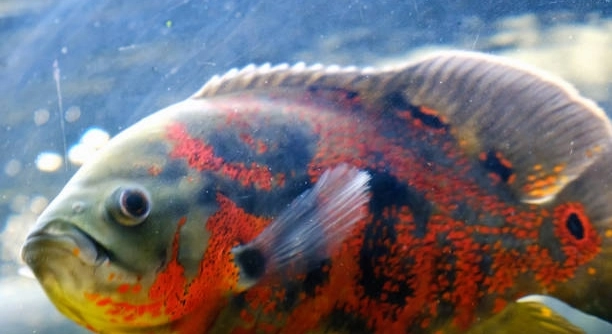
Oscar fish are known for their intelligence and distinct personalities, but sometimes their behavior can seem a bit puzzling. Understanding the signs of confusion can help you identify when something isn’t quite right with your pet.
Oscar fish may show confusion through erratic swimming, disinterest in food, or aggression. These behaviors often signal stress, illness, or environmental changes. Monitoring water conditions, tankmates, and feeding habits is crucial to understanding and addressing these signs of confusion.
Recognizing these signs will help ensure your Oscar fish’s well-being. Understanding the cause of confusion can lead to better care for your fish, improving their overall health and comfort in their environment.
Erratic Swimming Patterns
Oscar fish are active swimmers, and any sudden change in their swimming patterns can be a sign of confusion. They may swim in circles, move in an uncoordinated manner, or appear to be bumping into things. This behavior can stem from various factors like poor water quality, stress, or even an injury. Keeping an eye on their movement can help you spot these irregularities early, allowing you to address the problem before it gets worse. A stressed or confused Oscar might also swim to the top or bottom of the tank in a frantic manner.
When you notice erratic swimming, check the water parameters immediately. Poor water quality is one of the most common reasons for confusion in fish, including Oscars. Ammonia, nitrite, and nitrate levels should be within the safe range to avoid stress.
In some cases, a change in the tank environment can lead to confusion, especially when the fish aren’t used to new decorations or tankmates. If there are new additions in the tank, it might take your Oscar some time to adjust. If the erratic swimming continues, you may need to perform a partial water change or rearrange the tank to reduce stressors.
Disinterest in Food
One of the clearest signs of confusion in Oscar fish is a sudden lack of interest in food. Oscars are typically eager eaters, so if your fish is not showing the usual enthusiasm, something might be off.
Disinterest in food can indicate stress or a health problem, such as an infection or internal parasites. In some cases, Oscars may stop eating due to a poor diet or unsuitable water conditions. It’s essential to observe if the fish is still moving around or showing other signs of distress.
If an Oscar stops eating for more than a couple of days, it’s time to check water quality and food variety. Offering a mix of frozen, live, and pellet food can entice a reluctant eater. Regular water changes can also help, as clean water supports a healthy appetite.
Aggressive Behavior
Oscar fish are known for their aggressive tendencies, but confusion can cause them to become unusually hostile. They may start attacking tankmates without provocation or display aggression toward their own reflection. Stress and sudden changes in the environment often trigger these behaviors.
Aggression can be a response to poor water conditions, overcrowding, or tankmates that are not compatible with Oscars. If an Oscar feels threatened or confused, it may lash out as a defense mechanism. It’s essential to ensure the tank environment is suitable for their needs, with enough space and compatible fish.
Additionally, introducing new fish or objects into the tank can trigger aggression. Oscars are territorial, and if they feel their space is being invaded, they may become more aggressive. Giving them enough room and avoiding overcrowding can help reduce these aggressive episodes.
Hiding More Than Usual
Oscar fish tend to be active and curious, so if your fish is hiding more than usual, it’s a sign that something might be wrong. When they’re confused or stressed, they may retreat to dark corners or behind decorations.
This behavior is often linked to changes in water quality or temperature. Oscars may hide to avoid stressful situations when they feel out of control. If there are sudden fluctuations in tank conditions or if they feel threatened by tankmates, they may seek shelter.
Another factor could be an illness. Fish tend to hide when they’re feeling unwell, as it helps them conserve energy and avoid predators. It’s important to monitor the tank’s water quality and check for any visible signs of disease, such as spots or lesions. Providing them with hiding spots can help them feel more secure while adjusting to any changes in their environment.
Scratching or Rubbing Against Objects
When an Oscar fish is confused or stressed, it may start scratching or rubbing against objects in the tank. This is often a sign of irritation or discomfort. Oscars may do this if they have external parasites or a skin condition.
Scratching against objects could indicate that the fish is trying to relieve the irritation caused by these parasites. It’s essential to check the Oscar for any signs of unusual marks or lesions on its skin. Treating these conditions early can help prevent further complications.
Regular water changes and keeping the tank clean can help reduce the chances of external parasites. If the behavior continues, it’s best to consult a vet for fish care.
Flicking Fins or Gills
If your Oscar is flicking its fins or gills more than usual, it could be a sign of confusion or discomfort. This often happens when fish are trying to deal with stress, water quality issues, or irritation.
Flicking is sometimes linked to water quality issues, particularly high ammonia or nitrite levels. Poor water quality can irritate the gills and skin, causing Oscars to rub them or flick their fins. It can also be a response to an infection.
If your Oscar continues flicking, perform a water test to ensure the parameters are safe. A quick fix is a water change, but if the behavior persists, it’s important to check for signs of disease or parasites that may require treatment.
Swimming in One Spot
If your Oscar is swimming in one spot for an extended period, it might indicate confusion. This behavior can happen when they are disoriented due to poor water conditions or an unfamiliar environment.
Oscars are curious fish, but if they start swimming in circles or pacing, it could be a sign that they feel trapped or stressed. They may be reacting to a change in their tank or to something in their environment that is unsettling them. Regularly checking water quality and ensuring that they feel secure in their tank setup can help.
FAQ
What causes confusion in Oscar fish?
Confusion in Oscar fish can be caused by several factors, including poor water quality, stress, sudden environmental changes, or incompatible tankmates. Oscars are sensitive to water conditions, and fluctuations in temperature, pH, or ammonia levels can lead to confusion. Additionally, overcrowding, changes in tank decor, or the introduction of new fish can stress them out, causing erratic behavior.
How can I tell if my Oscar fish is stressed?
A stressed Oscar may exhibit signs like hiding more often, erratic swimming, loss of appetite, or aggressive behavior. If the fish suddenly starts rubbing against objects, flicking its fins, or avoiding social interaction, it’s likely feeling stressed. Environmental changes, such as loud noises or bright lights, can also trigger stress in Oscars.
Can poor water quality affect my Oscar’s behavior?
Yes, poor water quality can significantly affect an Oscar’s behavior. High levels of ammonia, nitrites, or nitrates can irritate the fish and lead to confusion. Oscars may start showing unusual behavior like erratic swimming, disinterest in food, or increased aggression. It’s essential to regularly test and maintain water parameters to keep your Oscar healthy.
What should I do if my Oscar isn’t eating?
If your Oscar isn’t eating, first check the water quality and temperature. Make sure the tank is clean, and the water parameters are stable. If the water is fine, try offering a variety of food types, including pellets, live food, or frozen options, to see if the Oscar has a preference. Also, ensure that no new tankmates are causing stress.
How do I help my Oscar adjust to new tankmates?
Introducing new tankmates gradually and carefully can help your Oscar adjust. Start by placing the new fish in a separate tank for observation, then introduce them slowly to the main tank once the Oscar is accustomed to the change. Make sure the new tankmates are compatible with Oscars in terms of temperament and size.
Can Oscar fish become more aggressive when confused?
Yes, confusion can cause Oscar fish to become more aggressive. They may display territorial behavior, especially if they feel threatened or disoriented. They might chase other fish, nip fins, or become more hostile toward tankmates. Ensuring the tank has enough space and hiding spots can help reduce aggression.
How often should I clean my Oscar’s tank?
It’s recommended to clean your Oscar’s tank at least once a week. Regular water changes of 25-30% help maintain water quality and prevent toxins from building up. You should also clean the filter monthly and remove any debris or waste from the substrate to keep the tank environment healthy for your fish.
What are some signs that my Oscar fish is sick?
Some signs that your Oscar may be sick include fading or unusual coloration, white spots on the skin or fins, bloating, listlessness, or abnormal swimming behavior. If the fish has a reduced appetite or seems to be rubbing against objects, it may have parasites or an internal infection.
Can Oscars get along with other fish?
Oscars are territorial and can sometimes be aggressive toward other fish. They are best kept with other large, strong fish that can handle their aggression. Avoid housing Oscars with small or timid fish, as they may become prey. Choosing compatible tankmates is key to maintaining a peaceful aquarium.
How can I reduce stress in my Oscar fish?
To reduce stress, ensure that your Oscar’s tank has stable water parameters, including temperature, pH, and filtration. Avoid sudden changes to the tank environment, like moving decorations or introducing new fish without proper acclimation. Providing plenty of hiding spots and space for your Oscar can also help it feel secure.
Is it normal for my Oscar to hide a lot?
Oscars do tend to hide when they feel stressed or unwell. However, if hiding becomes frequent or prolonged, it’s a sign that something is wrong. Check water quality, temperature, and tankmates to rule out stressors. If the hiding continues, monitor for other signs of illness.
Why is my Oscar flicking its gills?
Flicking its gills can be a sign that your Oscar is trying to relieve irritation caused by poor water quality or parasites. If this behavior is happening frequently, test the water for ammonia, nitrites, and nitrates, as these can irritate the gills. It could also be a sign of an infection.
Can I fix Oscar’s behavior by changing the tank setup?
Changing the tank setup can sometimes help alleviate confusion and stress in Oscars. Rearranging decorations or adding more hiding spots can make them feel more secure. However, it’s important to avoid drastic changes that could further stress them. Always make gradual adjustments to the environment.
What is the best diet for an Oscar fish?
Oscars are carnivores and need a diet rich in protein. Offering a variety of foods, including pellets, live food, and frozen options like shrimp or worms, will help keep them healthy. It’s important to provide them with a balanced diet to prevent nutritional deficiencies.
How can I tell if my Oscar is confused or sick?
To tell whether your Oscar is confused or sick, monitor its behavior closely. Confusion typically results from stress, poor water quality, or environmental changes, while sickness often comes with physical symptoms like lesions, bloating, or color changes. If symptoms of illness appear, consult an expert for advice.
What size tank is best for an Oscar fish?
Oscars need a tank that provides enough space for them to move freely. A 55-gallon tank is the minimum size for a single Oscar, but larger tanks are recommended, especially if you plan to keep more than one. A larger tank will help reduce stress and provide a better environment.
Do Oscars need company, or are they okay alone?
While Oscars are territorial and can live alone, they do better with company when carefully selected. However, they may not always get along with other fish, so it’s important to choose tankmates wisely. If kept alone, Oscars can be quite content, but they’ll need plenty of space to thrive.
Can Oscars live with other aggressive fish?
Yes, Oscars can live with other aggressive fish, as long as they are similar in size and temperament. Tankmates like large cichlids or other strong, territorial fish can work well. However, it’s important to avoid fish that are too small or timid, as they may become targets for the Oscar.
Final Thoughts
Oscar fish are fascinating creatures, but like all pets, they require careful attention to ensure they remain healthy and happy. When an Oscar fish is confused, it often signals something isn’t right in its environment. Whether it’s poor water quality, stress from tankmates, or changes in the tank setup, identifying the cause of the confusion is the first step in resolving the issue. By observing your Oscar’s behavior and understanding its needs, you can address problems before they escalate.
One of the most important aspects of caring for an Oscar fish is maintaining a stable environment. Keeping water quality high, with regular testing and water changes, is crucial. A well-maintained tank will help reduce stress and prevent confusion. Additionally, providing the right food, proper tankmates, and a suitable environment can significantly improve your Oscar’s well-being. Remember, Oscars are large, active fish that need space to thrive. A larger tank with enough hiding spots can help them feel secure and reduce the chances of aggression and confusion.
In conclusion, being aware of your Oscar’s behavior and taking quick action when signs of confusion appear can lead to a healthier and more peaceful tank. With proper care, Oscars can live long, happy lives, and their behavior will become easier to understand. Ensuring that their environment meets their needs will not only prevent confusion but also enhance their overall quality of life. Keeping a watchful eye on your Oscar’s health and environment will help you address any issues promptly, leading to a better experience for both you and your fish.

Hello,
If you enjoy the content that we create, please consider saying a "Thank You!" by leaving a tip.
Every little bit helps us continue crafting quality advice that supports the health, happiness, and well-being of pets around the world, for pets of all shapes, sizes, and species.
We really appreciate the kindness and support that you show us!