
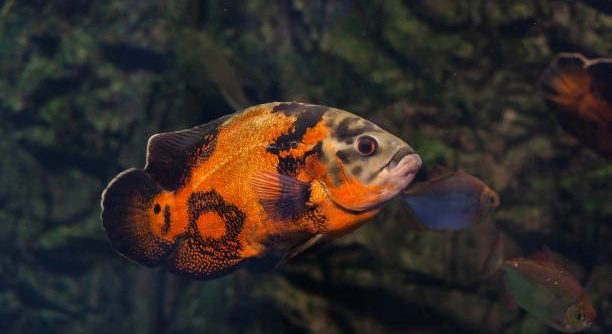
Oscar fish are known for their intelligence and curiosity, making them one of the more interactive species in the aquarium world. Many fish owners wonder about their ability to recognize reflections. Understanding this behavior is key to learning about their cognitive abilities.
Oscar fish can indeed recognize reflections in a mirror. They are known to exhibit territorial behavior and often react to their reflection as if it were another fish. This indicates that they can differentiate themselves from other fish.
Recognizing this behavior is crucial for better understanding Oscar fish and their interaction with their environment.
How Oscar Fish React to Their Reflections
Oscar fish are not only intelligent but also very curious about their surroundings. Their reaction to a reflection can be quite interesting. When they see their reflection in a mirror, they may initially approach it with curiosity. They often display aggressive behavior, like fin-flaring or rapid swimming, which mimics how they might act when encountering another fish. This territorial reaction shows that they recognize the reflection as something important, possibly even a potential rival.
Many fish owners notice that Oscar fish can become fixated on their reflections, spending a lot of time staring at themselves. This can be both a form of entertainment and a way for the fish to assert dominance over what they perceive as another fish. This type of behavior may also indicate that they are visually aware of their environment and that they have the cognitive ability to recognize their reflection as something distinct from their surroundings.
However, continuously exposing your Oscar fish to mirrors can lead to stress. Over time, the constant “confrontation” with their reflection can cause the fish to become anxious or territorial. It’s essential to keep the environment varied and stimulating for your Oscar to prevent this negative outcome.
How to Manage Reflection Interaction
Limiting the amount of time your Oscar fish sees its reflection can help reduce stress.
Consider placing mirrors away from the tank or using reflective surfaces only occasionally. This way, your fish won’t become overly territorial. Regular interaction with your fish, like feeding, can also keep them engaged without the risk of frustration.
Why Oscar Fish React Aggressively to Their Reflection
Oscar fish often react aggressively to their reflection because they perceive it as a rival. This territorial behavior is common in many fish species. Their aggression is a natural response to protect their space from what they assume is an intruder.
In an aquarium setting, the mirror reflection can trigger a defensive reaction. Oscar fish may swim rapidly, display open mouths, or even headbutt the glass. These behaviors are their way of asserting dominance, ensuring no other fish intrudes on their territory. This aggression is usually harmless but can be stressful if prolonged.
It’s important to remember that this territorial behavior is not a sign of unhappiness. Instead, it’s a sign of their natural instincts kicking in. Over time, the fish may adjust to the reflection, but frequent exposure could cause ongoing stress. Offering various environmental enrichments, like plants or hiding spots, can provide a sense of security and reduce the impact of territorial behaviors.
How to Prevent Stress from Reflections
Oscar fish can become stressed from constant exposure to mirrors or reflections in the tank.
Limiting their interaction with mirrors is an effective way to reduce the risk of stress. Keeping reflective surfaces covered or away from the tank can give your Oscar a more peaceful environment. Additionally, providing other forms of mental stimulation, such as toys or live plants, can help shift their focus. This will ensure they don’t become too fixated on their reflection, which can lead to anxiety.
Signs of Stress in Oscar Fish
When Oscar fish are stressed from constant reflection exposure, you might notice certain signs. They may become more aggressive or show erratic swimming patterns. Stress can also manifest in physical changes, like faded colors or a lack of appetite.
You may also see them darting rapidly around the tank or hiding in corners. Prolonged stress can weaken their immune system, making them more susceptible to diseases. It’s important to monitor their behavior and make changes if necessary. Offering them a calmer environment can help alleviate these symptoms and improve their overall well-being.
Providing Mental Stimulation
Oscar fish need mental stimulation to stay healthy and active.
Providing hiding places, plants, and aquarium décor can help reduce stress. These elements not only offer physical space but also encourage natural behaviors, such as exploring and foraging. You can also rotate tank decorations to keep things interesting. This variety helps keep your Oscar fish engaged and reduces their focus on reflections.
Best Tank Environment for Oscar Fish
The ideal environment for Oscar fish is one that mimics their natural habitat.
A tank that offers plenty of hiding spaces, caves, and plants can make your fish feel secure. It’s also essential to keep the water clean and at the right temperature. Regular maintenance and water changes are key to maintaining a healthy tank. This ensures your Oscar fish can thrive, reducing the chances of stress from their reflection.
FAQ
Do Oscar fish recognize their reflection?
Yes, Oscar fish can recognize their reflection. They typically react to it as though it is another fish, often displaying territorial behaviors such as aggression. This suggests they can identify the reflection as something separate from their environment, likely a rival they need to defend against.
How can I prevent my Oscar fish from stressing over their reflection?
To reduce stress, you should limit your Oscar’s exposure to mirrors or reflective surfaces. You can keep mirrors away from the tank or cover areas where reflections might occur. Adding enriching elements like plants, decorations, or hiding spots can also distract them from focusing on their own reflection.
Is it harmful for Oscar fish to see their reflection often?
Yes, prolonged exposure to reflections can cause stress in Oscar fish. They may become fixated on their reflection, leading to aggressive or anxious behavior. Over time, this can negatively affect their health, so it’s important to monitor and adjust the environment to minimize constant reflection exposure.
Can Oscar fish get bored in their tank?
Oscar fish can get bored if their environment is too simple. They need mental stimulation, such as places to hide, explore, and swim through. Adding decorations, plants, and toys can help keep your Oscar fish engaged, reducing boredom and related stress behaviors.
How can I tell if my Oscar fish is stressed?
Stressed Oscar fish may display aggressive behavior, like chasing other fish or striking the tank walls. Other signs include erratic swimming, a lack of appetite, or physical changes like faded colors. If you notice any of these signs, it’s a good idea to reassess the tank environment and make necessary adjustments.
Should I use a mirror to interact with my Oscar fish?
Using a mirror occasionally can be fine for short periods, but it shouldn’t be a regular activity. Too much exposure can lead to stress, aggression, and territorial behavior. If you want to interact with your Oscar, consider other forms of engagement, like feeding or gently changing the environment, to stimulate them.
What kind of tank setup is best for Oscar fish?
Oscar fish thrive in tanks that mimic their natural environment. A large tank with plenty of swimming space, plants, and hiding spots is ideal. A well-maintained tank with clean water and the right temperature will also keep them healthy. They do well in tanks that offer some areas of calm and security.
How often should I change the water for my Oscar fish?
Water changes are essential to keep Oscar fish healthy. It’s recommended to change about 25-30% of the water every 1-2 weeks, depending on the size of the tank and the number of fish. Regular water changes help maintain water quality, which is crucial for the overall health of your fish.
Can Oscar fish live with other fish?
Oscar fish can live with other species, but they are known to be aggressive, especially in smaller tanks. It’s best to house them with larger, hardy fish that can hold their own. Avoid placing small or timid fish with Oscars, as they may become targets for bullying or aggression.
What do I do if my Oscar fish is being aggressive?
If your Oscar is showing aggressive behavior, first check the tank’s environment. Is it overcrowded, or are there too many reflections? Consider adding more hiding spots or rearranging the tank. If the aggression is directed toward tank mates, you may need to separate them. Also, ensure that your fish is not stressed or ill, as this can lead to increased aggression.
How big of a tank does an Oscar fish need?
Oscar fish require a large tank to thrive. A tank size of at least 55 gallons is recommended for one Oscar fish. Larger tanks are better, especially if you plan to keep multiple Oscars or other tank mates. The more space they have, the more comfortable they will be.
Are Oscars easy to care for?
Oscar fish are relatively easy to care for, but they do require attention to water quality, tank size, and feeding. They are not the best choice for beginners because they need a stable environment and regular maintenance. Once their needs are met, Oscars can thrive in a well-maintained tank.
Can Oscar fish live without filtration?
No, Oscar fish cannot live without proper filtration. They produce a lot of waste, which can quickly degrade water quality. A good filtration system is essential for maintaining a healthy environment. You’ll need a filter rated for the size of your tank to ensure the water stays clean and oxygenated.
How long do Oscar fish live?
Oscar fish have a lifespan of around 10-15 years, although some have been known to live longer with proper care. Providing a stable tank environment, regular water changes, and a healthy diet can help your Oscar reach its full lifespan. Regular health checks are also important to ensure longevity.
What do Oscar fish eat?
Oscar fish are omnivores and have a varied diet. They typically eat a mix of high-quality pellets, live food like worms or feeder fish, and frozen foods such as shrimp. Offering a balanced diet is essential for keeping them healthy and ensuring they receive all the necessary nutrients.
Are Oscar fish messy?
Yes, Oscar fish can be quite messy. They produce a lot of waste, which can quickly pollute the water. This is why regular water changes and strong filtration systems are so important. Keeping the tank clean is necessary to ensure your Oscar fish stays healthy and comfortable.
Do Oscar fish need companions?
Oscar fish are solitary by nature and don’t require companions. While they can be housed with other large, sturdy fish, they generally prefer to have their own space. If you do house multiple Oscars together, make sure the tank is large enough to accommodate them without causing stress or aggression.
How do I know if my Oscar fish is healthy?
A healthy Oscar fish will have vibrant colors, clear eyes, and smooth, unblemished skin. It will swim actively, have a healthy appetite, and interact with its environment. If you notice any changes, such as lethargy, loss of appetite, or abnormal behavior, it could indicate a health issue.
Final Thoughts
Oscar fish are intelligent creatures that can react strongly to their environment, especially when it comes to their reflection. Their ability to recognize themselves or perceive their reflection as another fish is something many owners notice. This can sometimes lead to stress and aggressive behaviors, but it’s not necessarily harmful if managed properly. Understanding their need for a calm and secure environment is key to keeping them healthy and happy. By limiting reflections and providing enrichment in the tank, you can create an environment that reduces stress and promotes natural behaviors.
It’s important to consider the overall care needs of an Oscar fish. While they may appear tough and hardy, they require a well-maintained tank, proper water quality, and a suitable tank size to thrive. Oscar fish grow quite large, and as such, they need a spacious environment to move around comfortably. Ensuring the tank has enough space, hiding spots, and decorations will help reduce aggression and stress. Additionally, keeping the water clean and regularly changing it is essential for maintaining a healthy and safe environment.
Lastly, while Oscar fish are fascinating and entertaining, they do require regular attention and care. Whether it’s adjusting the tank setup to prevent reflection-induced stress or making sure they are well-fed and in good health, a little effort goes a long way in providing them with a fulfilling life. Observing their behavior closely can help you address any issues that arise, from aggression to signs of illness. By meeting their needs and respecting their behavior, you can ensure that your Oscar fish remains a healthy and active companion in your aquarium for years to come.

Hello,
If you enjoy the content that we create, please consider saying a "Thank You!" by leaving a tip.
Every little bit helps us continue crafting quality advice that supports the health, happiness, and well-being of pets around the world, for pets of all shapes, sizes, and species.
We really appreciate the kindness and support that you show us!