
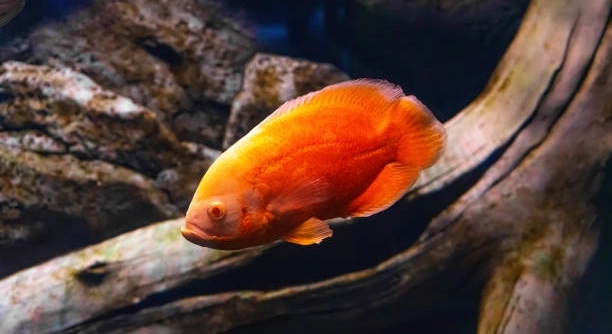
Loud sounds can significantly influence the behavior of Oscar fish, a species known for its strong personality and sensitivity. Understanding how different sound levels impact their actions can help in providing a more peaceful environment for these fish.
Exposure to loud sounds can cause stress in Oscar fish, affecting their swimming patterns and overall well-being. High noise levels can trigger defensive behavior, while consistent exposure may lead to decreased appetite and slower growth.
Reducing noise in the aquarium is key to maintaining healthy Oscar fish.
Impact of Sound on Oscar Fish Behavior
Oscar fish are known to be highly responsive to their environment. Sounds that are too loud or constant can make them feel threatened or anxious. These fish have a well-developed sense of hearing and can detect vibrations from both the surrounding water and air. When exposed to loud noises, they may exhibit erratic swimming patterns, stress-related behaviors, or even aggression. Keeping noise levels in the aquarium low helps reduce these negative effects, promoting a healthier and more relaxed atmosphere for the fish.
Oscar fish, like other species, have sensitive hearing, making them vulnerable to disturbances from their surroundings. Sounds like loud music, sharp noises, or even vibrations from equipment can cause them distress. This stress can hinder their growth and lead to health issues over time.
It’s important to maintain a quiet environment around the aquarium. Avoid placing it near sources of loud sounds like televisions, speakers, or other electronic devices. This simple step can significantly reduce stress levels in Oscar fish and help them thrive. Keeping the tank in a calm, stable setting will encourage natural behaviors such as eating, exploring, and socializing with other fish.
How Noise Affects Oscar Fish Health
Noise-induced stress can have more than just behavioral effects on Oscar fish. Over time, continuous exposure to loud sounds can weaken their immune systems, making them more susceptible to diseases. The stress response also leads to changes in feeding habits, which can cause malnutrition and slow growth. High noise levels are often linked to reduced appetite, as the fish may become too anxious to eat properly. It is essential to keep the environment quiet and peaceful to avoid long-term health consequences.
Keeping Oscar fish in a calm, stable environment is critical for their well-being. This includes regulating sound levels, as excessive noise can disrupt their feeding and growth.
In addition to keeping noise levels low, other environmental factors should also be monitored for the fish’s health. Proper water quality, temperature, and tank size play a role in reducing stress. Ensuring the aquarium is located in a quiet area, away from loud noises and disruptions, is just one of the many steps that can help Oscar fish live a healthy and stress-free life. Regularly checking the water quality, maintaining a consistent temperature, and avoiding sudden disturbances can go a long way in improving their overall health.
The Link Between Noise and Stress
Excessive noise can significantly impact Oscar fish, leading to increased stress levels. Stress weakens their immune system and affects their overall behavior. They may become more aggressive or even exhibit signs of distress such as rapid swimming or hiding. Keeping the aquarium in a quieter area can help mitigate these stressors.
Fish in stressful environments tend to show abnormal behaviors. They may swim erratically or avoid interacting with their surroundings. Over time, this can lead to changes in their social dynamics, affecting their interactions with tank mates. Noise can also cause them to become less active, reducing their quality of life. By keeping sound levels low, it’s easier to maintain their natural behaviors, improving both their mental and physical health.
The impact of sound can also be seen in their feeding habits. When stressed, fish often lose interest in food. This can result in malnutrition and a slower growth rate, which is detrimental to their health. Lowering noise levels and maintaining a peaceful environment encourages them to eat regularly, which is essential for their development.
Identifying Sources of Noise
Many common household items contribute to noise around the aquarium. This includes televisions, music systems, and even nearby appliances. The vibrations from these sources travel through the water and can disturb the fish. In addition, the sound from water filters, while necessary, can also contribute to the noise levels in the tank. Identifying and controlling these sources is an important step in reducing stress for Oscar fish.
It’s important to place the aquarium in a location that minimizes external noise. Consider avoiding areas with frequent foot traffic, loud conversations, or equipment. A quieter space reduces the chances of the fish experiencing unnecessary stress. Ensuring that their environment is calm allows Oscar fish to thrive and exhibit normal behaviors. In the long run, this can lead to better overall health, from appetite regulation to improved social interactions. It’s simple—keeping the environment peaceful will help your Oscar fish feel more at ease.
Managing Noise Levels in Your Home
To maintain a quiet environment for your Oscar fish, it’s important to be mindful of the noise in the room. Soft background noise is less likely to cause issues, but loud or sudden sounds can create stress. Avoid placing the tank near speakers or high-traffic areas.
A quieter setting will help keep the Oscar fish calm and prevent them from becoming overly stressed. Consider placing the aquarium in a room with less noise, or use materials like carpets or curtains to absorb sound. Minimizing noise disruptions allows the fish to feel more secure and healthy.
The Role of Aquatic Equipment
The equipment in your aquarium, such as filters, air pumps, and heaters, can also produce sounds that affect the fish. While essential for maintaining water quality, these devices may contribute to the overall noise level in the tank. Selecting quieter equipment can help reduce this disturbance.
Investing in quieter equipment is an easy way to lower the noise without compromising the health of your Oscar fish. Look for filters or air pumps designed for low noise output. This can help create a more peaceful environment, which in turn promotes better behavior and a healthier fish.
Behavioral Signs of Noise Stress
Oscar fish may show signs of distress when exposed to loud sounds. These can include erratic swimming, hiding, or aggression. The fish might also stop eating or display an unusual level of agitation. Recognizing these behaviors early on is key to identifying noise stress.
Monitoring these signs can help you identify when your Oscar fish are becoming stressed from their environment. By adjusting the surroundings or noise levels, you can reduce these symptoms. Keeping their environment calm is vital for their overall health and well-being.
FAQ
How do loud sounds affect Oscar fish?
Loud sounds can trigger stress in Oscar fish, affecting their behavior and health. Prolonged exposure to noise can cause erratic swimming, aggression, or hiding. These stress responses are often linked to the fish’s attempt to cope with the disturbance. Over time, it may impact their growth, appetite, and social interactions.
Can Oscar fish adapt to noisy environments?
Oscar fish may adapt to some noise over time, but consistent exposure to high levels of sound can cause lasting stress. Even if they seem to adjust, their overall health can be compromised. It’s best to keep their environment as calm as possible to avoid long-term damage.
What type of noise is most harmful to Oscar fish?
Sharp, sudden noises, such as loud music, machinery, or nearby construction, are particularly harmful. These sounds can cause a heightened stress response in Oscar fish. Continuous, low-level noise is less disruptive but still not ideal for their well-being. Maintaining a peaceful atmosphere is key.
Does water filter noise bother Oscar fish?
Water filter noise is generally less disruptive to Oscar fish compared to external sounds, but it can still be a factor. Some filters are quieter than others. If you notice that your fish are stressed, it may help to invest in a quieter model or relocate the filter to a less noticeable area.
How can I reduce noise around my Oscar fish tank?
Placing the tank in a quieter room, away from sources of loud sound like speakers or TV, is one of the most effective ways to reduce noise. Using sound-absorbing materials like carpets or curtains in the room can also help. Choosing quieter aquarium equipment is another way to minimize noise.
Can Oscar fish become more aggressive due to loud sounds?
Yes, loud sounds can cause Oscar fish to become more aggressive. The stress from noise often leads to defensive behavior, and fish may display increased territorial aggression. Keeping noise levels low helps reduce this aggression and allows them to maintain a more peaceful environment.
Will loud sounds affect Oscar fish feeding habits?
Stress from loud sounds can make Oscar fish less likely to eat. They may lose their appetite or become more cautious around food. Ensuring that their environment is calm and quiet will help them feel secure enough to eat regularly and maintain a healthy diet.
Are there specific sounds that Oscar fish dislike?
Oscar fish are particularly sensitive to high-pitched, sharp sounds, such as loud voices or machinery. These noises can make them feel threatened, leading to stress responses. Low, constant sounds, like the hum of an air pump or filter, are generally less problematic.
Do Oscar fish have hearing capabilities?
Yes, Oscar fish can hear and detect vibrations. They can pick up sound through their lateral line, a sensory system that detects movement and vibrations in the water. This allows them to sense noises, both in the water and from the air, affecting their behavior.
How can I monitor Oscar fish for signs of stress due to noise?
Look for signs like erratic swimming, hiding, or aggression, as these are common indicators of stress. If your Oscar fish stop eating or show less interest in their environment, this may also be linked to stress from noise. Regular observation helps identify and address stress factors early.
Can Oscar fish be trained to ignore noise?
While Oscar fish may become accustomed to some background noise, they cannot be trained to completely ignore loud or sudden sounds. Their natural response to high levels of sound is stress, which can lead to negative health effects. Reducing noise is the most effective solution for a healthier environment.
How can I create a peaceful environment for my Oscar fish?
Create a calm environment by placing the tank in a low-traffic area and away from noisy appliances or speakers. Use soundproofing materials or simply keep noise levels low around the tank. Additionally, selecting quieter aquarium equipment and reducing external noise sources will help keep the Oscar fish comfortable.
Can Oscar fish live near other loud pets?
Oscar fish can tolerate some noise from other pets, but loud or sudden sounds from animals like dogs or birds can stress them out. It’s best to place the tank in an area where it won’t be disturbed by noisy pets. This ensures that the fish remain in a calm environment.
Is it okay to have an aquarium in a noisy room?
It’s better to avoid placing your Oscar fish tank in a noisy room. Consistent loud sounds can lead to long-term stress, affecting your fish’s behavior and health. If you don’t have an option for a quiet room, consider using noise-reducing materials or equipment to minimize the impact of sound.
What can I do if my Oscar fish shows signs of stress?
If your Oscar fish shows signs of stress, first assess the noise levels in the area. Move the tank to a quieter spot if possible, and check the equipment for excessive noise. If the fish is still stressed, monitor their behavior closely and ensure their water quality and other environmental factors are optimal.
Can Oscar fish get used to noisy environments over time?
While Oscar fish may tolerate low levels of noise over time, consistent exposure to high noise levels can cause ongoing stress. It’s crucial to maintain a quieter environment, as excessive noise can lead to chronic health problems, including immune system issues, poor appetite, and abnormal behavior.
Final Thoughts
Oscar fish are sensitive creatures, and their behavior can be easily influenced by their environment. Loud sounds, in particular, can cause stress and lead to unwanted changes in their behavior. Whether it’s sudden noises from loud music or equipment buzzing too loudly, the effects on an Oscar fish can be noticeable. These fish may exhibit signs of stress, such as erratic swimming, aggression, or even a lack of appetite. Ensuring a calm, quiet space for them to live is key to keeping them healthy and happy.
Reducing noise in your Oscar fish’s environment can significantly improve their well-being. It is helpful to place their tank in a quiet area of your home, away from high-traffic zones or rooms with loud appliances. Soundproofing the area by using carpets, curtains, or other noise-reducing materials can also help minimize the impact of external sounds. Additionally, selecting quieter aquarium equipment, such as filters and pumps, can make a big difference. A peaceful environment reduces stress, allowing your Oscar fish to thrive.
Monitoring your Oscar fish for signs of stress is essential in maintaining their health. If they exhibit behaviors such as hiding, aggression, or refusal to eat, noise might be a contributing factor. Taking steps to minimize noise and observing any improvements in their behavior can help address these issues. Remember, keeping a balanced environment for your Oscar fish not only ensures they feel safe but also contributes to their overall longevity and happiness. Reducing noise levels around the tank can go a long way in promoting a healthier, stress-free life for your Oscar fish.

Hello,
If you enjoy the content that we create, please consider saying a "Thank You!" by leaving a tip.
Every little bit helps us continue crafting quality advice that supports the health, happiness, and well-being of pets around the world, for pets of all shapes, sizes, and species.
We really appreciate the kindness and support that you show us!